






Sensitive Skin - 10 Triggers
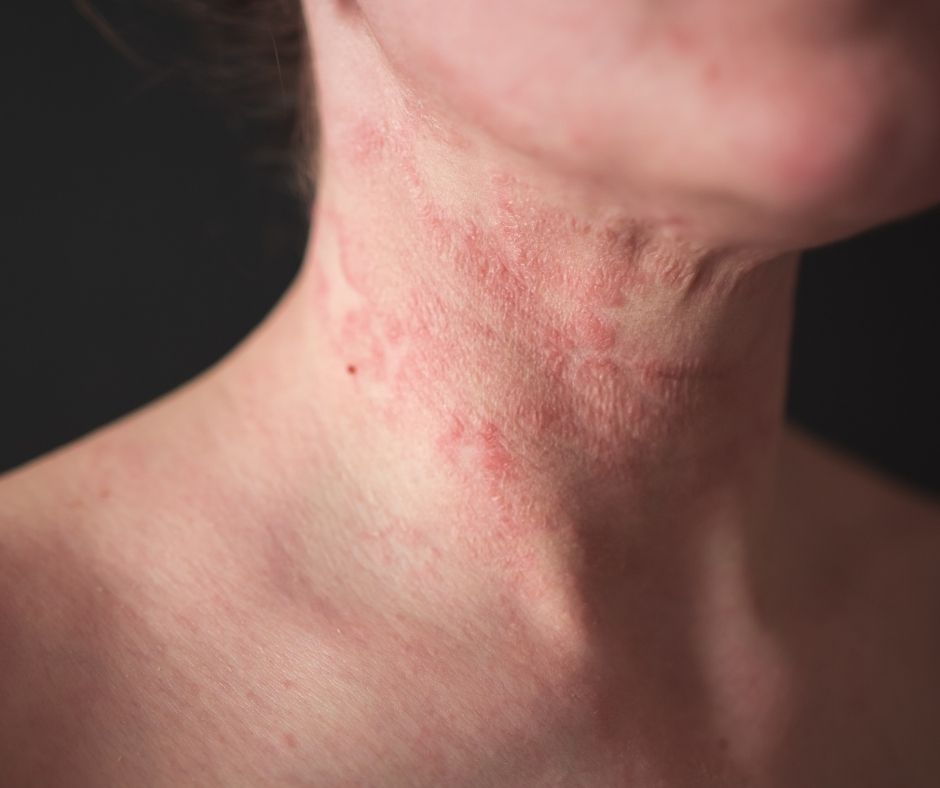
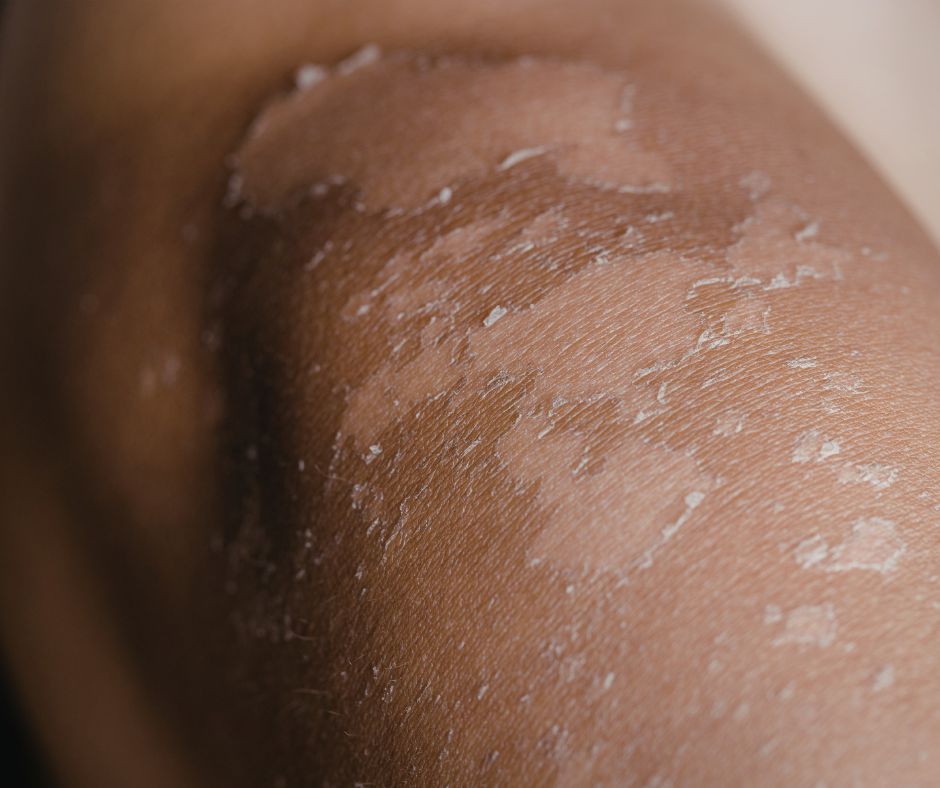
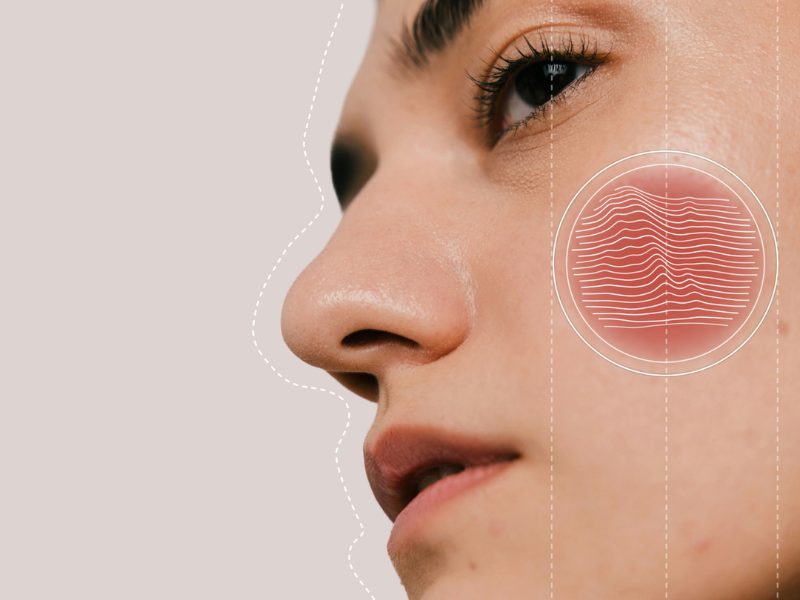
Sensitive skin affects many people and manifests as redness, itching, dryness, or burning. Common triggers include external irritants, environmental factors, or unsuitable skincare products. Here are the 10 most common causes and how you can protect your skin:
- Sun exposure: UV rays promote inflammation and skin aging.
- Temperature fluctuations: Cold dries out the skin, heat causes irritation.
- Environmental pollution: Fine dust and pollutants damage the skin barrier.
- Fragrances and dyes: Common triggers for allergies and irritations.
- Harsh cleansers: Attack the skin's acid mantle.
- Strong active ingredients: Retinoids and acids can irritate sensitive skin.
- Hormonal changes: Puberty, pregnancy, and menopause affect the skin.
- Diet: Spicy foods, alcohol, and sugar promote skin problems.
- Stress: Weakens the skin barrier and promotes inflammation.
- Genetic factors: Inherited skin sensitivity influences reactivity.
Quick tip: Protect your skin with gentle care, sun protection, a balanced diet, and stress management. More details on the triggers and suitable solutions can be found in the article.
1. Sun Exposure
UV radiation is one of the most common and aggressive factors that can irritate sensitive skin. People with sensitive skin, in particular, react strongly to sun exposure.
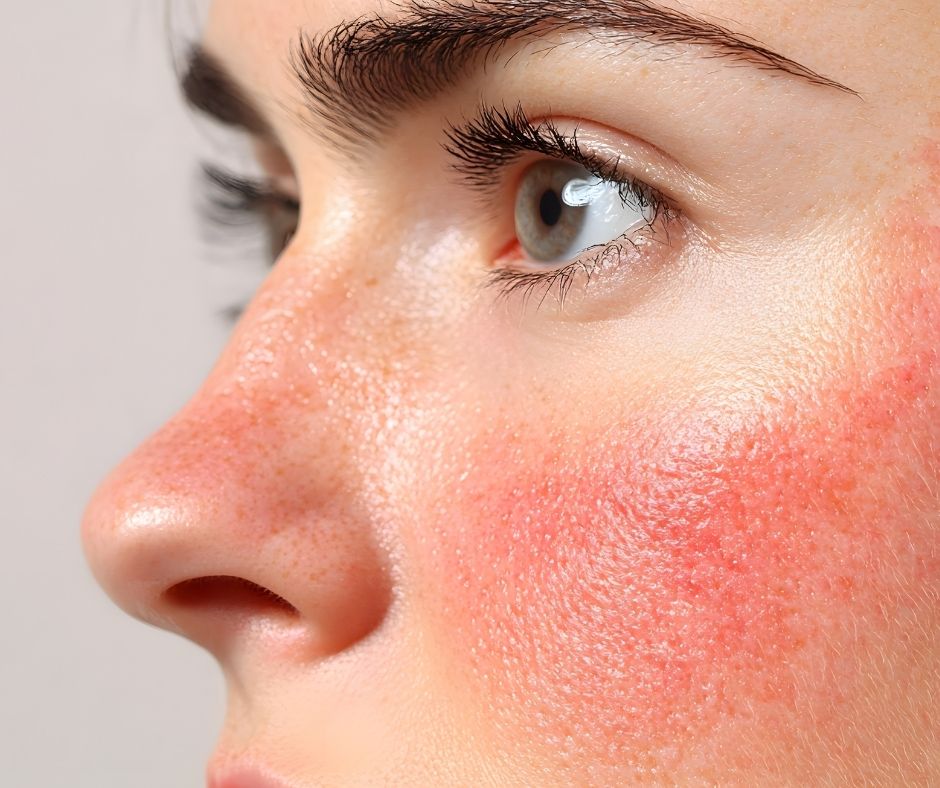
UV radiation promotes collagen breakdown, increases inflammation, and worsens skin problems like rosacea [2]. A particular risk factor: UVA rays account for the majority of UV radiation that reaches the Earth's surface [9].
| Short-term effects | Long-term consequences |
|---|---|
| Skin redness | Premature skin aging |
| Itching | Hyperpigmentation |
| Burning | Persistent vasodilation |
| Inflammation | Increased skin cancer risk |
To effectively protect sensitive skin, the following measures should be observed:
- Use physical sunscreen with zinc oxide or titanium dioxide and an SPF of 30 or higher [2].
- Reapply regularly, about every 2 hours, especially when sweating heavily [10].
- Avoid the midday sun and use protective clothing [2].
The next section explains how extreme temperatures can additionally stress the skin.
2. Temperature Fluctuations
Extreme temperatures and sudden weather changes severely affect the skin. Cold, in particular, can reduce skin moisture by up to 25% [1]. Different skin reactions occur depending on the temperature.
| Cold | Heat |
|---|---|
| Less sebum production | More sweat production |
| Blood vessels constrict | Pores clog more easily |
| Skin becomes dry and flaky | Heat rash can occur |
| Lips tend to crack | Skin loses moisture |
Rapid temperature changes, such as when moving between heated rooms and cold outdoor air, further stress the skin barrier. This can worsen existing skin problems.
Tips for Skincare
- In cold weather: Use rich creams.
- In hot weather: Opt for light textures.
- Improve indoor air quality in winter with humidifiers.
- Use lukewarm instead of hot water.
- Avoid air conditioning if possible.
An indoor climate of 20-22 °C [1][2] helps protect the skin barrier.
In addition, environmental factors such as fine dust and exhaust fumes exacerbate these stresses – more on this in the next section.
3. Environmental Pollution
Environmental pollution plays an increasingly important role in sensitive skin, especially in cities. Pollutants such as fine dust (PM2.5 and PM10), nitrogen dioxide, and others penetrate the skin and demonstrably cause damage[8][2].
| Pollutant | Effects on the skin |
|---|---|
| Fine dust (PM2.5/PM10) | Causes inflammation and oxidative stress |
| Nitrogen dioxide | Leads to 25% more pigment spots[8][2] |
| Ozone | Triggers oxidative stress and accelerates skin aging |
| PAHs (polycyclic aromatic hydrocarbons) | Causes DNA damage and skin irritation |
People in cities have skin problems 20% more often, 10% more pigment spots, and their skin ages up to 10 years faster than people in rural areas[2][1].
Skin Protection Mechanisms
To protect the skin from the effects of the environment, these measures are particularly helpful:
- Thorough cleansing in the evening to remove pollutants.
- Antioxidants like vitamin C in concentrations of 10-20%[3][4].
- Daily sun protection, which serves as a physical barrier.
"A combination of vitamin C and E can increase protection against oxidative stress fourfold"[10][5].
Indoor Air Quality and Skin Health
The air indoors also affects the skin. Here are some tips:
- Keep humidity between 30-50%, e.g., with air-purifying plants like peace lilies.
- Use mild cleaning products with few chemicals, such as those from natüür, which are free from parabens and silicones and other unnecessary additives.
Studies show that better indoor air can reduce skin irritations by up to 30%[4][6]. This is particularly relevant for people with sensitive skin.
The effect of these environmental factors is often amplified by irritating ingredients in cosmetics – more on this in the next section.
4. Fragrances and Dyes in Products
Artificial fragrances and color additives in cosmetics are common triggers for skin reactions. According to a survey by the American Academy of Dermatology, 60-70% of people with sensitive skin react to perfumed products[2].
Problematic Ingredients
Some ingredients are particularly suspected of causing skin reactions:
| Ingredient | Frequency of reactions | Typical symptoms |
|---|---|---|
| Synthetic fragrances ("Parfum") | 7.7% of tested patients[11] | Redness, itching |
| FD&C/D&C dyes (e.g., in foods and cosmetics) | 15% of the population[10] | Allergic reactions |
| Preservatives | 1% of adults[1] | Contact dermatitis |
Effects on the Skin Barrier
These substances can weaken the skin barrier and increase transepidermal water loss (TEWL) in sensitive skin by up to 30%[1].
"The term 'fragrance' on a product label can represent a mixture of dozens or even hundreds of chemicals"[9].
Safe Alternatives
For people with sensitive skin, there are better options:
- Fragrance-free products: These contain no irritating fragrances.
- Mineral pigments like iron oxides: Well-tolerated and without synthetic additives.
- Products with few ingredients: Fewer additives often mean a lower risk.
Some brands, and also we at natüür, rely on natural alternatives such as the NEEMAVERA® active ingredient complex from neem leaves[7]. Such minimalist formulations support the natural skin barrier.
Practical Tips for Product Selection
- Check ingredients: Avoid FD&C/D&C dyes and synthetic fragrances.
- Perform a patch test: Test a new product on a small area of skin before first use.
- Look for seals: Certifications for sensitive skin can provide guidance.
Not only cosmetics, but also aggressive household cleaners can contain problematic substances – more on this in the next section.
5. Harsh Cleansers
According to the American Academy of Dermatology, 44% of respondents report skin irritations caused by harsh detergents[2].
Effects on the Skin Barrier
Strong cleansing agents can severely impair the skin's natural protective function. Soaps with an alkaline pH of 9 to 10 attack the skin's acid mantle[2]. The result? More dryness and higher sensitivity to irritants.
Problematic Ingredients
Certain ingredients in cleansers are particularly critical:
- Sodium Lauryl Sulfate (SLS): Attacks the skin's acid mantle[8].
- Triclosan: Often found in antibacterial soaps, it can cause hypersensitivity[3].
- Formaldehyde releasers: These preservatives can trigger allergies[2][3].
"The regular use of aggressive cleaning agents can increase the skin's pH value, leading to impaired barrier function and increased susceptibility to irritants"[1].
Skin-friendly Alternatives
For sensitive skin, pH-neutral cleansers (pH 4.5–6.5) are a good choice. Microfiber cloths or steam cleaners also offer gentler cleaning options.
Protective Measures
Dermatologists recommend the following measures to protect the skin:
- Wear protective gloves: Prevents direct contact with irritating substances.
- Dilute cleaning agents correctly: Dilute products according to instructions and apply a skin protection cream before contact.
A study by the University of California shows that switching from alkaline cleansers (pH 9.5) to pH-neutral products (pH 5.5) can reduce skin dryness by 20% and skin irritation by 15%.
These irritating substances are found not only in household cleaners but also in some skincare products – more on this in the next section.
6. Strong Active Ingredients in Skincare Products
Intensive active ingredients, similar to household cleaners, can stress the skin barrier. Ingredients like retinoids or acids are effective against skin problems but can irritate sensitive skin. Retinoids, for example, promote cell renewal but also increase UV sensitivity by 18-33% [11]. Often, these substances are underestimated as a cause of redness and barrier disorders.
Problematic Ingredients
Some active ingredients that frequently cause skin irritation are:
- Retinoid compounds: Increase UV sensitivity by up to 33% [11].
- Alpha-Hydroxy Acids (AHA): Glycolic acid can weaken the skin barrier.
- Beta-Hydroxy Acids (BHA): Salicylic acid can cause redness.
- Vitamin C (L-Ascorbic Acid): Concentrations above 10% can be irritating.
Gentler Alternatives
For sensitive skin, gentler active ingredients are often more suitable. Here are some suggestions:
| Active Ingredient | Effect | Special Properties |
|---|---|---|
| Niacinamide | Refines pores | Has a calming effect on the skin |
| Bakuchiol | Anti-aging | Plant-based alternative to retinol |
| Hyaluronic Acid | Provides moisture | Supports the skin barrier |
| Ceramides | Strengthens skin protection function | Promotes the lipid barrier |
Application Tips
If you want to use strong active ingredients, these steps can help the skin get used to them:
- Choose low concentrations: Start with 0.01-0.03% retinoids and use them 1-2 times a week.
- Combine with moisturizer: Always use with a moisturizer to soothe the skin.
- Pause if irritation occurs: If irritation occurs, temporarily stop application.
The pH Value Plays a Role
Many active ingredients can disrupt the skin's natural pH value (4.5-6.5). Products with a specified pH value can help avoid irritation.
In the next section, we will address the hormonal influences on skin sensitivity.
7. Hormonal Changes
Sensitive skin often reacts intensely to hormonal fluctuations, which affect both the skin barrier, sebum production, and moisture balance. These fluctuations occur at different stages of life and can noticeably change the skin.
How Life Stages Affect the Skin
Hormonal changes at different stages of life have specific effects on the skin:
| Phase | Effect | Symptoms |
|---|---|---|
| Puberty | Increased androgen production | More sebum, acne |
| Menstrual cycle | Fluctuations in estrogen and progesterone | Cyclic sensitivity |
| Pregnancy | Greatly increased hormone levels | Higher reactivity to products |
| Menopause | Decreasing estrogen levels | Up to 30% less collagen [2] |
Challenges Due to Hormonal Changes
During menopause, 36% of women report increased skin sensitivity [9]. Particularly striking is the decrease in collagen production: within the first five years after the onset of menopause, this can drop by up to 30% [2].
"70% of women experience skin changes during perimenopause and menopause" [2]
Tips for Skincare During Hormonal Phases
To support the skin during hormonal transition phases, the following measures help:
- Gentle cleansing: Use mild products to avoid further irritating the skin.
- Strengthening the skin barrier: Care with products that promote the skin's protective function.
- Provide moisture: Ensure adequate, gentle hydration.
- Use antioxidants: These offer additional protection against external influences.
When Professional Help is Needed
If symptoms persist, a visit to a dermatologist can be useful. Especially during menopause, targeted therapies, such as hormonal treatments or specially adapted care products, can significantly improve the skin.
Hormonal influences are only part of the picture – external factors such as diet also play a role. More on this in the next section.
8. Diet and Beverages
There is scientific evidence that diet and beverages can influence skin sensitivity. Some foods can trigger or worsen skin reactions such as redness or itching. Even small changes in diet can often help alleviate these symptoms.
Typical Triggers in Diet
Some foods are suspected of promoting skin problems. Here are some common examples:
| Food | Possible Effect on Skin | Typical Reactions |
|---|---|---|
| Spicy Foods | Vasodilation | Redness, feeling of warmth |
| Alcohol | Dehydrates | Dryness, increased sensitivity |
| Dairy Products | Can promote inflammation | Acne, irritation |
| Citrus Fruits | High acidity | Irritation, redness |
| Sugar | Promotes inflammation | Inflammatory processes |
Alcohol and its Effect
Alcohol can make the skin more sensitive by dilating blood vessels, thereby intensifying visible redness. It also interferes with sleep, which can hinder the skin's nocturnal regeneration [1].
Skin-friendly Foods
A balanced diet has a positive effect on the skin. Particularly helpful are:
- Omega-3 fatty acids: Sources like fatty fish and flaxseeds can have anti-inflammatory effects.
- Probiotics: Support skin balance through the connection between the gut and skin.
"A study showed that 54% of acne patients experienced significant improvement after 12 weeks on a low-glycemic diet" [2].
Identifying Personal Triggers
A food diary can help identify individual triggers. Note:
- What foods and drinks you consume at what time
- Changes or reactions of the skin
Additionally, it is helpful to pay attention to the following:
- Drink enough water, distributed throughout the day
- Avoid artificial additives as much as possible
With these adjustments and a conscious approach to stress, you can strengthen your skin in the long term.
9. Stress and its Effects
Stress not only affects our general well-being but also directly impacts our skin. Studies show that psychological stress can severely impair the skin barrier.
How Stress Affects the Skin
Stress triggers various reactions in the body that can make the skin more sensitive:
| Stress Hormone | Effect on Skin | Consequences |
|---|---|---|
| Cortisol | Increased sebum production | Impurities, acne |
| Adrenaline | Reduced blood circulation | Pale, dull skin |
| Neurotransmitters | Promote inflammation | Skin inflammation |
Difference Between Acute and Chronic Stress
Short-term stress often leads only to temporary skin problems. Chronic stress, however, can cause longer-term damage. A study with 422 students showed that 74% suffered more from skin problems during exam periods [8].
Recognizing Stress-Related Skin Changes
The following signs indicate stress-related skin problems:
- Redness and irritation increase
- Skin reacts more sensitively to skincare products
- Dryness becomes more frequent
"Research shows that stress can slow wound healing by up to 40%" [2].
Tips for Stress Reduction
To support skin health, it is important to actively reduce stress. Here are two simple approaches:
- Daily relaxation: 10 minutes of meditation or breathing exercises
- Regular exercise: 30 minutes of sport 3–5 days a week
- Sufficient sleep: 7–9 hours per night
Skincare During Stressful Phases
During stressful times, skincare should be particularly gentle. Focus on soothing ingredients such as niacinamide, ceramides, or hyaluronic acid (see Section 6).
While stress is an influencing factor, there are also causes we cannot control – such as genetic predispositions. We will address this in the next section.
10. Genetic Factors
Genetic factors play a major role in skin sensitivity – about 50% of it is inherited and can be influenced independently of lifestyle [8].
Inherited Skin Sensitivity: A Look at the Facts
Certain skin diseases particularly clearly demonstrate how strong genetic influences can be:
| Disease | Genetic Influence |
|---|---|
| Neurodermatitis | 60-70% hereditary [9] |
| Rosacea | As mentioned in Section 7 |
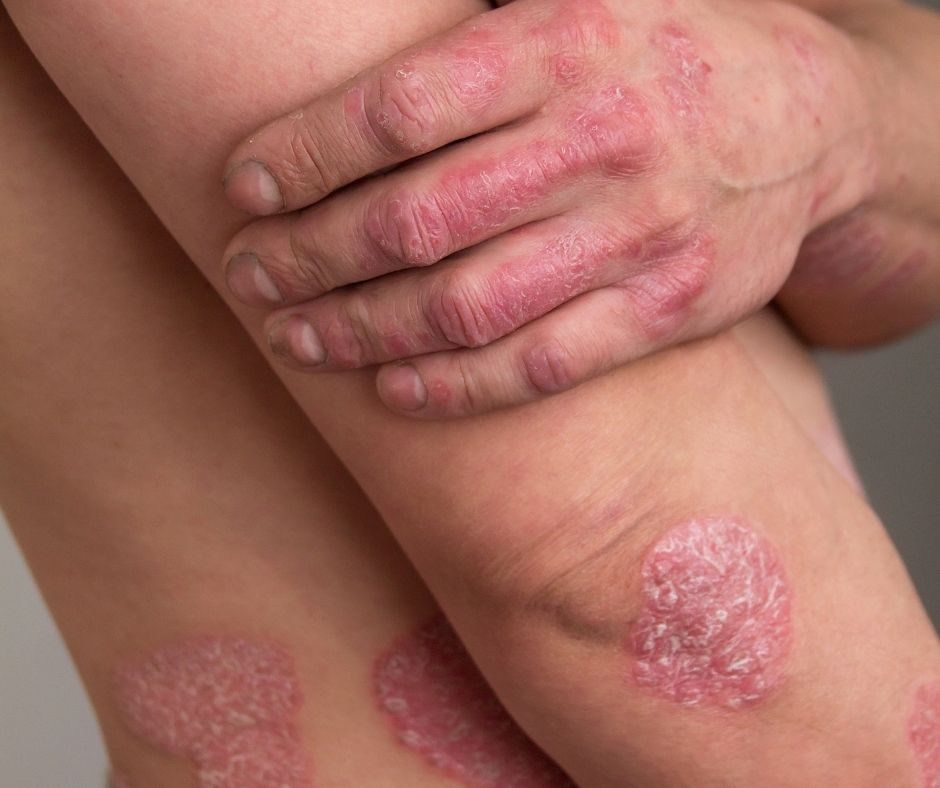
| Psoriasis | Strongly genetically determined |
Important Genetic Risk Factors
Genetic factors influence several crucial skin functions:
- The stability of the skin barrier
- The regulation of moisture balance
- Protection against external irritants
How to Address Genetically Caused Skin Sensitivity
Experts recommend the following steps if a genetic cause is suspected:
- Early diagnosis by a dermatologist: A professional assessment helps to proceed in a targeted manner.
- Use fragrance-free skincare products: Products focusing on moisture, such as those from natüür, are sensible.
- Document triggers: A skin diary can help identify individual triggers (see Section 8).
The daily care routine should cover these points:
- Mild, fragrance-free products
- Regular moisturizing with soothing ingredients (see Section 6)
- Consistent sun protection
Even if genetic predispositions cannot be changed, factors such as nutrition (Section 8) and stress management (Section 9) can alleviate their effects. Targeted management of triggers (Sections 1-9) can sustainably improve skin health.
Ingredient Guide
The selection of the right ingredients plays an important role, especially for sensitive skin. The right choice can prevent irritation and support the natural skin barrier.
As described in sections 4-6, there are ingredients that can be problematic. This guide presents alternatives and natural active ingredients that have proven effective.
Skin-Friendly Alternatives
| Problematic Substance | Mild Replacement |
|---|---|
| Chemical UV Filters | Mineral filters like zinc oxide |
| Drying Alcohol | Fatty alcohols (e.g., cetyl alcohol) |
Recommended Ingredients
| Function | Active Ingredient | Benefit |
|---|---|---|
| Moisturizing | Hyaluronic Acid | Retains moisture without irritating the skin |
| Soothing | Aloe Vera | Reduces inflammation and redness |
Skin-Friendly Preservatives
For sensitive skin, the following preservatives are a good choice:
- Phenoxyethanol
- Sodium Benzoate
- Potassium Sorbate
Natural Active Ingredients
In addition to the ingredients mentioned above, plant extracts, such as those from Neem, offer special properties:
- Anti-inflammatory: Contains Nimbin and Nimbidin
- Antioxidant: Provides Quercetin
- Antibacterial: Thanks to Azadirachtin
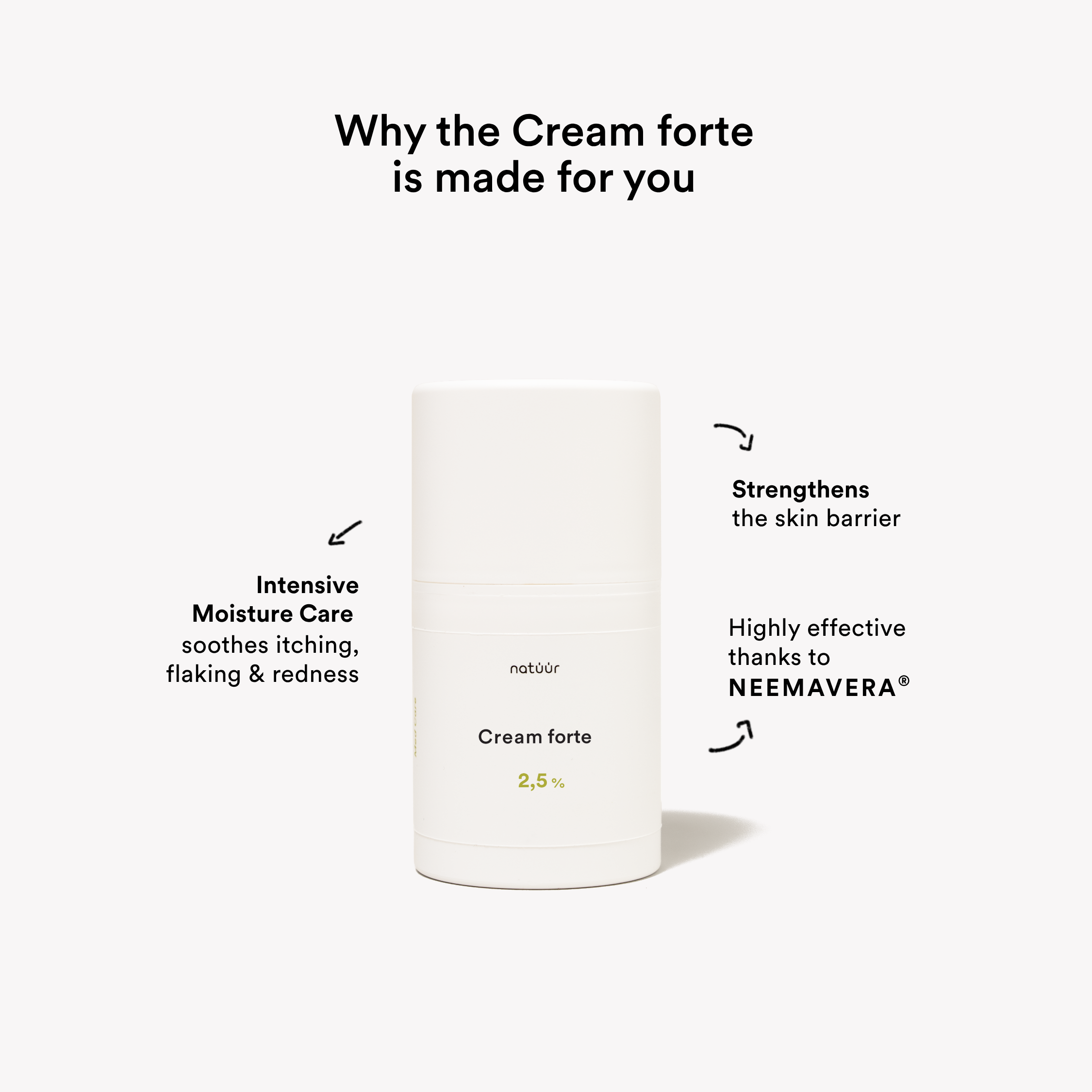
natüür utilizes these benefits in its NEEMAVERA® active ingredient complex. This is obtained from the leaves of its own neem trees and processed into dermatologically tested formulas. Parabens and synthetic fragrances are deliberately avoided.
Next Steps
Once triggers have been identified, a clear plan is essential. Here are measures that can help improve the situation:
Immediate Measures for Everyday Life
| Area | Measure | Effect |
|---|---|---|
| Skin Cleansing | Use lukewarm water | Reduces additional irritation |
| Product Choice | Fragrance-free products | Reduces the risk of irritation |
| Environmental Protection | Broad-spectrum sunscreen | Protects against UV-related irritation |
Long-term Strategy
A 3-phase plan can help optimize skin care in the long term:
1. First Week
Limit your care to the essentials: gentle cleansing, moisturizing, and sun protection.
2. Second Week
Introduce new products individually and gradually to better understand reactions.
3. Third Week
Be consistent with your routine and document skin reactions in a diary to identify patterns.
Natural Alternatives
If you prefer irritant-free, natural options, it's worth taking a look at the ingredient guide. As described there, natüür offers dermatologically tested care products with the patented NEEMAVERA® active ingredient complex from neem leaves. These vegan products are free of parabens, silicones, and artificial dyes.
As already mentioned in section 6, ingredients such as ceramides and hyaluronic acid contribute to sustainably strengthening the skin barrier. Always implement changes gradually and note your skin's reactions.
FAQs
What makes skin sensitive?
Sensitive skin arises when several factors interact: A weakened skin barrier, aggressive ingredients (see sections 4-6), and genetic predisposition (section 10) increase sensitivity to irritants. If the skin barrier is damaged, irritants and allergens can penetrate more easily [1].
Which ingredients should be avoided for sensitive skin?
The following substances are considered common triggers of skin irritations [3][5]:
- Alcohol: Can dry out the skin and impair its protective function.
- Synthetic fragrances: Often trigger allergies.
- Sulfates: Attack the natural skin barrier.
- Preservatives: Especially parabens are suspected of being problematic.
- Alpha and Beta Hydroxy Acids (AHA/BHA): Can overwhelm sensitive skin.
Instead, pH-neutral products with natural active ingredients like Niacinamide or care products with the NEEMAVERA® active ingredient complex from neem leaves are recommended. For further tips and product recommendations with soothing ingredients, take a look at our ingredient guide or try sustainable alternatives like NEEMAVERA®-based care products.