






EU Fragrance Regulation 2026: What's coming to your label
What's actually behind "Parfum" on the label?
If you turn over a cosmetic bottle and read the ingredients, one word almost always appears: Parfum. Sounds harmless – but it hides a small black box. Behind this one term, theoretically dozens of individual substances can be hidden: Limonene, Linalool, Geraniol, Citral. Names that many people read for the first time, even though they have always been present in lavender oil, citrus peels, and rose petals.
As of July 31, 2026, the hiding game will end. Then, more than 80 of these fragrances will have to be listed individually on the label – instead of being concealed behind the collective term "Parfum."
Behind the change is the new EU Fragrance Regulation 2026 (officially: Regulation (EU) 2023/1545). It sounds like bureaucracy – but it is primarily good news for everyone with sensitive skin.
What exactly is changing? From 26 to over 80
In short: The list of fragrance substances that must be listed individually on the label is being extended.
- Before: 26 declarable fragrance substances.
- From July 2026: over 80.
This means that 56 additional fragrances and substance groups are being added. You'll recognize them at a glance – instead of interpreting the word "Parfum" at random.
By the way, they only need to be declared above a small threshold: 0.001% in creams, serums & co., 0.01% in anything you wash off (shower gel, shampoo). Even tiny amounts will therefore become visible.
Why, you ask? So labels are finally honest.
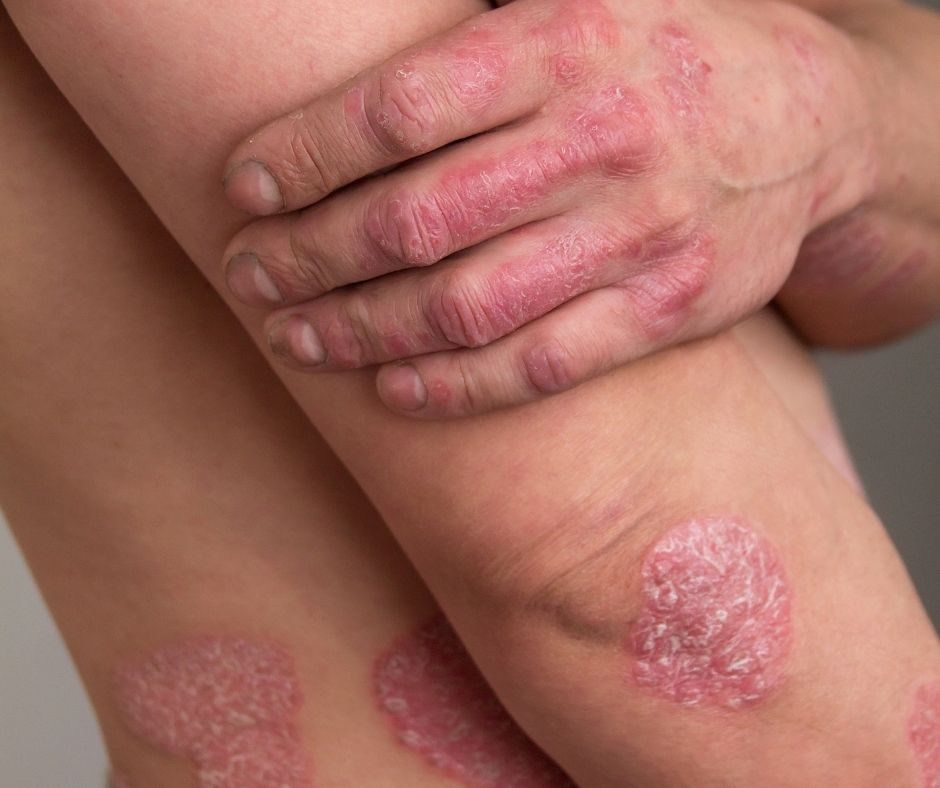
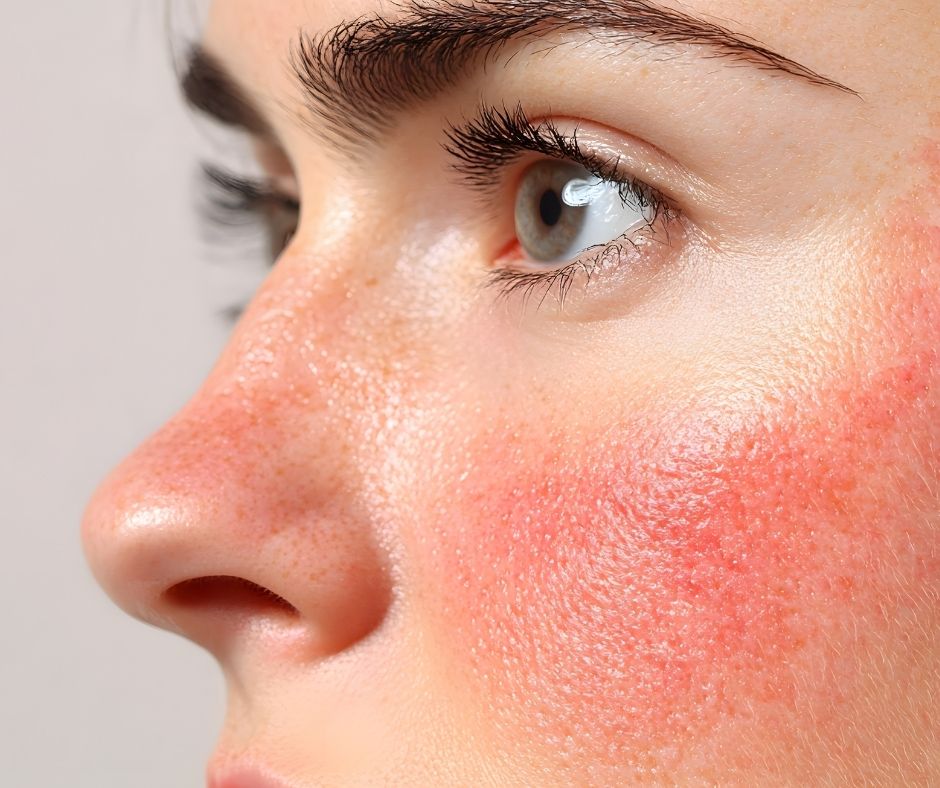
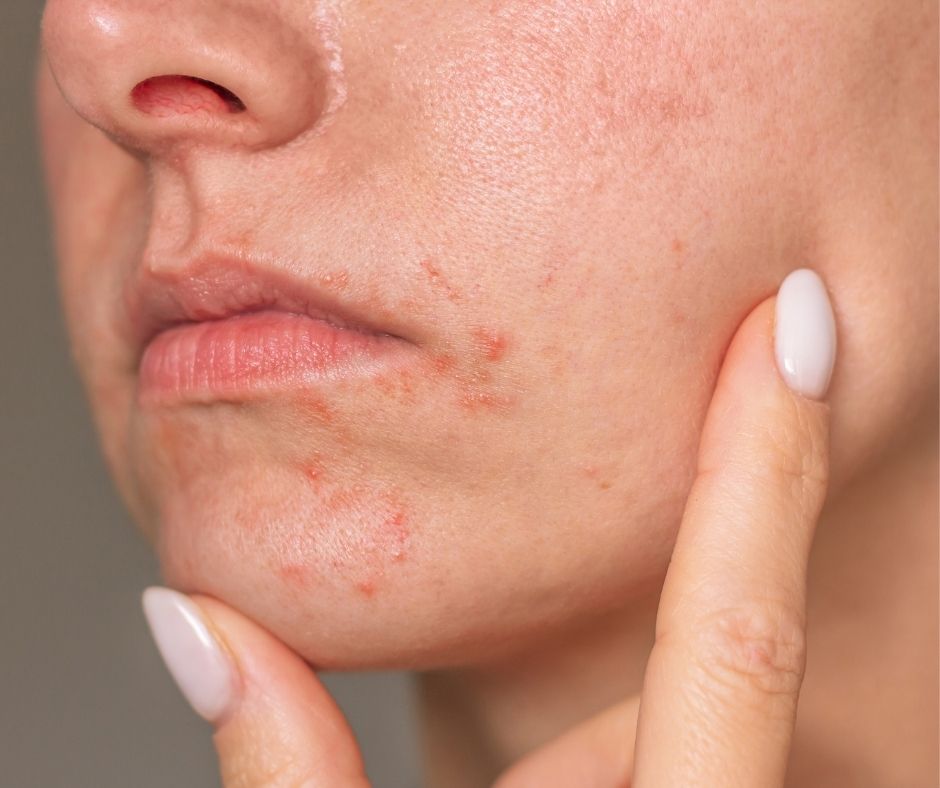
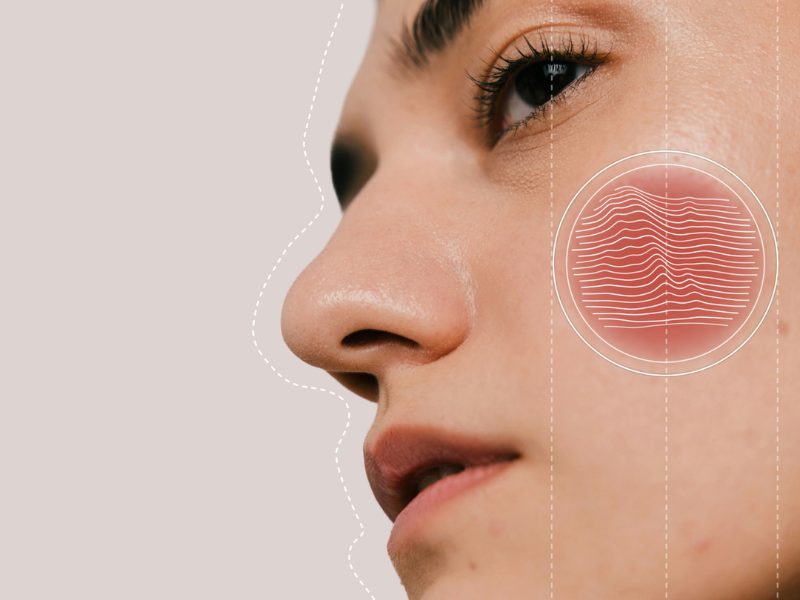
Around 1 to 3 out of 100 people react allergically to certain fragrances. That sounds like a small number, but it's millions of people. Those affected know the drill:
- Buy a new product.
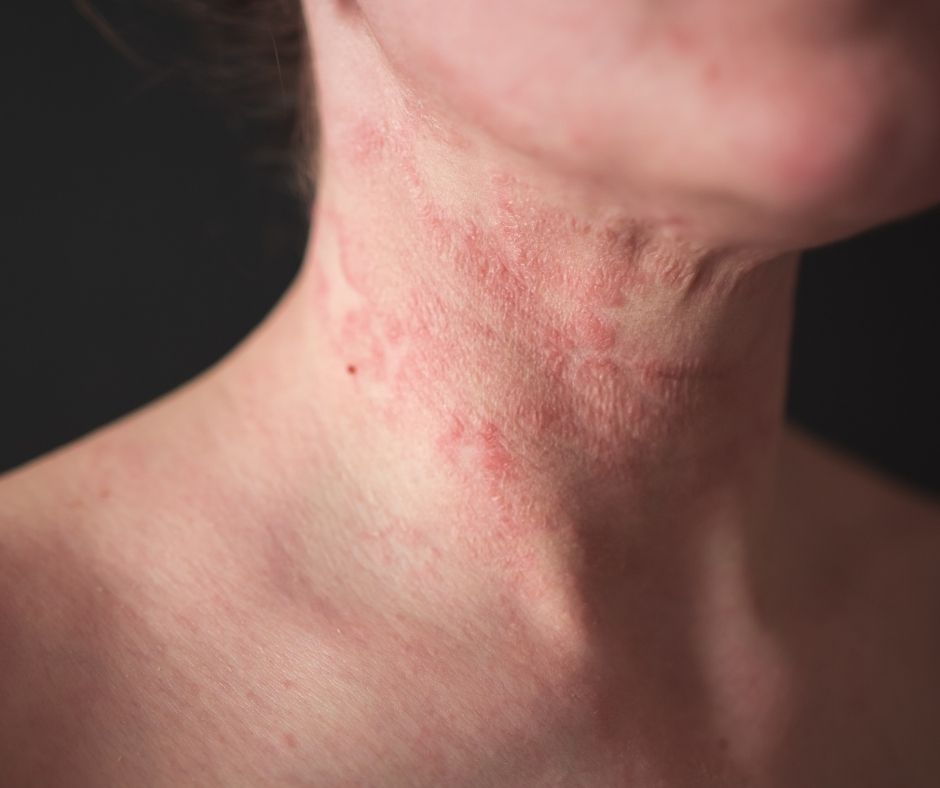
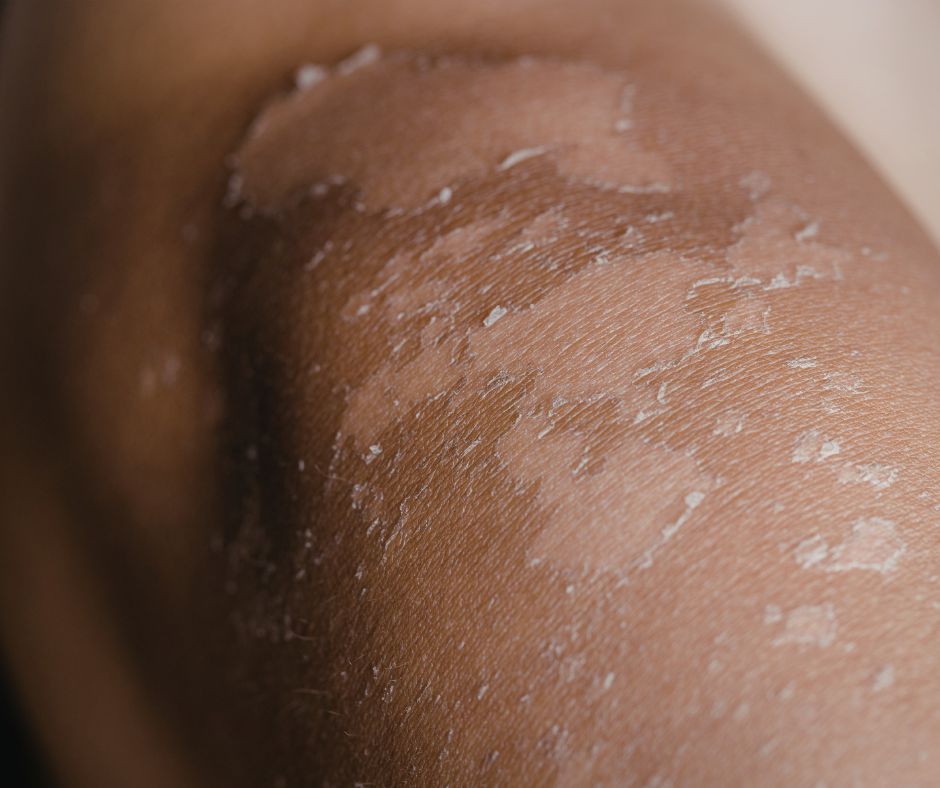
- Three days later, it's itching, burning, or flaking.
- The label says "Parfum" – nothing specific.
- Which of the hundred possible aromatic oils was it now?
This new regulation puts an end to that guessing game. If the relevant allergens are listed by name, you can specifically avoid what your skin doesn't like – instead of testing blindly once again.
"But 'natural' automatically means skin-friendly, doesn't it?" – not quite.
One of the most common misunderstandings surrounding fragrances.
The truth is: Most of the allergens that now require declaration are completely natural in origin.
- Limonene → comes from citrus peels.
- Linalool → a classic component of lavender oil.
- Geraniol & Citronellol → found in rose and geranium oil.
- Citral → typical for lemongrass.
Essential oil sounds gentle – but it can irritate just as much as a synthetic fragrance. "Natural" and "tolerable" are simply not the same.
This is what your label will look like from 2026 onwards
A brief comparison of how the INCI list will change:
| Classic product with fragrance | natüür care (fragrance-free) |
|---|---|
| Aqua · Glycerin · Parfum | Aqua · Glycerin |
| Limonene · Linalool | Coco-Glucoside · Panthenol |
| Geraniol · Citral | Bisabolol · Tocopherol |
| … individually listed | Nothing to add |
For fragrance-free products, the list remains exactly as it is – no additional allergen tail at the end.
When must this be implemented?
The timeline in brief
- Since August 16, 2023: The regulation is officially in force.
- From July 31, 2026: All new products must bear the extended list.
- By July 31, 2028: Even existing stock on shelves must be relabeled.
This means: the change will be visible in 2026, and by 2028, it will be fully implemented everywhere.
And for natüür? Actually: already done.
Most of our skincare products are completely fragrance-free – and not because a regulation came into force in 2023, but because chronically stressed and sensitive skin simply doesn't need fragrances.
In our current range, you will find 6 out of 10 products without any fragrance – including our classics:
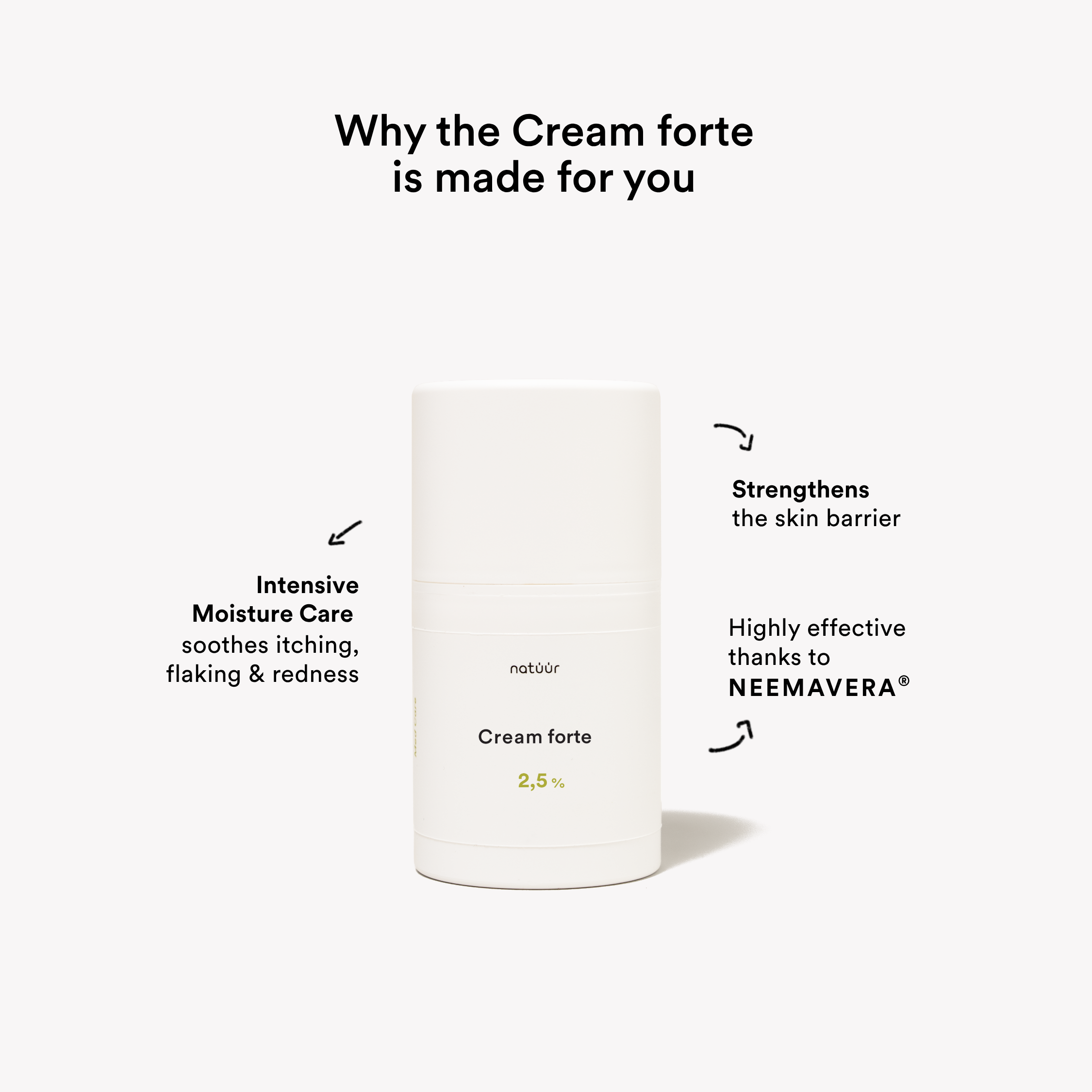
- Cream forte – intensive care for acute flare-ups.
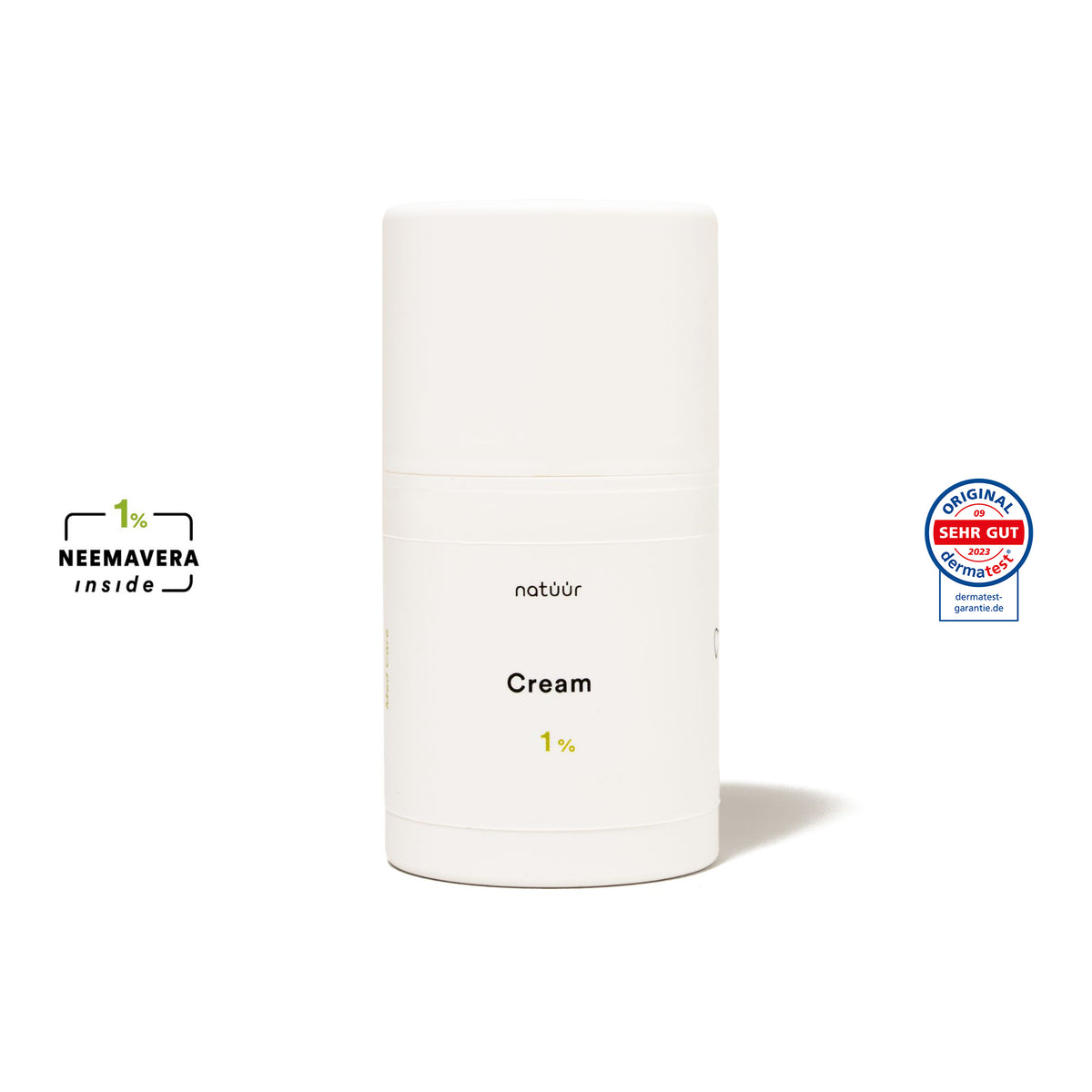
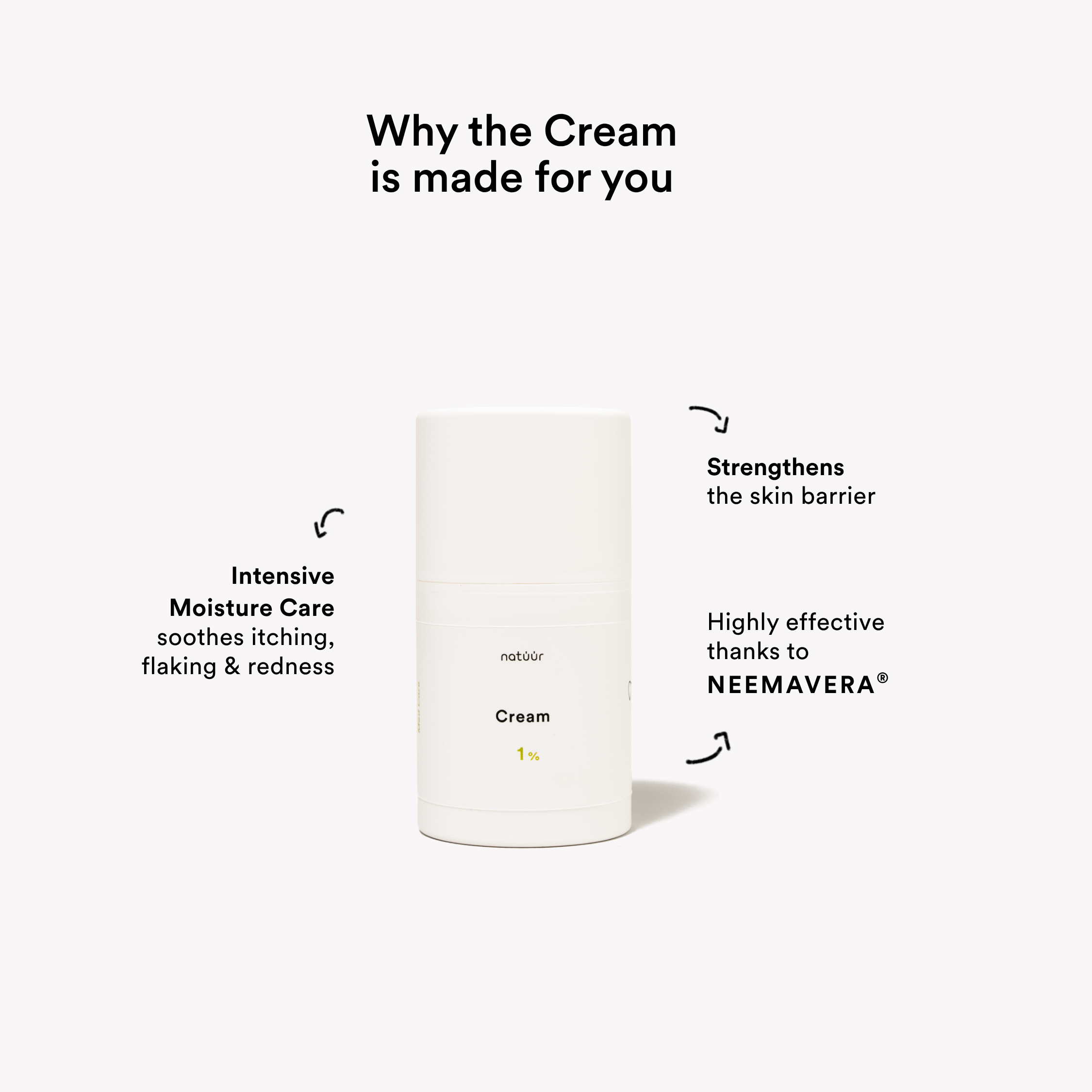
- Cream – your daily driver for sensitive skin.
- Skin Balm – rich for particularly dry areas.
- Scalp Tonic – light and suitable for everyday use.
Want to see the full selection? Head over to Med Care (medically inspired) and Essentials (suitable for everyday use). Or let our product advisor show you in 2 minutes what suits your skin.
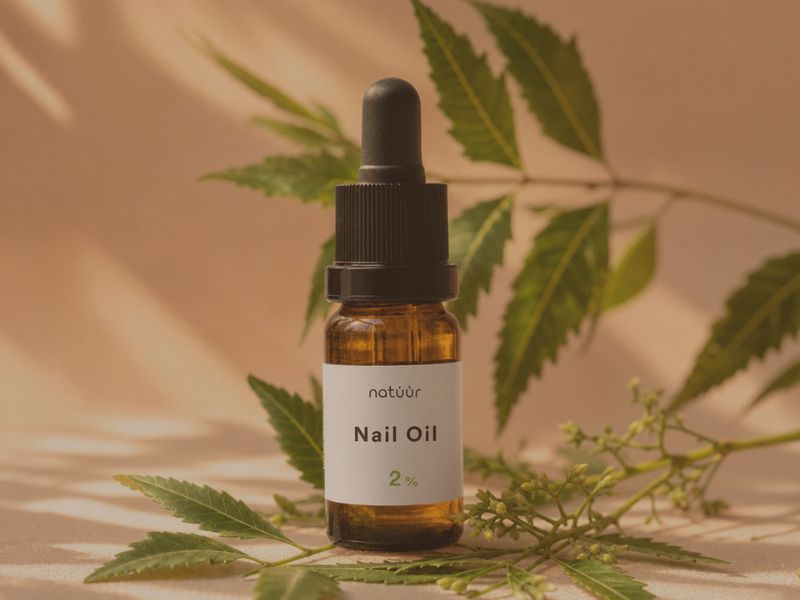
By the way, the basis of all natüür products remains unchanged: our active ingredient complex NEEMAVERA® from fresh neem leaves. And even for the few products with subtle fragrance notes, we know every ingredient – and name it.
FAQ: The most important questions at a glance
Do I have to replace all my products now?
No. What you tolerate well, you can continue to use. The regulation only changes the labels, not the products themselves.
What are Limonene, Linalool & Co.?
These are naturally occurring components of essential oils (e.g., from lavender, lemon, rose). They smell good – but can cause skin reactions in some people.
Does "fragrance-free" automatically mean "no fragrances"?
Not always. Some products use essential oils as "aromas" and still write "fragrance-free" on the front. An honest look at the label (much easier from 2026!) will tell you the truth.
Are natural fragrances more skin-friendly than synthetic ones?
Not necessarily. Your skin reacts allergically to the individual molecule – not to its origin. Even lavender oil can be irritating.
What specifically does natüür do?
We formulate the majority of our products to be completely fragrance-free. For the few products with fragrance, we will adjust the labels by July 2026. You don't have to do anything.
Conclusion: Longer list, shorter guessing game
At first glance, the new labels from 2026 may seem confusing – but in fact, they make life easier for sensitive skin. Instead of guessing what's behind "Parfum," you'll have it in black and white. And with natüür, you can save yourself the stress anyway: most of our products already declare their ingredients on the packaging without any hiding games.