





Bar Soap or Liquid Soap: Which Suits Your Skin?
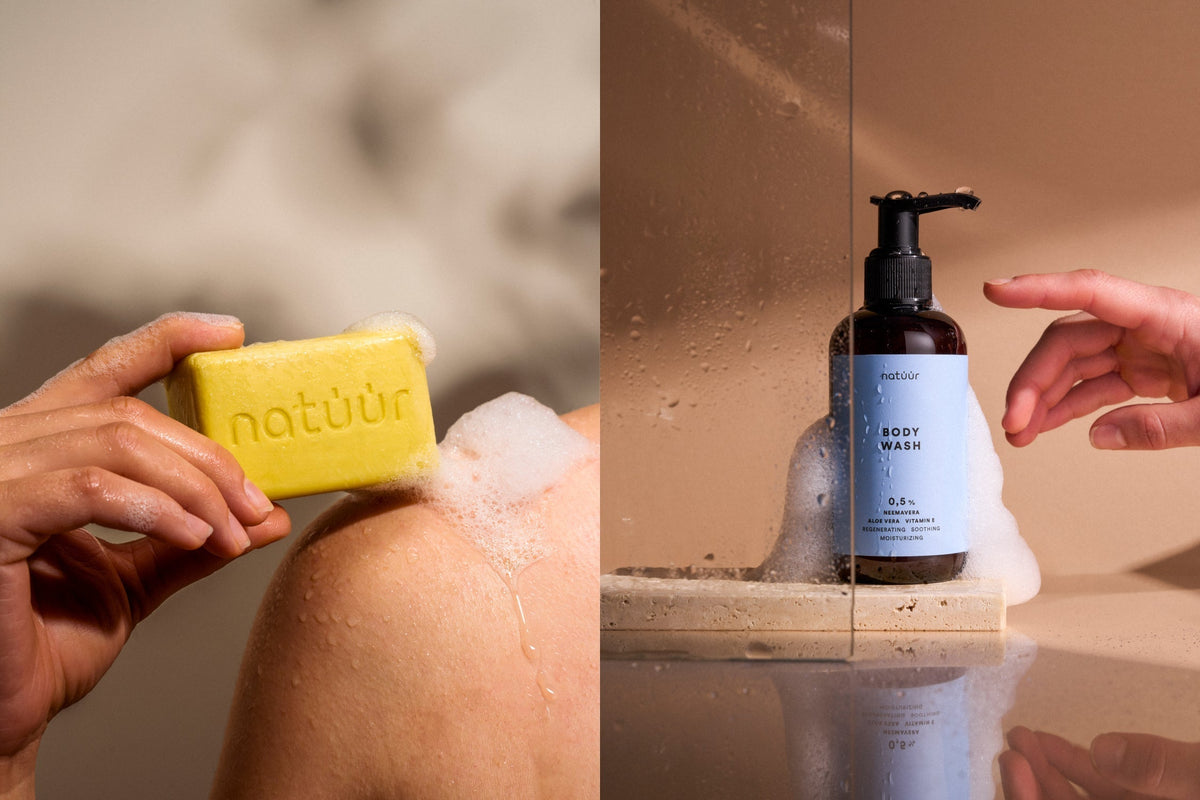
Whether a bar of soap or liquid soap suits sensitive skin better depends not primarily on the form but on the formula. A fragrance-free, mild bar of soap can be just as skin-friendly as a pH-skin-neutral liquid cleanser. Three factors are decisive: ingredients, pH value and how minimal or caring the formulation is. At natüür you get both: the solid, fragrance-free Solid Soap (Med Care) and the pH-skin-neutral Body Wash (Essentials).
The key points at a glance:
- Classic bar soap is alkaline (pH around 9 to 10), but often gets by with few ingredients and without preservatives.
- Liquid soap and shower gel are usually syndets: they can be made pH-skin-neutral, but need preservatives and often contain fragrance.
- With dry skin, mild surfactants, re-greasing ingredients, short lukewarm washing and moisturising afterwards matter more than the form.
- If you are sensitive to fragrance, a fragrance-free soap is the calmer choice; if your skin barrier is severely disrupted, a pH-skin-neutral cleanser is the better option.
- Hygiene: a bar of soap that dries off properly is not a germ spreader.
Bar or liquid? A question that comes up surprisingly often in the shower in the morning
A bar of soap in your hand or a pump dispenser on the wall? What sounds like a matter of taste can actually make a difference for sensitive skin, just not in the way many people think. The honest answer is: it is not the form that decides, but the formulation.
A poorly balanced liquid soap can irritate just as much as a harsh bar of soap. And a well-thought-out bar of soap can feel gentler on sensitive skin than many a "sensitive" shower gel. Let's take a closer look.
What is the difference between bar soap and liquid soap?
At first glance: only the state, solid or liquid. At second glance: several adjustable factors in the formula.
Water content and preservation
Liquid cleansers contain a lot of water and therefore need preservatives so that germs do not grow after opening. Bar soap needs almost no water and can therefore often get by with a reduced ingredient list.
pH value
Classic soaps are alkaline (pH around 9 to 10) because they are made from fats and lye. A syndet-based liquid cleanser, on the other hand, can be formulated to be pH-skin-neutral, i.e. close to the skin's slightly acidic protective acid mantle. In healthy skin, this is on average even below pH 5, as a measurement study with 330 participants shows. The same study found that soaps, but even hard (calcium-rich) tap water, raise the skin's pH for a few hours. You can read more about this in our article on the pH value of the skin.
Cleansing agents (surfactants)
Liquid soaps often work with mild sugar- or amino-acid-based surfactants. Bar soaps are based on saponified plant oils. That is not automatically milder or harsher, but a question of selection.
| Classic bar soap | Liquid soap / shower gel (syndet) | |
|---|---|---|
| pH value | alkaline, around 9–10 | usually skin-neutral, around 5–5.5 |
| Water content | very low | high |
| Preservation | usually not needed | needed |
| Cleansing | saponified oils | synthetic, often mild surfactants |
| Fragrance | often, but also available fragrance-free | very often perfumed |
| Packaging | paper or none | usually a plastic bottle |
Laundry soap, natural soap, syndet: not every soap is the same
"Bar soap" is an umbrella term. For your skin, it makes a big difference which kind you are holding:
| Type | What it is | For sensitive skin |
|---|---|---|
| Laundry soap | Highly purified soap without caring extras, clearly alkaline | Too degreasing, better suited to household use |
| Natural and plant-based soap | Saponified plant oils, often with glycerin and some unsaponified oil left over | Can be a good fit if it is free from fragrances and essential oils |
| Syndet bar | Solid, but made from synthetic surfactants, pH-skin-neutral | A good choice for very irritated skin |
| Liquid soap / shower gel | Usually a syndet with lots of water and preservatives | Good if mild and ideally fragrance-free |
The interesting part: not every bar is alkaline. A syndet bar is solid and still pH-skin-neutral. A look at the ingredient list tells you: if it lists terms such as "Sodium Olivate" or "Sodium Cocoate", it is a classic soap.
Soap for dry skin: what matters
Dry skin already has too little fat and retains moisture poorly. Every cleanse also removes fats from the skin. That is why, with dry skin, it matters not only what you wash with, but also how:
- Choose a mild formula: no laundry soap, no strongly foaming sulphate surfactants, ideally without fragrances.
- Look for re-greasing ingredients: glycerin, plant oils or panthenol help your skin feel less tight after washing.
- Lukewarm instead of hot: hot water removes more fat from the skin.
- Wash briefly: a few minutes in the shower is enough. Not every part of your body needs soap every day.
- Pat dry gently: don't rub yourself dry.
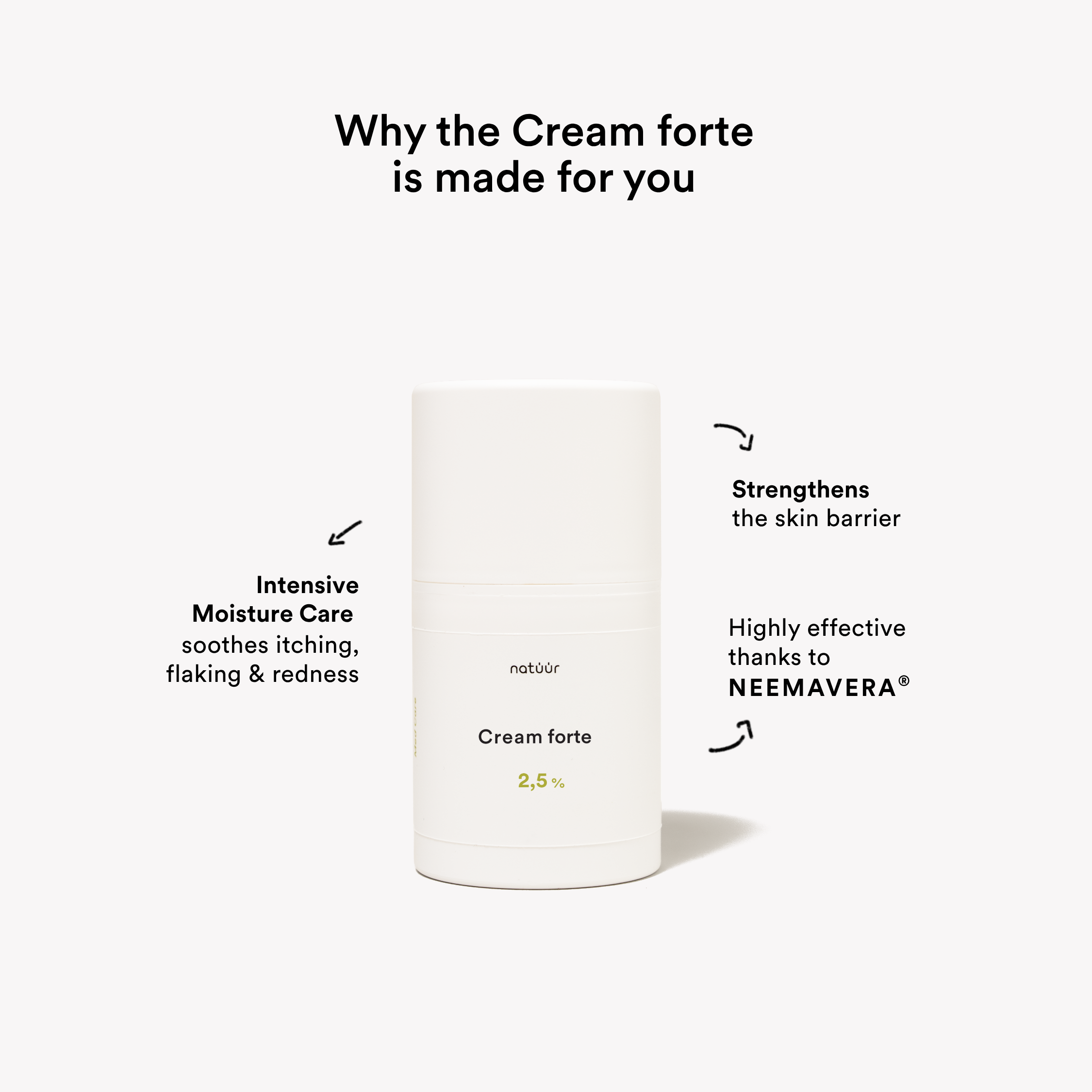
- Moisturise straight away: ideally while your skin is still slightly damp, for example with the light Body Lotion or, for very dry areas, with the richer Cream forte.
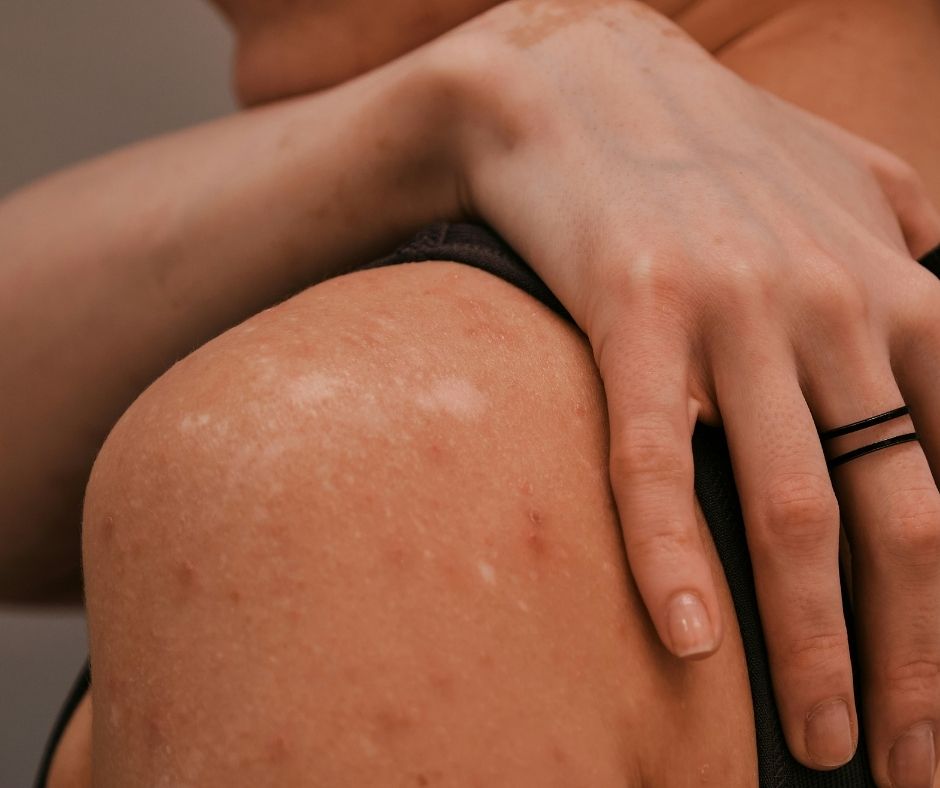
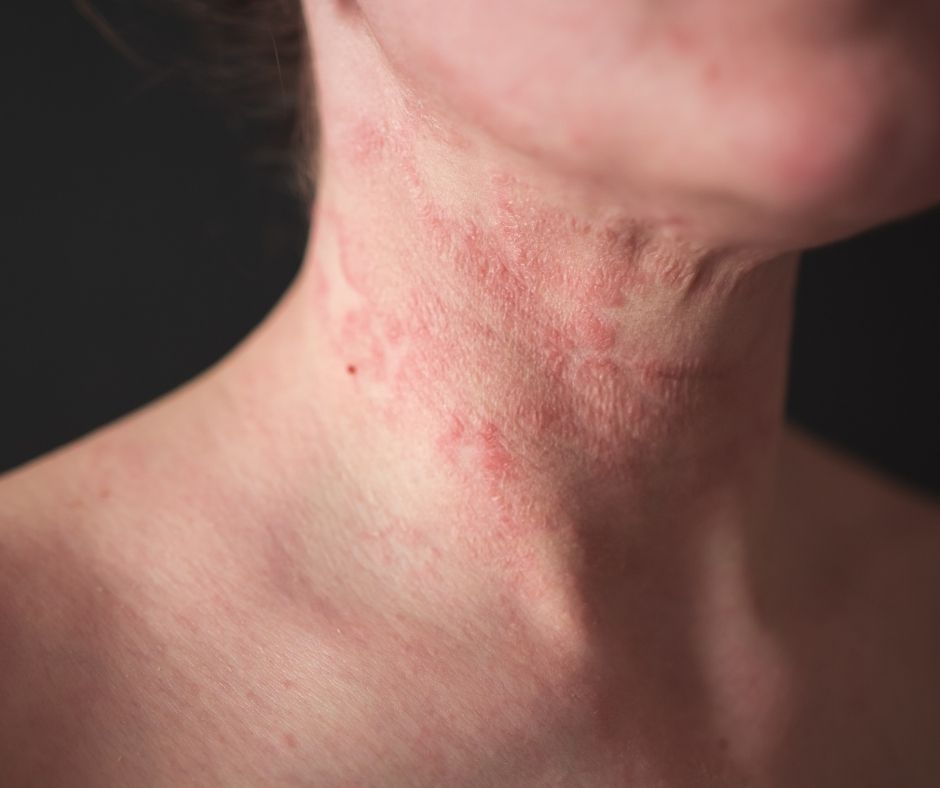
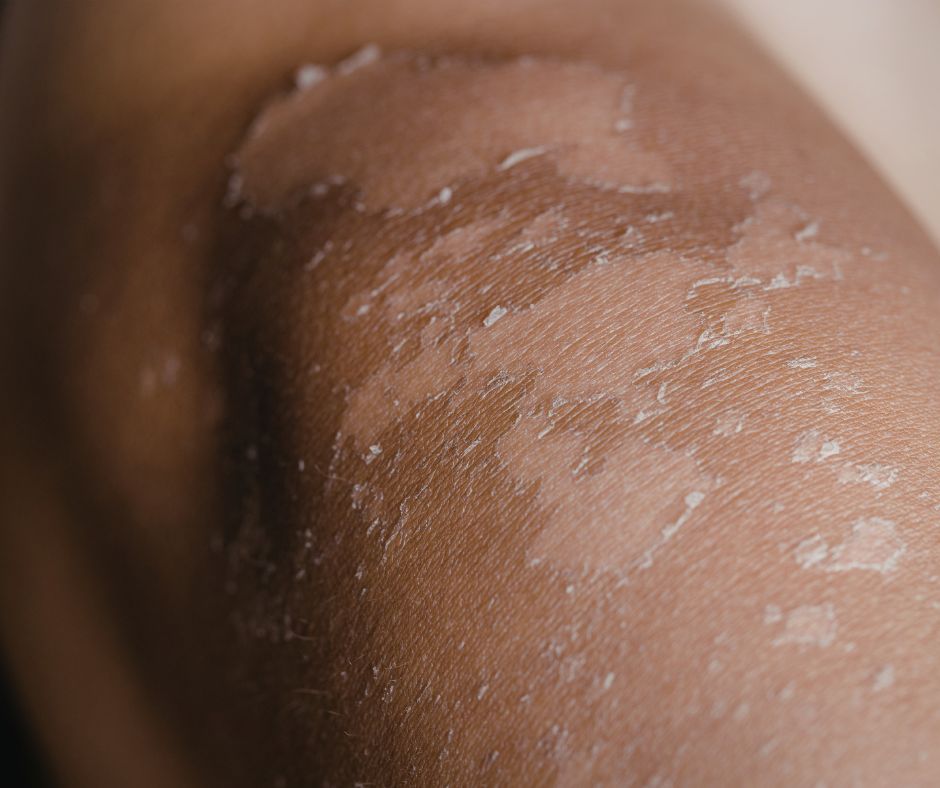
If your skin feels tight after every wash, itches or flakes, this can be a sign of a disrupted skin barrier. You can find out how to recognise it in our article on symptoms of a disrupted skin barrier.
Is bar soap better than shower gel?
Shower gel is essentially a liquid cleanser for the whole body, usually syndet-based and often more heavily perfumed than soap. Whether bar soap is better depends on what your skin is sensitive to:
- Bar soap scores with a short ingredient list, no preservatives and often no plastic packaging. If it is available fragrance-free, it is a good choice if your skin reacts to fragrances.
- Shower gel scores with a skin-neutral pH value and usually very mild surfactants. It is the better choice if your skin reacts to alkaline cleansing with tightness or redness and you tolerate fragrance well.
For very sensitive skin: better a mild shower gel without fragrances than a heavily perfumed soap, and vice versa.
Three little myths that are hard to shake
Myth 1: "Bar soap always dries out the skin."
This is mainly true of classic laundry soap. Modern bar soaps with plant oils and glycerin cleanse much more gently because they draw less fat from the skin. They are still alkaline, though. Healthy skin restores its acidic pH on its own within a few hours afterwards; very irritated skin takes longer.
Myth 2: "Liquid soap is more hygienic."
A used bar of soap transfers hardly any germs. In a study, 16 people washed with bars of soap that had been deliberately heavily contaminated with bacteria. Afterwards, the test bacteria could not be detected on a single hand. Conversely, open, refilled soap dispensers can become contaminated, as an investigation at a school showed. With bar soap, the only important thing is to let it dry off properly after use, ideally in a soap dish with drainage.
Myth 3: "Natural automatically means skin-friendly."
Essential oils in natural soaps can also irritate sensitive skin. More important than the label "natural" is the actual INCI list, i.e. the ingredient list, especially when it comes to fragrances. You can learn how to read it in our article how to recognise harmful ingredients.
Soap for atopic dermatitis, psoriasis and very sensitive skin
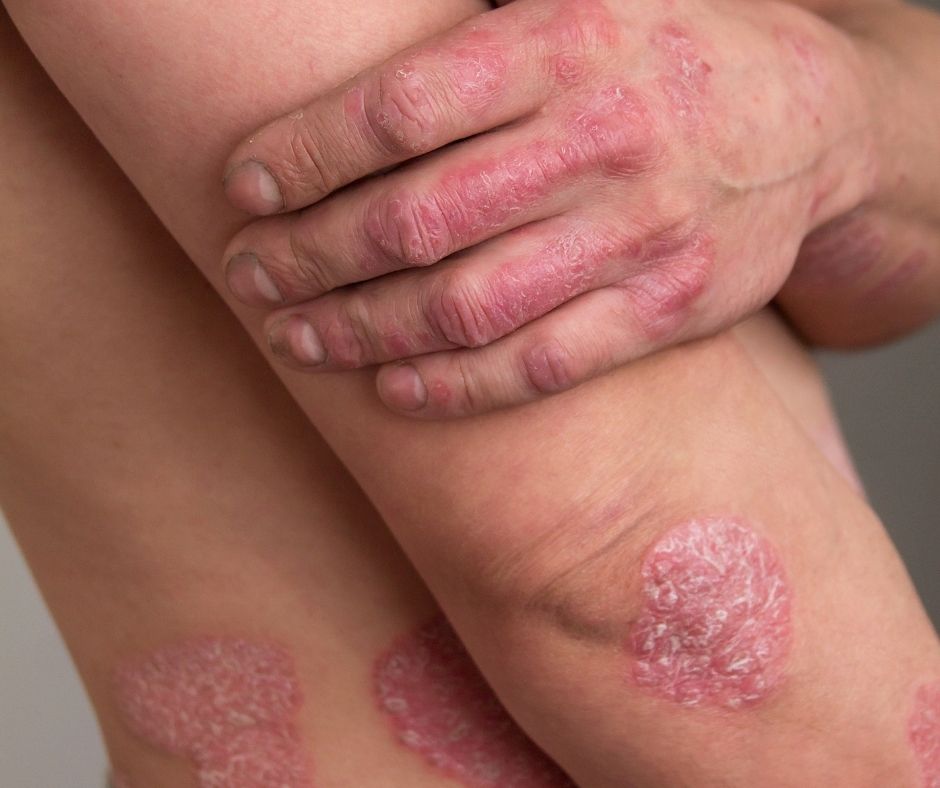
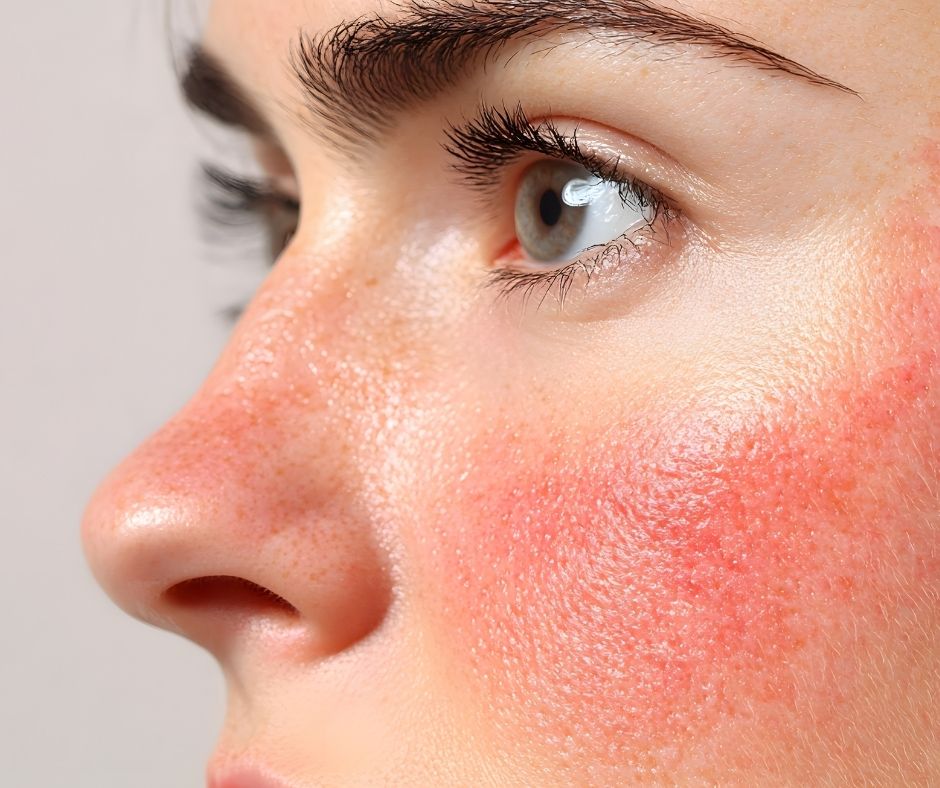
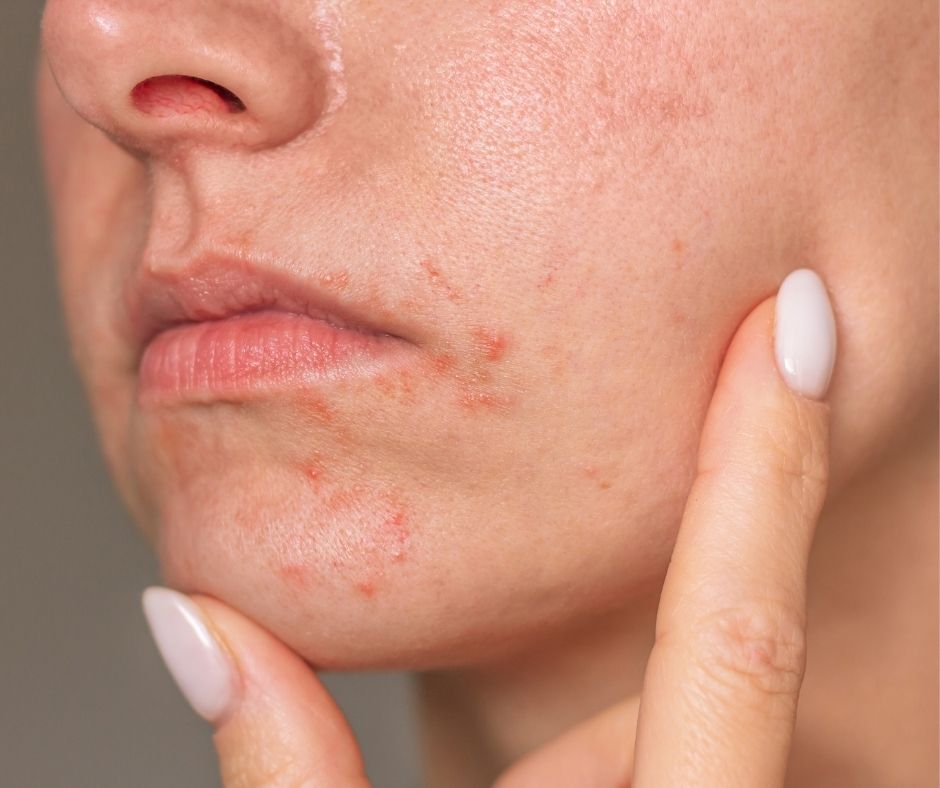
With atopic dermatitis, psoriasis or rosacea, the skin barrier is often already weakened. Every cleanse is then a small intervention. Dermatology papers therefore recommend cleansing products with a slightly acidic to neutral pH value, mild surfactants and as little residue as possible for skin that is prone to irritation. Fragrances are among the most common triggers of contact allergies and are an additional risk for sensitive skin.
This leads to a few simple rules:
- Avoid: laundry soap, heavily perfumed products, exfoliating particles and very hot water.
- Reacting to fragrances? Then a completely fragrance-free cleanser is the most important step.
- Does your skin feel tight and burn after alkaline soap? Then switch to a pH-skin-neutral cleanser.
- New product? Test it on a small area first. You can read how in our article on the patch test.
If you are under a dermatologist's care, it is best to discuss your cleansing routine with them. Especially during acute flare-ups or with weeping areas, an individual recommendation makes sense.
What the two natüür options look like
At natüür, we deliberately decided to offer both worlds, because different skin days need different cleansing.
| Solid Soap (Med Care) | Body Wash (Essentials) | |
|---|---|---|
| Form | solid | liquid |
| Type | classic soap made from plant oils | syndet with sugar surfactants |
| pH value | alkaline | pH-skin-neutral |
| Fragrance | completely fragrance-free | lightly perfumed |
| Suitable for | face & body | body |
| Care stars | 1 % NEEMAVERA®, glycerin, sea salt | 0.5 % NEEMAVERA®, glycerin, panthenol, inulin, aloe vera |
| Ideal for | fragrance-sensitive, dry, flaky skin | dry skin with a disrupted barrier, if you tolerate fragrance |
Solid Soap: the solid, fragrance-free option
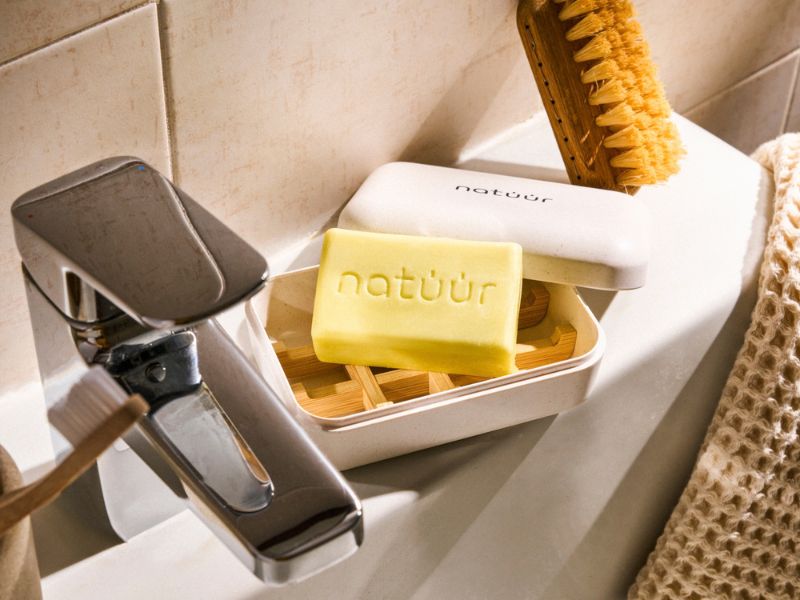
Our Solid Soap is a solid face and body soap for skin that tolerates little irritation. With 1 % NEEMAVERA® (our active complex made from neem leaves), sea salt, glycerin and caring plant oils. Completely free from fragrances, including essential oils. The ingredient list comprises just nine ingredients. As a true soap, it is alkaline.
Recommended if you …
- react sensitively to fragrances,
- live with psoriasis, atopic dermatitis, rosacea or eczema and want to avoid fragrances,
- are looking for a minimal, honest formula without preservatives,
- want to cleanse your face and body with one product.
Body Wash: the mild liquid routine
The Body Wash is the liquid option for the whole body. pH-skin-neutral, sulphate-free, with mild sugar surfactants and caring ingredients such as 0.5 % NEEMAVERA®, glycerin, panthenol, inulin and aloe vera. Lightly perfumed, for a pleasant moment in the shower.
Recommended if you …
- prefer a classic shower routine,
- like a light fragrance and tolerate it well,
- have dry skin that feels tight after alkaline soap,
- want care while you shower.
Which cleanser suits which skin condition?
Instead of a one-size-fits-all answer, a short self-check helps:
Does your skin react to fragrances?
→ Then the Solid Soap is the calmer choice: fragrance-free, a short ingredient list, no preservatives. Especially if you live with psoriasis, atopic dermatitis or rosacea and want to avoid fragrances, it is a good place to start.
Does your skin feel tight after soap, but tolerate fragrance?
→ Then the Body Wash is for you: pH-skin-neutral, mild surfactants, a gentle fragrance. Perfect for an everyday routine that simply makes you feel good.
Does your skin switch between calm and irritable?
→ Then combine both: the Solid Soap for sensitive phases and areas, the Body Wash for everyday use. And whatever you wash with: moisturise afterwards, for example with the Body Lotion.
If you are unsure, our product advisor will help you in two minutes. Or browse Med Care and Essentials directly.
Frequently asked questions
Which is better, bar soap or liquid soap?
Neither is fundamentally better. Bar soap often has fewer ingredients and no preservatives, but is alkaline. Liquid soap is usually pH-skin-neutral, but contains preservatives and often fragrance. What matters is what your skin is sensitive to.
Which soap is good for dry skin?
A mild, fragrance-free soap with re-greasing ingredients such as glycerin or plant oils, or a pH-skin-neutral body wash. You should avoid laundry soap. Wash briefly and with lukewarm water, and moisturise straight afterwards.
Is soap alkaline?
Classic soap, yes: it usually has a pH value of around 9 to 10. Syndets, i.e. cleansing bars, liquid soaps and shower gels made from synthetic surfactants, on the other hand, can be made pH-skin-neutral.
Is bar soap hygienic?
Yes. Studies show that a used bar of soap transfers hardly any germs during washing. The only important thing is that it can dry off properly after use.
Is bar soap better for the environment?
Usually, yes: it needs no plastic bottle, is lighter to transport and lasts a long time. How good its footprint really is, however, also depends on the ingredients and where they come from.
Can you make liquid soap from a bar of soap?
Yes, grated and dissolved in hot water, it turns into a liquid soap. Because it lacks preservatives, though, it only keeps for a short time and should be used up quickly. For sensitive skin, a ready-made, mild product is the safer choice.