





Understanding the Skin Barrier: Transepidermal Water Loss Simply Explained
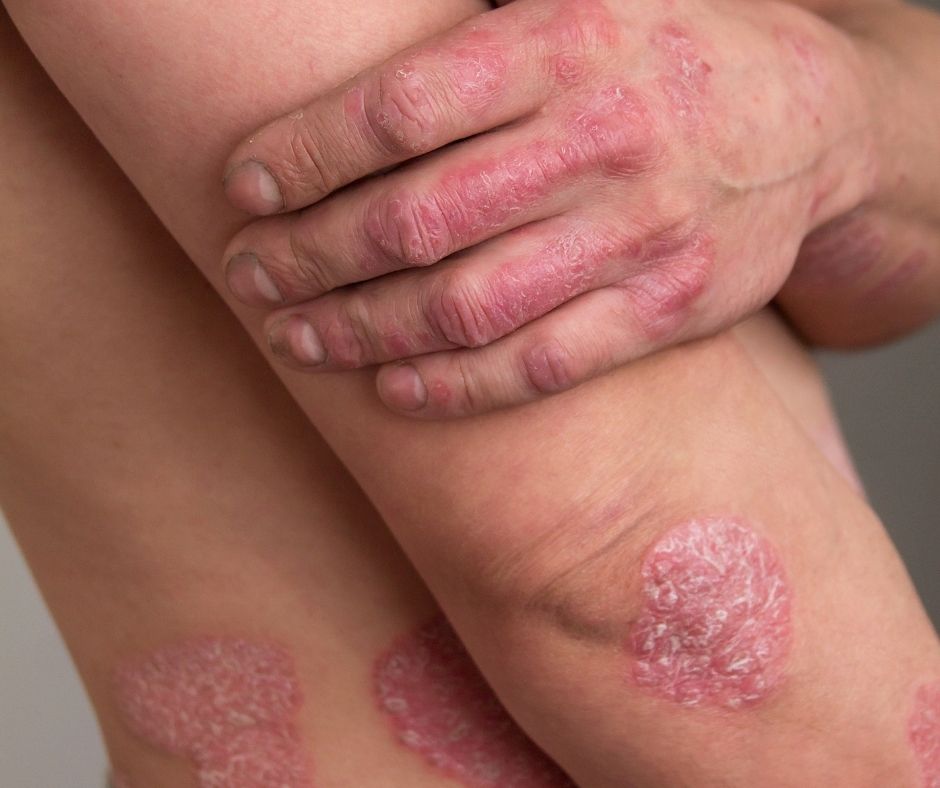
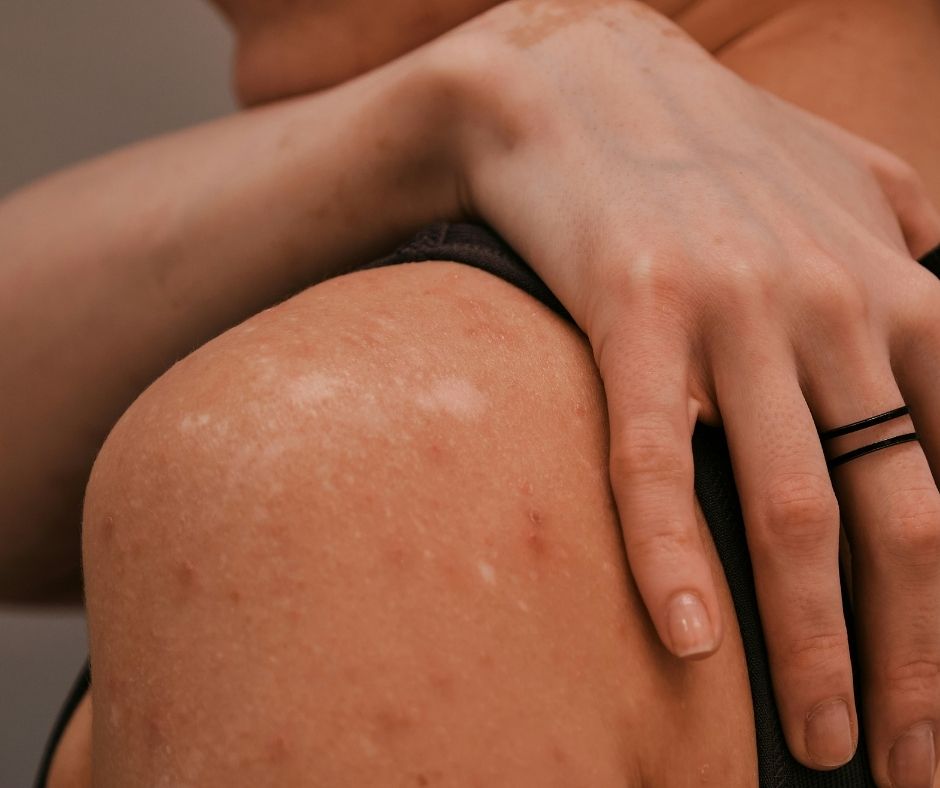
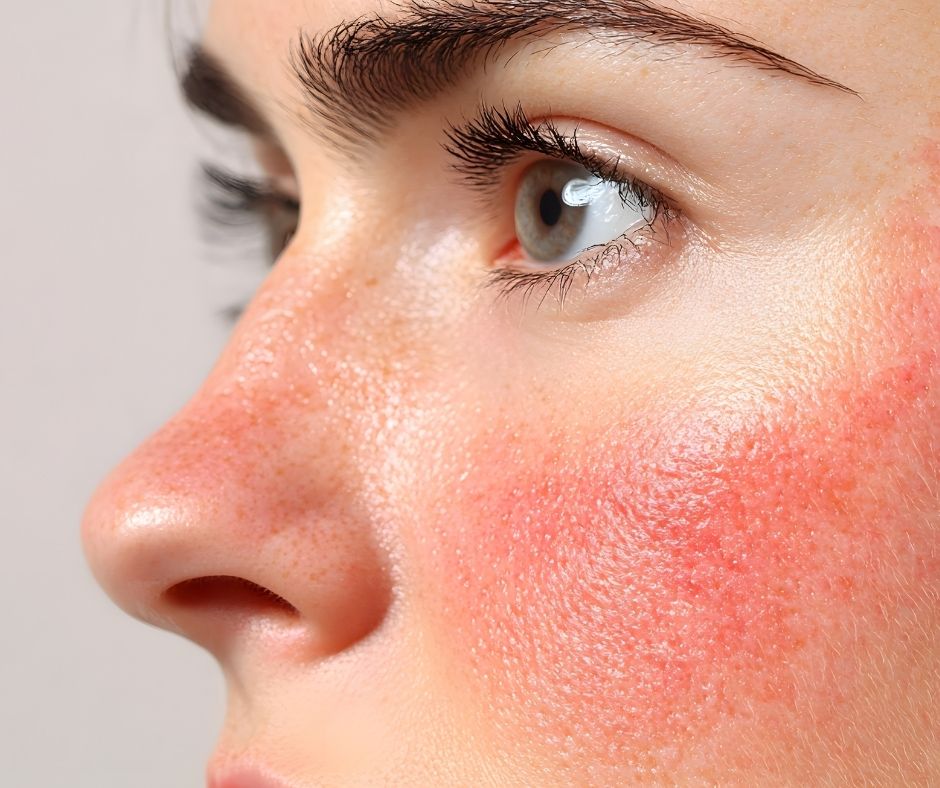
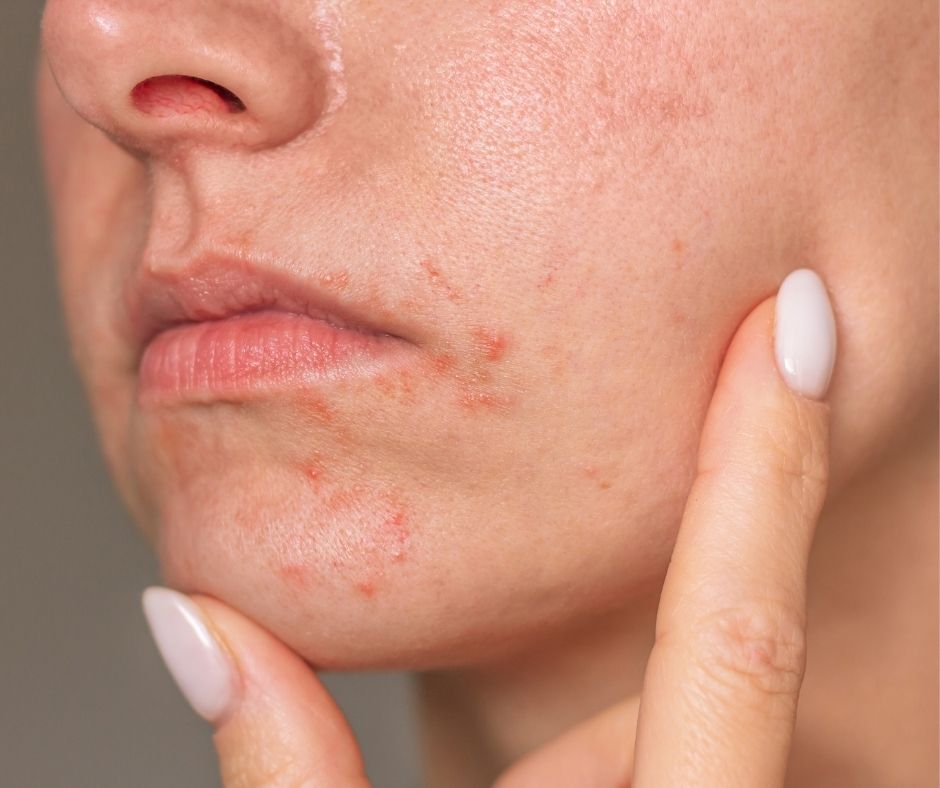
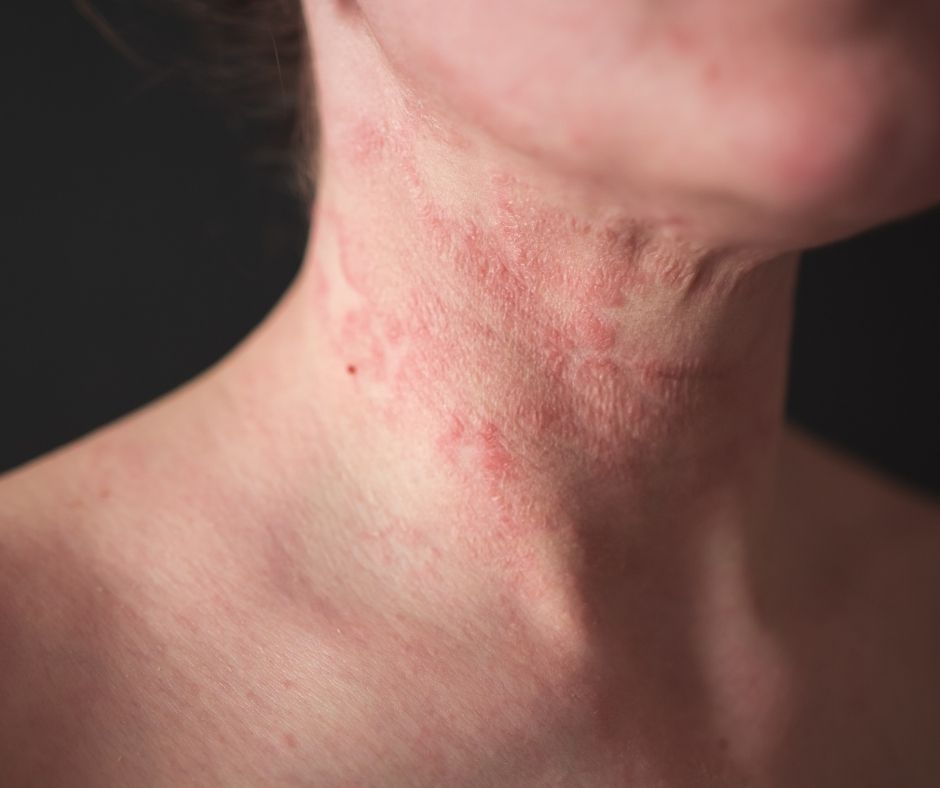
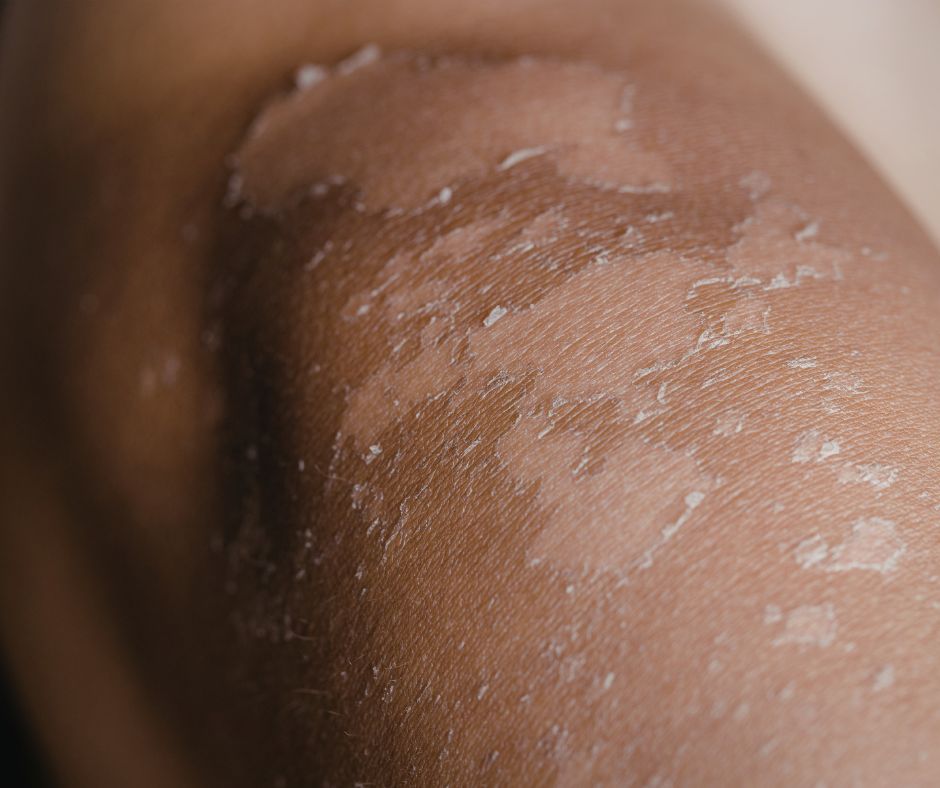
A healthy skin barrier keeps moisture in and irritants out. If it is damaged – as is often the case with atopic dermatitis, psoriasis or very sensitive skin – water constantly evaporates through the skin's surface (transepidermal water loss, TEWL for short). At the same time, irritants, allergens and bacteria get in more easily and trigger new inflammation. The result is a vicious circle of dryness, itching and irritation. Skincare only helps if it supports the barrier itself – rather than just adding moisture on top. That is exactly what our Med Care line was developed for.
How to tell in everyday life that your skin barrier is impaired – for example by overly aggressive skincare – is something we show you in Impaired skin barrier: 5 signs and what helps now.
Picture a sponge with cracks
An intact sponge holds on to water. A sponge with cracks? Simply lets it run through.
That is exactly how the skin works for many people with atopic dermatitis, psoriasis or permanently sensitive skin. The outermost protective layer – the skin barrier – is impaired. Moisture constantly escapes. And at the same time, irritants get in through the fine cracks and make everything even worse.
Applying cream alone is often not enough. You need skincare that really closes the cracks.
What actually is the skin barrier?
The skin barrier is the top layer of the skin – roughly as thin as a piece of cling film. Even so, it does two huge jobs:
- It keeps moisture in.
- It keeps irritants, bacteria and allergens out.
It consists of skin cells (corneocytes) and a lipid layer in between – with substances such as ceramides, cholesterol and free fatty acids. These lipids work like a natural glue that holds the cells together and fills the tiny gaps. If this layer breaks up, exactly the cracks from our sponge metaphor appear: water escapes, irritants get in.
What happens when the skin barrier is damaged?
When the barrier no longer seals properly, the balance tips. Three things happen at the same time:
1. Transepidermal water loss (TEWL)
TEWL sounds like something out of a textbook – but it means something very concrete:
Water constantly evaporates from the skin to the outside. With an intact barrier, this is a normal, very quiet process. With a damaged barrier, it becomes much stronger.
Your skin feels it straight away: it seems dry, tight, rough, sensitive – or gets irritated more quickly. No matter how often you add water on top: if the sponge has cracks, it runs out again.
2. Irritants and allergens get in
A leaky barrier is not a one-way street. What can get out can also get in – just in the wrong direction. Irritants, allergens and bacteria make it through the layers of skin more easily and trigger inflammatory reactions there.
3. The vicious circle
This creates a cycle that many people know from their own experience:
- Loss of moisture due to increased TEWL.
- Dryness and a feeling of tightness.
- Irritation, redness, itching.
- Sensitivity – now even the smallest triggers set off a reaction.
And all of this makes the barrier even more permeable. The loop keeps turning.
Why are atopic dermatitis and psoriasis particularly affected?
Both atopic dermatitis (atopic eczema) and psoriasis have a genetic predisposition and go hand in hand with a misdirected immune response. The consequence is similar in both cases: the skin barrier is under chronic strain – the “sponge” permanently has finer cracks.
In concrete terms, this means for your skin:
- More transepidermal water loss – the skin dries out faster.
- Quicker irritation from external triggers.
- More frequent inflammation, which in turn weakens the barrier further.
That is exactly why skincare for these skin conditions helps most when it closes the cracks instead of just moisturising the surface.
What a damaged skin barrier really needs
A short checklist – this is worth its weight in gold for your skin:
- Mildly formulated. No aggressive surfactants, no drying alcohols.
- A pared-back INCI list. The lower the potential for irritation, the better.
- Suitable for everyday use. You will need it every day – not just during flare-ups.
- Supportive rather than disruptive. Substances that support the barrier, not attack it.
- Balance-stabilising. So that your skin can learn to regulate itself again.
So what skincare should not do: add moisture on top for a short time and then let it evaporate. What it should do: stabilise the lipid layer so that moisture stays in at all.
What we developed Med Care for
This is exactly the logic behind the Med Care line at natüür: medically inspired care for skin whose barrier is under chronic strain – for example with atopic dermatitis, psoriasis, rosacea or eczema.
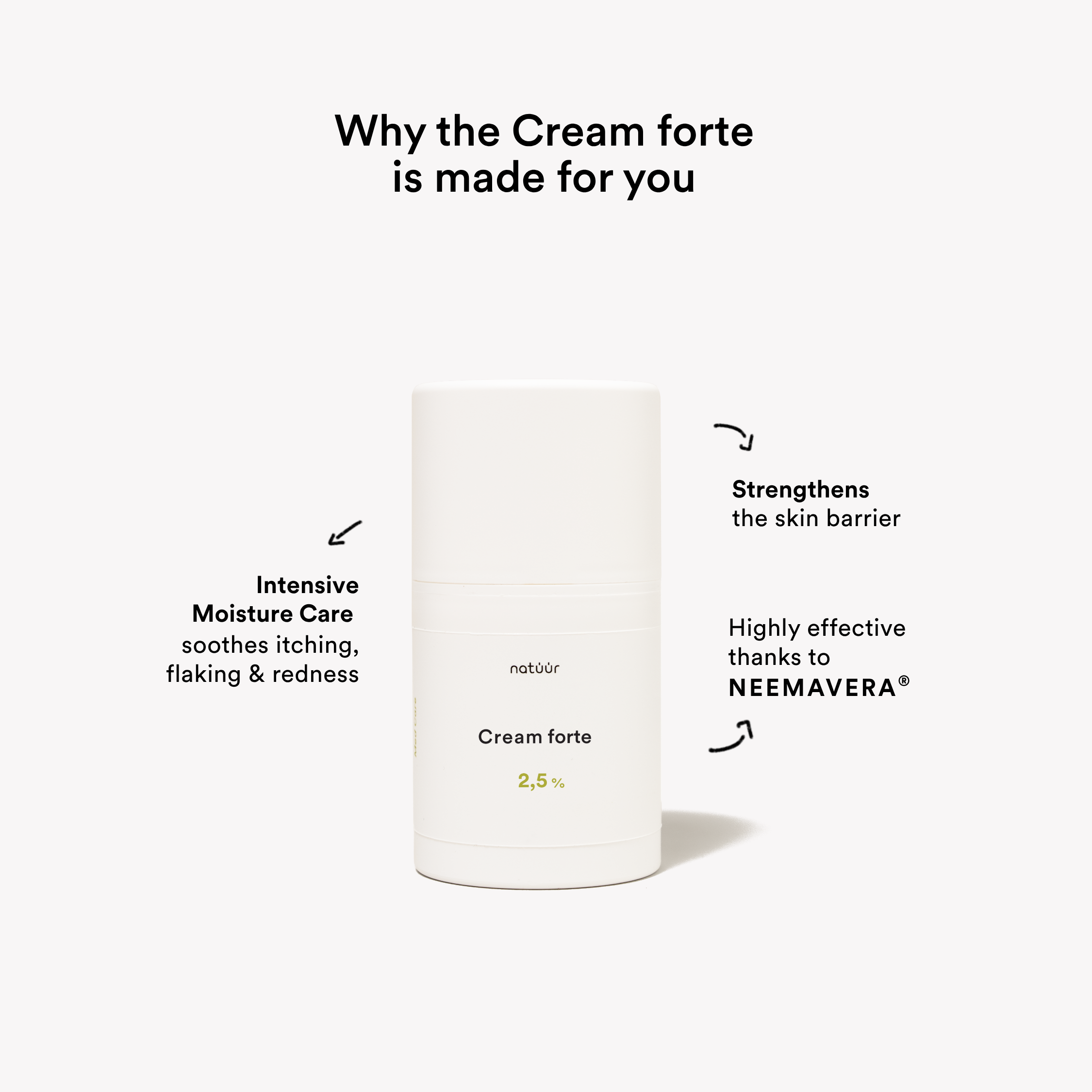
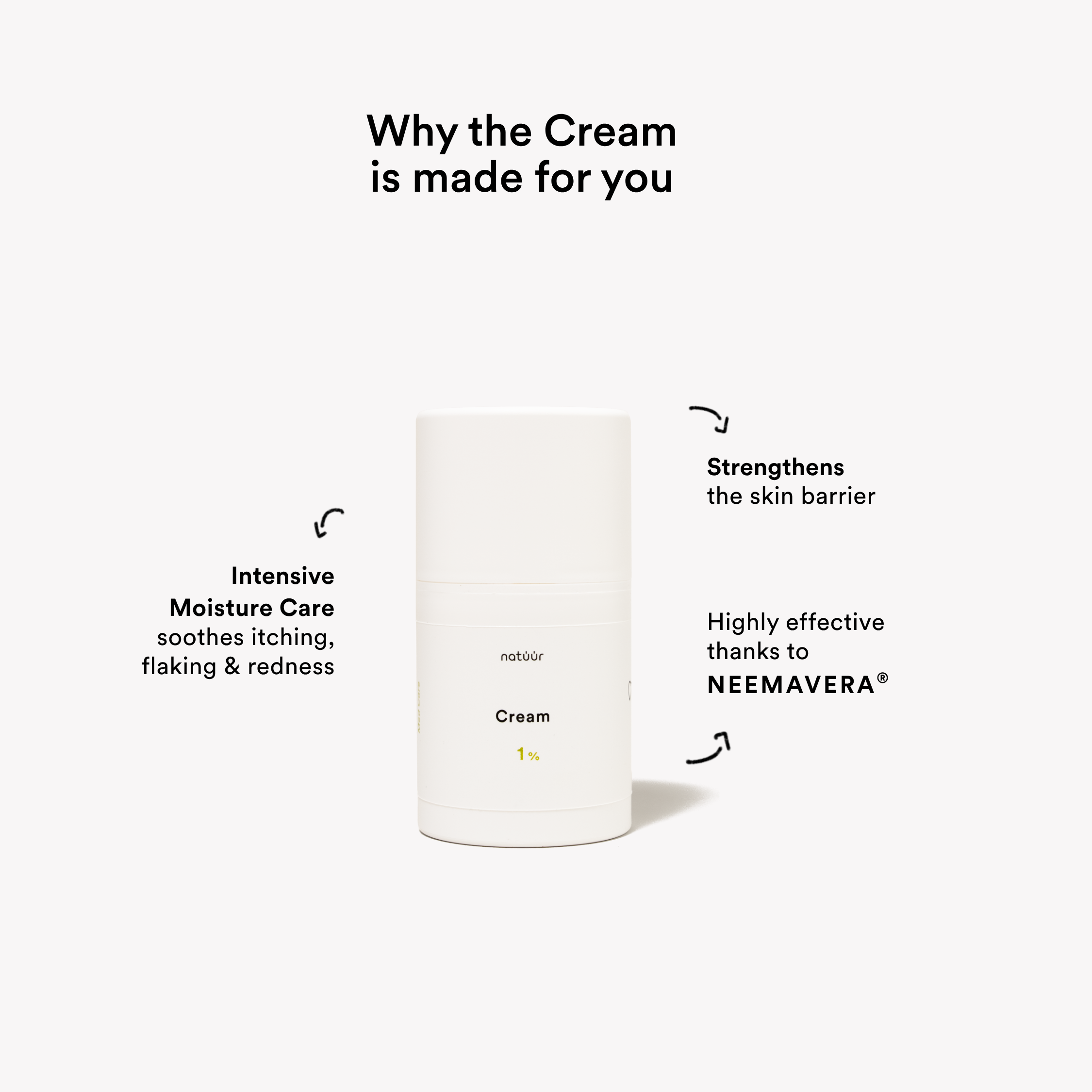
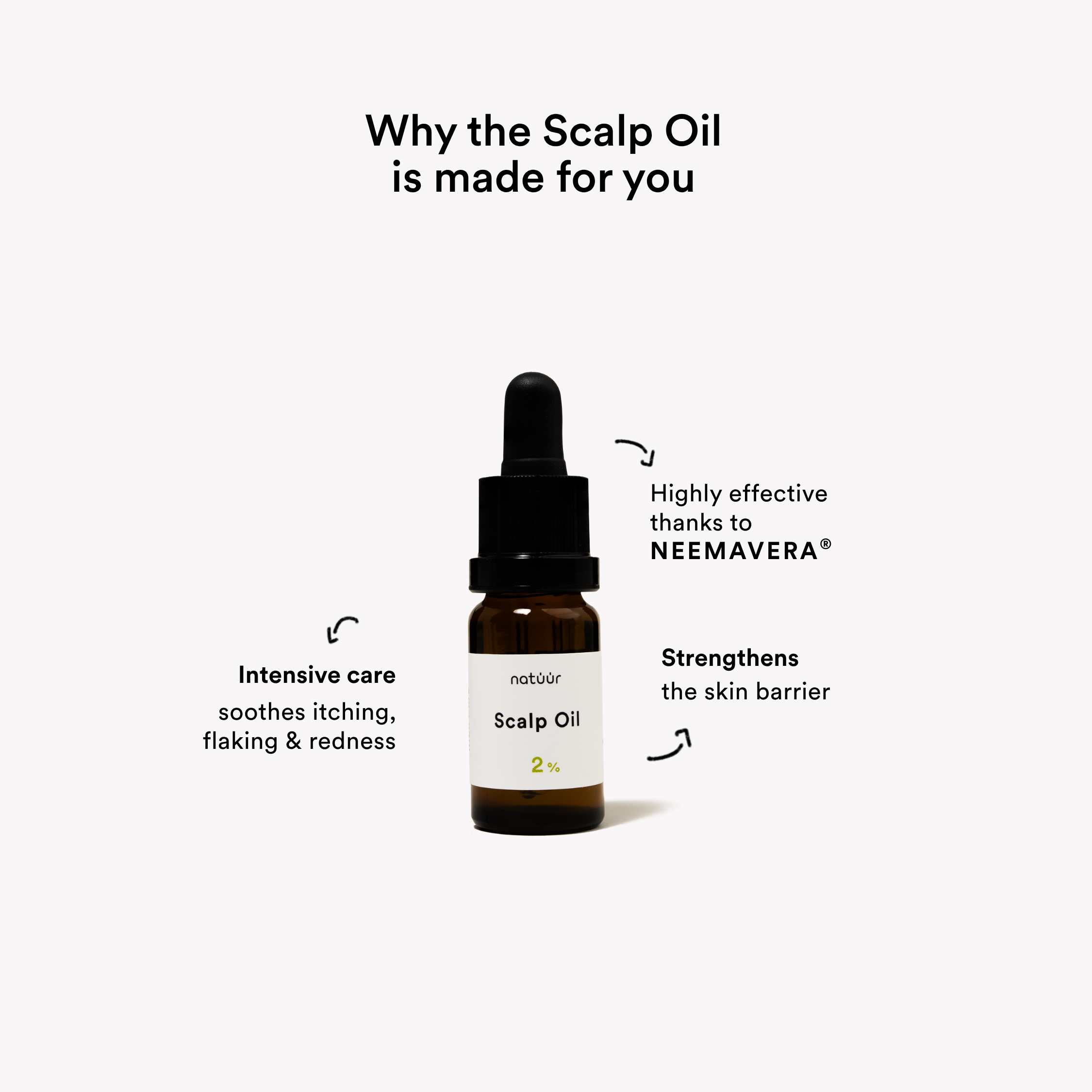
The basis of every product is our patented active complex NEEMAVERA® from fresh neem leaves. It is being studied scientifically above all for its antioxidant, anti-inflammatory and antimicrobial properties – in other words, exactly where an impaired barrier comes in. More background on the ingredient: What is neem?
In the line you will find, among other things:
- Cream – the daily basic care that supports the barrier in dry, sensitive skin.
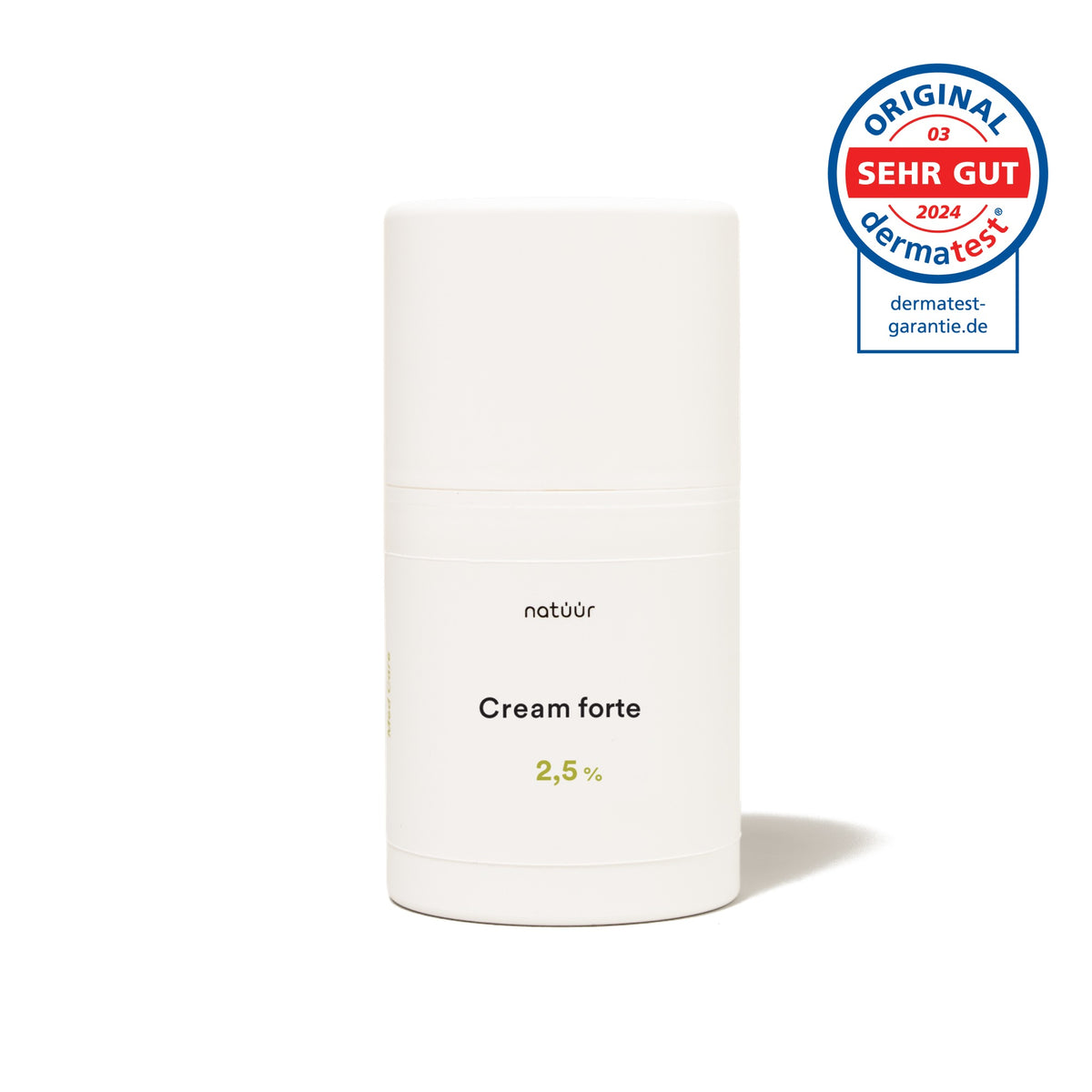
- Cream forte – the more intensive version with 2.5 % NEEMAVERA® for acute phases.
- Skin Balm – rich, for particularly dry and heavily stressed areas.
If you are not sure where to start: our product advisor takes you through a few questions in two minutes and shows you what suits your skin condition.