





What Is Neem? Effects, Components & NEEMAVERA®
In Europe, neem is still a quiet companion in skincare. In India, on the other hand, the tree has been used for centuries and is highly valued in Ayurveda. In recent years, neem has also come into the focus of modern research, above all because of the plant compounds in its leaves. At natüür, neem isn’t just an ingredient, but the heart of all our products. But what actually is neem, and why do we deliberately rely on the extract from the leaves instead of the better-known neem oil?
If you’d rather discover the tree visually, you’ll find hot spots for each of its parts on our interactive page here.
What is neem? A short definition
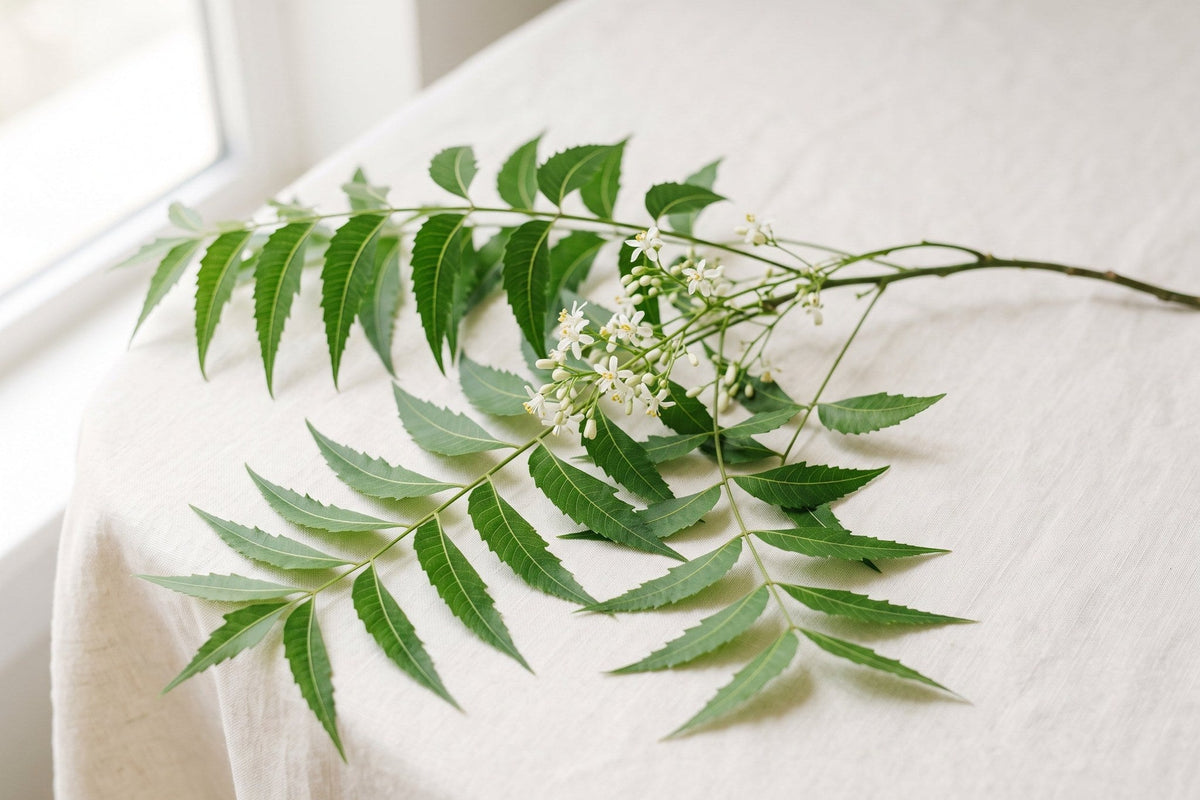
Neem is the German name for Azadirachta indica, an evergreen tree from the mahogany family. It is native above all to India, Pakistan, Nepal and Bangladesh. In Ayurveda, neem has been regarded as “nature’s pharmacy” for over 2,000 years and is traditionally used for a wide range of skin concerns.
Today, the tree is also in the focus of modern research: depending on the part of the plant, neem contains different bioactive compounds, including limonoids, flavonoids and other secondary plant compounds. It is precisely this diversity that makes neem so interesting for skincare.
Every part of the neem tree has its job
The neem tree is more than the sum of its parts. Tradition and science each look at different areas, and this is exactly where natüür sets a clear focus.
| Plant part | What it contains | Significance |
|---|---|---|
| Leaves | Nimbin, nimbolide, salannin | Heart of NEEMAVERA® |
| Flowers | sweet-bitter aroma | Reproduction & tradition |
| Fruits & seeds | Fatty acids → neem oil | mainly agriculture |
| Bark | astringent plant compounds | Protecting the tree |
| Roots | Structure & support | Stability, Ayurveda |
1. Leaves: the heart of NEEMAVERA®
The leaves contain a particularly broad mix of secondary plant compounds such as nimbin, nimbolide and salannin. They are the basis of NEEMAVERA®: the patented active ingredient complex that forms the heart of every natüür product.
2. Flowers
The flowers are part of the reproductive cycle and lay the foundation for the formation of fruit and seeds. In traditional Indian cooking and personal care, they are valued for their slightly sweet-bitter aroma.
3. Fruits and seeds
Classic neem oil is obtained from the fruits and above all from the seeds. It is rich in fatty acids and has been used for centuries mainly in agriculture, but not primarily in modern medical skincare.
4. Bark
The bark is traditionally known for its astringent properties. It protects the tree and contains natural plant compounds that contribute to the botanical diversity of the neem tree.
5. Roots
The roots form the underground base of the tree and provide water uptake, nutrient supply and stability. In Ayurvedic teaching, they are used as part of holistic applications.
Not all neem is the same: leaf extract vs. neem oil
When people talk about “neem”, many think of neem oil first. But there is a crucial difference between oil from the seeds and extract from the leaves, especially when it comes to sensitive or chronically stressed skin.
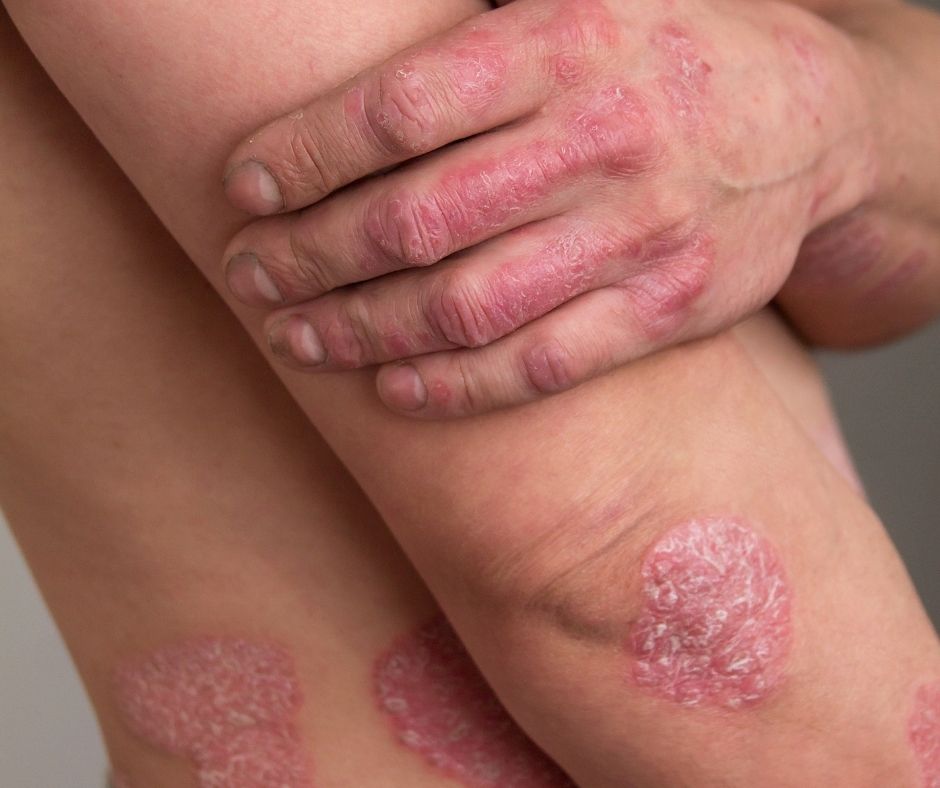
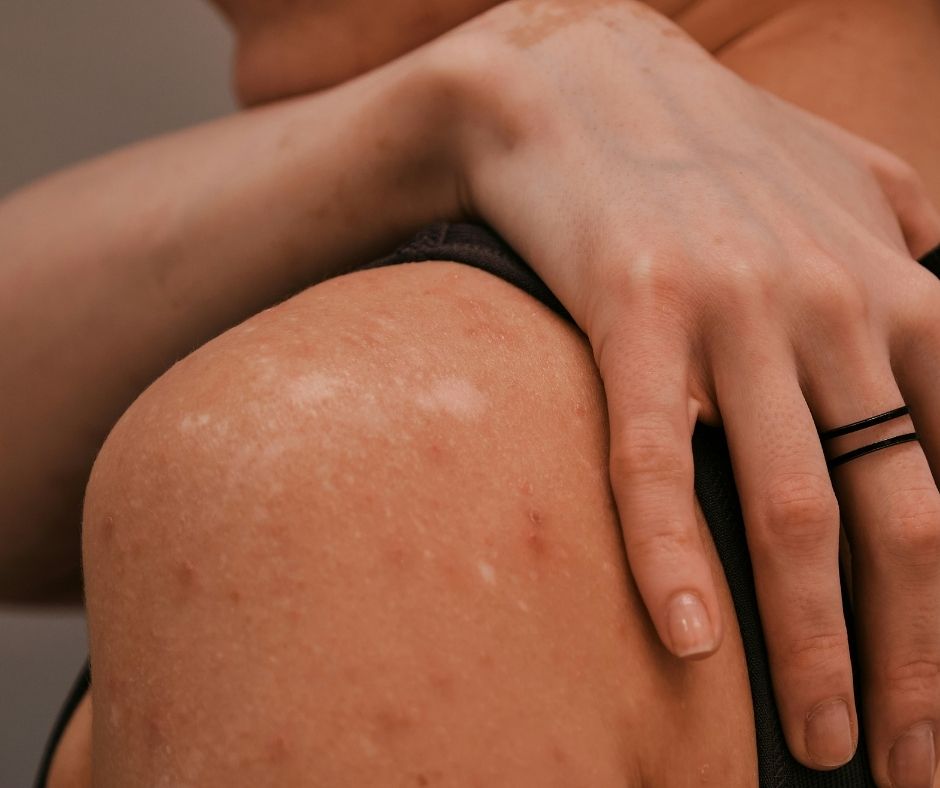
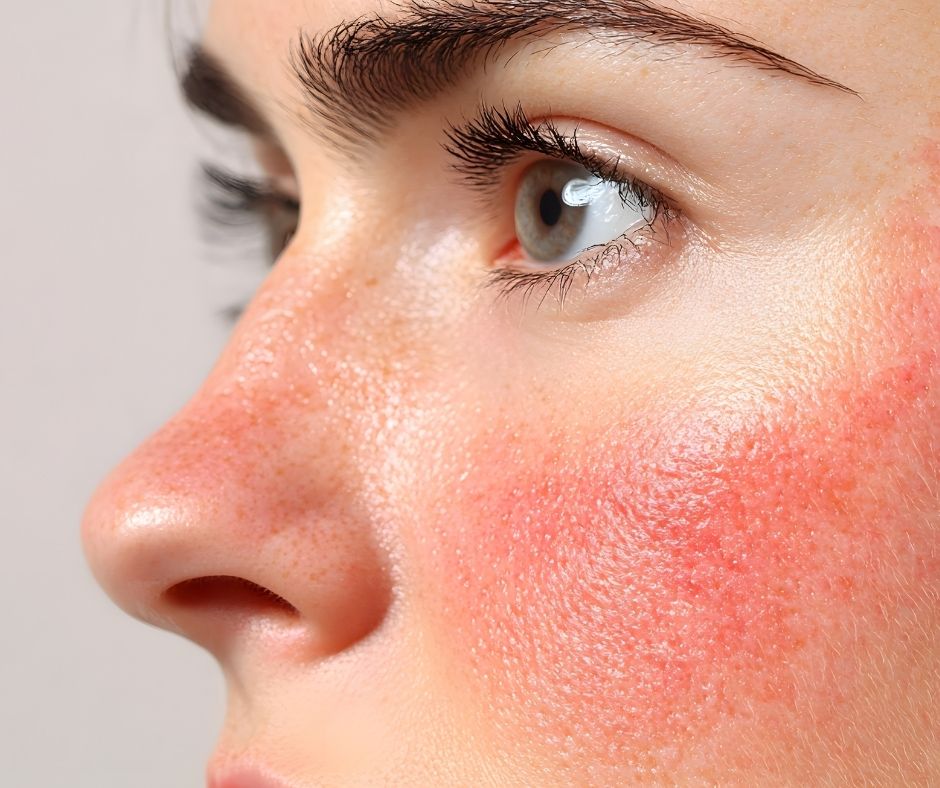
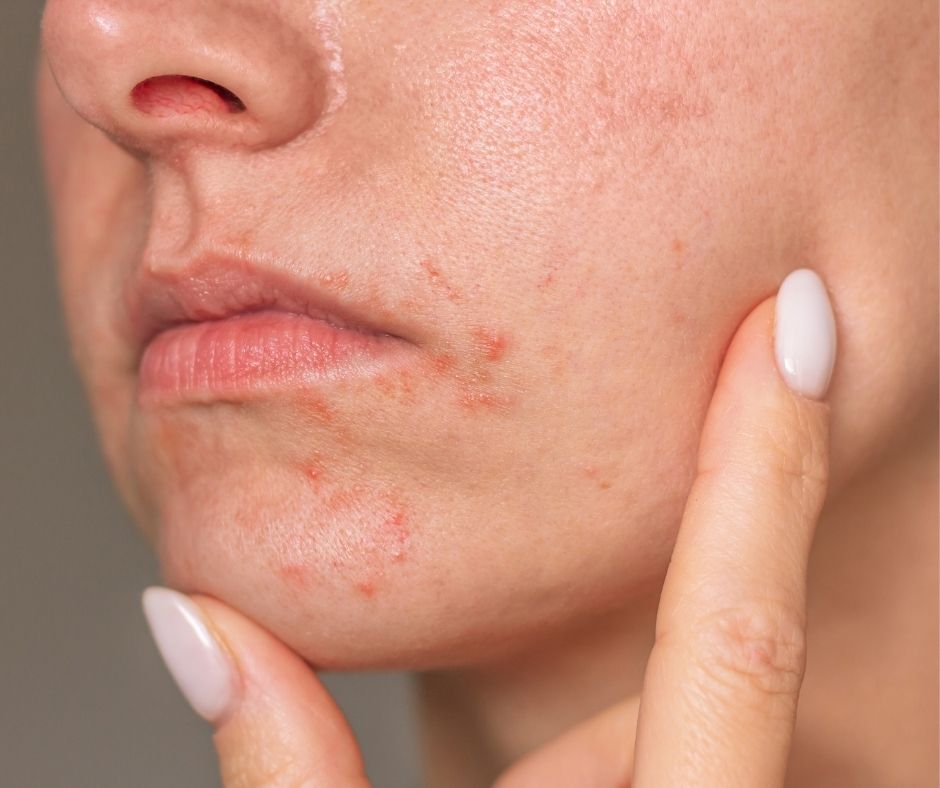
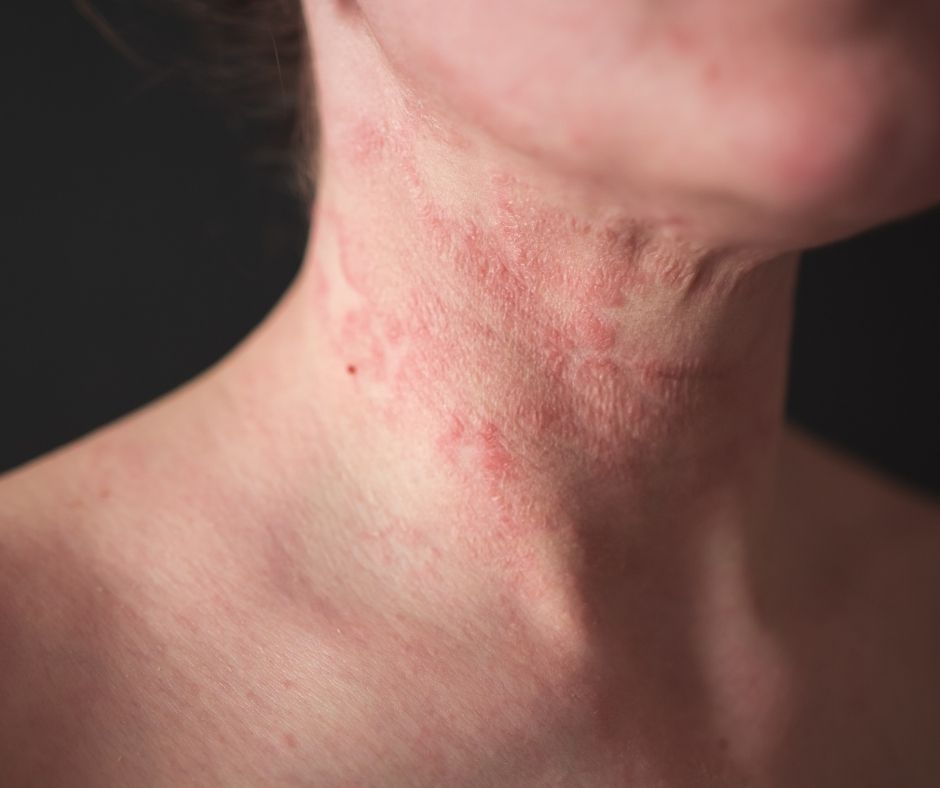
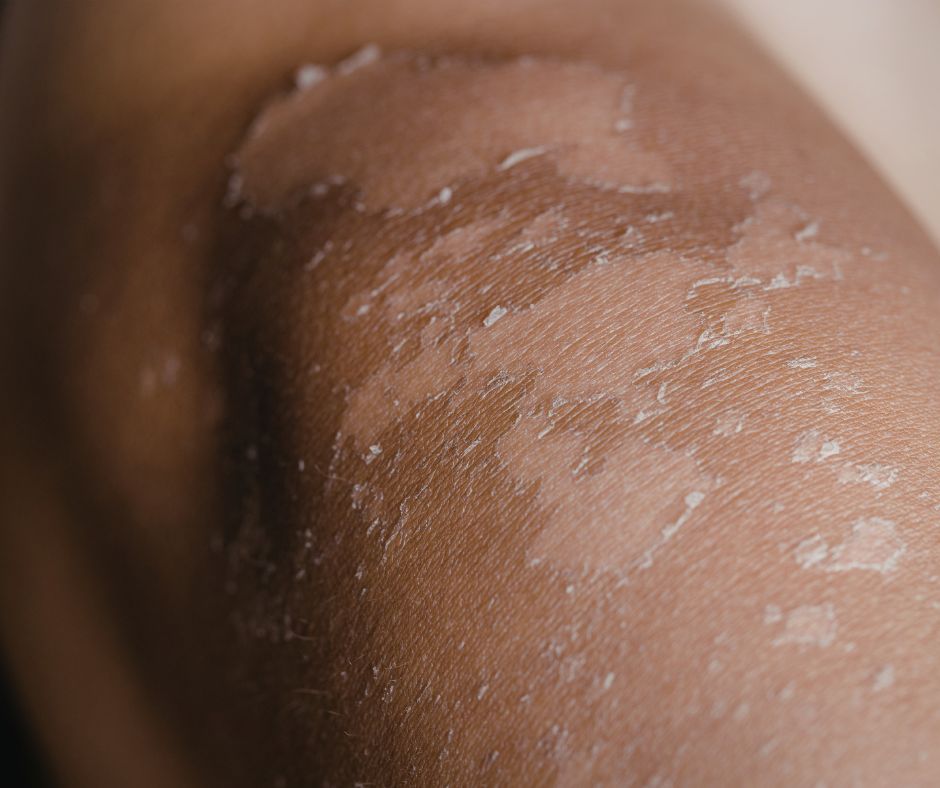
A chronically stressed skin barrier, for example with psoriasis, atopic dermatitis, rosacea or eczema, needs an active ingredient that is formulated specifically for the skin. That’s exactly what the leaf extract does, not the classic care oil.
| Criterion | Neem leaf extract | Neem oil |
|---|---|---|
| Obtained from | the leaves | seeds & fruits |
| Main compounds | Flavonoids, limonoids, polyphenols | Fatty acids, azadirachtin |
| Focus | medical skincare | mainly agriculture |
| Sensitive skin | specifically formulated, well tolerated | often too intense |
| natüür uses it | Yes – as NEEMAVERA® | deliberately not |
Why neem leaf extract is so exciting for medical skincare
Science studies neem mainly because of three properties that are highly relevant for sensitive and irritated skin:
- Antioxidant: plant compounds in neem leaves counteract oxidative stress, which puts a strain on the skin barrier.
- Anti-inflammatory: in studies, neem is regularly described in connection with soothing, inflammation-modulating effects.
- Antimicrobial: certain compounds have been researched for decades for their effect against microorganisms.
You’ll find an overview of all the research on NEEMAVERA® in our Studies & proof of efficacy section. Among other things, it documents in-vitro studies on 3D full-thickness skin models as well as dermatological assessments by DERMATEST.
NEEMAVERA®: the heart of every natüür product
Many brands rely on bought-in neem oil. natüür takes a different path: we make NEEMAVERA® ourselves from fresh neem leaves from our own sustainable cultivation. This way we accompany the entire value chain from the leaf to the finished product – following the principle “from leaf to skin”.
You’ll find NEEMAVERA® in every natüür product, for example in our bestsellers:
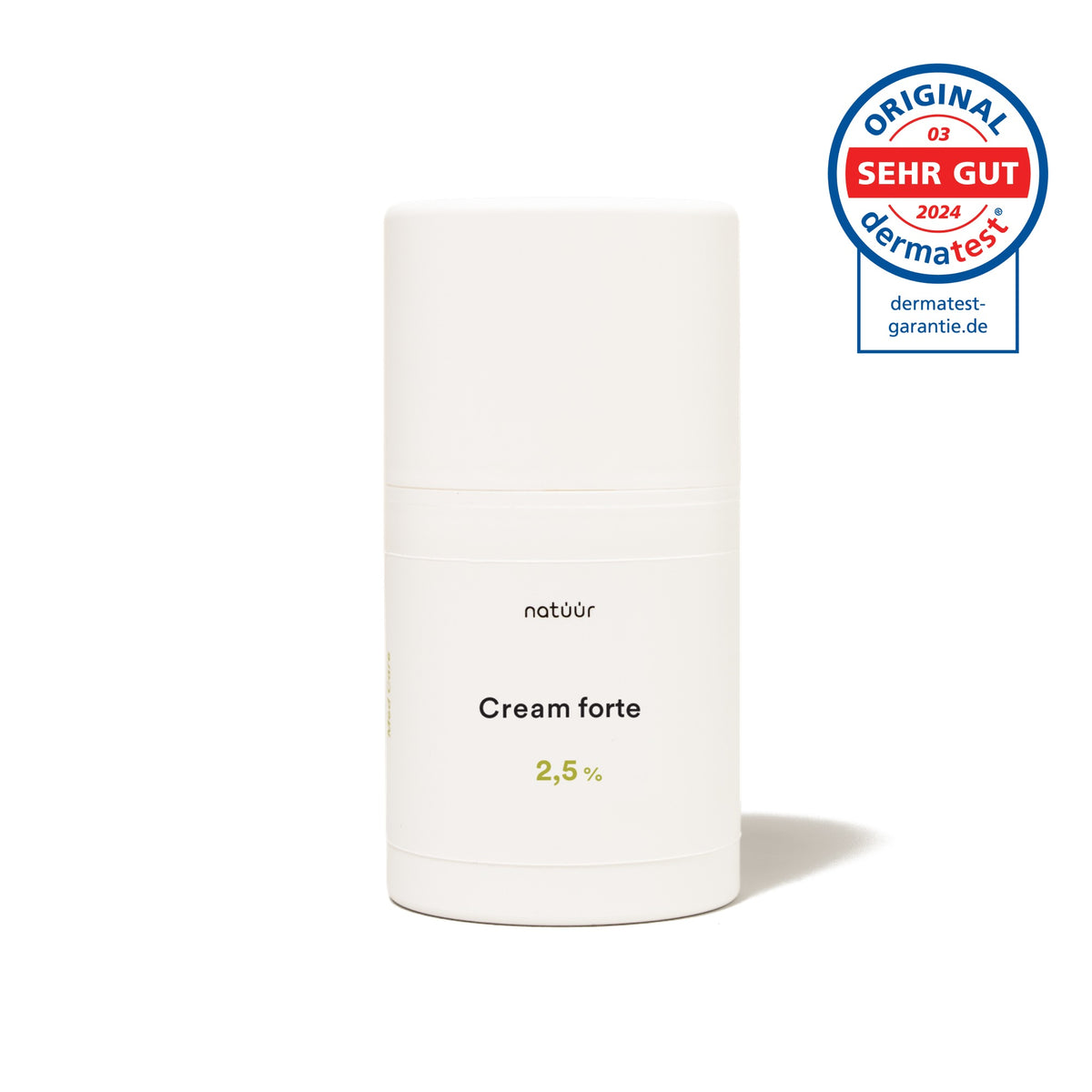
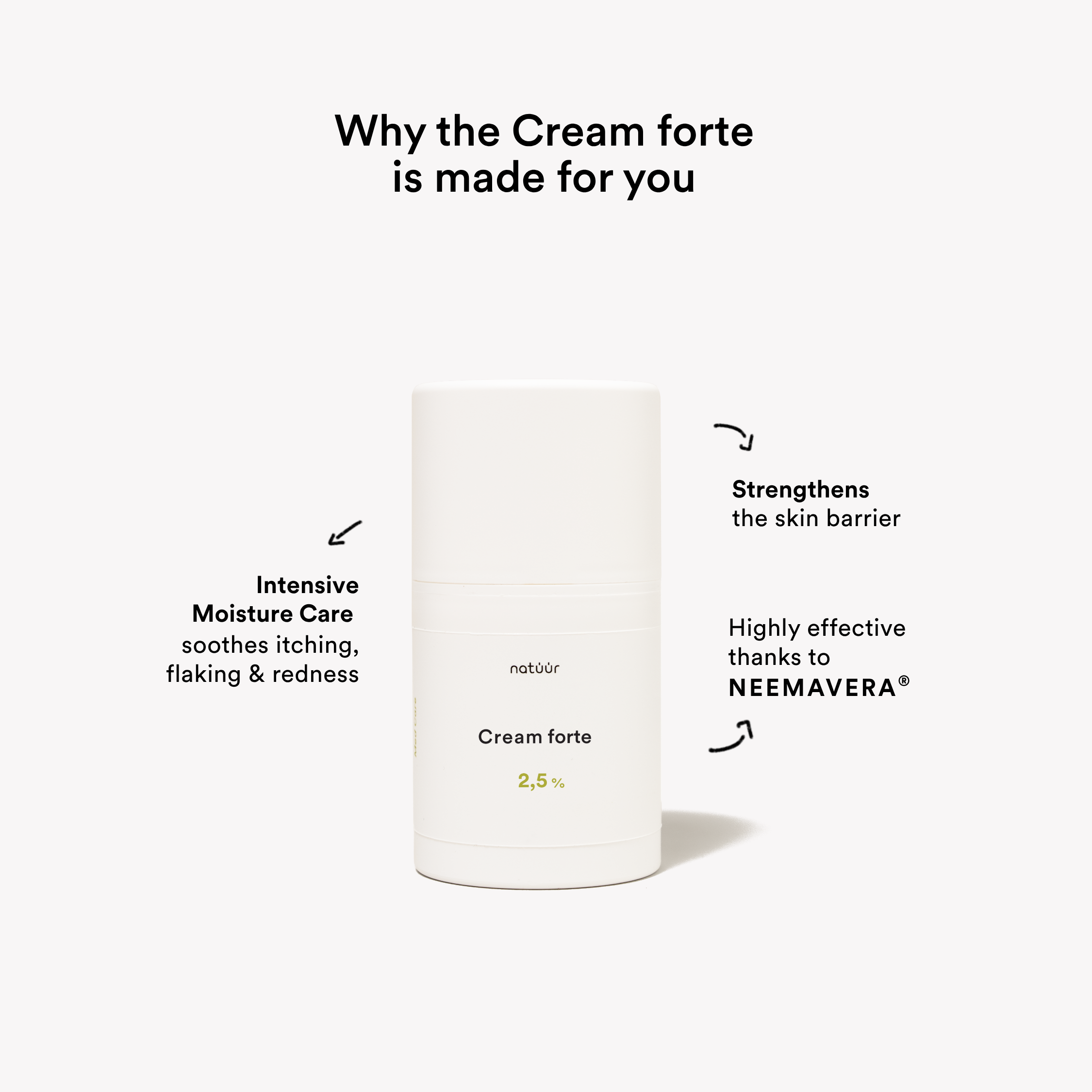
- Cream forte – intensive care for acute skin phases.
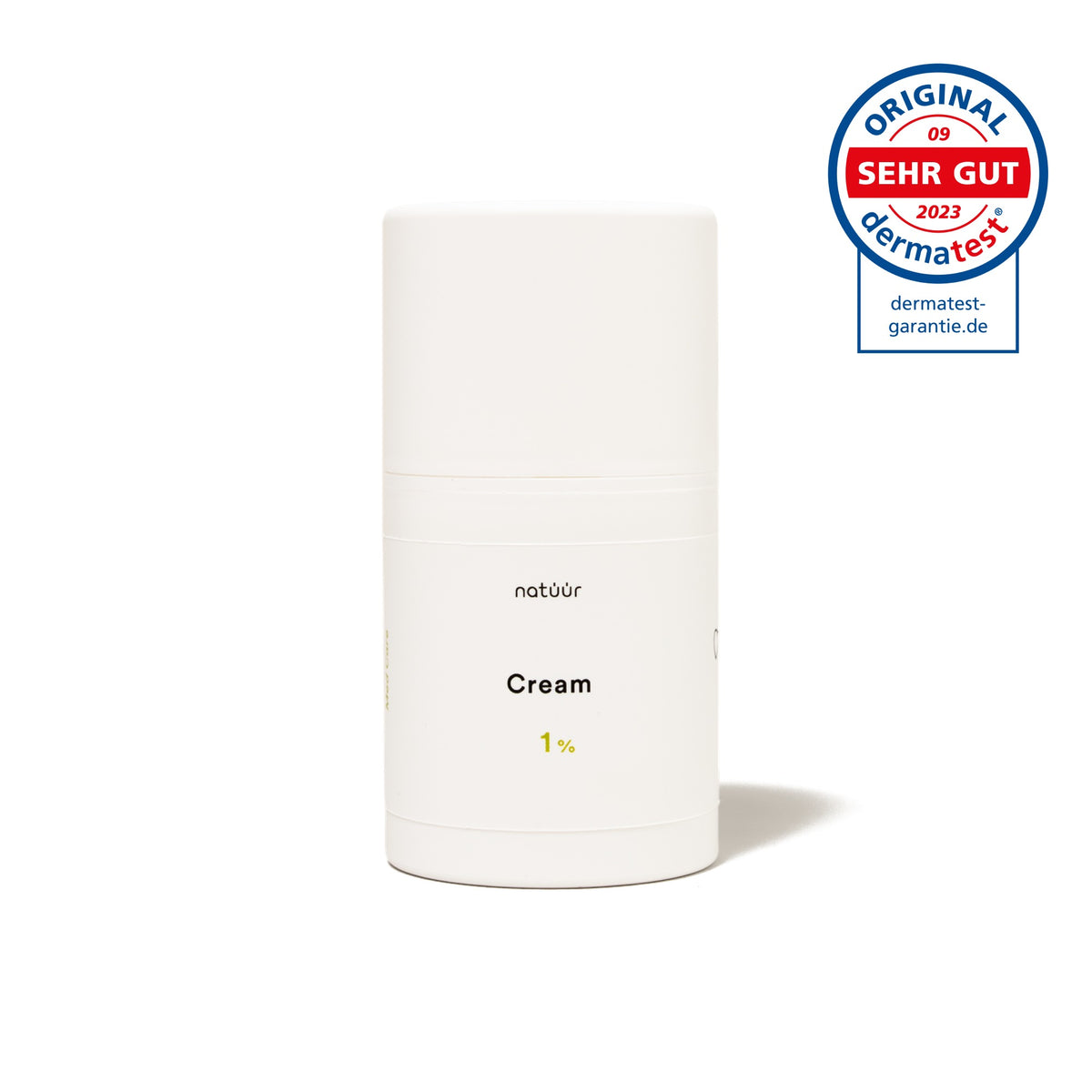
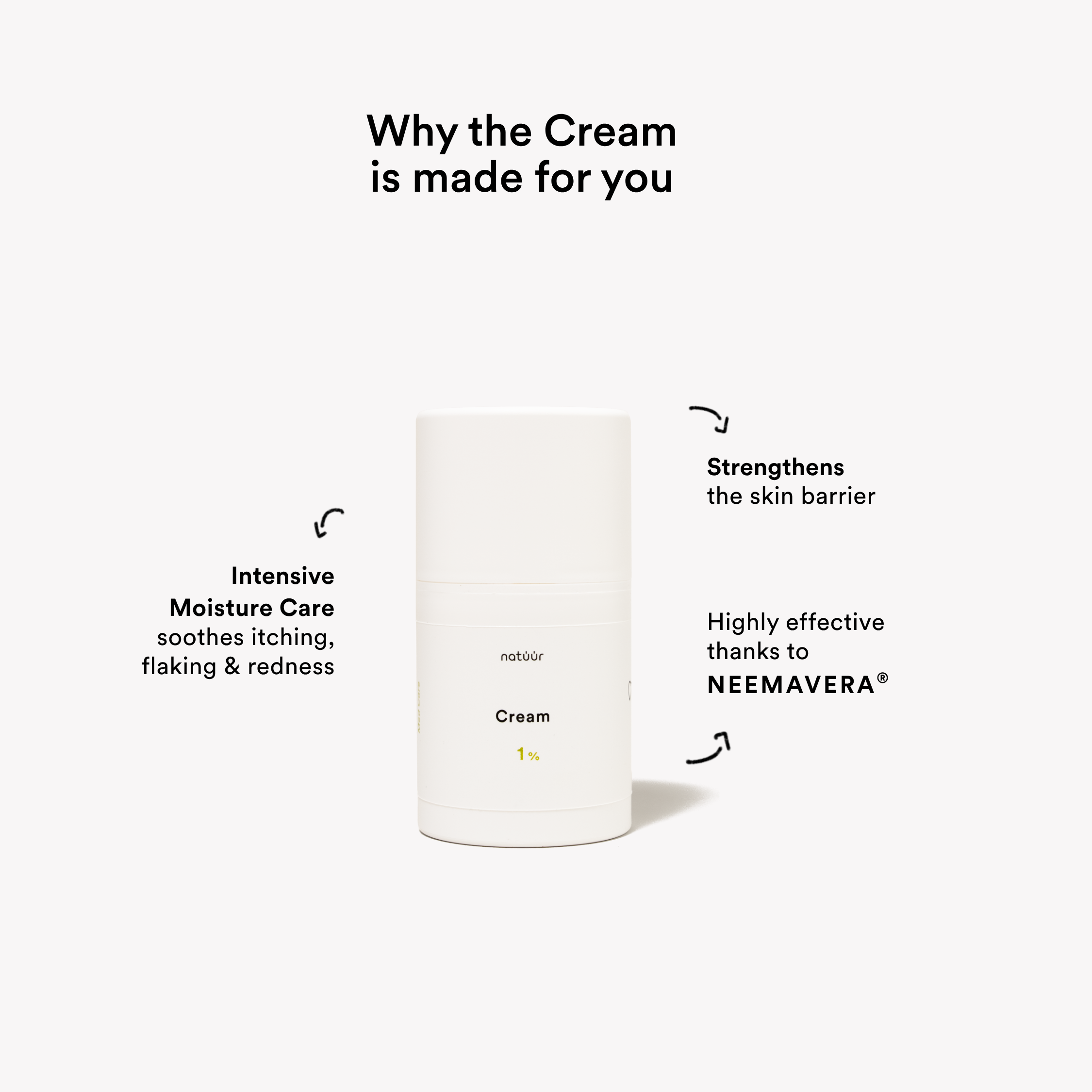
- Cream – daily basic care for sensitive and dry skin.
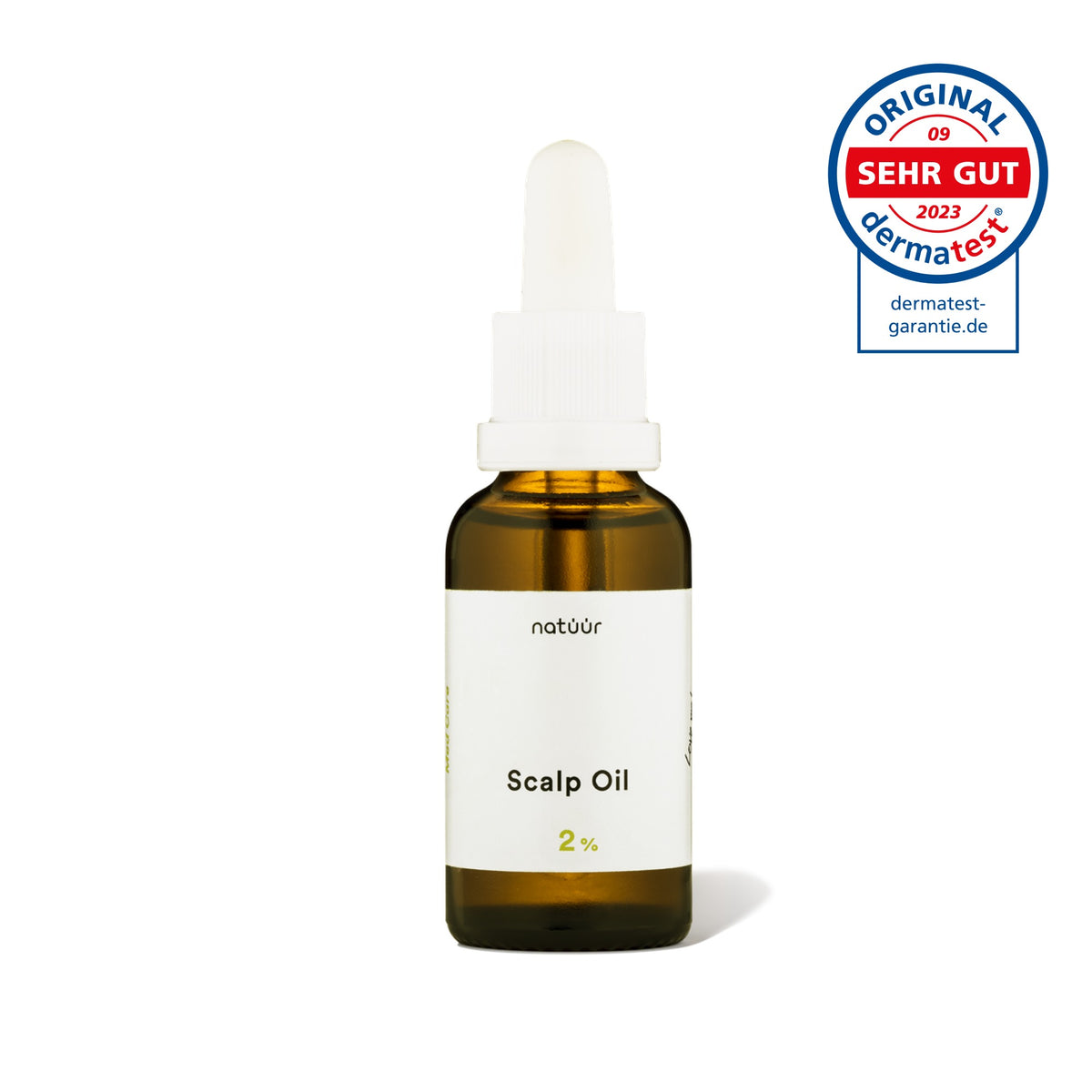
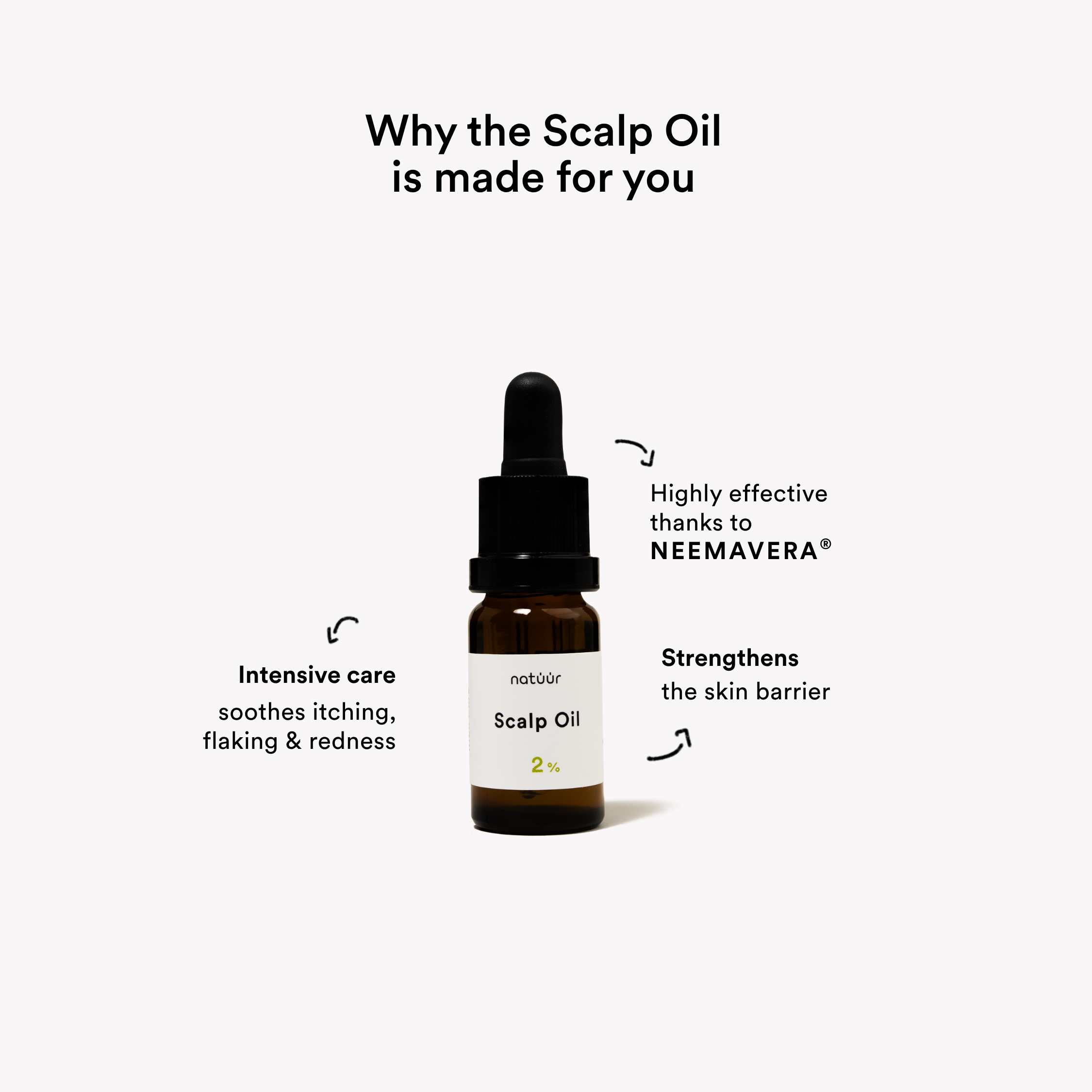
- Scalp Oil – for a calmer, balanced scalp.
Your next step: Discover the tree behind NEEMAVERA® on our interactive page “What is neem?” – or find the right care for your skin straight away in our product overview.