






How to identify harmful ingredients
Many skincare products contain ingredients that can cause skin irritation, allergic reactions, or long-term health damage. Only 45% of buyers check ingredient lists before purchasing. Here are the key points to avoid harmful substances:
- Pay attention to INCI names: Ingredients like parabens, formaldehyde releasers, and sulfates can be harmful to health.
- Use apps: Tools like CodeCheck or Yuka help to quickly identify problematic ingredients.
- Trust certifications: Seals like COSMOS or NATRUE guarantee safe and sustainable products.
- Avoid generic terms like "Parfum": These can contain undeclared, potentially harmful chemicals.
Tip: Focus on the first 5–6 ingredients in a product – these make up the majority of the formulation. Use apps and trusted databases to make informed decisions.
How to Read the INCI List Correctly for Healthy Skincare
How to Read Ingredient Lists
Reading ingredient lists on skincare products can be easier if you understand the INCI system (International Nomenclature of Cosmetic Ingredients). This system is used worldwide to uniformly label ingredients [1].
Decoding INCI Names
Ingredients in the INCI system are usually given in Latin or English. For example, water is listed as Aqua and vitamin E as Tocopherol [1]. An important point: The order of ingredients indicates their concentration in the product – from highest to lowest. The first 5 to 6 ingredients often make up the majority of the product [9].
Critical Ingredients in Focus
| Ingredient Group | INCI Designations | Risks |
|---|---|---|
| Parabens | Methylparaben, Propylparaben | Potential hormonal disruptions [1] |
| Formaldehyde Releasers | DMDM Hydantoin, Quaternium-15 | Skin irritation, possibly carcinogenic [1] |
| Sulfates | Sodium Lauryl Sulfate (SLS) | Can dry out and irritate the skin [5] |
Limited Transparency with "Parfum" and "Fragrance"
A major problem are terms like Parfum or Fragrance. These often serve as a collective term for numerous undeclared ingredients that are not listed individually for trade secret reasons [1]. These can also include phthalates, which are known as hormonally active substances [1].
Daily Tip: Pay particular attention to the first 5-6 ingredients and use apps or online tools to better assess products. This facilitates informed purchasing decisions.
Health Risks of Toxic Ingredients
Understanding labels is a good first step, but it is equally important to know the potential health risks of certain ingredients. Three groups of chemicals are particularly in focus here:
Formaldehyde Sources
Formaldehyde releasers like Imidazolidinyl Urea continuously release fumes that are considered carcinogenic. According to a 2010 study, 9% of contact dermatitis cases are due to these substances [6].
| Formaldehyde Releaser | Typical Application | Possible Health Risks |
|---|---|---|
| Imidazolidinyl Urea | Face Creams | Respiratory irritation |
Hormonally Active Chemicals
Substances like BHA (Butylhydroxyanisole) and BHT (Butylhydroxytoluene) can affect the hormonal system [10]. In addition, studies suggest that phthalates can increase insulin resistance [9].
"Long-term exposure to multiple endocrine disruptors in personal care products, even at low doses, can lead to cumulative health effects." - Environmental Health Perspectives, 2015 [11]
Risks from Mineral Oil and Sulfates
Even seemingly harmless base ingredients can be problematic. Mineral oil, often used in care products, can be contaminated with carcinogenic impurities such as polycyclic aromatic hydrocarbons (PAHs), as tests show [3].
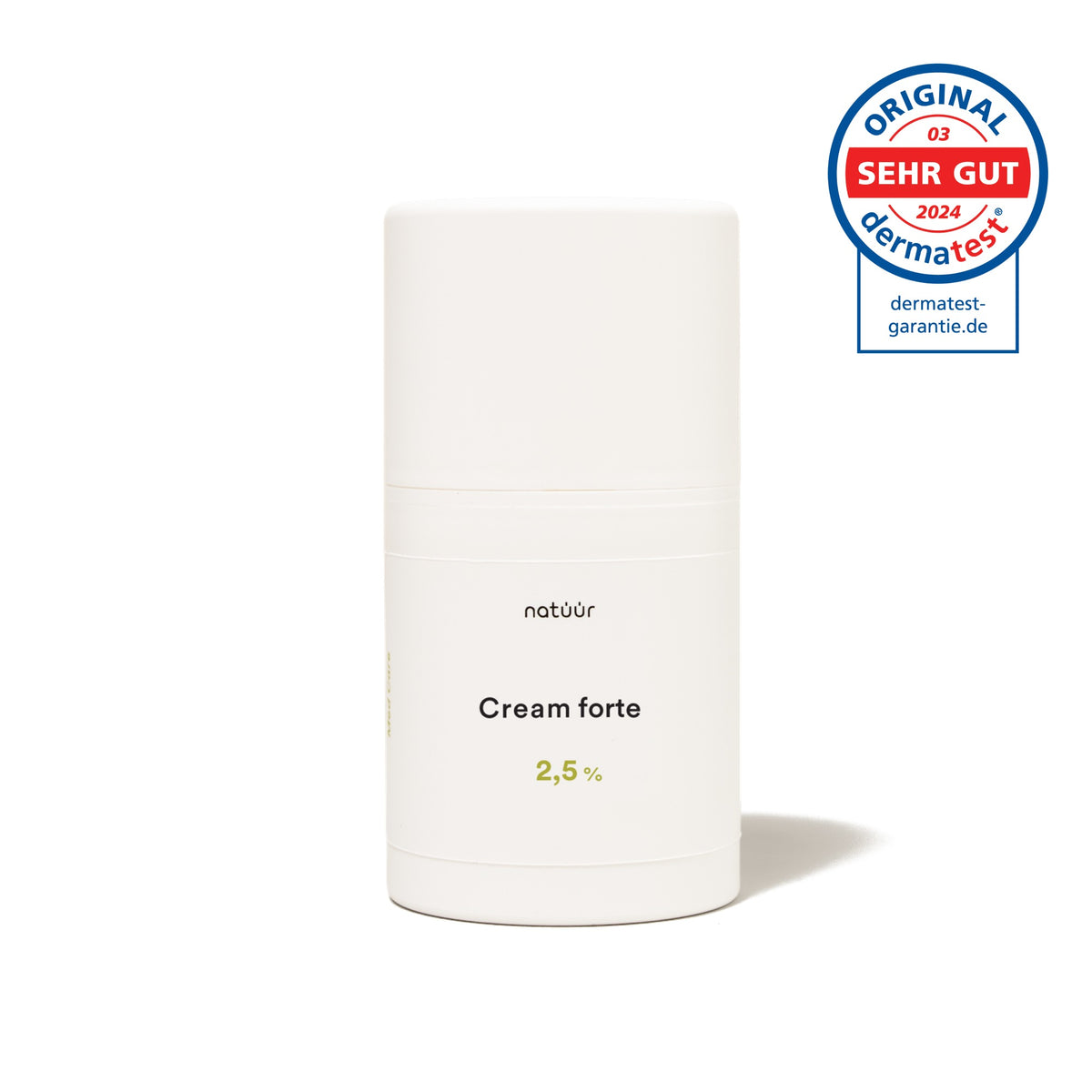
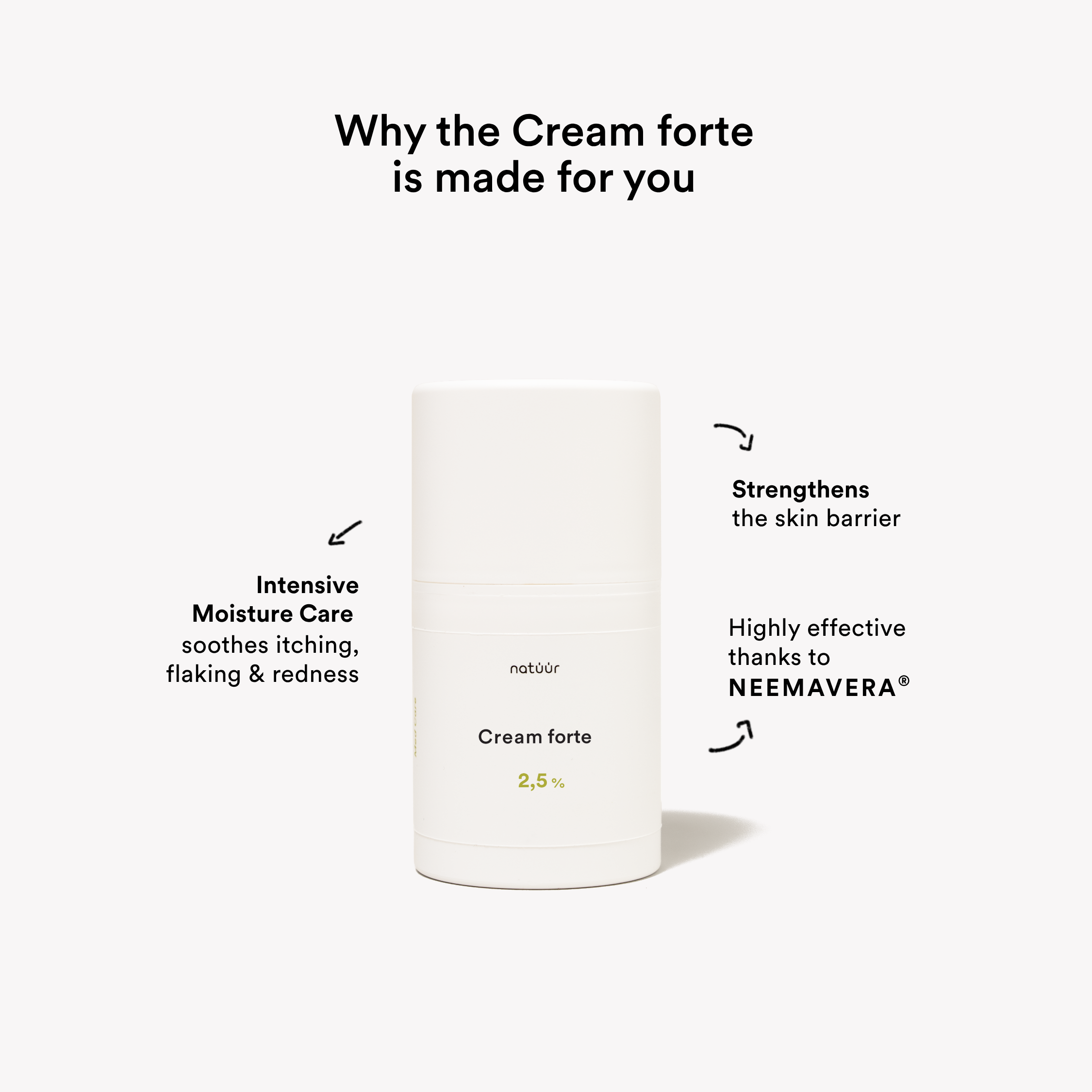
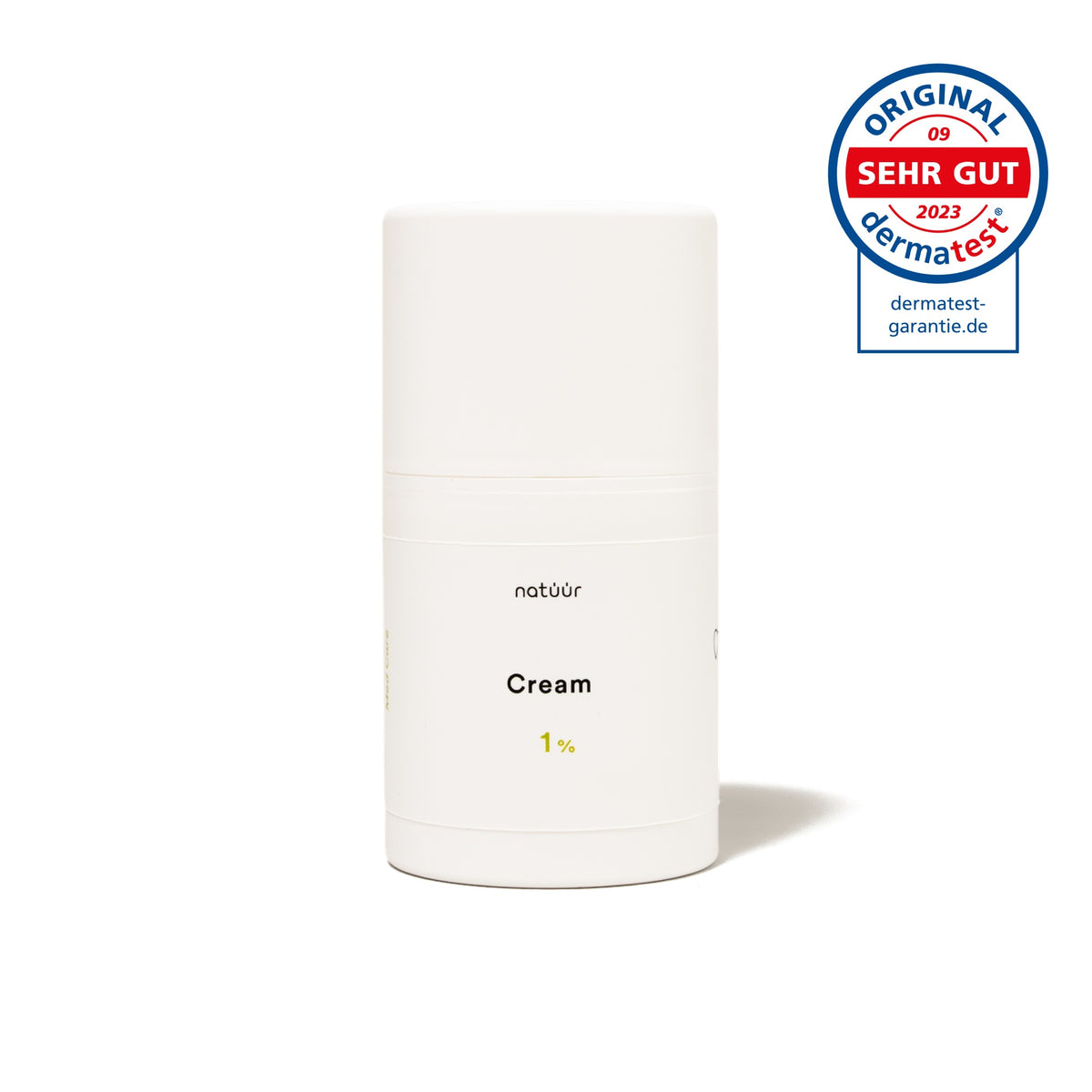
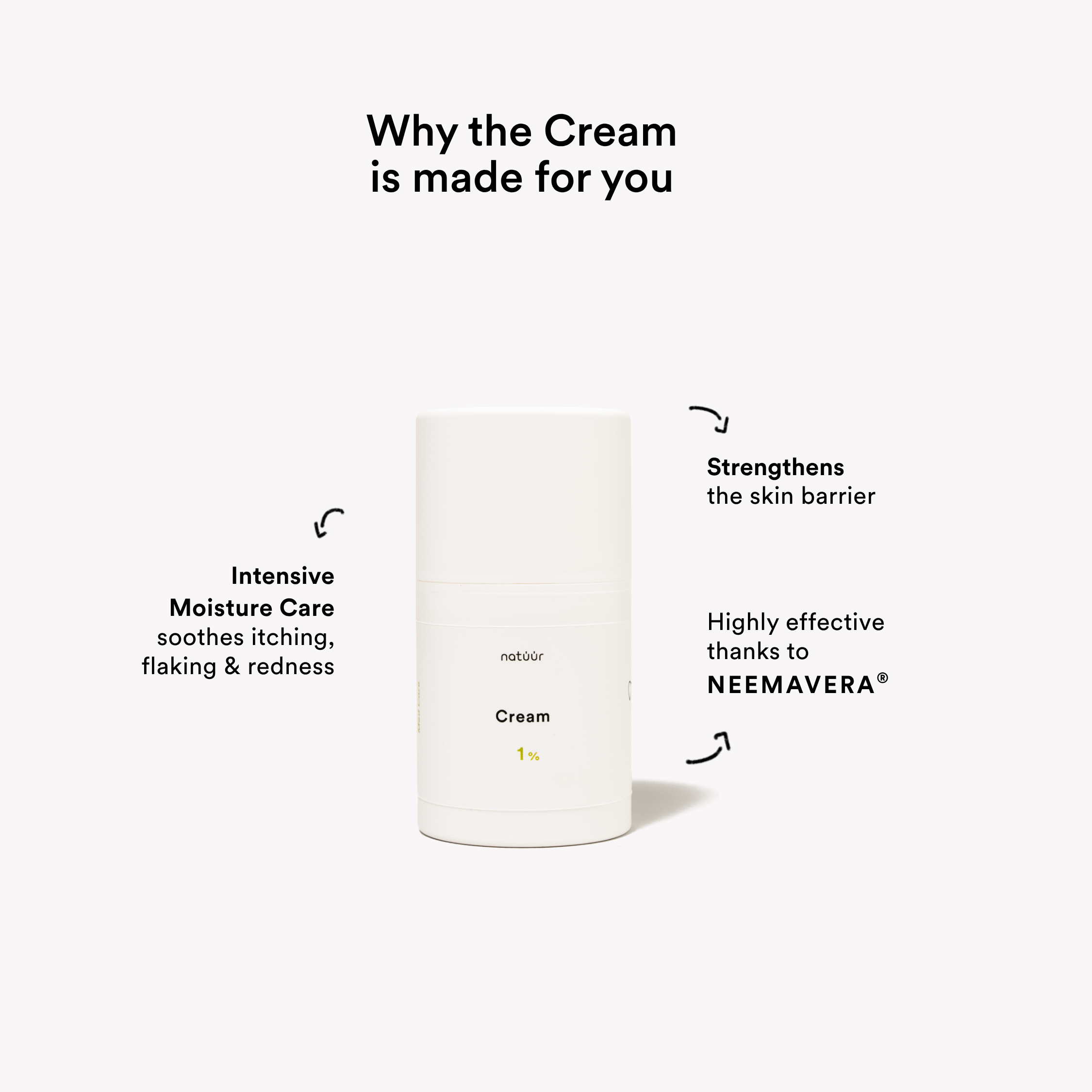
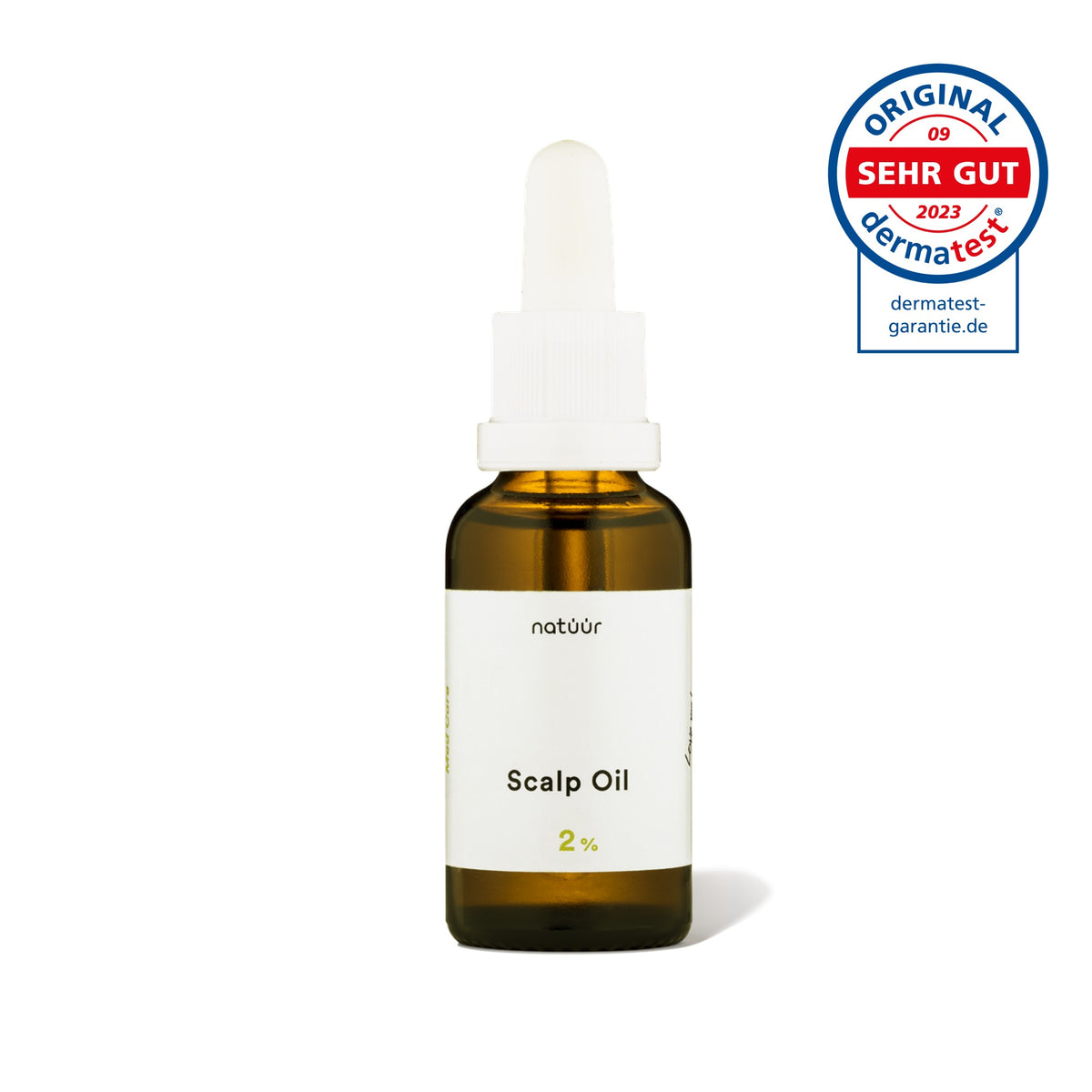
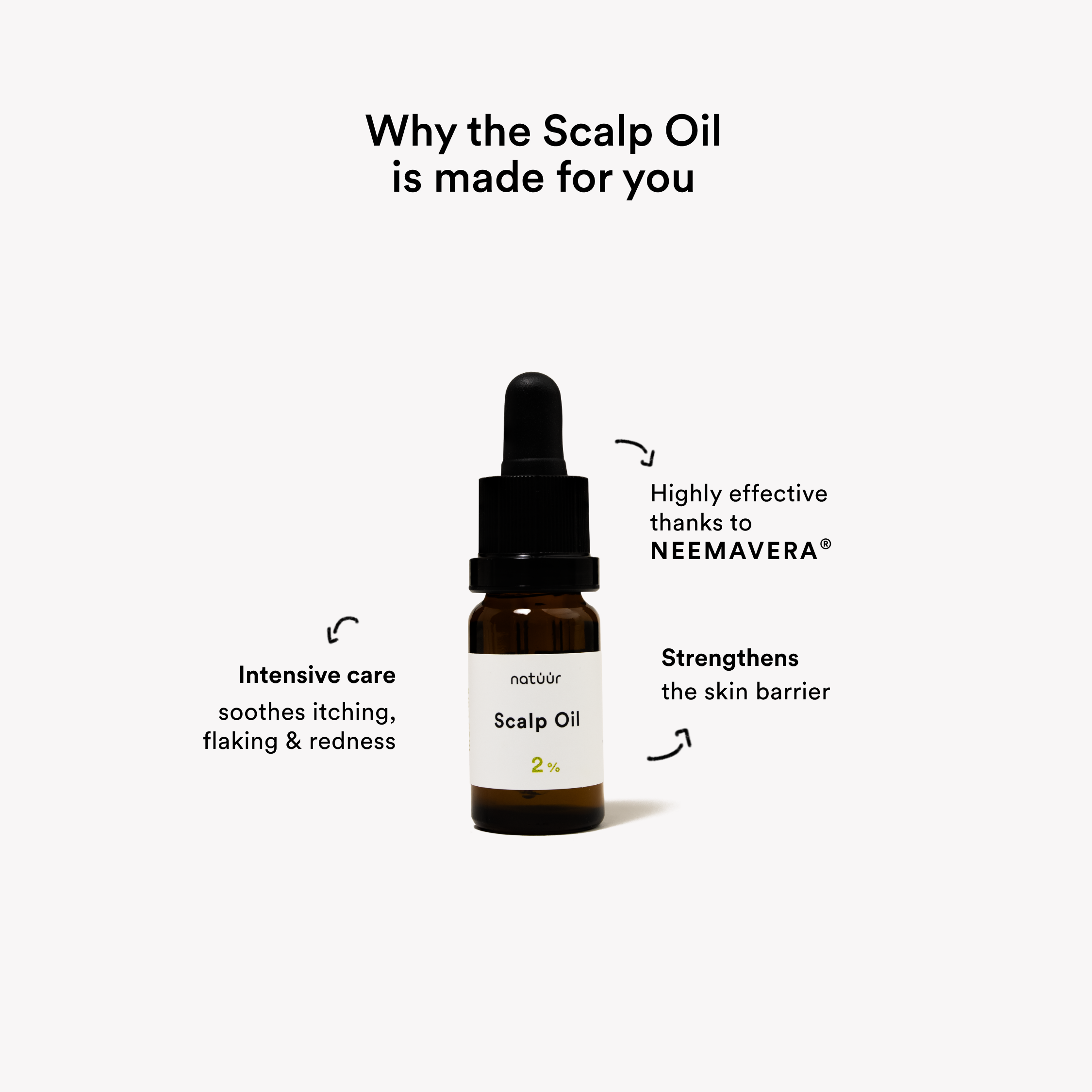
These examples illustrate why safety certifications like COSMOS are important. Manufacturers like natüür rely on safe alternatives, such as grapefruit seed extract, to replace preservatives [7].
sbb-itb-ba17a98
Tools for Ingredient Checking
Now that we've covered health risks and certifications, let's look at practical tools that can help in everyday life:
Ingredient Scanner Apps
Apps like CodeCheck and Yuka make it easy to identify potentially problematic ingredients in products. With the CodeCheck app, users can instantly retrieve information about ingredients by scanning a barcode and also receive suggestions for safer alternatives [1].
Yuka uses a traffic light system to assess risks: Green means safe, Yellow indicates possible concerns, and Red signals that a product should be avoided. The app has an impressive rating of 4.8 stars.
Online Databases
The EWG's Skin Deep® database is a comprehensive resource that provides scientific ratings for over 88,000 products and 9,000 ingredients [8]. With a rating system from 1 to 10, users can quickly assess the health risks a product or ingredient poses.
"In 2022, the EWG database showed that 75% of 1,800 sunscreens tested contained problematic ingredients such as oxybenzone. This discovery led many leading brands to revise their formulations."
Another useful tool is the INCI Decoder. It explains the functions of ingredients and allows products to be compared based on scientific information [3][6].
Note on Use
These tools are helpful companions for learning about ingredients. However, it should be kept in mind that individual skin reactions may differ from general ratings. They therefore primarily serve as a guide.
Finding Safe Products
If you want to avoid problematic ingredients, these approaches can help you choose safe alternatives:
A 2022 study shows that 73% of consumers prefer skincare products that are considered "natural" [3].
Natural Preservatives
Many modern natural cosmetic products use plant-based preservatives that are both effective and gentle:
- Vitamin E (Tocopherol): Provides antioxidant protection and acts as a preservative [1].
- Neem extract (e.g., NEEMAVERA): A patented base used in natüür products, known for its antimicrobial and anti-inflammatory properties [6].
- Rosemary extract: Supports preservation and has antioxidant properties.
Safety Certifications
Certifications are a reliable way to find products that meet strict standards for ingredients and manufacturing processes. These seals guarantee quality:
| Certification | Guarantee | Key Criteria |
|---|---|---|
| COSMOS | Highest standard for organic cosmetics | Natural ingredients and environmentally friendly production [3] |
| NATRUE | Natural cosmetics guarantee | Certification for pure natural cosmetics [2] |
| EWG VERIFIED | Health-oriented rating | Free from questionable chemicals [11] |
These labels help you find products that are both safe and sustainable.
Conclusion
The examples given illustrate: Safe skincare requires informed decisions – even with well-known brands. An understanding of skincare ingredients is essential, as an average of 12 products containing up to 168 chemicals are used daily [2]. PFAS in cosmetics are particularly critical, as studies by the FDA show they can penetrate the skin barrier [3].
One example of this is the 2021 recall by Johnson & Johnson. Five sunscreen products from the Neutrogena and Aveeno brands had to be withdrawn because benzene – a known carcinogen – was detected.
To minimize such risks, the following tools offer support:
- Reliable databases, such as EWG's Skin Deep [6]
- Scanner apps, like CodeCheck [3]
- Recognized seals, including COSMOS, NATRUE or EWG Verified [6]
The regular use of scanner apps and updating knowledge about certifications help to avoid harmful ingredients. With this guide, problematic substances can be systematically identified, and tested alternatives such as certified natural cosmetics can be preferred.
FAQs
Which ingredients should I avoid in skincare products?
As mentioned in previous sections, it is important to carefully check skincare products to minimize potential risks – even with everyday products.
Useful tips for identifying problematic ingredients:
- Pay attention to standardized INCI names (see section INCI Names Decoded).
- Ingredients ending in "-eth" (e.g., Sodium Laureth Sulfate) should be avoided as they often contain PEG compounds [5].
A study by the University of California, Berkeley, with 100 teenagers showed that the concentration of hormone-disrupting chemicals in their urine decreased by 27–45% within three days when chemical-free products were used.
To identify such substances, the following strategies can be helpful:
- Pay particular attention to the first ingredients on the list [4].
- Watch out for hidden terms such as "Parfum" or "Fragrance" [1].
- Stay informed about current studies on ingredients [3].
As described in the section Finding Safe Products, recognized certifications can help you choose safe alternatives. Regularly checking ingredients using the methods mentioned will help you make informed purchasing decisions.