











Neem Oil vs. Neem Leaf Extract: Differences Explained
Which is better: Neem oil or neem leaf extract? Both come from the neem tree but have different effects. Neem oil contains fatty acids and azadirachtin, ideal for skin problems such as acne and wound healing. Neem leaf extract is gentler, an antioxidant, and soothes sensitive skin. The choice depends on your skin type and skincare goals.
Quick Comparison
| Criterion | Neem Oil | Neem Leaf Extract |
|---|---|---|
| Skincare | Moisturizing, strongly anti-inflammatory | Gentle, antioxidant, soothes sensitive skin |
| Application | Directly or diluted with carrier oils | Mixed into creams or oils |
| Doshas | Calms Pitta, strengthens Vata | Calms Pitta and Kapha |
| Environmental Friendliness | Higher resource consumption | More resource-efficient |
Tip: Neem oil is powerful, but often too strong for sensitive skin. Neem leaf extract is the milder, more sustainable choice.
Production and Ingredients
Neem, a staple of Ayurvedic tradition for centuries, offers versatile applications. But how exactly do the differences between neem oil and neem leaf extract arise? A look at the production methods and ingredients provides answers.
Neem Oil Production
Neem oil is extracted from the seeds of the neem tree, either by cold-pressing or by solvent extraction. While cold-pressing preserves the natural compounds, solvent extraction, such as with methanol, yields a higher output—about 7.68 ± 0.11 %. A 2025 study published in Case Studies in Chemical and Environmental Engineering emphasizes the effectiveness of cold-pressing in obtaining high-quality neem oil.
Neem tree seeds consist of about 45% oil, rich in fatty acids such as oleic acid, linoleic acid, palmitic acid, stearic acid, and arachidic acid. There are two main types of neem oil: a pure vegetable oil with an intense odor and a traditional Ayurvedic variant that combines neem leaves, base oil, and water. The latter has a more pleasant smell and is easier to use.
Neem Leaf Extract Production
Neem leaf extract is obtained by extraction with solvents such as ethanol, methanol, or hexane. Techniques such as immersion, Soxhlet, and SCF-CO₂ enable yields of up to 22%. SCF-CO₂ is particularly effective due to its ability to preserve sensitive compounds.
A study by Jamal et al. showed that ethanol is one of the best solvents for neem leaf extraction, with a yield of 75%. An advantage of the leaves: they are available all year round, unlike the seasonally limited seeds and flowers.
These production methods shape the chemical composition and thus the specific effects of both products.
Key Differences in Chemical Composition
The extraction method significantly influences the ingredients. Neem oil is rich in fatty acids like palmitic acid and linoleic acid and contains a high concentration of azadirachtin. This substance, a tetranortriterpenoid limonoid, is particularly effective against insects. Neem leaf extract, on the other hand, excels with antioxidant flavonoids and polyphenols.
| Plant Part | Bioactive Compound | Activity |
|---|---|---|
| Oil | Azadirachtin, Gedunin, Nimbidin, Nimbin, Nimbolide | Antiarthritic, antibacterial, antifungal, anti-ulcerogenic, anti-inflammatory, antimalarial, antipyretic, diuretic, hypoglycemic, spermicidal |
| Leaf | Sulfur-containing compounds | Antifungal |
| Bark | Margolon, Margolonon, Isomargolonon, Polysaccharides | Antibacterial, antitumoral, anti-inflammatory |
The color differences of the products are also due to their ingredients: pigments like chlorophyll give neem oil its typical color, while phenolic compounds determine the color of neem leaf extract. Neem oil shows a stronger effect against fungi, while neem leaf extract can even promote fungal growth in some cases.
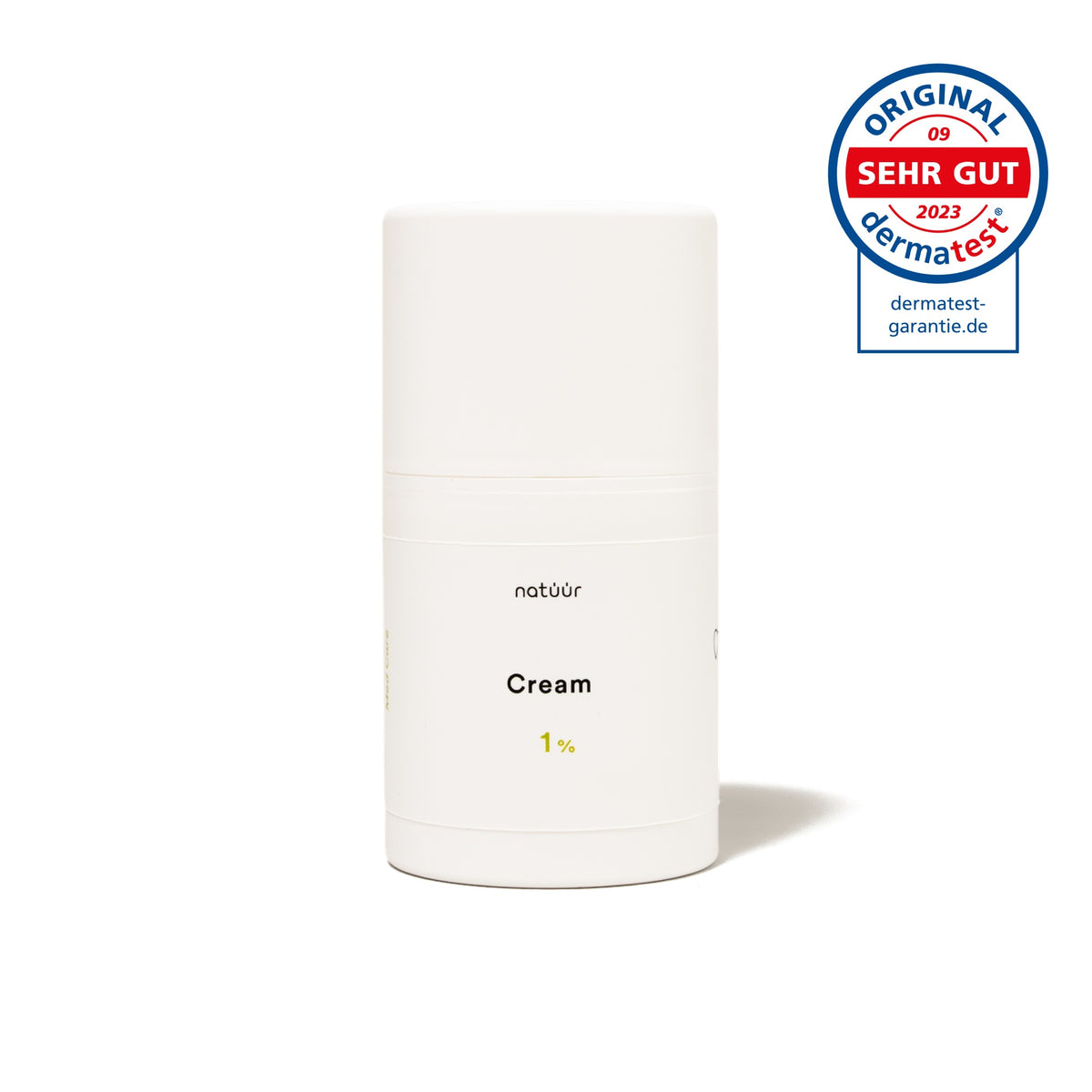
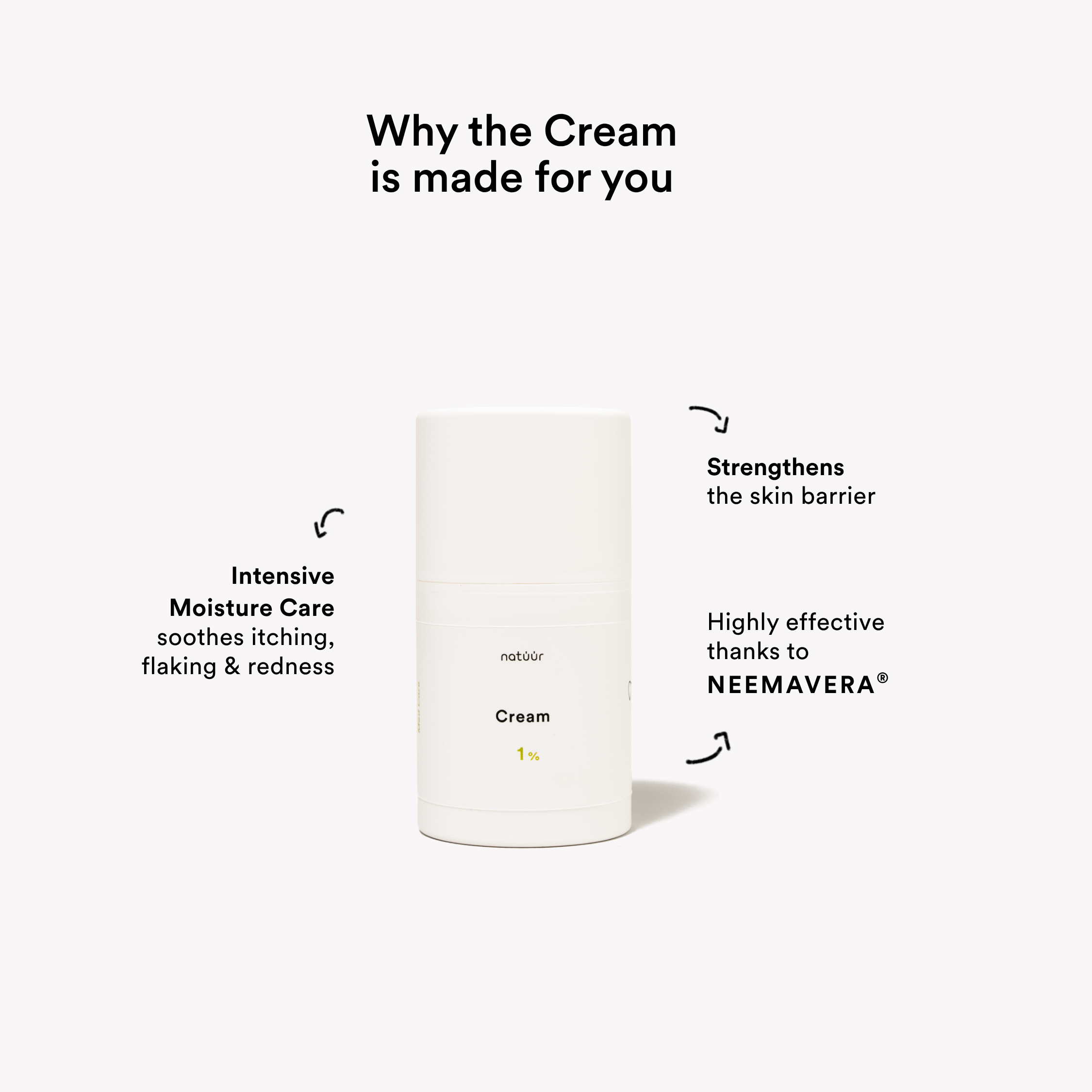
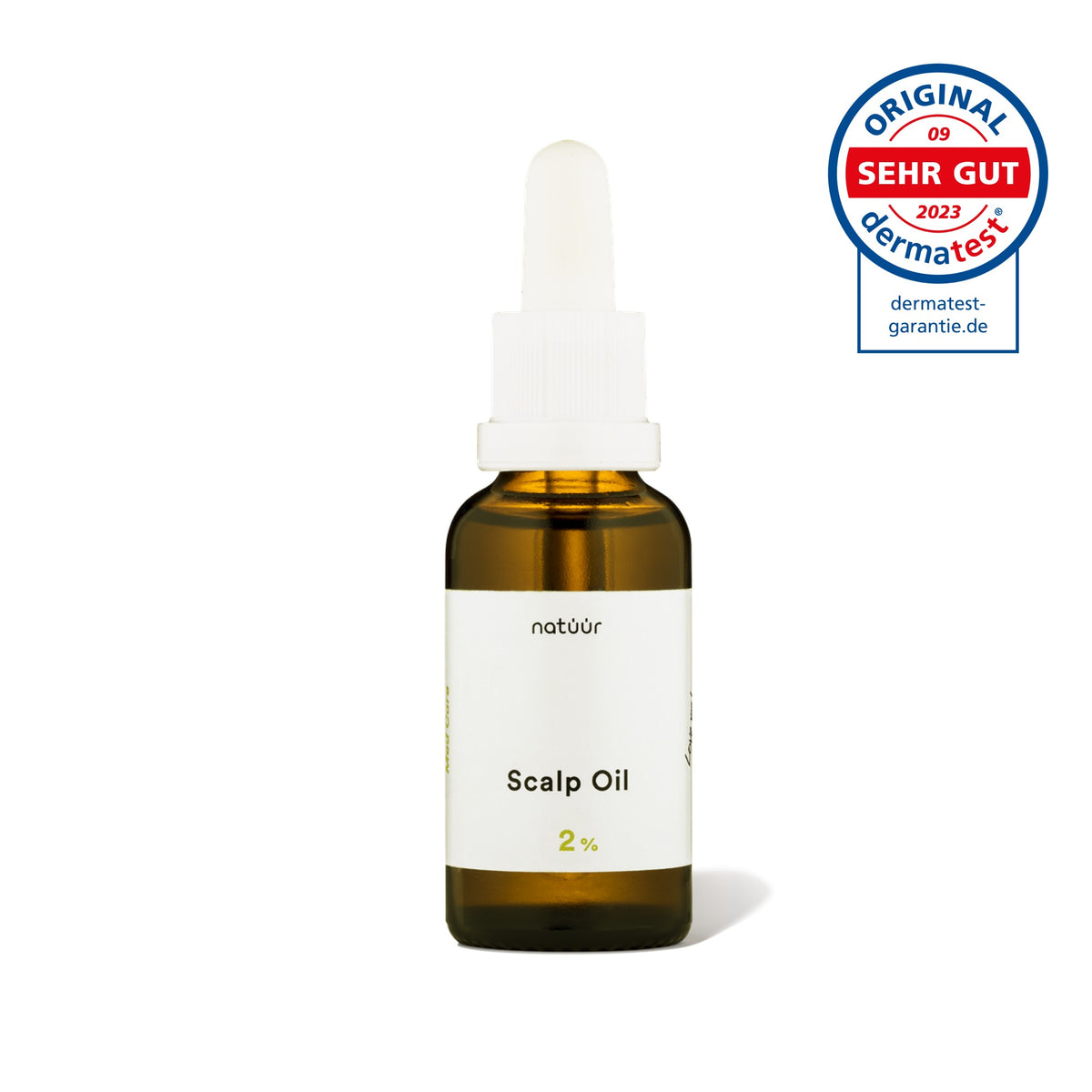
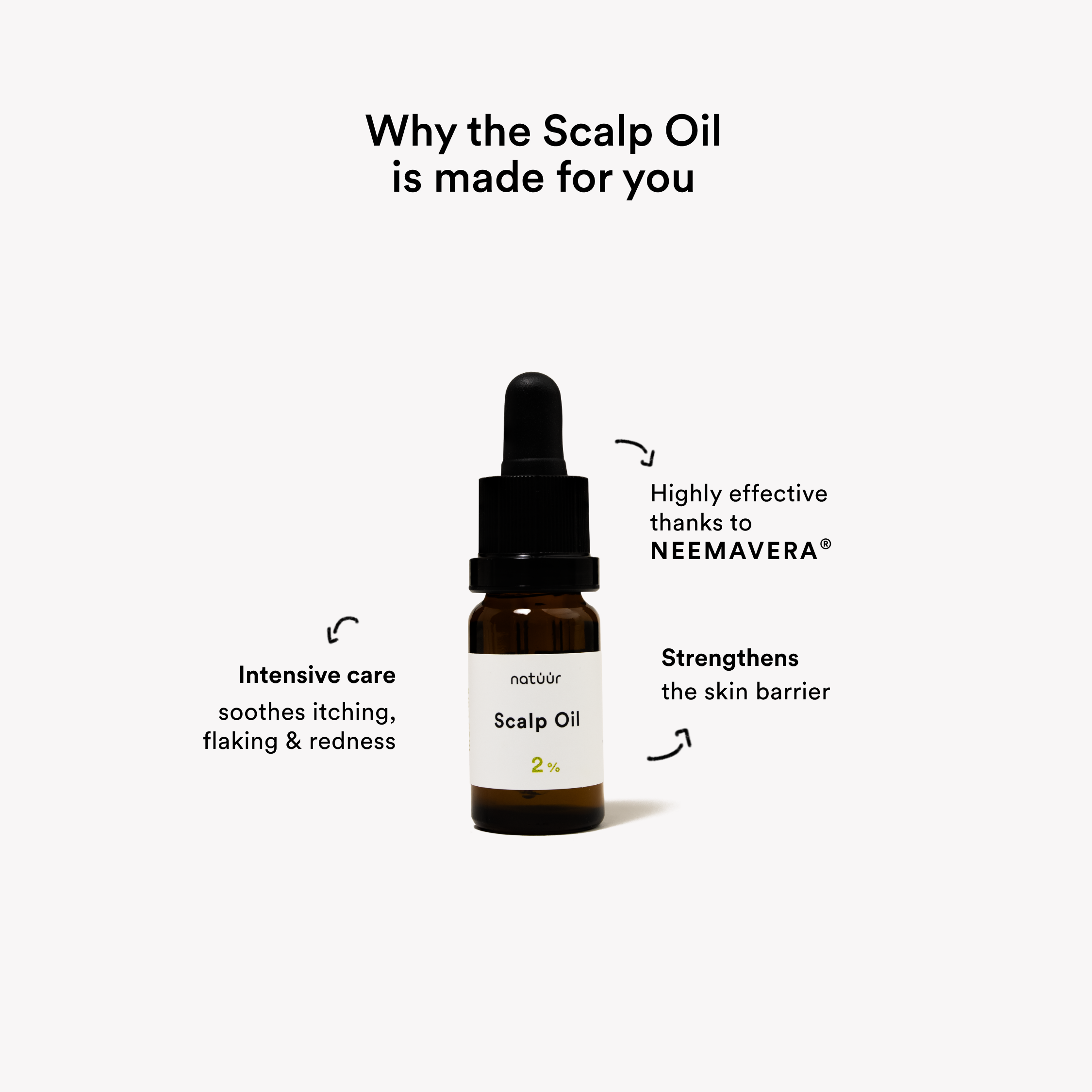
These differences are crucial for their respective applications – be it in Ayurvedic massage or skincare. At natüür, the focus is on neem leaf extracts. The patented NEEMAVERA extract, obtained from the leaves of our own neem trees, concentrates on polyphenols and flavonoids, which are particularly suitable for skincare.
Application in Ayurvedic Massages
In Ayurvedic massage, neem oil and neem leaf extract play a central role as they are specifically used for various therapeutic purposes. Both substances possess specific properties that have proven effective in practice.
Neem Oil for Massages
Neem oil is ideally suited for massages as its fatty acids intensively nourish skin and hair. It also contains vitamin E, triglycerides, and antioxidants, which enhance its effect in skincare.
"Neem oil purifies, repairs and heals from head to toe." - Team Kamaayurveda
For hair massages, it is recommended to mix neem oil in a 1:1 ratio with sweet almond or sesame oil. This mixture is gently massaged into the scalp and hair roots. For body massages, a combination of 2 parts neem oil and 1 part sesame oil has proven effective.
A traditional variant, where neem leaves are steeped in sesame oil, offers a milder effect than pure neem oil. This method reduces the strong cooling effect and makes the oil more pleasant to use. While neem oil is used directly, neem leaf extract opens up additional possibilities for individually customizing massage oils.
Neem Leaf Extract for Massages
Neem leaf extract is often incorporated into carrier oils or creams to achieve targeted anti-inflammatory and antibacterial effects. This form of application allows for precise dosing of the active ingredients.
Natüür's patented NEEMAVERA extract, obtained from its own neem leaves, is characterized by its skin-friendly properties. It can be easily integrated into various massage oils without significantly altering their consistency. This makes it particularly interesting for therapists who want to customize their oil blends.
Benefits for Different Doshas
The different extraction methods of neem show varying effects on Dosha balance. Neem oil is considered one of the coolest herbal oils in Ayurveda and particularly helps to balance the Pitta Dosha when there is too much heat in the blood. Its light and dry properties can also balance the Kapha Dosha. However, due to its cooling and drying properties, neem oil can aggravate the Vata Dosha. Therefore, it is often combined with other herbs.
Neem leaf extract works similarly by calming Pitta and Kapha Doshas. However, excessive use can also aggravate the Vata Dosha.
| Dosha Type | Neem Oil | Neem Leaf Extract |
|---|---|---|
| Pitta | Cooling and balancing | Soothing and anti-inflammatory |
| Kapha | Balancing due to light properties | Balancing, less drying |
| Vata | Can be aggravating, combination recommended | Can be aggravating with overuse |
"Ancient Ayurvedic texts describe Neem trees as 'Sarva Roga Nivarini' which means Universal Healer or curer of all Ailments." - Team Kamaayurveda
The versatile properties of neem support numerous bodily functions, including reproduction, digestion, respiration, and circulation. By choosing between oil and extract, therapists can specifically address the individual needs of their clients.
Skin Benefits and Efficacy
Neem is not only an all-rounder in massage therapy but also a real insider tip in skincare. Neem oil and neem leaf extract offer a wide range of benefits due to their numerous ingredients. With over 300 different compounds, including nimbin, nimbinin, nimbolide, nimandial, and ninnene, they are antiviral, antimicrobial, antifungal, antibacterial, and anti-inflammatory.
Neem Oil for Skin Problems
Neem oil, rich in fatty acids such as oleic acid (52.8%), palmitic acid (12.6%), and stearic acid (21.4%), as well as vitamin E, penetrates deep into the skin and helps regenerate dry and damaged skin.
"Neem oil is your one-stop solution for multiple skin problems. Its antibacterial properties are a natural cure for acne, while its anti-inflammatory benefits soothe eczema and psoriasis. Antifungal traits take on infections like athlete's foot, and its antioxidants combat aging signs." – Dr. Vinny Narayanan
Studies underscore the impressive wound healing effects of neem oil: a 2010 animal study showed better results than petroleum jelly, and a 2013 case study documented complete healing of chronic skin ulcers within 34 days.
Neem oil regulates sebum production, restores the skin's natural oil balance, and, through aspirin-like compounds, specifically targets pimples by drying them out and promoting healing. Additionally, it stimulates collagen production, which is particularly helpful in scar healing.
A 2017 study on hairless mice showed that neem oil effectively reduces wrinkles, skin thickening, redness, and water loss.
Neem Leaf Extract for Skin Health
Neem leaf extract offers a gentler alternative, especially for sensitive skin. It contains flavonoids and polyphenols, which have antioxidant, anti-inflammatory, and antibacterial effects.
With vitamin E and fatty acids, the extract strengthens the skin barrier, evens out skin tone, and reduces pigmentation. It fills small cracks in the skin, preventing moisture loss.
The anti-inflammatory compounds nimbidin and nimbin soothe irritated skin, while carotenoids slow down the aging process. Additionally, astringent properties firm the skin. For skin conditions like psoriasis and eczema, the extract reduces redness and itching. A 2019 study showed that soaps with neem leaf extract effectively inhibit the growth of various bacterial strains.
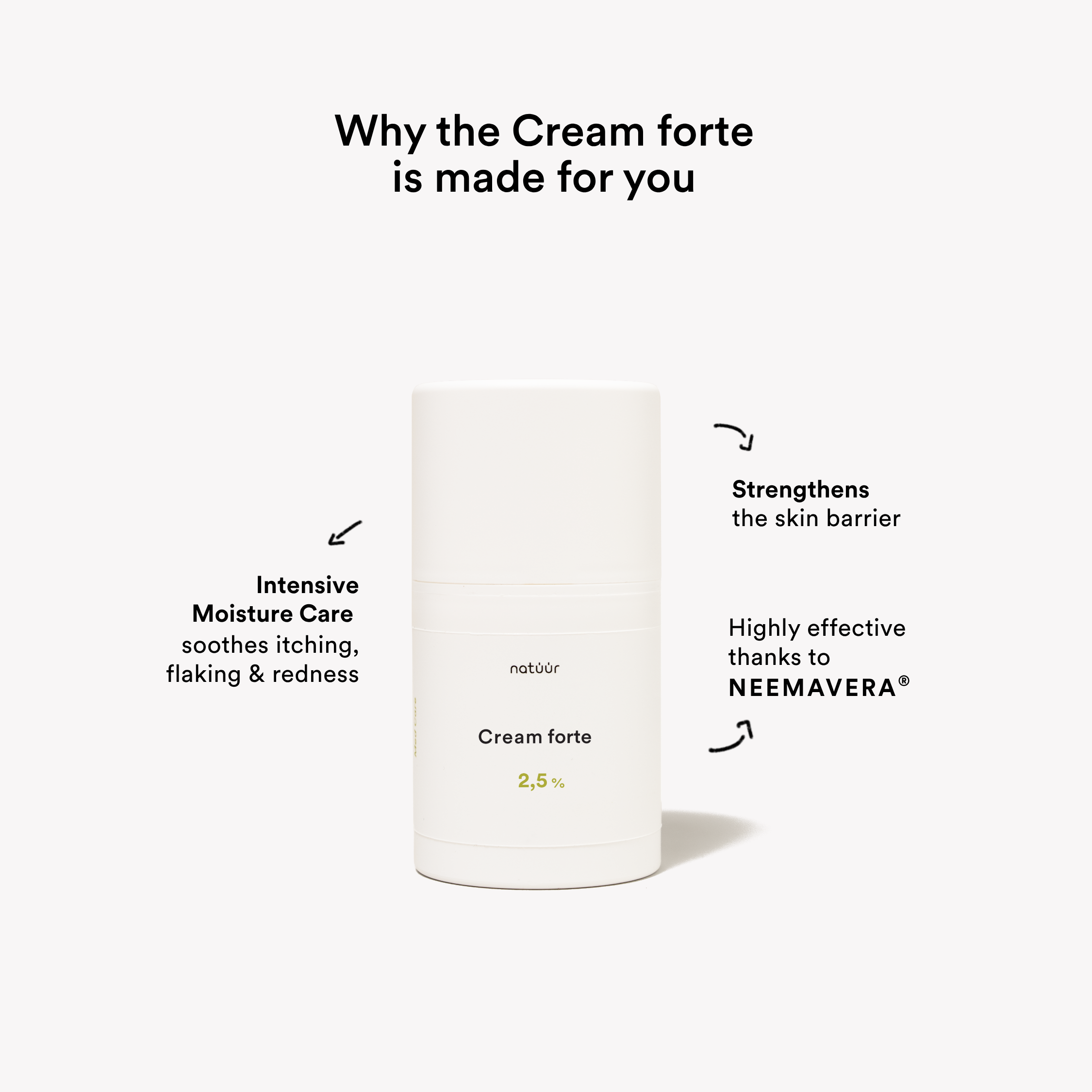
The specially developed NEEMAVERA extract from natüür specifically leverages these properties for sensitive skin. All natüür products rely on this skin-friendly leaf extract and deliberately avoid neem oil.
Comparison of Skin Benefits
| Skin Problem | Neem Oil | Neem Leaf Extract |
|---|---|---|
| Acne | Dries out pimples, regulates sebum production | Eliminates bacteria, soothes inflammation |
| Dry Skin | Penetrates deep due to fatty acids | Moisturizing with vitamin E |
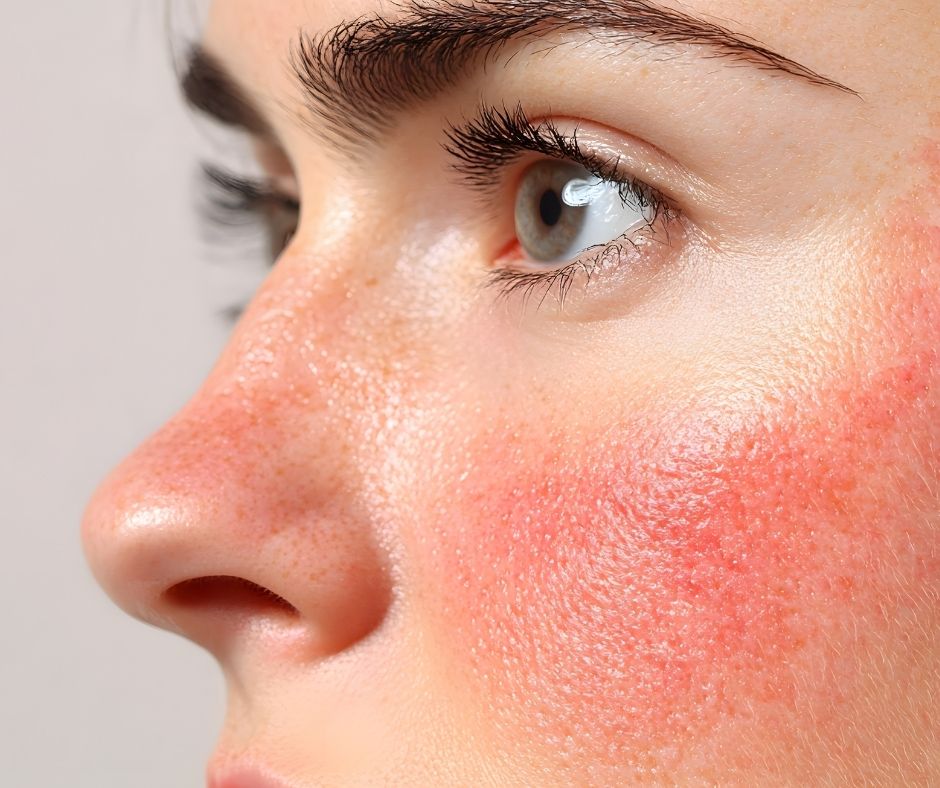
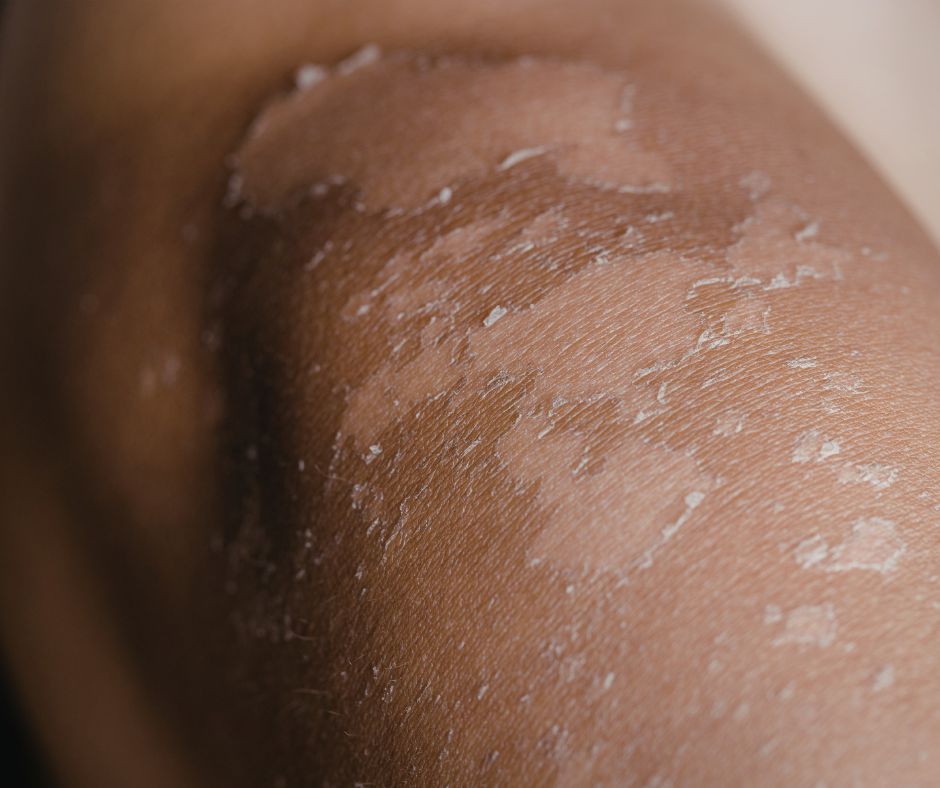
| Eczema/Psoriasis | Strongly anti-inflammatory | Gentle soothing, reduces redness |
| Aging | Promotes collagen production | Antioxidant effect due to carotenoids |
| Wound Healing | Scientifically proven healing effects | Less evidence-based |
| Sensitive Skin | Very potent, dilution required | Gentle, suitable for sensitive skin |
| Skin Tone | Less researched | Evens out pigmentation |
Neem oil is particularly effective, but due to its high concentration, it should be tested on a small skin area before application. Neem leaf extract, on the other hand, is gentler and is often recommended for sensitive skin.
Both variants offer antimicrobial properties, with neem oil extracts showing a stronger effect against fungal growth in studies – presumably due to the higher azadirachtin content in the seeds.
sbb-itb-ba17a98
Environmental and Ethical Aspects
The decision between neem oil and neem leaf extract has not only practical but also ecological and ethical implications. Both alternatives are considered more environmentally friendly compared to synthetic products, but they differ in their production and environmental impact. Here, we take a closer look at the ecological effects and sustainable production methods.
Environmental Impact
Neem is an impressively resilient plant. The trees can live up to 200–300 years and thrive even in highly degraded soils where other plants often have no chance. These properties make them an important tool against soil erosion and desertification.
The production of neem leaf extract is particularly resource-efficient, as the leaves can be harvested without harming the tree. In contrast, the production of neem oil requires harvesting the fruits, which can limit the availability of an important food source for birds and bats.
Both variants score with their biodegradability. Azadirachtin, the main active ingredient, has a half-life of only a few days in soil and water. On plant leaves, it decomposes even within 1 to 2.5 days.
An impressive example of the environmental benefits of neem comes from the Majjia Valley in Niger. Here, over 500 kilometers of neem tree windbreaks protect millet crops and increased yields by 20%. Additionally, neem trees lower the ambient temperature by up to 10 °C during hot summer months.
Production techniques also play a role: while solvent extraction of neem oil achieves high yields of 92.3% to 99.1%, it is less environmentally friendly than mechanical processes. The most gentle method is supercritical fluid extraction, but it comes with higher costs.
natüür's Responsible Approach
The Munich family business natüür is committed to ethically and ecologically sustainable production. For its patented NEEMAVERA extract, natüür exclusively uses neem leaf extract from its own trees on the world's largest organic neem plantation.
By choosing to use leaves instead of fruits, natüür not only protects the health of the trees but also the local wildlife that relies on the fruits as a food source. This method allows for continuous, gentle production.
Furthermore, natüür places great emphasis on sustainability: the products are 100% vegan, chemical-free, and offered in environmentally friendly packaging. The NEEMAVERA extract is obtained through a process that preserves the valuable ingredients while minimizing environmental impact.
Which Should You Choose?
The choice between neem oil and neem leaf extract depends entirely on your needs, skin type, and what values are important to you. Both options have their own strengths in Ayurvedic skincare but differ in some key aspects. Here's an overview of the main differences.
Key Points at a Glance
- Production: Neem oil is extracted from the seeds and contains fatty acids as well as azadirachtin. Neem leaf extract, on the other hand, comes from the leaves and provides flavonoids and polyphenols.
- Skincare: Neem oil intensely moisturizes and supports scar healing. Neem leaf extract offers gentle, antioxidant care. According to Dr. Vinny Narayanan, neem oil is particularly effective for skin problems because it combines antibacterial, anti-inflammatory, and antioxidant properties.
- Application: Neem oil is excellent for intensive massages, while neem leaf extract is ideal for daily, gentle care. Both help support the balance of Pitta and Kapha doshas.
- Practical: Neem oil should always be diluted with carrier oils such as jojoba, coconut, or almond oil and has a strong, characteristic odor. Neem leaf extract, on the other hand, has a milder aroma.
- Environment: Both variants are biodegradable, but the production of neem leaf extract is more resource-efficient.
Making Your Decision
Which option is better for you depends on your individual needs. Are you looking for intensive moisturizing care and protection against skin infections? Then neem oil might be the right choice. However, you should perform a patch test before use, as neem oil can be irritating in high concentrations.
If you prefer gentler care with antioxidant benefits and value sustainability, neem leaf extract is the better choice. This variant is not only gentler on the skin but also more environmentally friendly.
natüür consciously relies on neem leaf extract and has developed the patented NEEMAVERA extract from it. This approach combines effectiveness, skin-friendliness, and sustainability. The products are dermatologically tested, 100% vegan, and free from harmful chemicals such as parabens and silicones.
As described above, you should base your choice on your skin type, care goals, and values. Both variants have a long tradition in Ayurvedic healing arts, dating back over 2,000 years, and the neem tree has been honored by the United Nations as the "tree of the 21st century."
FAQs
What are the differences in the production and effectiveness of neem oil and neem leaf extract?
Neem oil and neem leaf extract differ both in their production and areas of application. Neem oil is obtained by pressing the dried and ground seeds of the neem tree. The resulting oil contains numerous fat-soluble active ingredients, including azadirachtin, known for its protective properties. This composition makes neem oil ideal for caring for dry skin and natural pest control.
Neem leaf extract, on the other hand, is obtained from the leaves of the neem tree. Water or alcohol extractions are often used in production to extract valuable antioxidants and anti-inflammatory substances. These properties make the extract particularly popular in traditional medicine, for example, in the treatment of skin problems such as eczema or to strengthen the immune system.
The decision between neem oil and neem leaf extract depends on the desired application. Neem oil is excellent for external applications, such as skin care and protection, while neem leaf extract is primarily valued for its supportive and regenerative properties.
Which skin types benefit from neem oil and which from neem leaf extract?
Neem oil is particularly helpful for oily skin and skin prone to blemishes, as it has anti-inflammatory and antibacterial properties. It helps to improve the complexion and reduce excess oil.
Neem leaf extract, on the other hand, is excellent for sensitive and irritated skin. With its soothing properties, it can reduce redness and gently care for the skin.
In general, both ingredients are suitable for all skin types but offer different benefits depending on the skin's needs.
Why is neem leaf extract more sustainable and environmentally friendly compared to neem oil?
Neem leaf extract is considered a more environmentally friendly alternative to neem oil because its production places less strain on nature. While neem oil is obtained by pressing the seeds, which stresses the neem trees, neem leaf extract relies on the use of the leaves – a process that spares the trees.
The production of neem leaf extract also requires fewer resources and is less complex, which reduces environmental impact. For anyone who values eco-friendly skincare, neem leaf extract is therefore a particularly good choice.