








Self-Acceptance: How to Feel Comfortable in Your Own Skin
In a world full of comparisons and perfectionism, many people find it hard to accept themselves as they are. Insecurity and self-doubt show up in self-critical thoughts such as "I'm not sporty enough", "I'm not good enough" or "I keep making mistakes". Self-acceptance can help to turn down the volume on this inner critic – and help you feel more at ease in your own skin again.
Self-love or self-acceptance?
Self-love is a big topic these days. "Love yourself just as you are" – that is not only easier said than done, it can also feel pretty overwhelming. Do you really have to love everything about yourself? No. How about self-acceptance instead? Isn't it just as important to accept yourself and your supposed "flaws"?
| Term | What it means | Aspiration |
|---|---|---|
| Self-acceptance | Accepting everything that is part of you | "I'm okay just as I am." |
| Self-love | A warm, loving attitude towards yourself | "I like myself." – often a high goal |
| Self-esteem | How valuable you consider yourself as a person | Grows along with self-acceptance |
| Self-confidence | How sure you are of your abilities | Is strengthened by putting your strengths into practice |
What self-acceptance means
Self-acceptance does not mean denying or glossing over your weaknesses, or constantly focusing only on the positive. Rather, it means that you are aware of your imperfections, accept them and still accept yourself as a whole, just as you are – with your weaknesses, but also with your strengths and unique qualities.
How do I accept myself as I am?
When you celebrate your strengths and focus on them, you build self-confidence. At the same time, it helps to see your weaknesses not as deficits, but as areas in which you can grow and develop – if you want to. These tips can strengthen your self-acceptance:
1. Self-reflection

To develop self-acceptance, open and honest self-reflection is important. This means looking at the image you have of yourself – with strengths, weaknesses and self-doubt.
"How do I see myself?" Ask yourself this question and write down everything that comes to mind. Don't lie to yourself and don't sugar-coat anything. Approach it honestly and thoughtfully – that is the only way your self-acceptance can really grow. Without judging yourself, you will recognise your "weaknesses" in this way. Everyone has areas in which they are good and areas in which they could improve. You can embrace them as an opportunity to develop – not as an obstacle, but as a chance to learn something new and get to know yourself better.
You can divide your "weaknesses" into two categories:
- Things you cannot change, for example your height.
- Things you can work on, for example fitness or jealousy.
Remind yourself that the things you cannot change are part of what makes you unique, and try to accept them. Focus on the "weaknesses" you can influence and think about how you want to tackle them. Set yourself realistic goals and recognise that you can develop without having to be perfect. The focus is on your own progress – not on unrealistic standards.
2. Make your strengths visible

Especially if you are often plagued by self-doubt, it helps to remind yourself of your positive qualities. A simple, effective method: write little notes listing things you are good at, challenges you have overcome and qualities you like about yourself. Stick the notes on the mirror, on the front door or in other highly visible places.
3. Practise self-compassion

Having flaws and weaknesses is completely normal. So treat yourself with the same kindness and understanding that you show others.
If you catch yourself criticising or judging yourself, remember: flaws and weaknesses are part of being human. Everyone has them, including you – and that's okay. A small exercise: ask yourself what you would say to a good friend in the same situation, and then say it to yourself.
4. Look for support from the people around you

Talking to friends or family about your feelings and challenges does you good. When you share your experiences and receive support, you feel less alone and more accepted. Sometimes professional support such as coaching can also help. And if self-doubt is weighing heavily on you or affecting your everyday life, psychotherapy may be the right step.
5. Be kind to your body
"Feeling comfortable in your own body" does not mean you have to find it perfect. It can already help to shift your focus away from appearance towards what your body does for you every day. Small self-care rituals – a walk, enough sleep, mindfully applying cream in the evening – are moments in which you do something good for yourself.
Self-acceptance with skin conditions
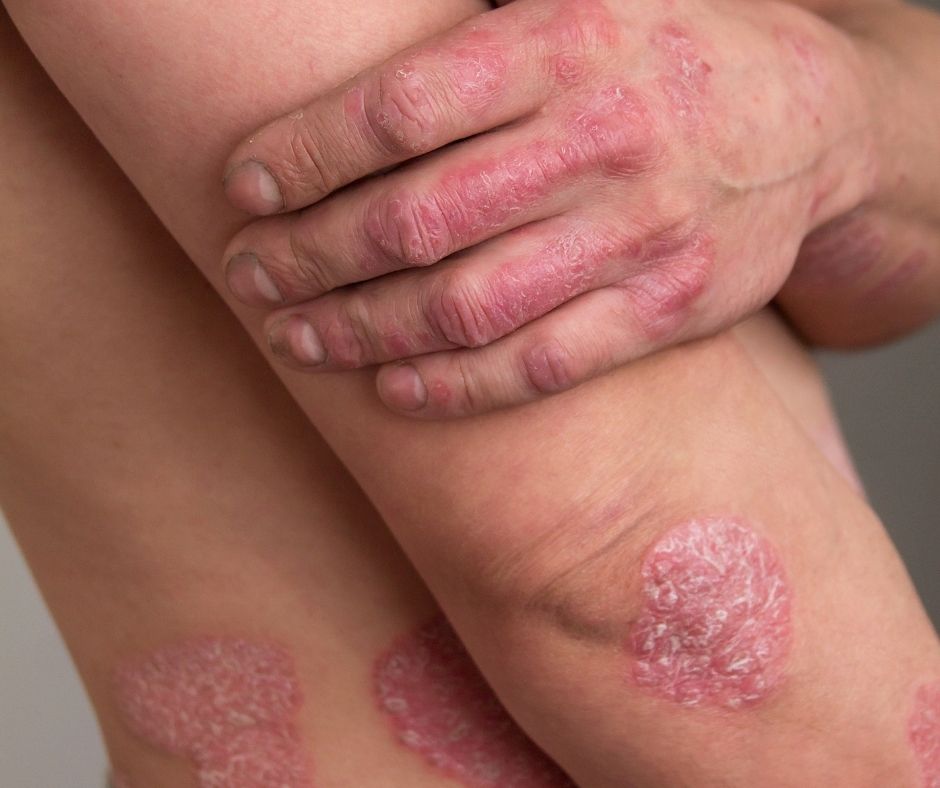
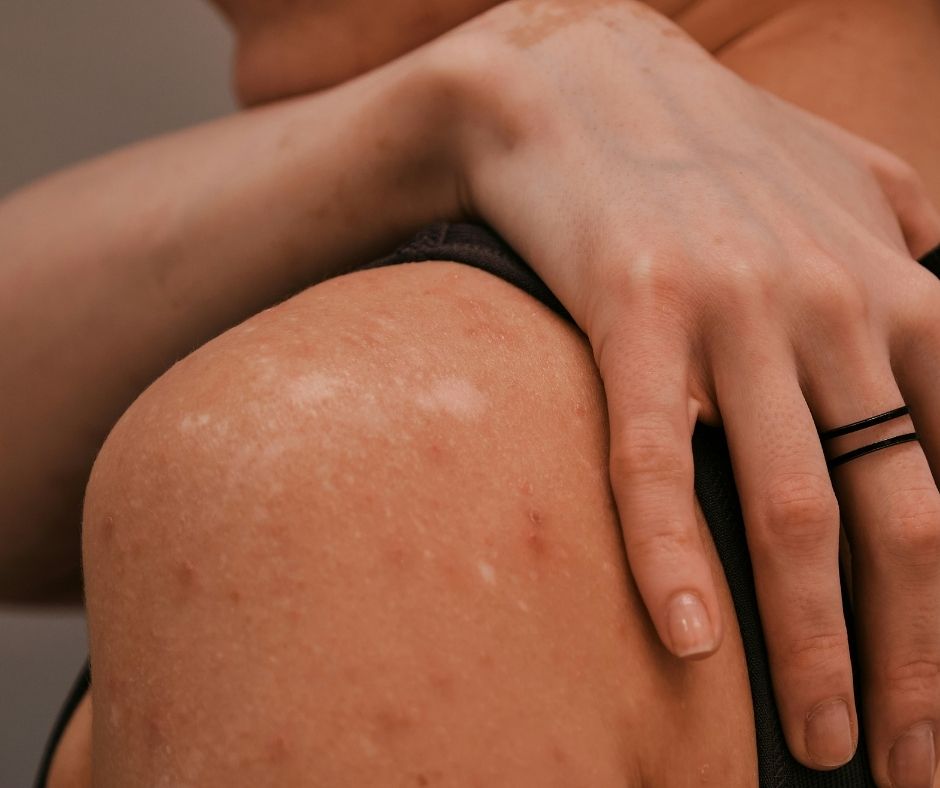
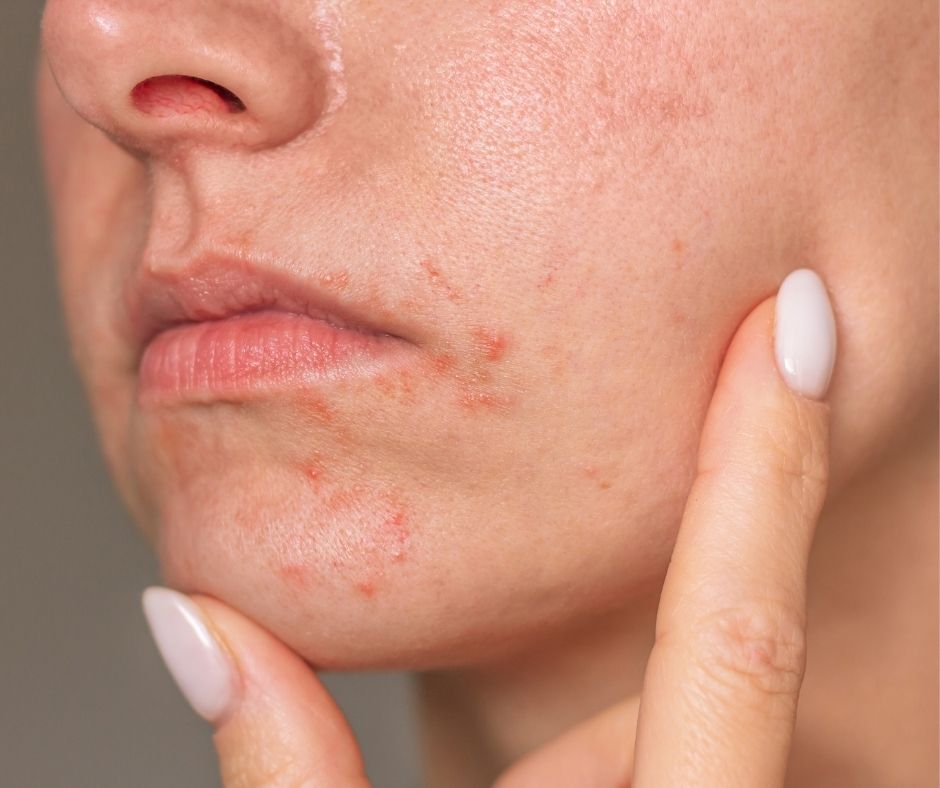
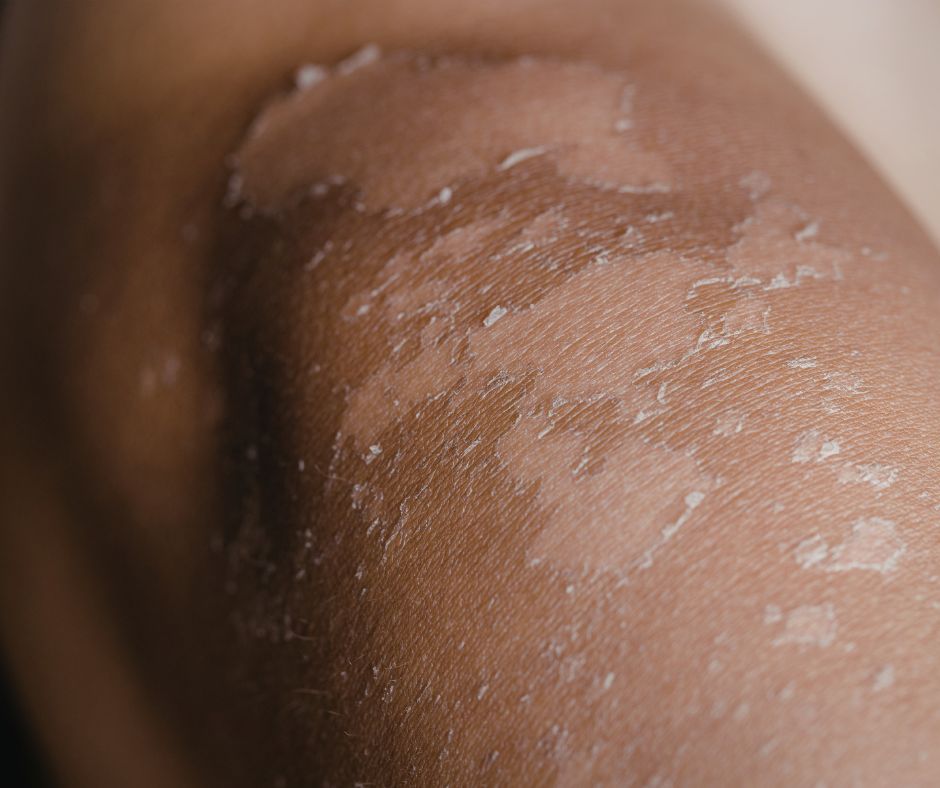
Feeling comfortable in your own skin is often particularly difficult for people with visible skin conditions such as psoriasis, atopic dermatitis or acne. Looks, questions or well-meant advice can be unsettling, and many people withdraw. Here, self-acceptance does not mean having to like the condition. It means not defining yourself by your skin – your skin is a part of you, but not everything that makes you who you are.
- Knowledge gives you confidence: If you understand your condition well, you can answer questions more calmly.
- Sharing helps: Others who are affected know exactly how it feels.
- Skincare as self-care: A routine that does your skin good is also a moment for you.
We explain in detail how closely the skin and the mind are linked in Psoriasis and the mind. And you can read why many statements about atopic dermatitis are simply myths in 3 myths about atopic dermatitis.
What self-acceptance brings you
It is completely fine not to love yourself, but "just" to find yourself okay. Self-acceptance promotes a positive, healthy basic feeling towards yourself, which strengthens your self-esteem and a positive inner attitude.
When you accept yourself, you stop constantly comparing yourself with others and recognise the value of your individuality. You become more grounded and are less hurt and influenced by other people's comments or reproaches.
Accepting yourself as you are is an ongoing process. Progress and setbacks are completely normal and part of it. It's absolutely okay if things don't go as well as you had hoped. Progress looks different for everyone, every path is individual – just like you.
Frequently asked questions
What does self-acceptance mean?
Self-acceptance means accepting yourself as you are, with your strengths, weaknesses and quirks – honestly, without glossing over anything and without putting yourself down.
What is the difference between self-love and self-acceptance?
Self-love is a loving attitude towards yourself and, for many, a high goal. Self-acceptance is more modest: you do not have to love everything about yourself, but find yourself okay as a whole.
How can I strengthen my self-acceptance?
Through honest self-reflection, by making your strengths visible, practising self-compassion, seeking support from the people around you and being kind to your body. Patience is important – self-acceptance is a process.
How can I feel comfortable in my skin with a skin condition?
It helps not to define yourself by your skin, to inform yourself about your condition, to talk to others who are affected and to see skincare as a moment of self-care. If the burden is heavy, professional support can also help.