






7 Natural Remedies for Psoriasis: What Really Helps
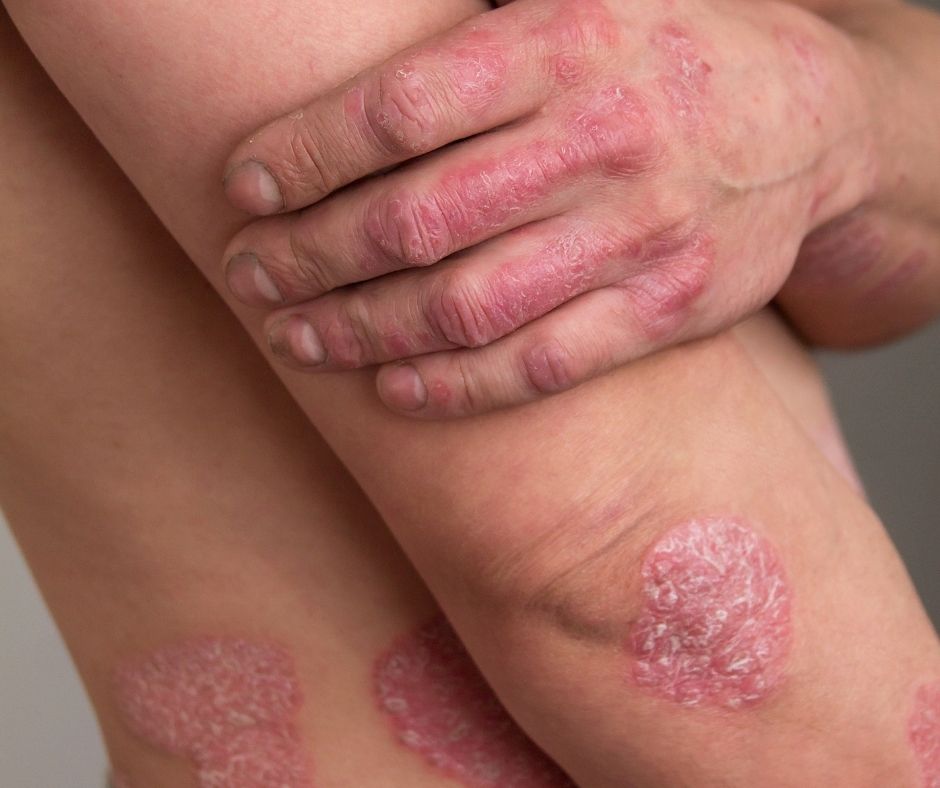
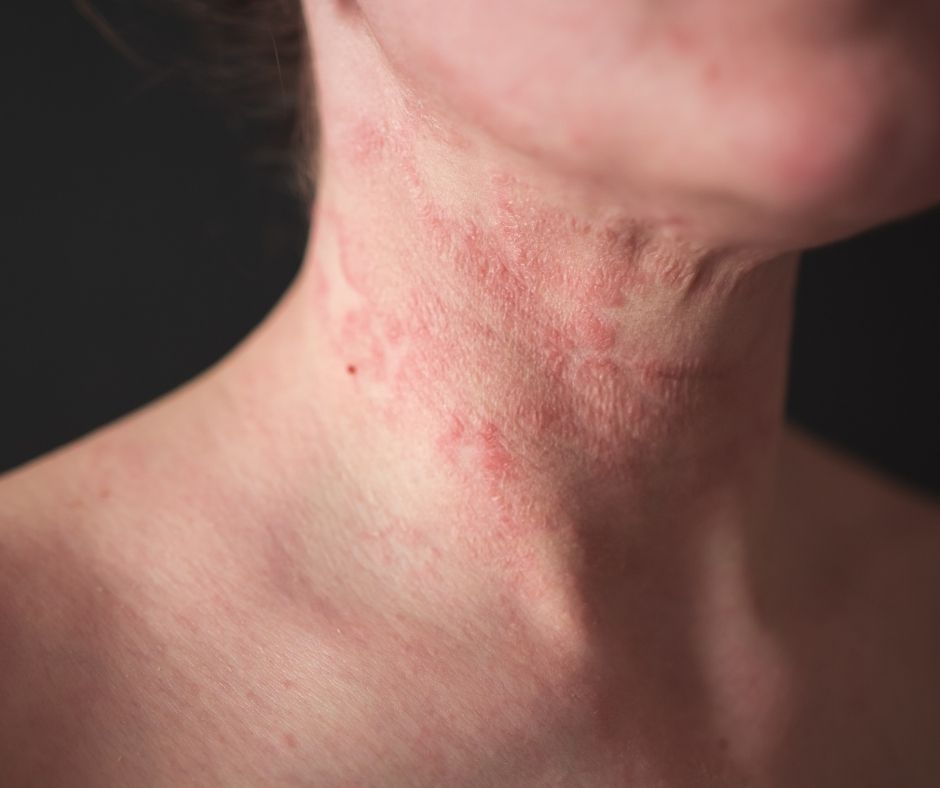
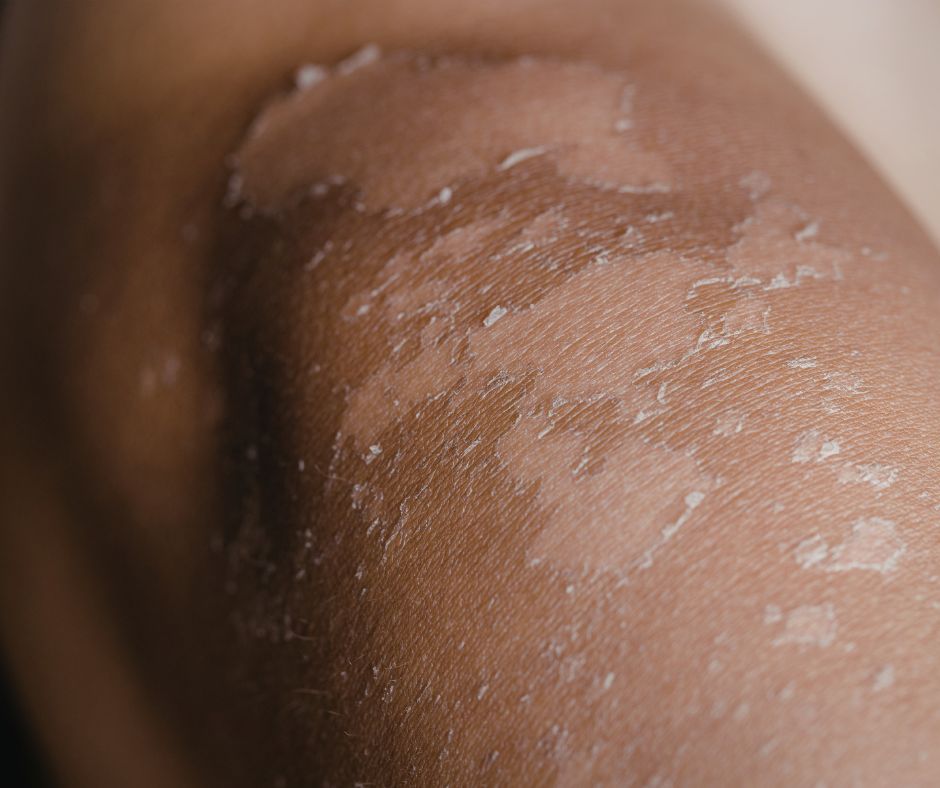
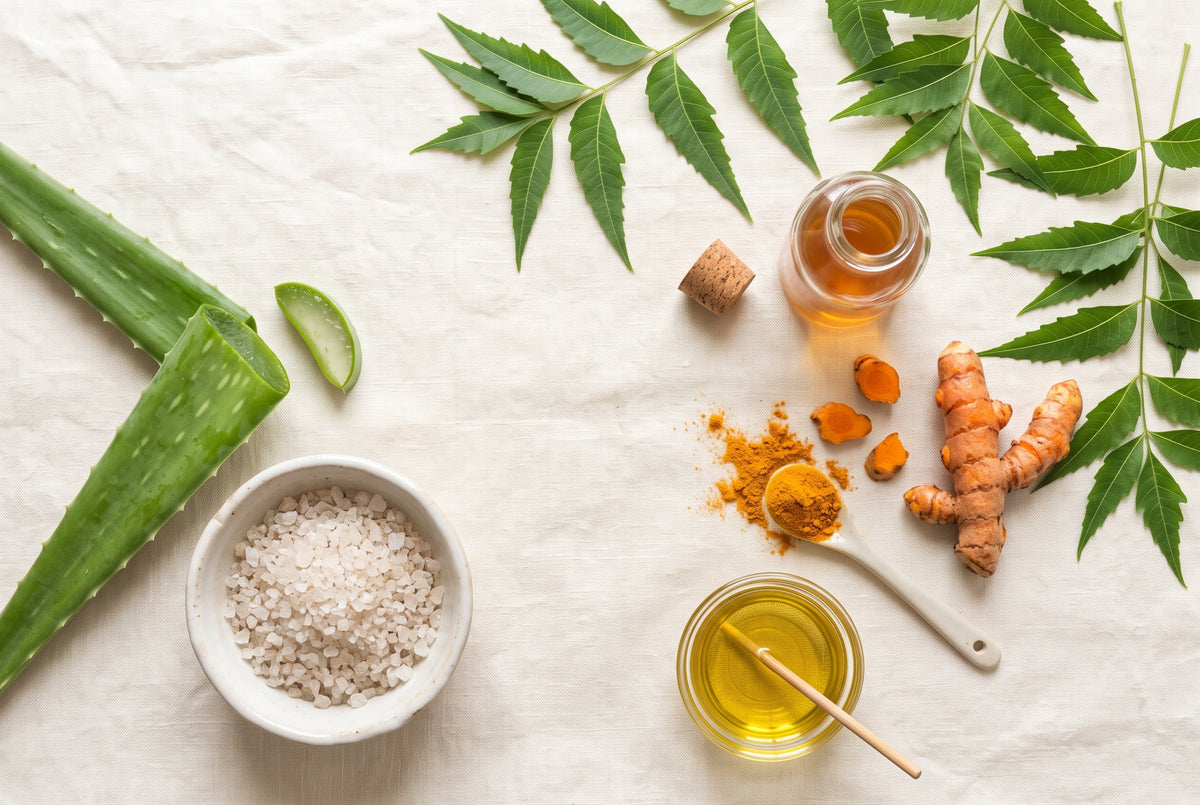
Psoriasis affects millions of people and leads to scaly, inflamed skin. Natural remedies can help soothe the skin alongside treatment – often without the side effects of some strong medications. They are no substitute for a prescribed therapy such as cortisone, but they can be a useful complement to it. Here are the seven best approaches, honestly assessed:
- Neem: Anti-inflammatory, ideal for irritated skin.
- Aloe vera: Eases redness, provides moisture.
- Dead Sea salt baths: Reduce itching and scaling.
- Apple cider vinegar: Especially popular for scalp psoriasis.
- Turmeric: Anti-inflammatory, as a supplement or a paste.
- Tea tree oil: Antimicrobial, good for the scalp.
- Avocado oil: Helps the skin retain moisture.
These remedies are easy to use and can complement medical treatment. Tip: Always do a patch test first and check with your doctor.
7 natural remedies for psoriasis
Here are seven methods that can help you tackle psoriasis symptoms – simply and naturally.
1. Neem
Neem contains nimbin and nimbidin, among other compounds. In laboratory studies, these plant compounds had anti-inflammatory, antibacterial and antifungal effects, which makes them interesting for caring for skin with psoriasis. Neem can accompany existing treatments.
How to do it: Mix neem leaf extract in a ratio of 1:4 with a carrier oil such as almond oil and apply the mixture gently to the affected areas of skin.
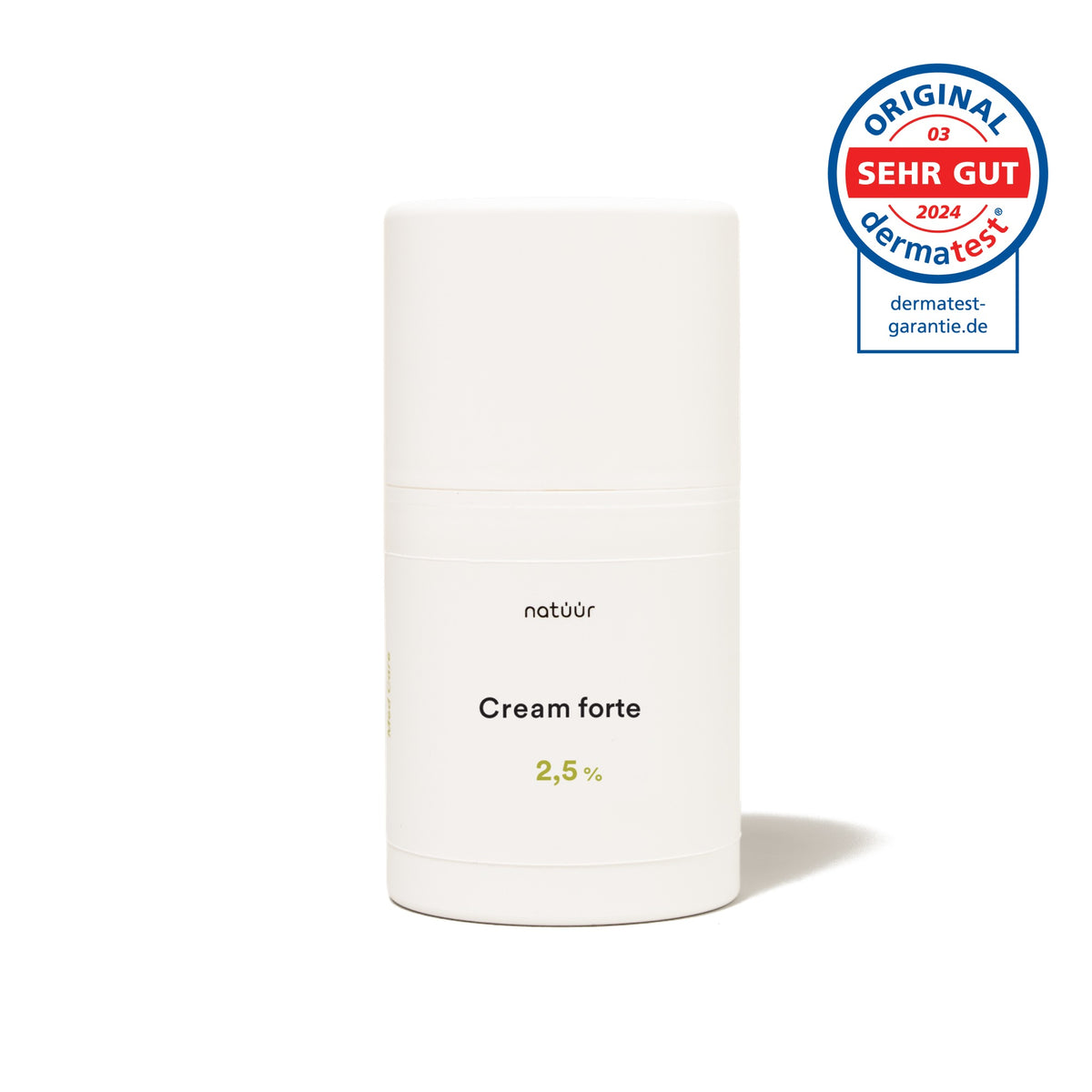
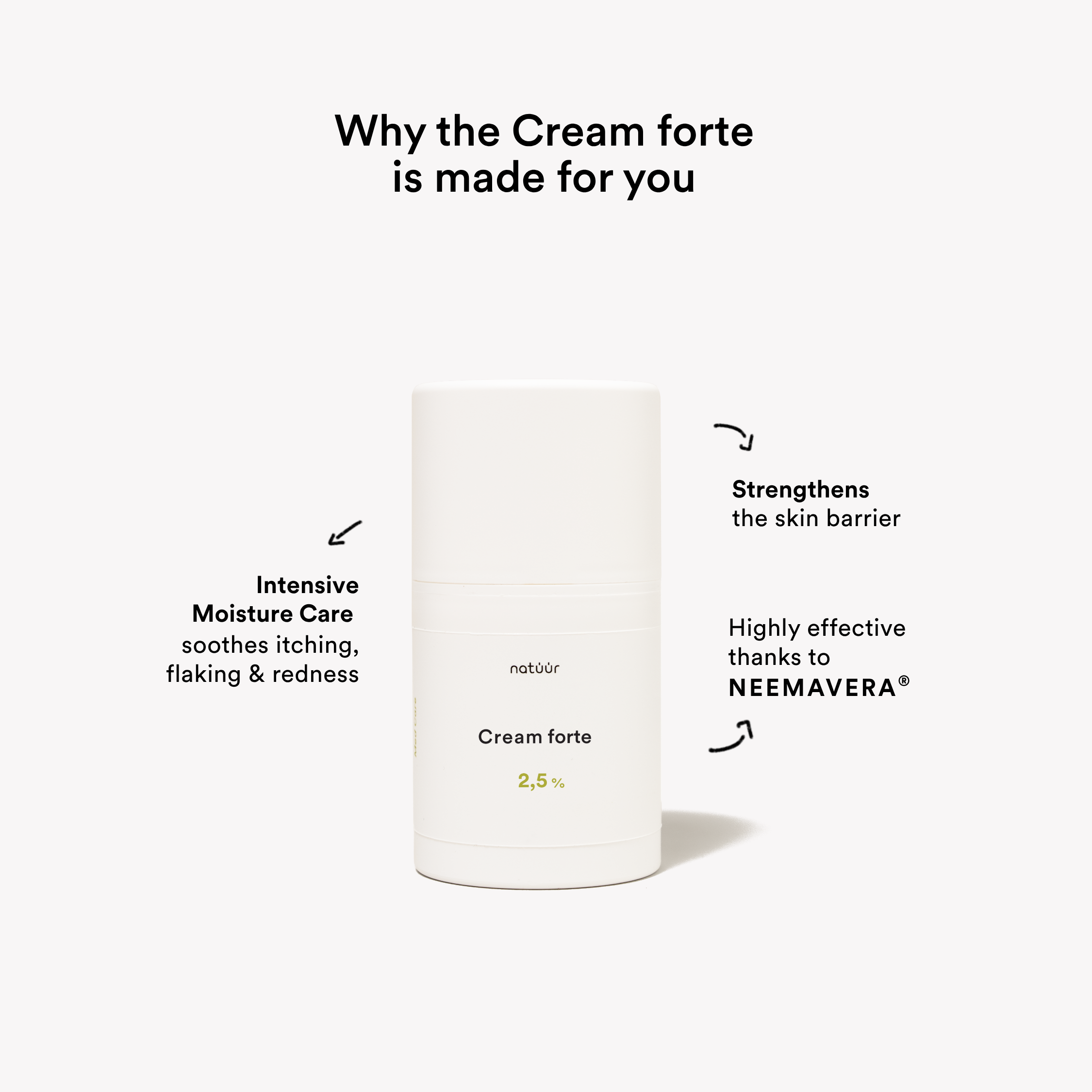
Easier with ready-made skincare: When you mix your own, you have to keep an eye on dosage and shelf life yourself. It is more convenient to use skincare that already contains neem: all natüür products contain NEEMAVERA®, our concentrated extract from neem leaves grown on our own plantation in Paraguay. For thick, scaly patches, try Cream forte with 2.5 % NEEMAVERA® and almond oil. For a complete routine, there is the Pso Kit with Skin Balm, Cream forte and Scalp Oil.
2. Aloe vera
Aloe vera has shown positive results for psoriasis in studies; a concentration of around 0.5 % is particularly effective.
How to use: Apply pure gel directly to the skin up to three times a day and let it absorb.
3. Dead Sea salt baths
Baths with Dead Sea salt can reduce itching and scaling. The ideal water temperature is 36–37 °C.
| Bath duration | Amount of salt | Frequency |
|---|---|---|
| 15 minutes | 1–2 cups | 2–3 times a week |
| 20 minutes | 2–3 cups | For more severe symptoms |
4. Apple cider vinegar
Apple cider vinegar is a popular home remedy – especially for psoriasis on the scalp. Its mild acidity can loosen scales and relieve itching on the scalp.
How to go about it: Dilute apple cider vinegar 1:1 with water, apply the mixture to the affected areas of your scalp after washing your hair, leave it on for a few minutes and then rinse thoroughly. Once or twice a week is usually enough.
Important: Do not apply to open, bleeding or scratched areas – the acid stings there and causes further irritation. Test the mixture on a small area first. If your scalp is very dry, apple cider vinegar may be too harsh; in that case, a mild, replenishing scalp oil is the gentler choice.
5. Turmeric
Curcumin, the main active compound in turmeric, has anti-inflammatory properties. You can take it as a supplement, use it in food or apply it as a paste.
6. Tea tree oil
Tea tree oil has antiseptic properties that can be helpful above all for scalp psoriasis. Dilute it with a carrier oil and test it on a small area before use to check that your skin tolerates it.
7. Avocado oil
Avocado oil contains rich fatty acids that help the skin retain moisture. You can apply it directly to the affected areas.
Important notes:
- Test each remedy on a small patch of skin before use.
- These approaches do not replace medical treatment, but they can complement it.
Using these remedies correctly and responsibly is key to good results.
Using natural remedies safely
Patch test and allergies
A patch test helps you spot possible skin reactions early. Apply a small amount of the remedy to your skin and watch the area for 24–48 hours.
| Step | What to do | Timeframe |
|---|---|---|
| Do the test | Apply a small amount behind the ear | Right at the start |
| Check the reaction | Look at the skin for redness or irritation | After 24–48 hours |
| Extend use | If there is no reaction, apply to larger areas | After a successful test |
Take particular care with essential oils such as tea tree oil, as they can cause skin irritation. Always use such products sparingly and with care.
Combining with medical treatments
You should coordinate natural remedies carefully with any existing medical treatments. Ideally, add natural approaches to your treatment plan in consultation with your dermatologist.
What to keep in mind:
- Tell your doctor which remedies you are using.
- Watch out for possible interactions, e.g. between turmeric supplements and blood-thinning medication.
- Keep a record of the effects so you can adjust how you use them if needed.
- Always discuss changes with your doctor.
- If you also notice joint pain, swollen fingers or stiff joints in the morning, have it checked. It could be psoriatic arthritis.
Quality matters: Choose high-quality products from trustworthy manufacturers. Certifications and quality seals offer good guidance.
Conclusion: natural help for psoriasis
The remedies presented here can be a helpful complement for psoriasis. Their anti-inflammatory, moisturising and soothing properties support the skin and can relieve symptoms.
Overview of the remedies
Here is a summary of the key remedies and their benefits:
| Remedy | Main benefits |
|---|---|
| Neem | Works against inflammation |
| Aloe vera | Eases redness |
| Dead Sea salt | Reduces itching |
| Apple cider vinegar | Loosens scales, especially on the scalp |
| Turmeric | Anti-inflammatory |
| Tea tree oil | Antimicrobial effect |
| Avocado oil | Provides moisture |
Combined, the positive effects of these remedies can reinforce each other, and they work well alongside medical treatments.
Consulting professionals
Before you try natural products, you should talk to a dermatologist. That way, individual reactions and possible interactions can be taken into account. Also look for high-quality products from trustworthy brands such as natüür that specialise in natural skincare.
With the right mix of natural remedies and professional support, you can get your psoriasis under better control and improve your quality of life.
natüür products for psoriasis
Choosing the right products plays a key role in the natural care of skin with psoriasis. natüür develops neem-based skincare specifically for sensitive skin prone to psoriasis – vegan, dermatologically tested, made in Germany and free from parabens and artificial colourants. Particularly relevant for psoriasis:
| Product | What it is for |
|---|---|
| Pso Kit | A coordinated set made specifically for daily psoriasis care |
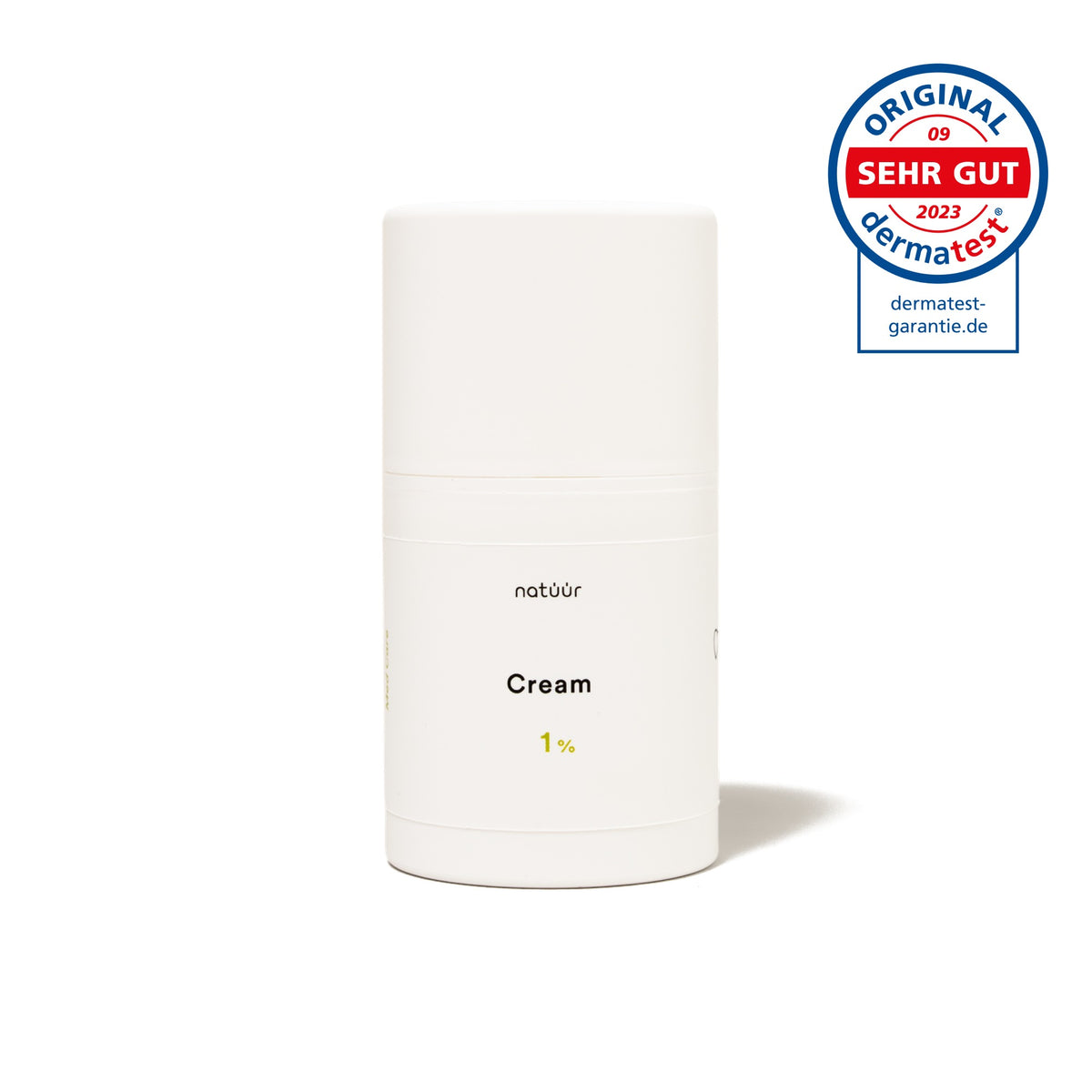
| Cream forte | Intensive, cortisone-free care for thick, hardened plaques |
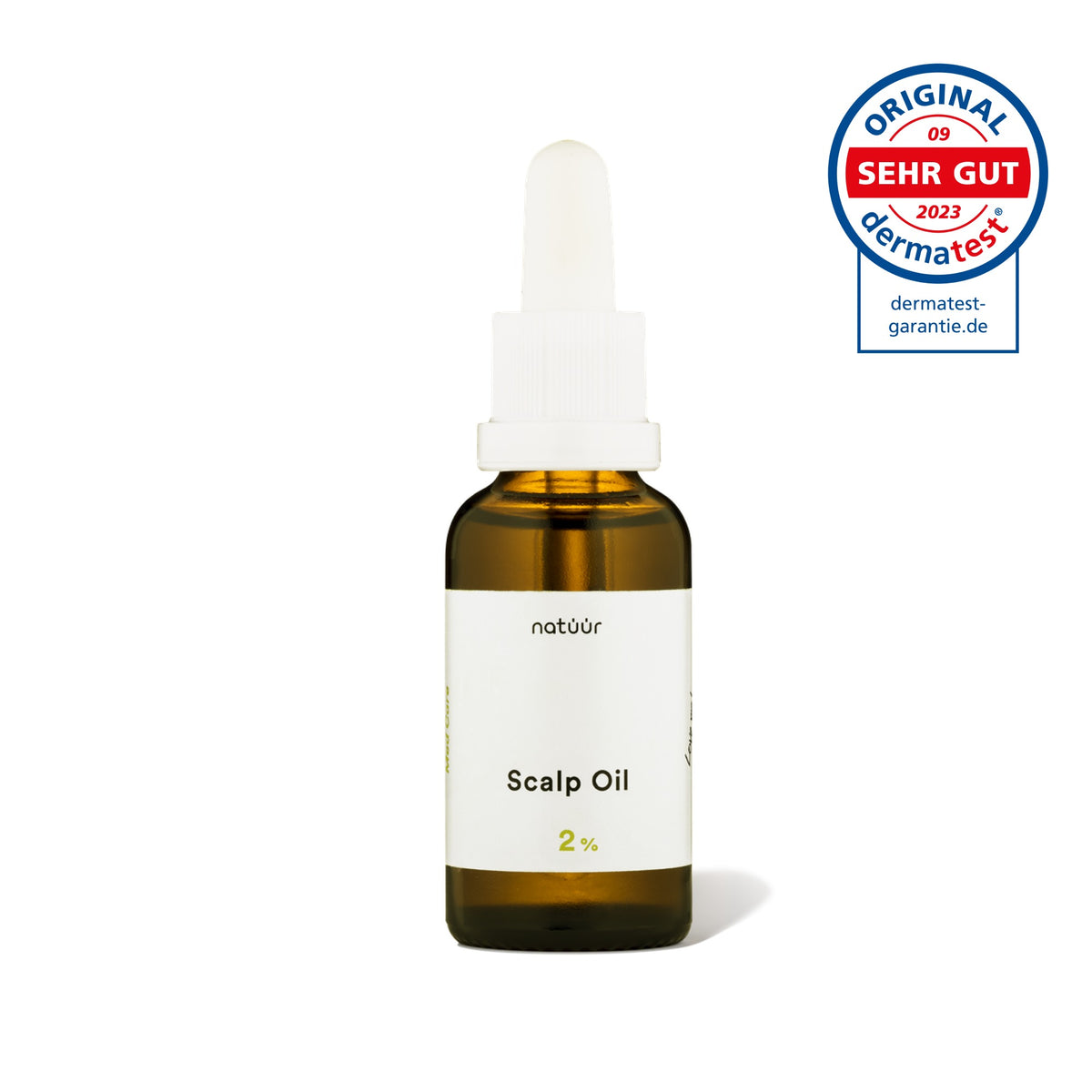
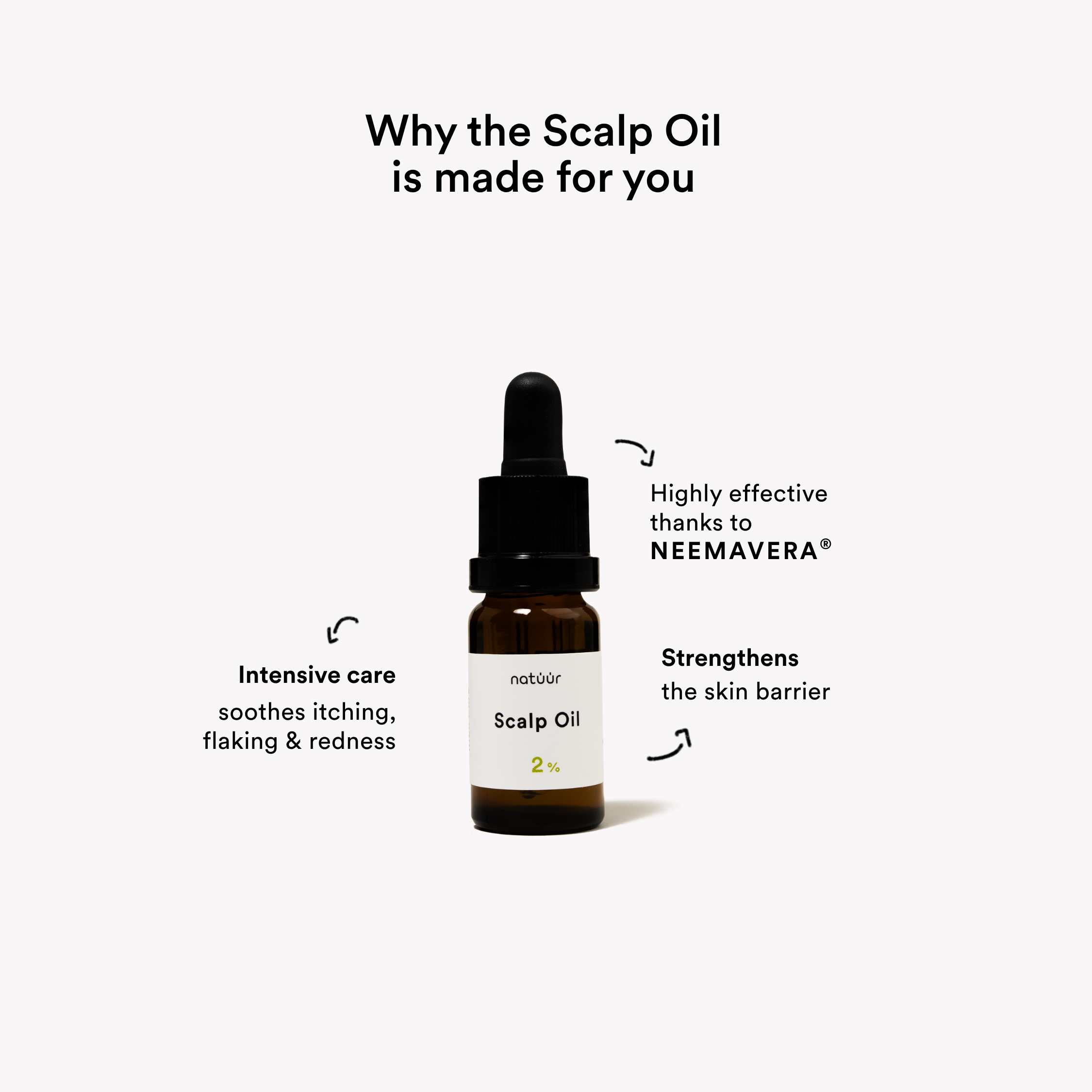
| Scalp Oil | Soothes the scalp when there is flaking and itching |
You can find an overview of all skincare options in the psoriasis collection. As described in the section “Using natural remedies safely”, the same applies here: do a patch test on an inconspicuous area before using a product for the first time.
FAQs
How can you support psoriasis care?
A mix of several approaches often achieves the best results. An overview:
| Area | Measures |
|---|---|
| Skincare | Moisturising care with neem, mild, pH-neutral cleansing |
| Natural remedies | Neem, aloe vera and the other remedies mentioned in this article |
| Baths | Dead Sea salt, oat baths at 36–37 °C |
| Diet | Foods rich in omega-3, add turmeric |
Key principles:
- Daily care: After showering, use mild, pH-neutral products to cleanse the skin and keep it moisturised.
- Natural remedies: The remedies described can be a valuable complement – always do a patch test first.
- Professional support: A dermatologist can help tailor treatment to you.
A consistent combination of skincare, natural approaches and a balanced diet can noticeably reduce symptoms. For individual recommendations, contact a dermatology practice.