





Sunburn: What Really Helps and When to See a Doctor
A day at the lake, an hour too long in the sun, and by the evening your skin is red, hot and tight. Sunburn is more than a cosmetic flaw: it is an inflammation of the skin caused by UV radiation, and every sunburn increases the risk of skin cancer. Here you will find out what really helps with sunburn, which home remedies you are better off skipping, when you need medical help and how to prevent it.
First aid for sunburn
- Get out of the sun straight away and cover the affected skin.
- Cool it: with cool, damp cloths or a cool shower, never with ice directly on the skin.
- Drink plenty, ideally water or unsweetened tea.
- Apply light, cooling care, for example a gel with aloe vera, not greasy ointments or oils.
- If you get blisters, fever, chills, a severe headache or nausea, get medical help.
What happens in your skin when you get sunburnt
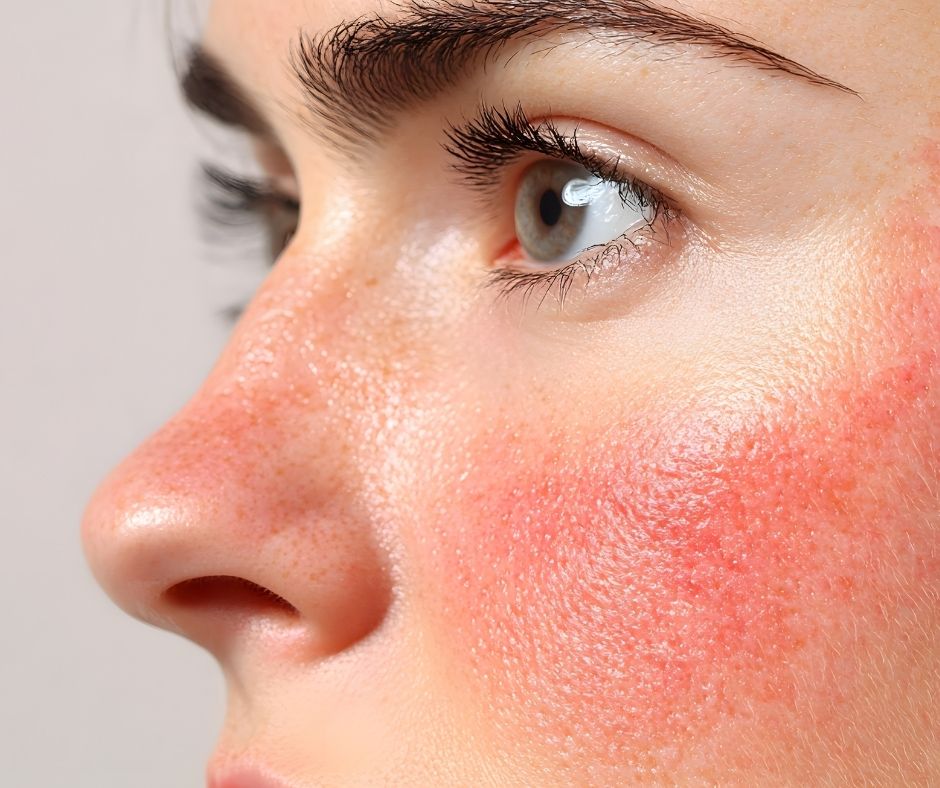
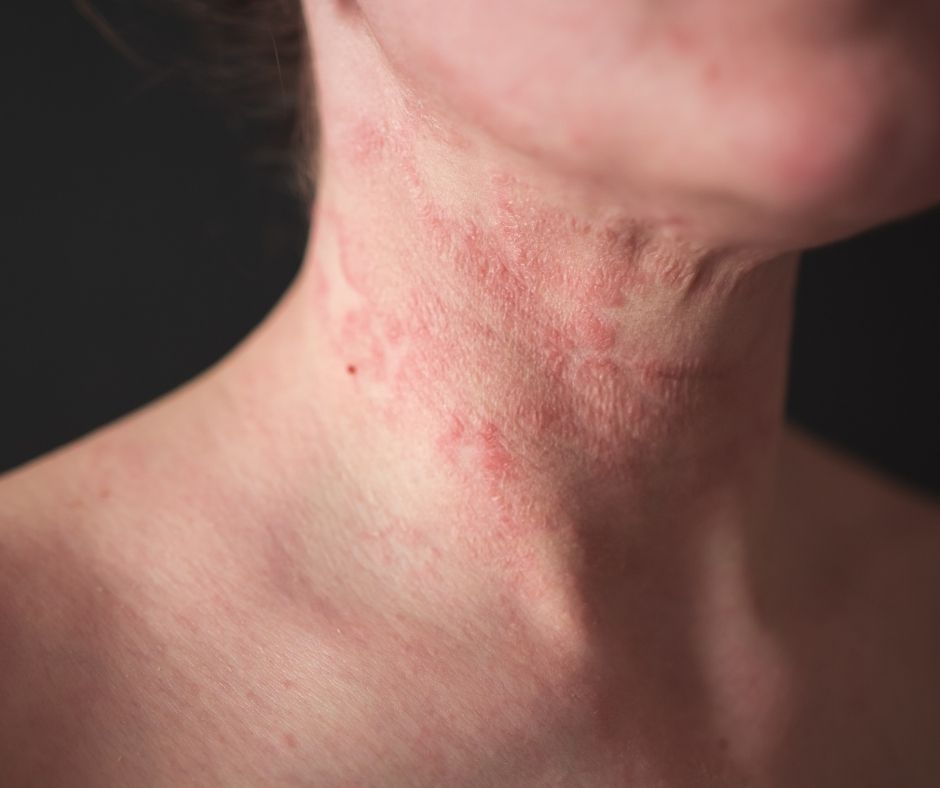
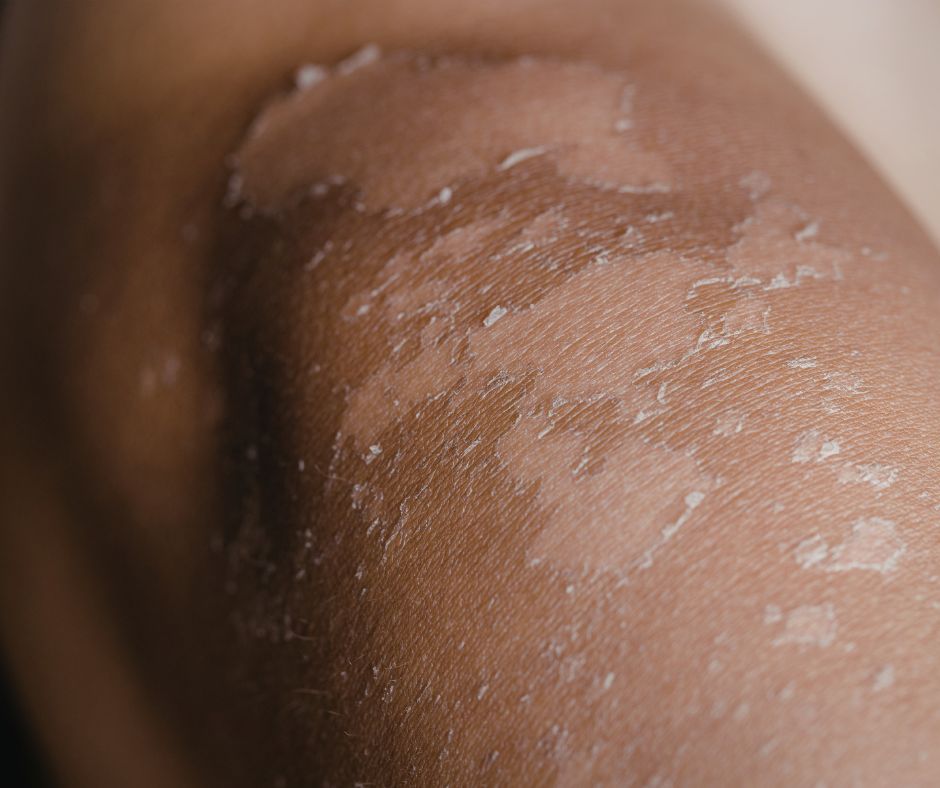
UV radiation, especially UVB, penetrates the skin and damages the DNA of the skin cells. The skin responds with inflammation: it turns red, feels hot and tight, burns or itches. The redness usually only appears a few hours after sunbathing and peaks after about 12 to 24 hours. Mild sunburn usually fades after a few days to about a week, and the skin often peels afterwards.
Even when the redness disappears, the skin still needs a long time to recover. Repeated sunburn makes the skin age faster and increases the risk of skin cancer, especially sunburn in childhood.
How bad is your sunburn?
| Severity | Signs | What to do? |
|---|---|---|
| Mild | redness, warmth, slight burning and tightness | cool, drink, light care, avoid the sun |
| Moderate | severe redness, pain, swelling | as above; if you are in pain, ask a pharmacist for advice |
| Severe | blisters, weeping skin, large areas affected | have it checked by a doctor, do not burst blisters |
Sunburn: what really helps?
Get out of the sun and cool down
First things first: protect your skin from further sun immediately. Then cool it with cool, damp compresses or a cool, not ice-cold, shower. Ice cubes or cool packs should never go directly on the skin, but always wrapped in a cloth. Feel free to repeat the cooling several times a day.
Drink plenty
Sun and heat draw fluid from the body, and inflamed skin loses additional water. So drink more than usual, ideally water or unsweetened tea.
Light, moisturising care
Freshly burnt skin needs moisture and coolness, not fats. Gels and light lotions with aloe vera, panthenol or glycerin feel pleasant. Avoid greasy ointments, oils or udder cream in the first few days, as they can trap heat in the skin. If you have sensitive skin, make sure your care products are as free as possible from fragrances and alcohol.
What the pharmacy offers
If you are in pain, painkillers such as ibuprofen can help, as they also work against the inflammation. Pharmacies also offer cooling gels and, for more severe symptoms, anti-inflammatory preparations. Ask there which products are suitable for you, especially if you take other medication.
Home remedies for sunburn: what helps and what doesn’t
| Home remedy | Assessment |
|---|---|
| Cool compresses | Good: cool gently and are well tolerated |
| Aloe vera gel | Good: cools and moisturises, ideally without fragrances and alcohol |
| Black tea | Possible: cooled down as a compress; the tannins are considered soothing |
| Quark and yoghurt | Better not: on damaged skin, germs from dairy products can cause inflammation |
| Oils and greasy ointments | Better not: they trap heat in freshly burnt skin |
| Essential oils, vinegar, lemon | No: they irritate skin that is already damaged |
Sunburn with blisters: when to see a doctor
If blisters form, the skin is more deeply damaged, similar to a second-degree burn. Do not pop the blisters, because the blister skin protects against germs. Cover them loosely and cleanly and get medical advice.
Get medical help if
- blisters form or large areas of skin are affected,
- you develop a fever, chills, headache, dizziness or nausea,
- the skin does not get better after a few days or becomes inflamed,
- children are affected.
Watch out for sunstroke and heatstroke: A severe headache, a stiff neck, nausea, vomiting or confusion after a day in the sun are warning signs. In case of impaired consciousness or a very high body temperature, call the emergency number 112 immediately.
The days after
- Avoid the sun: Until the sunburn has healed, the skin should not get any more sun.
- Don’t peel: When your skin peels, do not pull off the flakes of skin. There is sensitive new skin underneath.
- Care gently: As soon as the skin no longer feels hot, your care can become a little richer so that the skin does not dry out.
- Loose clothing: Soft, airy fabrics do not chafe irritated skin.
If you have psoriasis, sunburn is particularly unfavourable: new plaques can develop on the burnt areas. Find out more in the guide Psoriasis in summer.
Preventing sunburn
- Daily sun protection with SPF 30 or higher and UVA protection, even when it is cloudy
- Apply generously, about 30 to 40 millilitres for the whole body, and reapply every two hours and after swimming
- Avoid the midday sun between 11 am and 3 pm and seek shade
- Wear clothing, a hat with a wide brim and sunglasses
- Keep an eye on the UV index
- If you take medication, ask whether it makes your skin more sensitive to light
People with fair skin, lots of moles or freckles burn particularly quickly. You can read which sunscreen is good for sensitive skin and what natural sun protection can really do in the guide Natural sun protection for sensitive skin.
Our tip for after-sun care
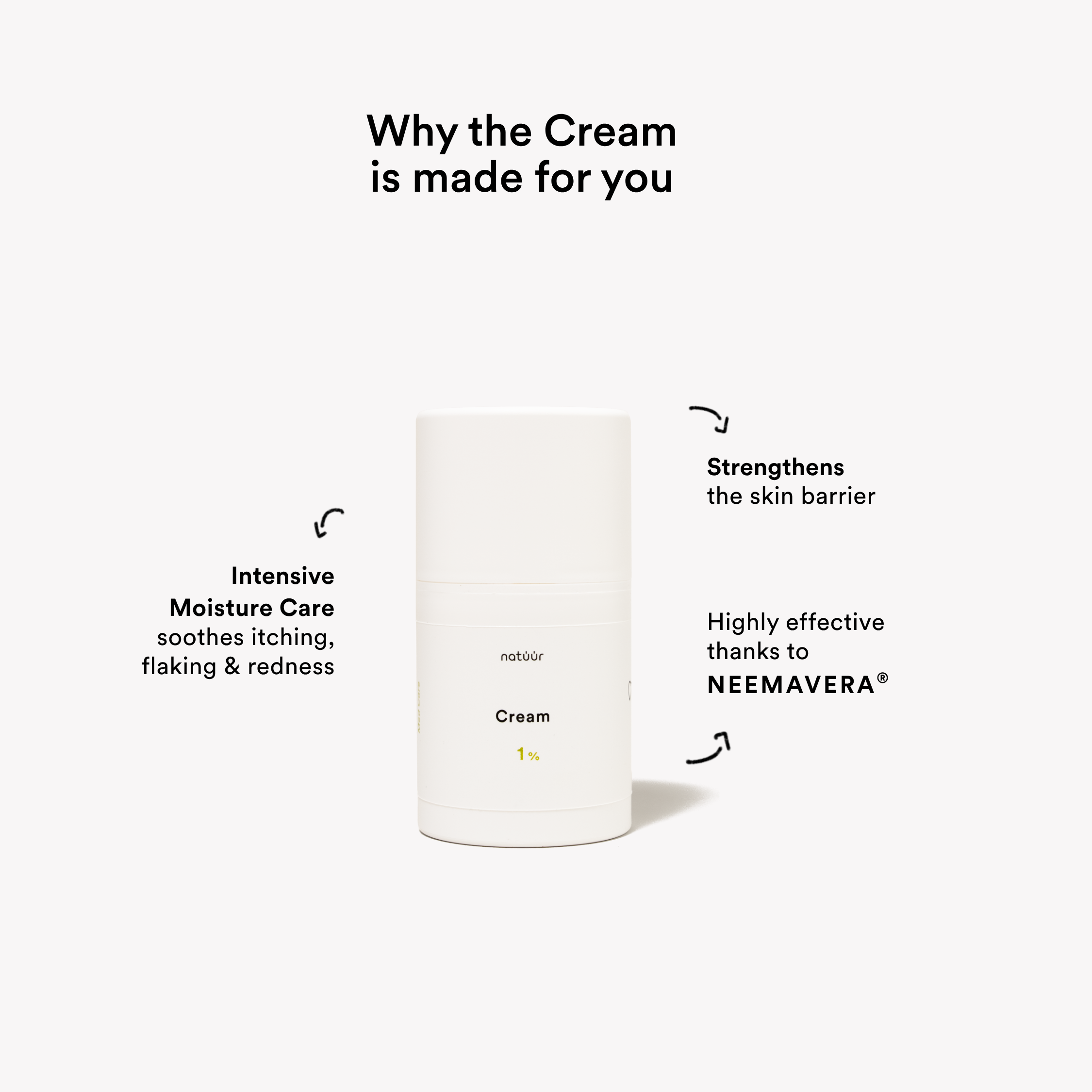
Our After Sun Gel was developed for sun-stressed skin. With 2 % NEEMAVERA®, aloe vera and panthenol, it cools, moisturises and absorbs quickly without feeling sticky. For an extra-fresh kick, keep it in the fridge. It contains a light scent: if your skin reacts sensitively to perfume, test it on a small area first. For the days after, our fragrance-free Cream is a good choice. If you have blisters or open areas: have them checked by a doctor first.
Frequently asked questions
What helps fastest with sunburn?
Get out of the sun immediately, cool the skin with cool, damp compresses, drink plenty and apply light, cooling care such as an aloe vera gel. If you are in pain, a painkiller from the pharmacy can help.
How long does sunburn last?
Mild sunburn usually fades after a few days to about a week. The skin often peels afterwards. More severe sunburn with blisters takes longer and should be seen by a doctor.
Is quark good for sunburn?
Better not. On damaged skin, germs from dairy products can trigger inflammation. Cool compresses with water are the safer choice.
Can I pop sunburn blisters?
No. The blister skin protects the wound from germs. Cover the area loosely and get medical advice if you have blisters.
When do I need to see a doctor with sunburn?
If you have blisters, sunburn over a large area, fever, chills, headache or nausea, or if children are affected. In case of confusion or a very high body temperature, call the emergency number 112.