





Natural Sun Protection for Sensitive Skin: What Really Protects
Sensitive skin needs sun protection, but it is far from tolerating every sunscreen. That is why many people with atopic dermatitis, rosacea or psoriasis look for natural sun protection. But be careful: not everything that sounds natural also protects against UV radiation. In this guide you will find out which natural ingredients really protect against the sun, which only care for the skin and how to protect your sensitive skin safely in summer.
In brief: what is natural sun protection?
Natural sun protection has two building blocks: shade, clothing and smart timing protect you without any product at all. When it comes to sunscreens, mineral filters are considered the natural option. Zinc oxide and titanium dioxide are the only natural ingredients with reliable UV protection. Plant oils, aloe vera, green tea or neem care for the skin, but do not protect against sunburn and do not replace sunscreen.
What natural sun protection really means
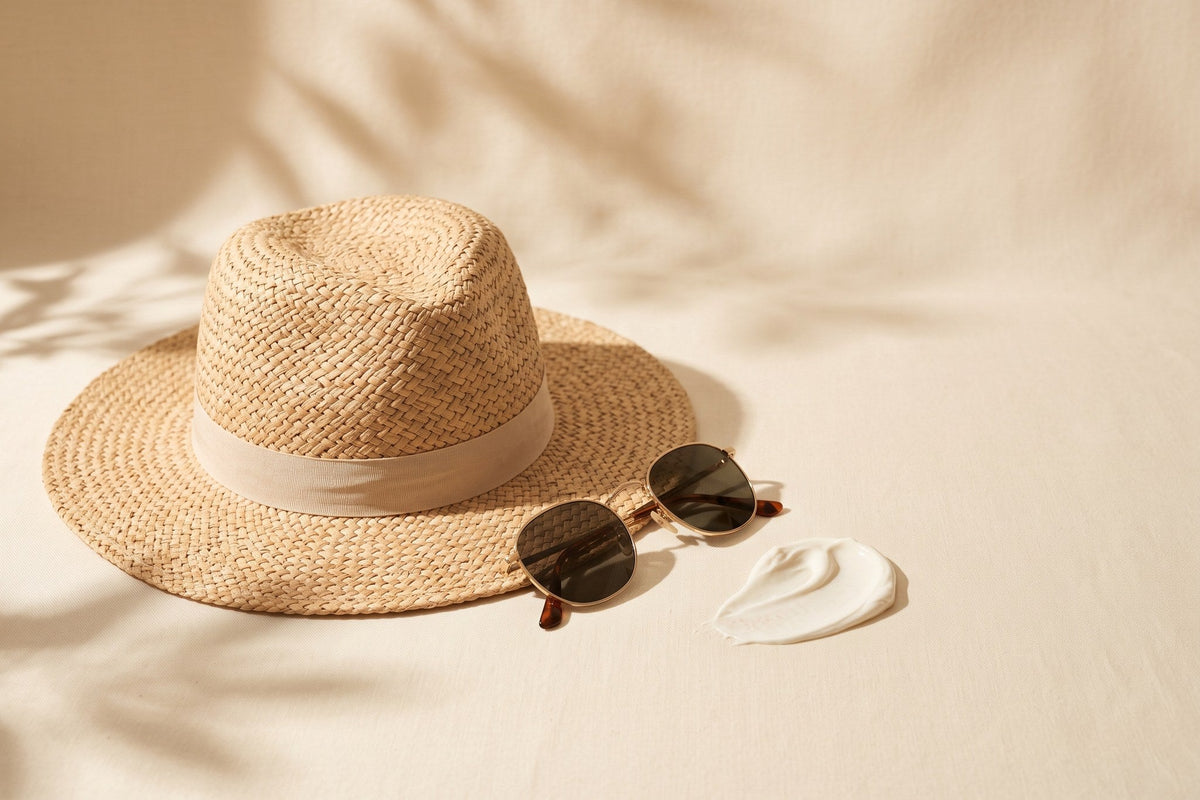
The most natural sun protection needs no cream at all: seek shade, especially between 11 am and 3 pm, wear densely woven clothing, a hat with a wide brim and sunglasses. Keeping an eye on the UV index helps you judge the strength of the sun correctly. From a UV index of 3, protection makes sense.
Where clothing does not reach, the skin needs sunscreen. The term “natural sunscreen” is not protected. It usually refers to products with exclusively mineral UV filters. Certified natural cosmetics may only use mineral filters.
Real UV filters: zinc oxide and titanium dioxide
Sunscreens protect with two types of UV filter: organic filters, often called “chemical filters”, which absorb UV radiation in the skin and convert it into heat, and mineral filters, which sit on the skin and mainly reflect and scatter UV radiation. Both are tested and approved in the EU.
1. Zinc oxide
Zinc oxide is a mineral filter that covers both UVB and a large part of UVA radiation. It stays on the surface of the skin and is considered particularly well tolerated. You may also know zinc oxide from wound protection creams. That is why it is popular for sensitive, irritated skin.
2. Titanium dioxide
Titanium dioxide above all provides reliable protection against UVB radiation and is very photostable. It is weaker than zinc oxide against UVA, which is why the two are often combined.
| Filter | Protection | Advantages | Disadvantages |
|---|---|---|---|
| Zinc oxide | UVB and broad UVA | very well tolerated, soothing | can leave a white cast |
| Titanium dioxide | mainly UVB | very photostable | weaker against UVA, can leave a white cast |
| organic filters | UVA and UVB, depending on the filter | light, invisible, easy to spread | can occasionally irritate sensitive skin; individual filters rarely trigger contact allergies |
Nano or not nano?
Mineral filters often leave a white film. To make them less visible, they are sometimes ground very finely, into so-called nanoparticles. In the EU, nano zinc oxide and nano titanium dioxide are approved for sunscreens after safety assessment and must be labelled “(nano)” in the ingredient list. They are not permitted in sprays whose mist could be inhaled. If you want to avoid nanoparticles, look for products without this addition and accept a little more white cast.
Natural ingredients without UV protection: caring companions
You often read online that plant oils have their own sun protection factor. That is not true to a degree that would protect against sunburn. The following ingredients are still valuable: as care in a sunscreen or for the skin after sunbathing. Used on their own, they do not protect against UV radiation.
| Ingredient | What it can do | UV protection |
|---|---|---|
| 3. Aloe vera | moisturises, cools after sun | no |
| 4. Shea butter | cares for dry skin, supports the skin barrier | no |
| 5. Green tea extract | antioxidant, can complement sunscreens | no |
| 6. Raspberry seed oil | rich in fatty acids and vitamin E | no, despite myths to the contrary |
| 7. Carrot oil | contains beta-carotene, nourishes | no |
| 8. Neem leaf extract | antioxidant, cares for sun-stressed skin | no |
| 9. Red algae extract | moisturises, soothes | no |
| 10. Jojoba oil | similar to skin’s own lipids, helps spread mineral filters | no |
Good to know: Antioxidants such as green tea extract, vitamin E or neem leaf extract can neutralise free radicals produced by UV radiation. That makes them a sensible addition to sunscreens, but they never replace the UV filter. A diet rich in fruit and vegetables is also good for the skin, but does not protect against sunburn.
Sun protection with atopic dermatitis, rosacea and psoriasis
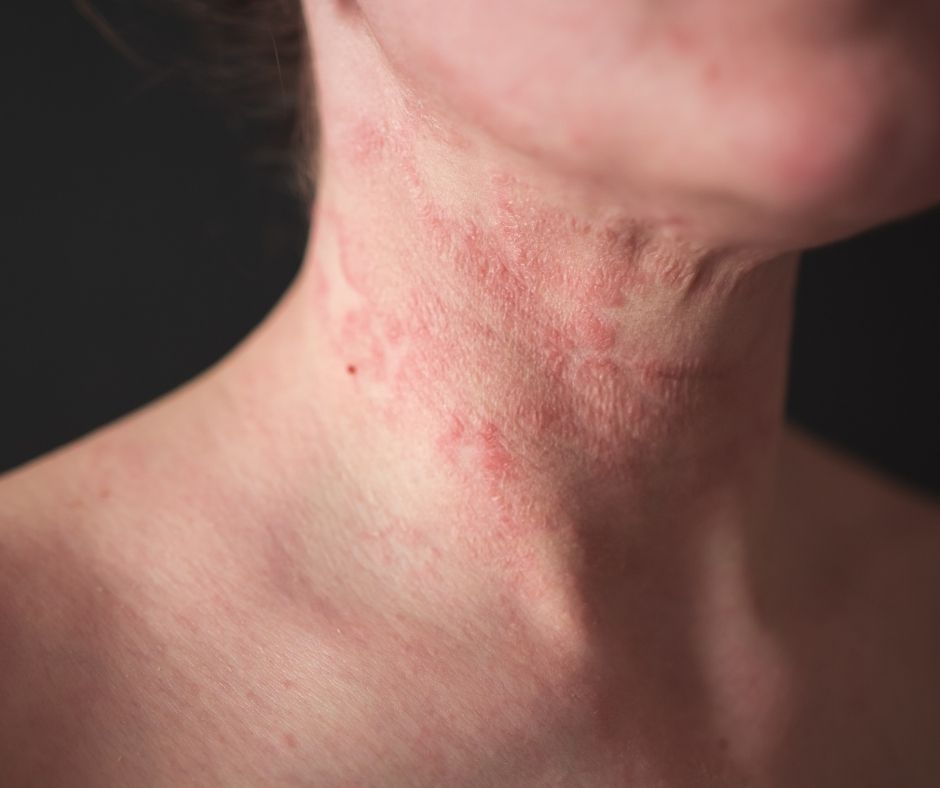
An impaired skin barrier reacts more quickly to irritants, including sunscreen. At the same time, sun protection is especially important then. These tips help:
- Atopic dermatitis: For many people, heat and sweat make the itching worse. Light, fragrance-free textures without alcohol are usually better tolerated than rich, occlusive creams. After sunbathing, a lukewarm shower followed by good care helps.
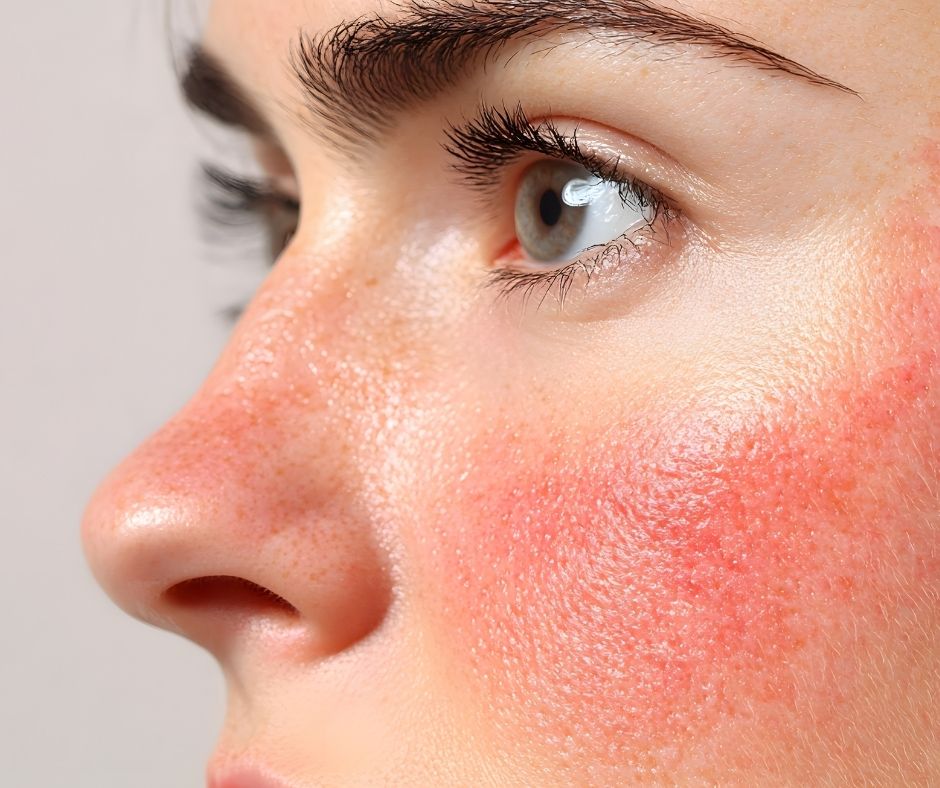
- Rosacea: The sun is one of the most common triggers of redness and flare-ups. Mineral sun protection with zinc oxide is often well tolerated. Avoid fragrances, essential oils and alcohol.
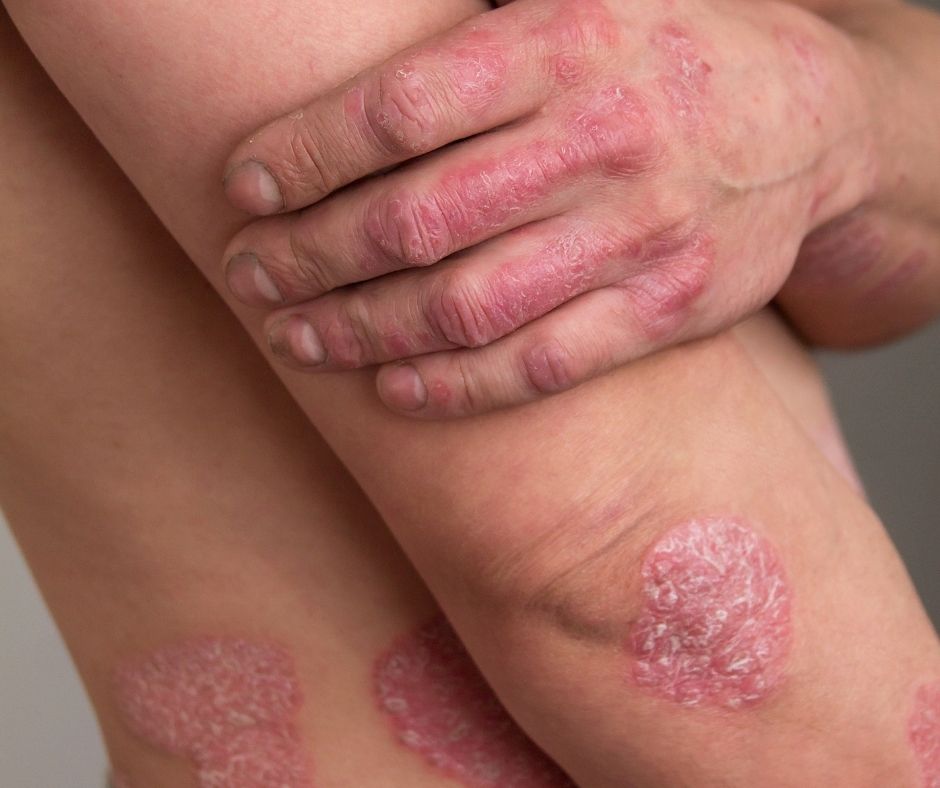
- Psoriasis: Many people find that their skin improves in summer. Sunburn, however, can trigger new plaques, the so-called Koebner phenomenon. So the rule is: sun in moderation, and avoid sunburn at all costs. You will find more tips in our guide Skincare for psoriasis in summer.
If you take medication, ask your doctor or pharmacist whether it makes your skin more sensitive to light. This also applies to some treatments for psoriasis or acne.
The right sunscreen for sensitive skin
What to look for
- sun protection factor 30 or higher with UVA protection (UVA logo in a circle)
- mineral filters such as zinc oxide or titanium dioxide if you do not tolerate chemical filters
- without fragrances and essential oils
- an ingredient list that is as short as possible
- water-resistant if you go swimming
What sensitive skin is better off avoiding
- Parfum (Fragrance) and fragrances such as Limonene or Linalool
- essential oils, including natural ones
- a lot of alcohol (Alcohol denat.) in the ingredient list
You will find a detailed list in the article 10 ingredients sensitive skin should avoid. Before your holiday, test a new sunscreen on a small area first, for example in the crook of your arm.
How to apply sun protection correctly
- Use enough: An adult needs about 30 to 40 millilitres for the whole body, around three to four tablespoons. If you apply too little, you get much less protection than it says on the pack.
- Apply in good time: about 15 to 30 minutes before you go out into the sun.
- Reapply: every two hours and after swimming, towelling off or heavy sweating. Reapplying maintains the protection, but does not extend it.
- Reduce the white cast: Apply mineral sunscreen in small portions and pat it in rather than rubbing. Tinted versions are less noticeable on the skin.
- Remove gently in the evening: Mineral filters adhere well. Cleanse with a mild cleanser, twice if necessary, and moisturise afterwards.
Making natural sunscreen yourself?
Recipes for homemade sunscreen with zinc oxide and plant oils are popular, but risky. At home, the powder cannot be distributed evenly, and nobody can measure the actual sun protection factor. Unevenly covered areas barely protect, and sunburn is the result. So it is better to reach for a tested sunscreen.
After the sun: care for sun-stressed skin
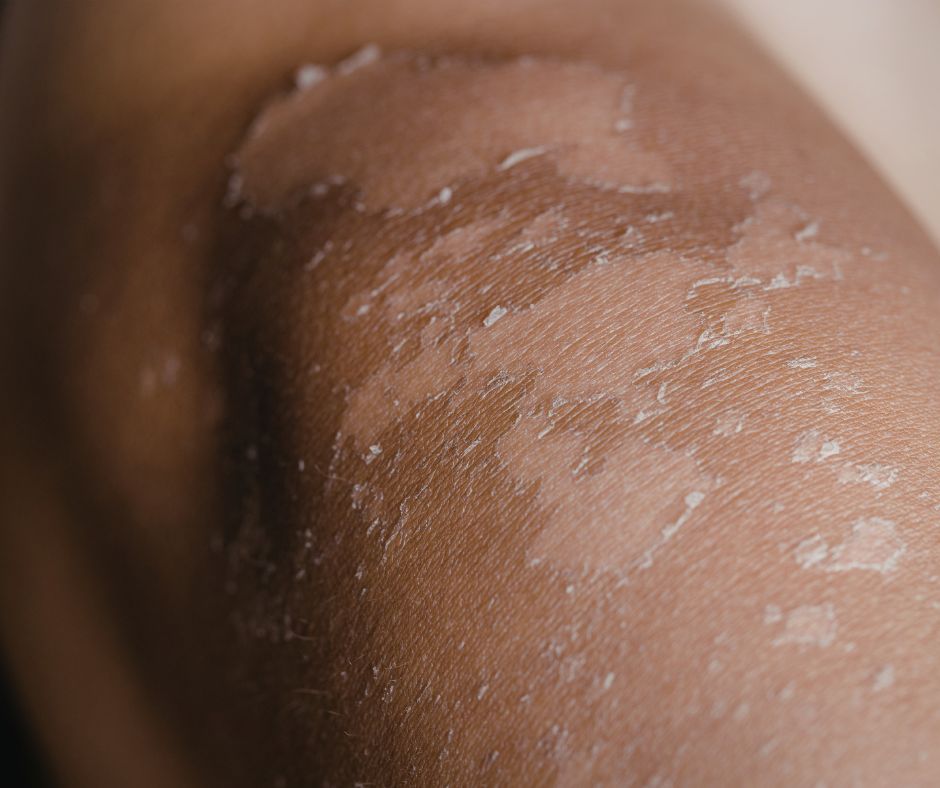
After a day in the sun, your skin will appreciate coolness and moisture. Take a lukewarm rather than a hot shower and then apply a light, moisturising product. If you did get sunburnt after all, you can read what helps now in our guide Sunburn.
Our tip for after-sun care
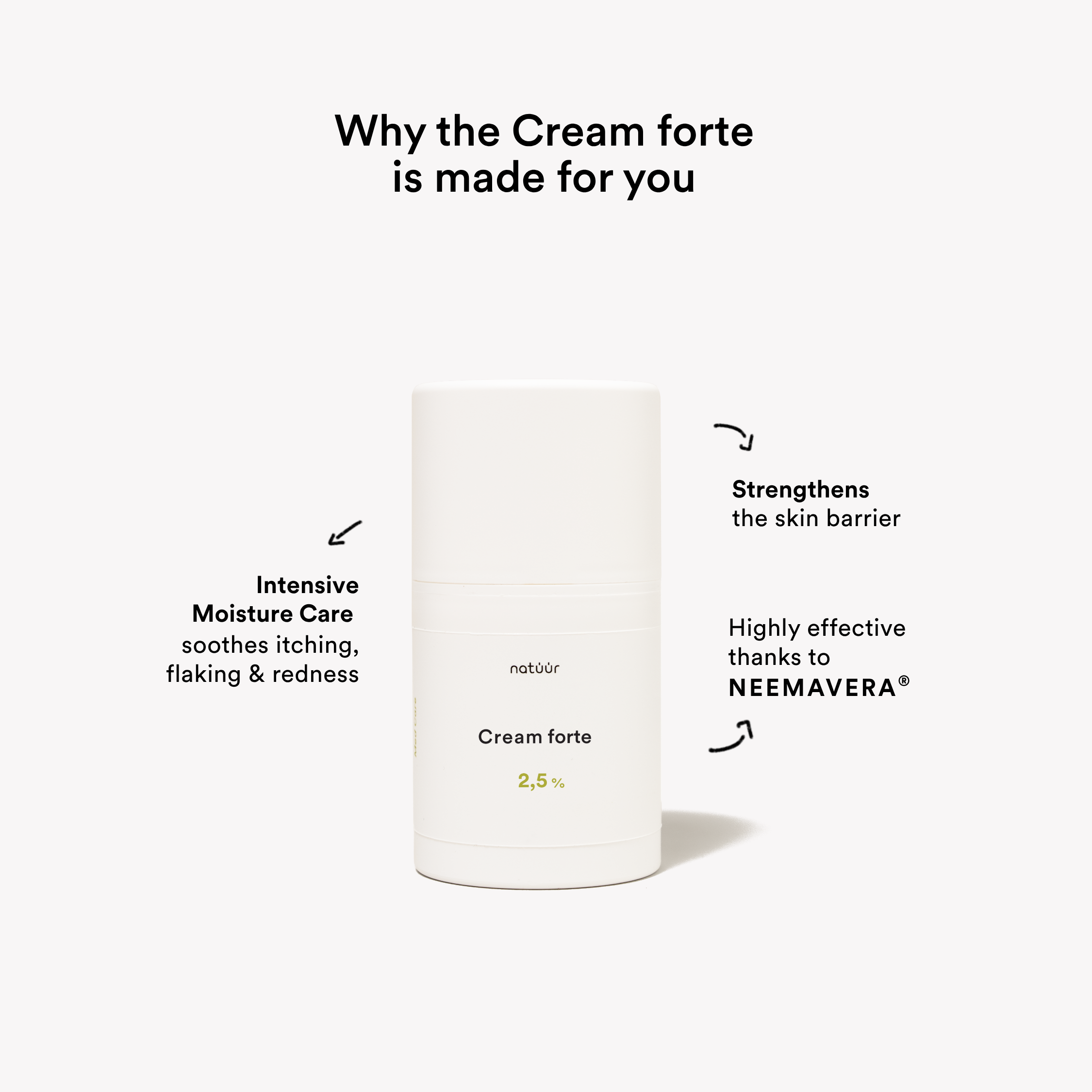
Our After Sun Gel with 2 % NEEMAVERA®, aloe vera and panthenol cools and moisturises, absorbs quickly and is not sticky. It contains a light scent. If your skin does not tolerate anything perfumed, our fragrance-free Cream is a good alternative for your evening care. Important: our skincare is not sun protection and does not replace sunscreen.
Frequently asked questions
What is the most natural sun protection?
Shade, clothing, a hat and sunglasses protect you without any product at all. When it comes to sunscreens, mineral filters such as zinc oxide and titanium dioxide are considered the natural option.
Do plant oils have a sun protection factor?
Not to a degree that protects against sunburn. Coconut oil, raspberry seed oil or carrot oil care for the skin, but do not replace sunscreen.
Which sunscreen is best for sensitive skin?
Sunscreens with mineral filters such as zinc oxide, without fragrances, essential oils and lots of alcohol, with SPF 30 or higher and UVA protection are usually well tolerated.
Can I make natural sunscreen myself?
We advise against it. At home, the filters cannot be distributed evenly and the sun protection factor cannot be measured. That puts you at risk of sunburn.
Is zinc oxide in sunscreen safe?
Yes. Zinc oxide is tested and approved as a UV filter in the EU, including in nano form. Nano zinc oxide is only not permitted in sprays whose mist could be inhaled.