






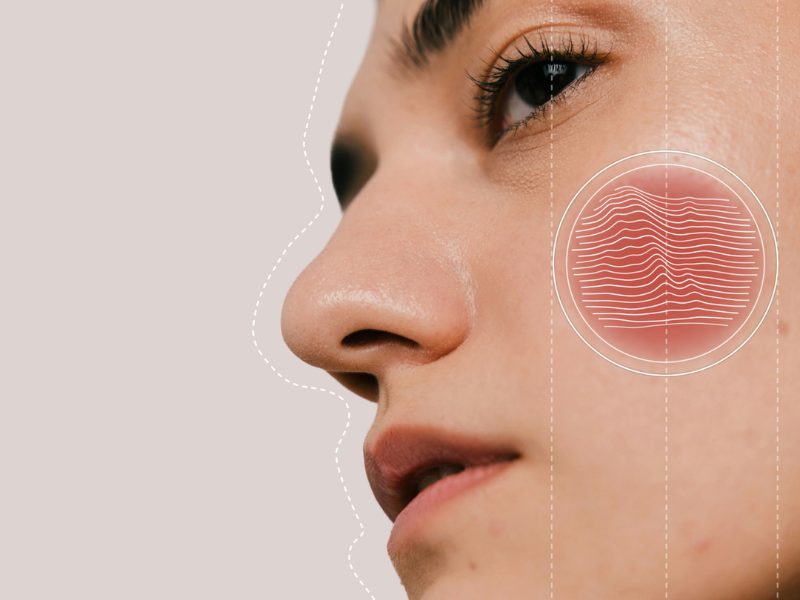

10 Ingredients to Avoid for Sensitive Skin
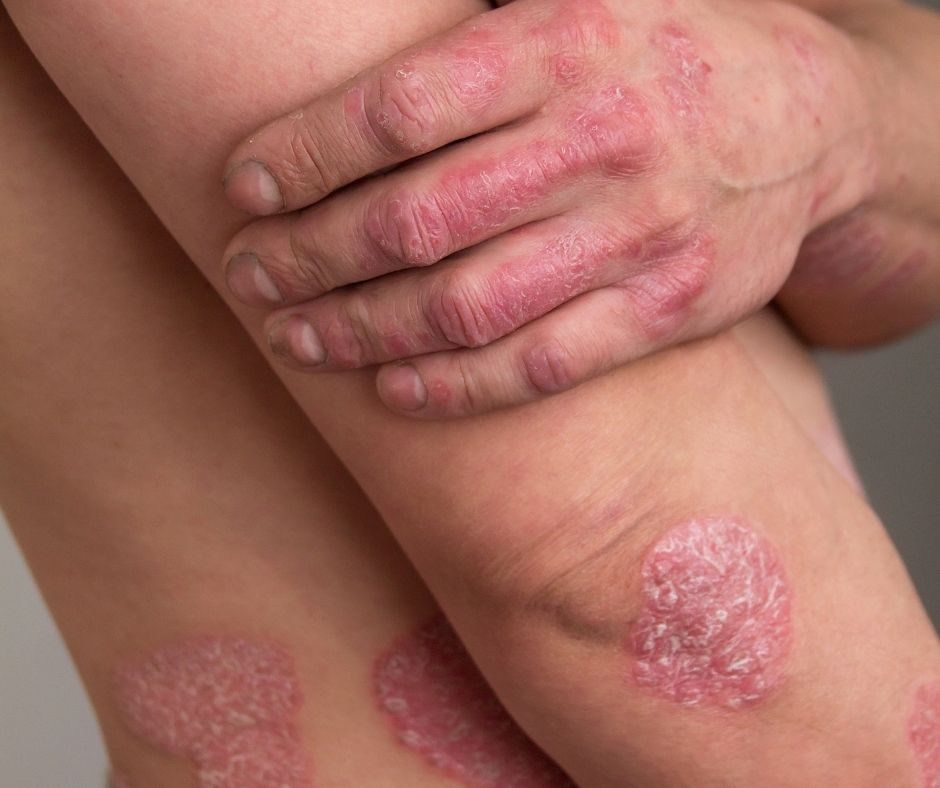
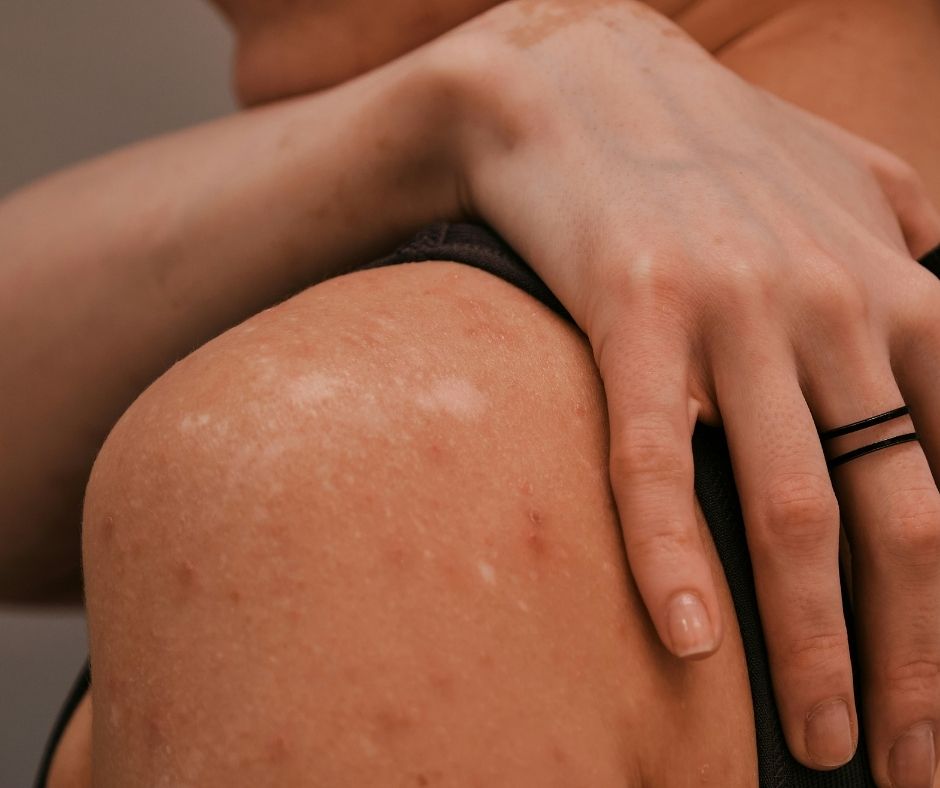
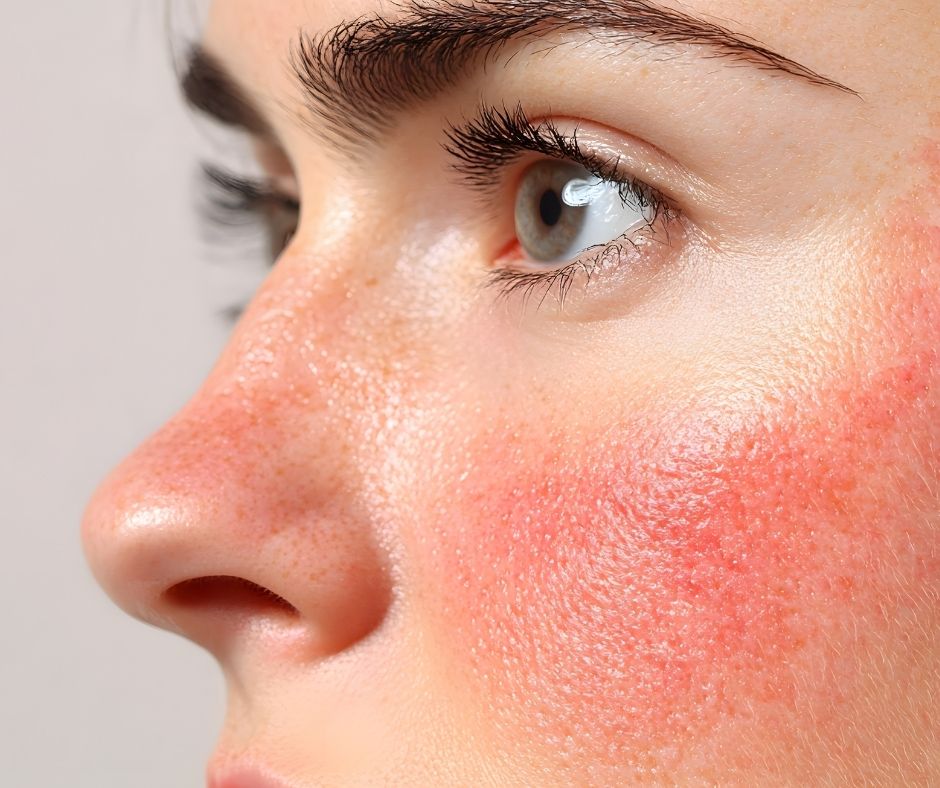
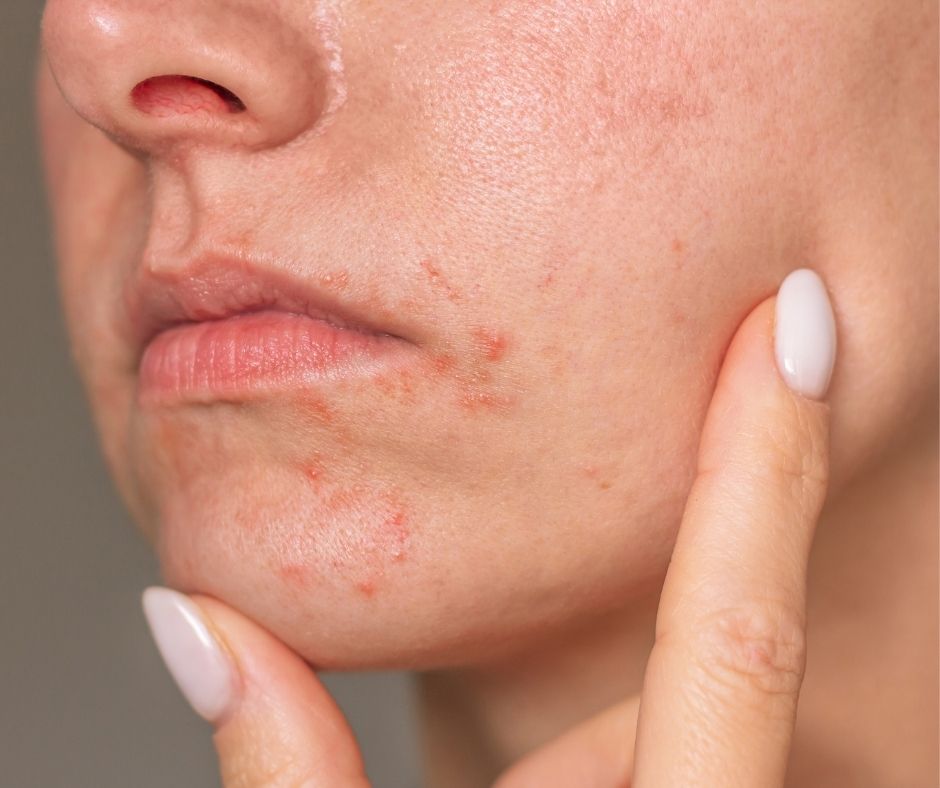
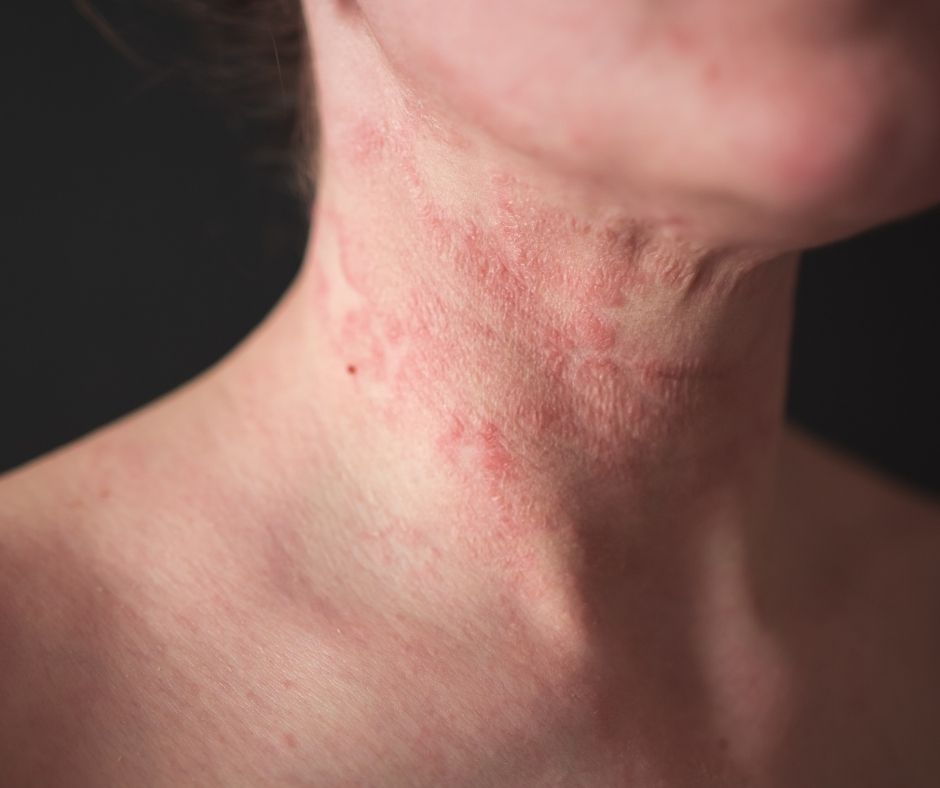
Sensitive skin often reacts to certain substances in skincare products. Common symptoms include redness, itching, or dryness. To avoid such reactions, you should avoid these 10 ingredients:
- Fragrances: Frequent cause of allergies and irritations.
- Alcohol: Dries out the skin and weakens the protective barrier.
- Sulfates: Remove natural oils and irritate the skin.
- Essential Oils: Can disrupt pH and trigger inflammation.
- AHAs (Fruit Acids): Promote dryness and increase photosensitivity.
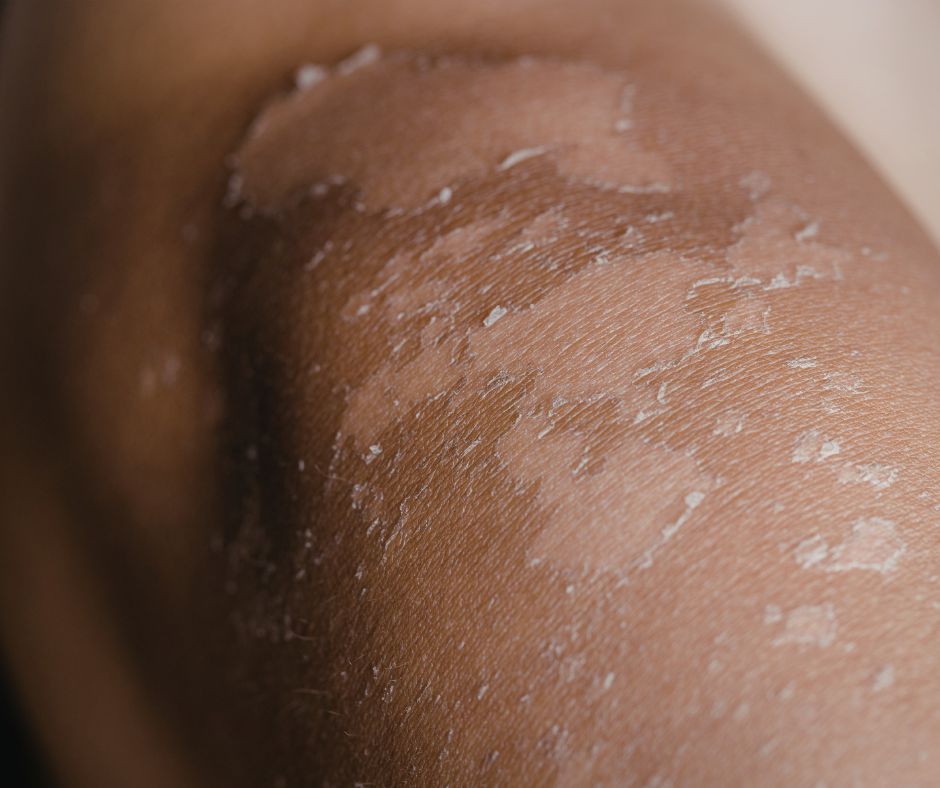
- Retinoids: Often cause dryness, flaking, and redness.
- Chemical UV Filters: Can cause itching and burning.
- Preservatives: Especially Isothiazolinones and formaldehyde-releasing agents are problematic.
- Dyes: Synthetic variants can trigger contact dermatitis.
- Silicones: Block skin respiration and can clog pores.
Quick Overview
| Ingredient | Effect on Sensitive Skin | Alternative |
|---|---|---|
| Fragrances | Allergies, irritations | Fragrance-free products |
| Alcohol | Drying | Glycerin, Aloe Vera |
| Sulfates | Irritating, drying | Gentle surfactants (e.g., Coco-Glucoside) |
| Essential Oils | Inflammation, pH imbalance | Hypoallergenic care |
| AHAs | Dryness, photosensitivity | PHAs (Polyhydroxy Acids) |
| Retinoids | Redness, flaking | Bakuchiol, Niacinamide |
| Chemical UV Filters | Itching, burning | Mineral filters (Zinc Oxide) |
| Preservatives | Allergies | Phenoxyethanol, plant extracts |
| Dyes | Contact dermatitis | Natural pigments |
| Silicones | Clogged pores | Jojoba oil, Shea butter |
Tip: Check the ingredients of your skincare products and do a patch test before using new products.
Sensitive Skin Beauty Hacks: Proper Care Against Tightness, Burning, Itching, Redness
1. Fragrance
Carefully checking the ingredients of skincare products is important to avoid skin reactions. Fragrances – whether synthetic or natural – can cause allergic reactions. These often manifest as redness, swelling, or blisters. They can also directly irritate the skin, leading to burning, itching, and further redness. Both reactions impair the skin barrier and make it more sensitive to other irritants [3].
| Labeling on Products | Meaning for Sensitive Skin |
|---|---|
| "Fragrance" / "Parfum" | Contains fragrances – better to avoid |
| "Fragrance-free" | Suitable for sensitive skin |
Expert tip: Opt for products labeled "fragrance-free" and test them in advance with a patch test. Soothing ingredients like aloe vera or witch hazel can be a good alternative [1].
In addition to fragrances, other ingredients can affect sensitive skin – including alcohol, which is present in many skincare products.
2. Alcohol
Alcohol in skincare products can be problematic for sensitive skin. It deprives the skin of moisture and weakens its natural protective barrier by removing important lipids. This makes the skin more susceptible to irritation and harmful environmental influences [1].
Especially ethanol, isopropyl alcohol, and denatured alcohol are often found in toners, cleansers, and astringents. These substances have a strong drying and irritating effect. Look for terms like "Ethanol", "Alcohol denat.", or "SD Alcohol" in the INCI list.
For people with sensitive skin or conditions like eczema or psoriasis, alcohol-containing products can increase the risk of skin problems. The drying effect can worsen existing conditions and damage the skin in the long run.
However, there are gentle alternatives. Ingredients like Aloe Vera, Glycerin, or Hyaluronic Acid provide moisture without stressing the skin. Especially for facial toners and cleansing products, it is worth opting for alcohol-free options. Tip: Always test new products in advance with a patch test. Apply a small amount to the inside of your forearm and observe the area for 24 hours for possible reactions.
Besides alcohol, other ingredients like sulfates can also dry out and irritate the skin. Therefore, carefully check the product composition to optimally protect your skin.
3. Sulfates
Sulfates are surfactants often used in cleansing products. They remove dirt and grease, but can cause problems for sensitive skin as they can attack the skin barrier and cause irritation.
The most common representatives in skincare products are Sodium Lauryl Sulfate (SLS), Sodium Laureth Sulfate (SLES), and Ammonium Lauryl Sulfate (ALS). While these substances cleanse effectively, they also remove the skin's natural oils, which are important for its protective function.
| Sulfate Type | Irritation Potential |
|---|---|
| SLS | Very high |
| SLES | Medium |
| ALS | High |
SLS and ALS are often used in cleaning products, while SLES is mainly found in shampoos and shower gels. Although SLES is considered less irritating, it can still cause problems for sensitive skin.
The effects of sulfates are similar to those of alcohol: they can dry out and irritate the skin. Especially people with skin conditions like eczema, psoriasis, or rosacea should avoid products with sulfates.
Practical tip: Look for labels such as "sulfate-free" or "without sulfates" when purchasing. Instead, you can opt for products with gentle surfactants like coco-glucoside or decyl glucoside.
Avoiding sulfates and using milder alternatives helps to protect the skin and prevent irritation. By the way: Even natural ingredients like essential oils can irritate sensitive skin – more on this in the next section.
4. Essential Oils
Essential oils may be natural, but they can be very harsh on sensitive skin. These concentrated plant extracts, often used in natural cosmetics, can damage the skin barrier, alter the skin's pH, and strip natural oils.
Here are some of the possible effects on the skin:
- They can throw the skin's pH balance off.
- They remove natural skin lipids, which are important for protection.
- They can cause inflammation and irritation.
| Essential Oil | Irritation Strength | Common Reactions |
|---|---|---|
| Cinnamon Oil | Very high | Redness, burning |
| Clove Oil | High | Itching, swelling |
| Lemongrass Oil | High | Irritation, rash |
| Tea Tree Oil | Medium | Redness, dryness |
| Lavender Oil | Medium | Contact dermatitis |
Some essential oils, particularly citrus oils, can make the skin more sensitive to sunlight and thus intensify irritation from sun exposure.
Gentler options for sensitive skin:
- Choose hypoallergenic and fragrance-free skincare products.
- Opt for low concentrations of plant extracts.
When buying products, look for labels such as "essential oil free" or "without essential oils". Such products are often better suited for sensitive skin.
In the next section, you'll learn more about other potentially irritating ingredients like AHAs.
5. Alpha Hydroxy Acids (AHAs)
Alpha Hydroxy Acids (AHAs) like glycolic acid and lactic acid are fruit acids often used for exfoliation. However, for sensitive skin or skin conditions like rosacea, AHAs can be problematic as they can irritate the skin and worsen symptoms. They stress the skin barrier, which can lead to dryness and irritation.
| AHA Type | Irritation Potential |
|---|---|
| Glycolic Acid | Very high |
| Lactic Acid | Medium |
| Mandelic Acid | Low |
Possible Effects on Sensitive Skin:
- Loss of moisture in the skin
- Increased sensitivity to sunlight
- Worsening of existing skin problems
An alternative for sensitive skin are milder fruit acids like Polyhydroxy Acids (PHAs). These have larger molecules, which means they penetrate the skin more slowly and are gentler. If you want to try AHAs, start with low concentrations (maximum 5%) and observe how your skin reacts.
Important tips when using AHAs:
- Always use sunscreen when using AHAs.
- Start with a low concentration and reduce frequency if irritation occurs.
- Completely avoid AHAs if you have skin conditions like neurodermatitis or psoriasis.
Other ingredients like retinoids can also be challenging for sensitive skin. Pay attention to how your skin reacts to such products.
sbb-itb-ba17a98
6. Retinoids
Retinoids, derived from vitamin A, are known for their anti-wrinkle and anti-acne effects. However, for sensitive skin, they can quickly become problematic. Skin irritation, increased photosensitivity, and even a worsening of existing skin problems often occur.
| Common Side Effects | Intensity for Sensitive Skin |
|---|---|
| Redness | Significantly stronger |
| Skin flaking | Medium to strong |
| Dryness | Very common |
| Burning/Stinging | Often intense |
Gentler Alternatives
For sensitive skin, there are alternatives that are gentler:
- Bakuchiol: A plant-based active ingredient with comparable effects
- Niacinamide
- Vitamin C
Application Tips
If you want to try retinoids, keep these tips in mind:
- Start with a low concentration (e.g., 0.25% or 0.5%).
- Initially apply the product only once or twice a week.
- Try the sandwich method: Apply moisturizer, then the retinoid, and finally another layer of moisturizer.
Important notes:
- Always apply retinoids in the evening.
- Sunscreen is a must during the day.
- Reduce or pause application if severe irritation or burning occurs.
- Do not combine with other irritating ingredients.
Chemical UV filters can also stress sensitive skin – more on this in the next section.
7. Chemical UV Filters
Sun protection is important, but not every product is suitable for sensitive skin. Chemical UV filters convert UV rays into heat, which can cause skin irritation in some people.
Possible Reactions and Risks
Some chemical UV filters, including oxybenzone and avobenzone, can cause problems such as redness, itching, or burning in sensitive skin. People with skin conditions like neurodermatitis, psoriasis, or rosacea are particularly affected. Studies show that about 20% of people with sensitive skin react to chemical UV filters.
| Chemical UV Filter | Possible Reactions | Frequency |
|---|---|---|
| Oxybenzone | Redness, itching | Very common |
| Avobenzone | Burning, stinging | Common |
| Octinoxate | Skin rash | Occasionally |
Mineral Options
Mineral sunscreens with zinc oxide or titanium dioxide offer a good alternative. These ingredients are often better tolerated and gentler on sensitive skin.
What to look for?
- Products should be hypoallergenic and fragrance-free.
- Additional irritants should be avoided.
Application Tips
- Apply sunscreen 15-30 minutes before sun exposure.
- Reapply every two hours and after swimming or sweating.
- Supplement sunscreen with clothing and shade.
Preservatives in sunscreens can also irritate sensitive skin – more on this in the next section.
8. Preservatives
Preservatives are often suspected of causing irritation or allergic reactions in sensitive skin. Studies show that about 10.3% of patients with contact dermatitis react to at least one preservative [4]. Particularly common triggers include parabens, formaldehyde releasers, and isothiazolinones such as methylisothiazolinone (MIT) and methylchloroisothiazolinone (MCI). These substances are known to cause contact allergies.
| Preservative | Typical Reactions | Possible Alternatives |
|---|---|---|
| Parabens | Skin irritations, redness | Phenoxyethanol |
| Formaldehyde releasers | Contact allergies, itching | Ethylhexylglycerin |
| Isothiazolinones | Dermatitis, swelling | Plant extracts |
Gentler Options
For sensitive skin, milder alternatives are available. These include phenoxyethanol, ethylhexylglycerin, or plant-based preservatives such as rosemary and grapefruit seed extracts. Natural cosmetic manufacturers increasingly rely on plant-based preservation systems and often avoid synthetic ingredients.
Tips for Product Selection
To avoid skin irritations, the following tips can be helpful:
- Choose products with labels such as "low in preservatives" or "suitable for sensitive skin."
- Perform a skin compatibility test before the first application.
- Prefer products with short ingredient lists.
In addition to preservatives, colorants can also be problematic for sensitive skin. You can find out more about this in the next section.
9. Dyes and Colorants
Artificial dyes in skincare products often pose a problem for people with sensitive skin. According to studies, around 20% of these people develop negative reactions to cosmetic products containing synthetic dyes [5].
Common Problematic Substances
Synthetic dyes can penetrate the skin barrier and cause reactions such as itching or redness. Particularly problematic are:
| Dye | Typical Reactions | Use in Products |
|---|---|---|
| Paraphenylenediamine (PPD) | Allergies, redness | Common in hair care products |
| Toluene-2,5-diamine (PTD) | Skin irritations, itching | Often in personal care products |
| Dihydroxybenzene (DHB) | Contact dermatitis, swelling | Occasionally in face care |
Effects and Alternatives
Dyes can exacerbate skin problems, especially in sensitive skin. The most common reactions include:
- Contact dermatitis, an inflammatory skin reaction
- Increased sensitivity to external stimuli
- Redness and slight swelling
Natural pigments such as beetroot, turmeric, or spirulina are gentle alternatives that can create shades in skincare products without unnecessarily stressing the skin. Avoiding dyes helps protect the skin barrier and prevent irritation.
Product Selection
When buying skincare products, it is worth looking for terms such as "dye-free" or "suitable for sensitive skin."
"Even small amounts of dyes can irritate sensitive skin," dermatologists emphasize in current studies.
While dyes can further stress the skin, other ingredients like silicones also play a role. More on this in the next section.
10. Silicones
If you have sensitive skin, you should avoid silicones in care products. These substances form a water-repellent film on the skin. While this can lock in moisture, it can also cause irritation and promote acne.
Why Silicones Can Be Problematic
| Property | Effect on Skin | Risk for Sensitive Skin |
|---|---|---|
| Sealing | Blocks skin respiration | Higher risk of irritation |
| Non-biodegradable | Difficult to remove | Can clog pores |
| Film-forming | Traps bacteria and dirt | Can exacerbate skin reactions |
Typical Silicones in Products
Silicones often hide behind names like dimethicone, cyclomethicone, phenyl trimethicone, or amodimethicone. So, it's worth checking the ingredients.
Better Alternatives
Instead of silicones, you can opt for natural ingredients. Jojoba oil, shea butter, aloe vera, squalane, or glycerin are gentle alternatives that nourish the skin without burdening it.
What You Should Look For
When purchasing, look for terms like "silicone-free" or "non-comedogenic". According to current studies, about 27% of consumers value transparent ingredient declarations. With the right choice, you can promote the long-term health of your skin.
Conclusion
Sensitive skin requires skincare products that are specifically tailored to its needs. Ingredients such as dexpanthenol and niacinamide can help strengthen the skin barrier and soothe irritations [1].
Basic Rules for Sensitive Skin
| Measure | Purpose |
|---|---|
| Patch test | Detect potential reactions |
| Check ingredients | Avoid potential irritants |
| Mild alternatives | Ensure gentle care |
Expert Tips for Daily Care
Dermatologists recommend a simple skincare routine. Fewer products, but specifically selected, is the motto. Products declared as hypoallergenic and free from known irritants are particularly suitable [2].
Eco-Friendly Care for Sensitive Skin
Products that avoid aggressive additives are not only more environmentally friendly but also gentler on the skin. Such options minimize unnecessary stress and support the health of sensitive skin.
With this knowledge, you can prevent irritation and protect your skin long-term. In the next section, we address frequently asked questions about sensitive skin.
FAQs
Which ingredients should be avoided for sensitive skin?
Certain ingredients such as fragrances, alcohol, sulfates, and chemical preservatives can often cause irritation in sensitive skin. Studies show that around 60% of people with sensitive skin react to at least one of these substances [1][2].
Can natural ingredients cause allergic reactions?
Yes, even natural ingredients can cause allergic reactions. Both synthetic and natural substances can cause contact dermatitis [3].
| Ingredient | Possible Reactions | Example |
|---|---|---|
| Essential oils | Redness, itching | Lavender oil |
| Plant extracts | Contact dermatitis | Chamomile |
| Natural fragrances | Skin irritations | Citrus oils |
A patch test is always a good idea, even for products with natural ingredients. The concentration of the respective substances plays a crucial role in their tolerability.
With this knowledge, you can specifically choose products that are gentle on your skin and protect it better.