












Aloe Vera vs. Synthetic Skincare Products
Natural Care or Synthetic Products? Aloe Vera is known for its skin-soothing properties, while synthetic skincare often provides quick results. But what is better for your skin and the environment? Here are the most important differences:
- Skin Compatibility: Aloe Vera is gentle; synthetic substances can irritate.
- Long-term Effect: Natural ingredients promote long-term skin health; synthetic ones often have only short-term effects.
- Environment: Aloe Vera is biodegradable; synthetic substances pollute water and soil.
- Costs: Natural care products are usually in the mid-price range (approx. €8.90 to €29.90).
Quick Comparison
| Criterion | Natural Products (e.g., Aloe Vera) | Synthetic Products |
|---|---|---|
| Skin Compatibility | Good for sensitive skin | Higher risk of irritation |
| Environmental Impact | Low | High |
| Long-term Effect | Sustainable | Often quick but short-term results |
| Price | Medium (€8.90 – €29.90) | Variable |
The choice depends on your skin type, values, and priorities. Read on to learn more about the pros and cons.
Aloe Vera Usage | Beauty Secret for Hair & Skin
Understanding Aloe Vera
Aloe Vera has been valued for centuries as a natural moisturizer and for soothing skin irritations. In today's skincare, it scores with its hydrating and soothing properties. Modern processes combine traditional methods with advanced technology to optimally utilize the plant's benefits. These versatile applications provide a basis for comparison with artificial skincare ingredients.
Common Synthetic Ingredients
Important Synthetic Components
Synthetic substances are found in many skincare products. The most common can be divided into the following categories:
| Category | Examples | Function |
|---|---|---|
| Preservatives | Parabens (Methyl-, Propylparaben) | Extends shelf life, protects against germs |
| Texturizers | Silicones (Dimethicone, Cyclomethicone) | Improves texture, smooths skin |
| Fragrances | Synthetic perfumes | Impart a pleasant scent |
| Emulsifiers | PEG compounds | Mixes oil and water |
| Colorants | Artificial pigments | Optical enhancement |
These substances improve the stability, feel, and appearance of products. But how do they fare in terms of advantages and disadvantages?
Advantages and Disadvantages
Synthetic ingredients offer both practical advantages and challenges:
Advantages:
- Longer product shelf life
- More cost-effective manufacturing
- Consistent quality and effect
- Precise dosing possible
Disadvantages:
- Can irritate sensitive skin
- Environmental burden due to non-biodegradable substances
- Risk of allergic reactions
Natural alternatives are often considered more skin-friendly and environmentally conscious. The decision between synthetic and natural ingredients depends on individual skin needs and personal preferences. While synthetic substances excel in efficiency and stability, natural options often offer better skin compatibility and a more environmentally friendly approach.
sbb-itb-ba17a98
Performance Comparison
Moisture and Hydration
Natural ingredients like Aloe Vera score with a high water content that intensely moisturizes the skin. Additionally, polysaccharides help support the skin's natural balance. Synthetic alternatives are often designed to work quickly, but their formulations vary greatly, making precise comparison difficult. In addition to hydration, natural ingredients often also offer skin-soothing benefits.
Soothing Properties
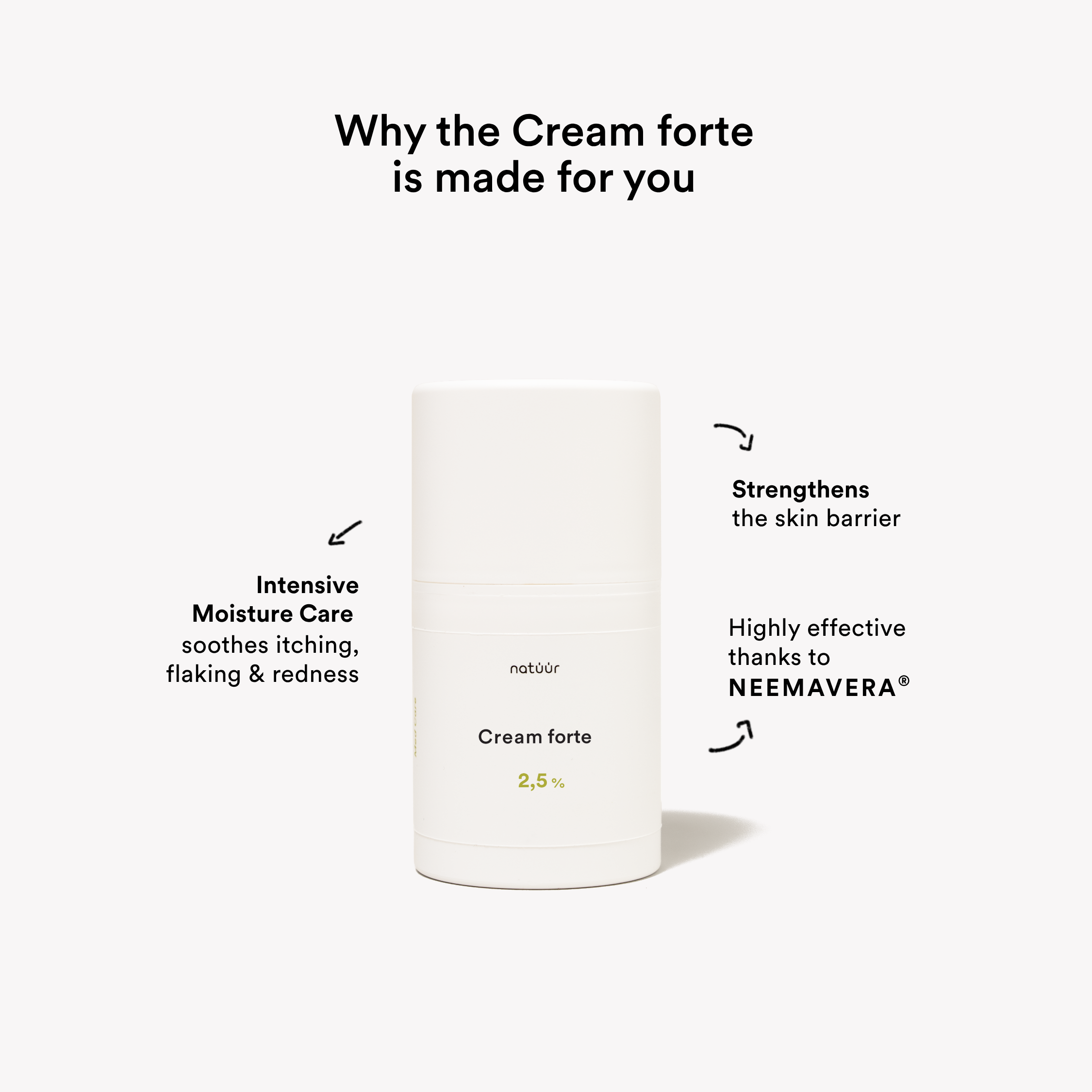
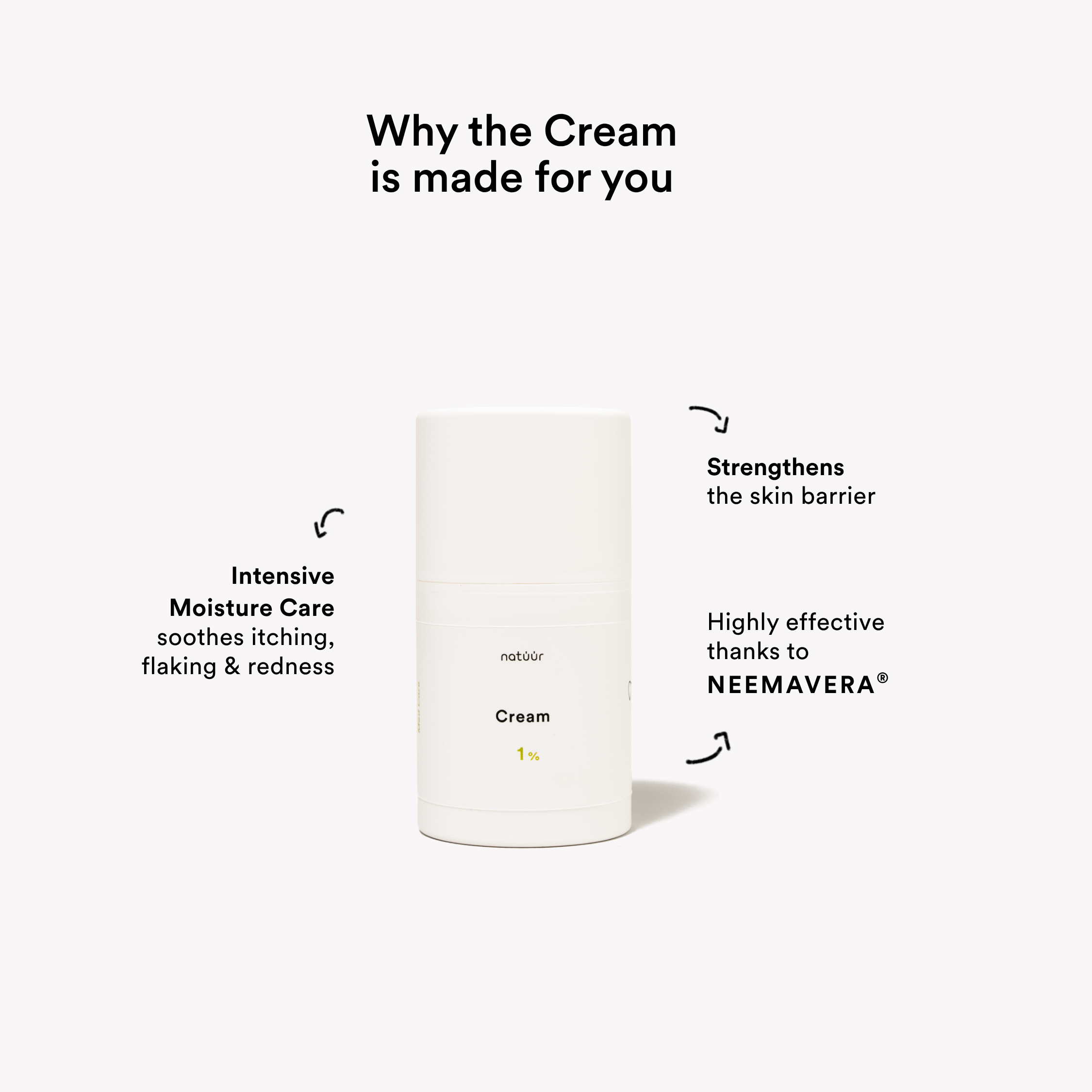
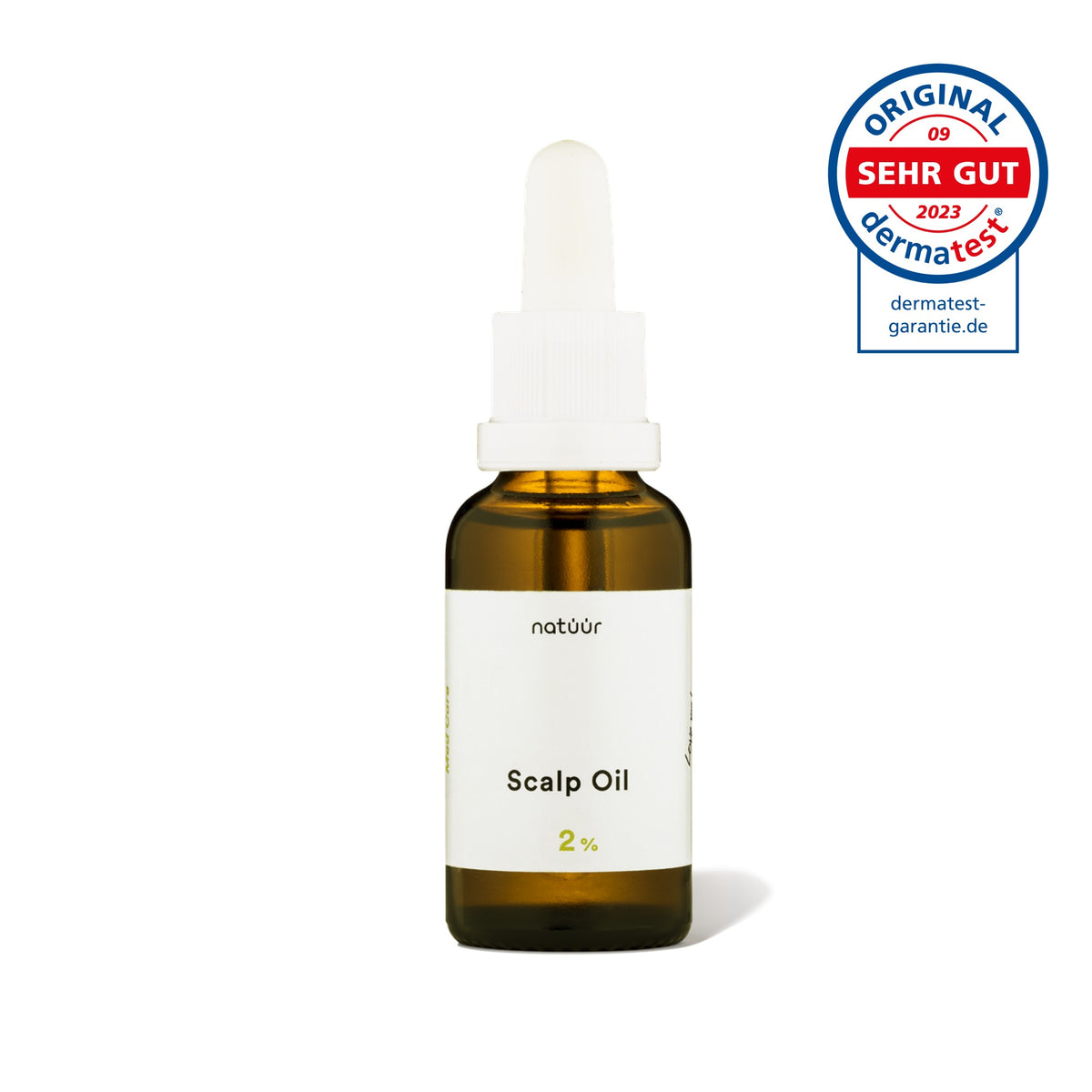
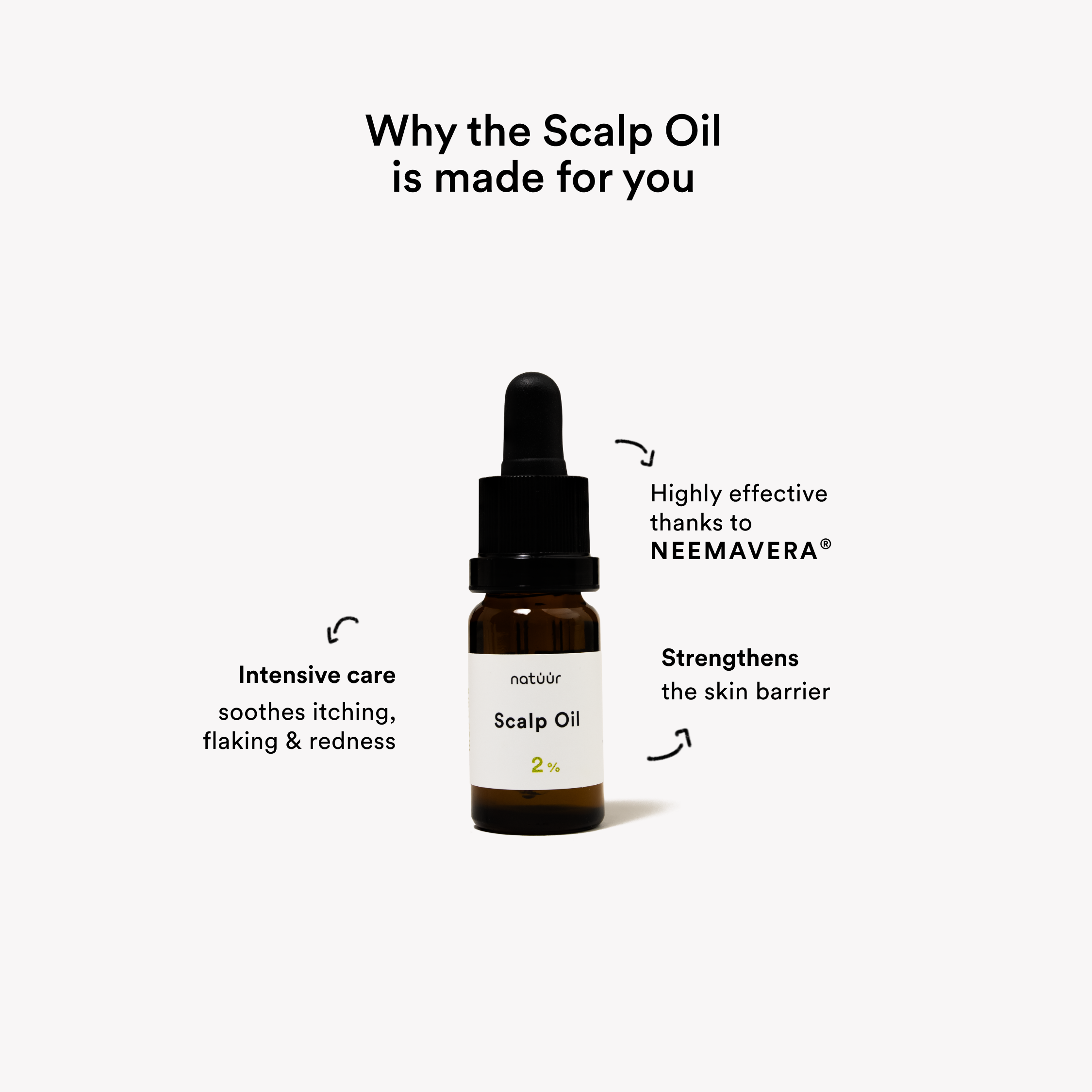
Aloe Vera is known for its anti-inflammatory and soothing properties. An outstanding example of natural active ingredients is the NEEMAVERA extract from Natüür. This extract concentrates the positive properties of the Neem plant by 50 times and is completely free of synthetic additives.
"NEEMAVERA: scientifically developed, dermatologically tested – completely natural and without unnecessary chemicals like parabens, silicones and dyes." – Natüür
Long-term Effect
A clear difference is seen in the long-term effect. Aloe Vera supports the natural regeneration of the skin and contributes to improving its structure. Although synthetic ingredients offer quick results, they can impair long-term compatibility due to habituation effects. Natural alternatives focus on sustainable support for skin health.
Safety and Environmental Impact
Skin Reaction Risks
The skin compatibility of care products strongly depends on their ingredients. While ingredients like Aloe Vera are known for their mild effect, synthetic substances – especially in people with sensitive or allergy-prone skin – can more frequently lead to irritations. Synthetic products often contain a variety of ingredients, which increases the risk of undesirable skin reactions. Natural alternatives like Aloe Vera, on the other hand, rely on few, well-tolerated components.
Environmental Impact
The production of synthetic skincare products is often resource and energy intensive. In addition, their non-biodegradable ingredients pollute soils and waters long-term. In contrast, the cultivation of Aloe Vera and other natural raw materials has a significantly lower impact on the environment. Natural ingredients are not only completely biodegradable but also gentler on the environment. Companies like natüür show how environmentally friendly alternatives can be implemented.
natüür: A Natural Alternative

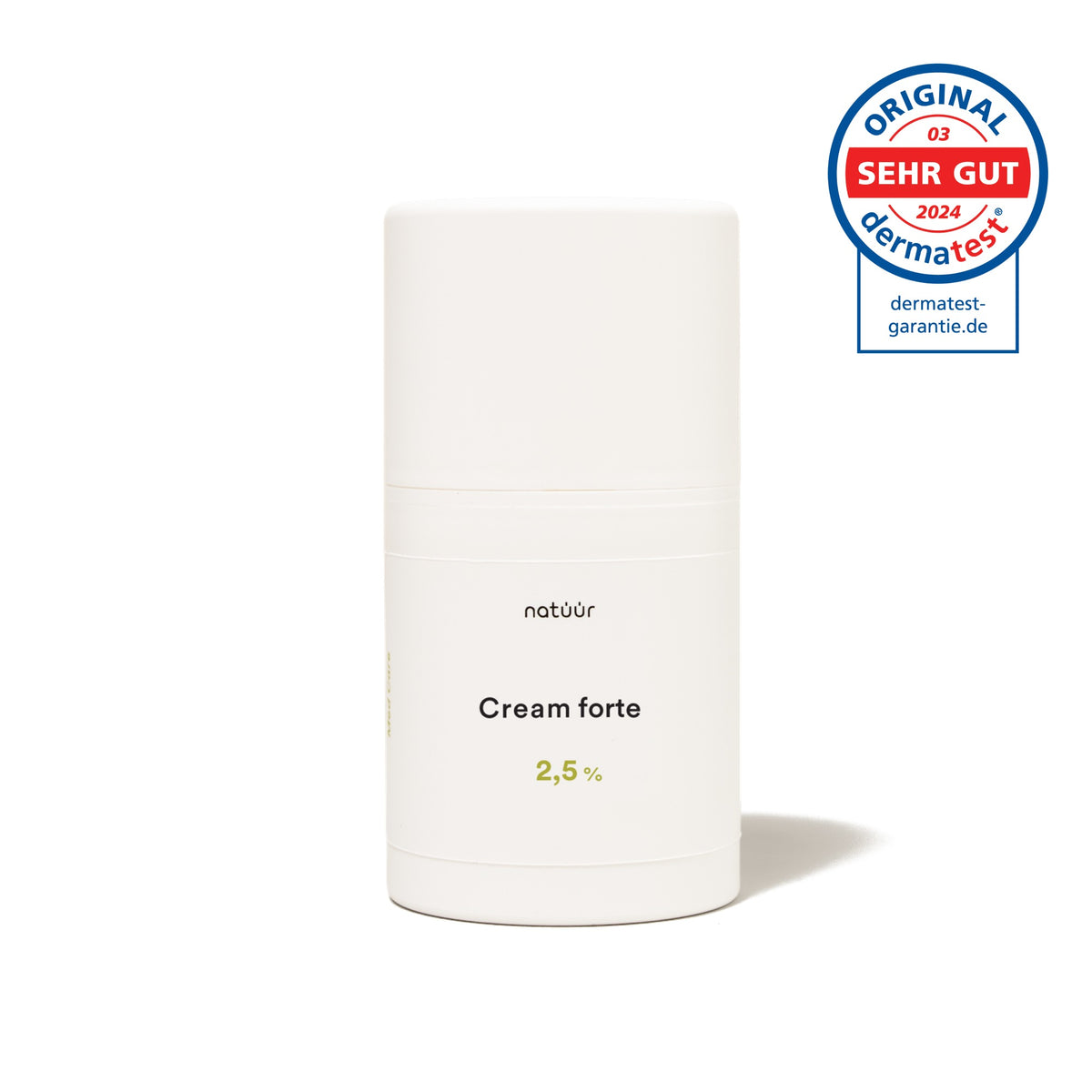
The NEEMAVERA extract from natüür bundles the benefits of the Neem plant naturally, avoiding the use of synthetic additives. These products are particularly suitable for people with sensitive skin or specific skin problems such as psoriasis or neurodermatitis.
"We are a Munich-based family company and own the world's largest Neem plantation in Paraguay. There we harvest the raw material for our leaf extract NEEMAVERA, which concentrates the active ingredients of this Ayurvedic medicinal plant by 50 times. This creates natural skincare that really works."
| Aspect | Natural Ingredients | Synthetic Ingredients |
|---|---|---|
| Skin compatibility | Often very good | Higher allergy risk |
| Environmental impact | Low | High |
| Biodegradability | Completely biodegradable | Partially non-biodegradable |
| Production effort | Resource-efficient | Energy- and resource-intensive |
Making an Informed Decision
Important Considerations
The choice between Aloe Vera and synthetic skincare products depends on several factors. Natural products, like NEEMAVERA from natüür, rely on active ingredients without artificial additives. In terms of price, natural skincare products often range between €8.90 and €29.90, placing them in the mid-price segment.
| Decision Criterion | Natural Products | Synthetic Products |
|---|---|---|
| Skin Compatibility | Especially suitable for sensitive skin | Higher risk of skin irritation |
| Ingredients | Clearly understandable and few components | Often complex and difficult to comprehend formulas |
| Environmental Friendliness | Biodegradable and resource-efficient | Often harder to degrade |
| Effect | Usually gentle and long-term | Often faster noticeable results |
These factors can help you make a decision that fits your needs and priorities.
Tips for Product Selection
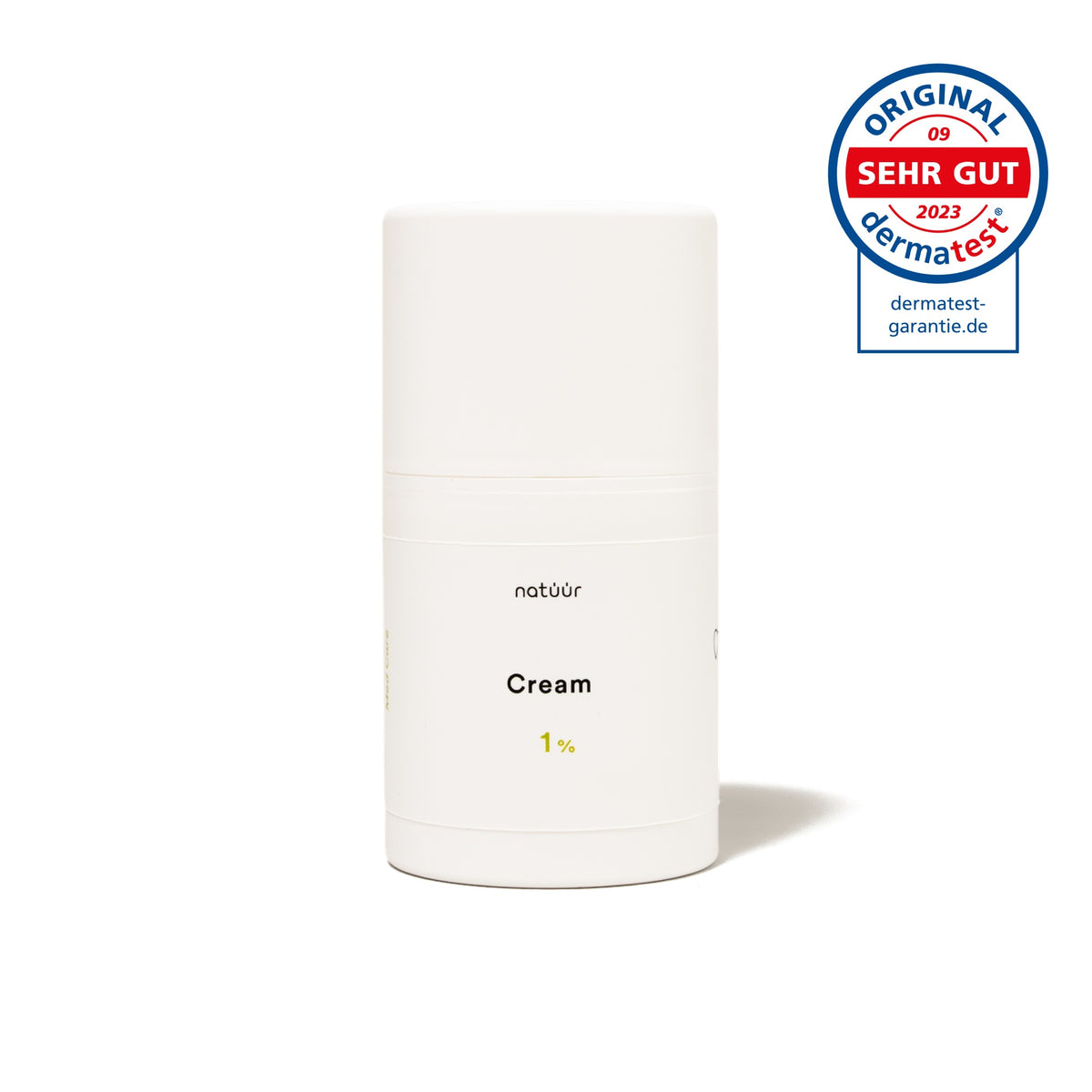
Choose products that match your skin type and individual needs. For sensitive skin or chronic skin problems, natural alternatives are often a good choice. Brands like natüür's Med Care line offer dermatologically tested natural products specifically developed for such requirements.
To find the right care, avoid products with parabens, silicones, or artificial colorants for sensitive skin. Instead, opt for natural ingredients that are well-tolerated. A trial period of 90 days can help you better assess the product's effectiveness and compatibility.