








Patch Test Protocols: Standards and Procedures
Patch tests are an indispensable tool in dermatology for precisely diagnosing skin reactions and allergies. Here are the key facts:
Why are they important?
- They help identify irritant and allergic skin reactions.
- Standardized procedures ensure comparable results.
How does a patch test work?
- Allergens are applied in defined concentrations to the back.
- Skin reactions are assessed after 30 minutes, 24 hours, and 72 hours.
Special features for natural cosmetics:
- Even plant-based ingredients like the NEEMAVERA extract can be tested.
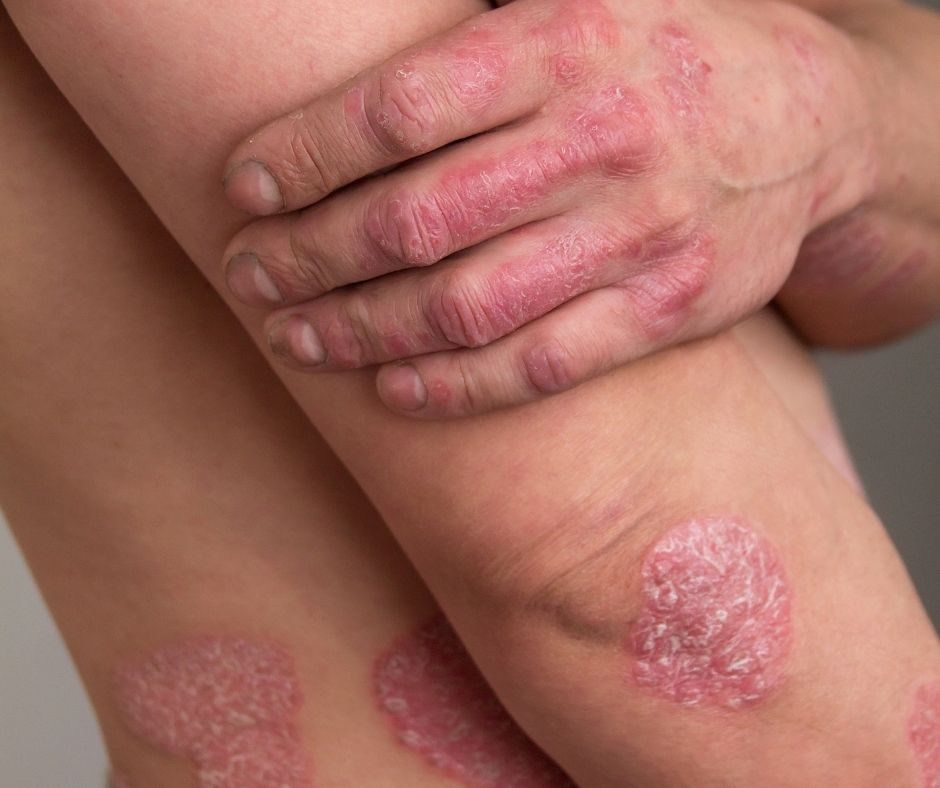
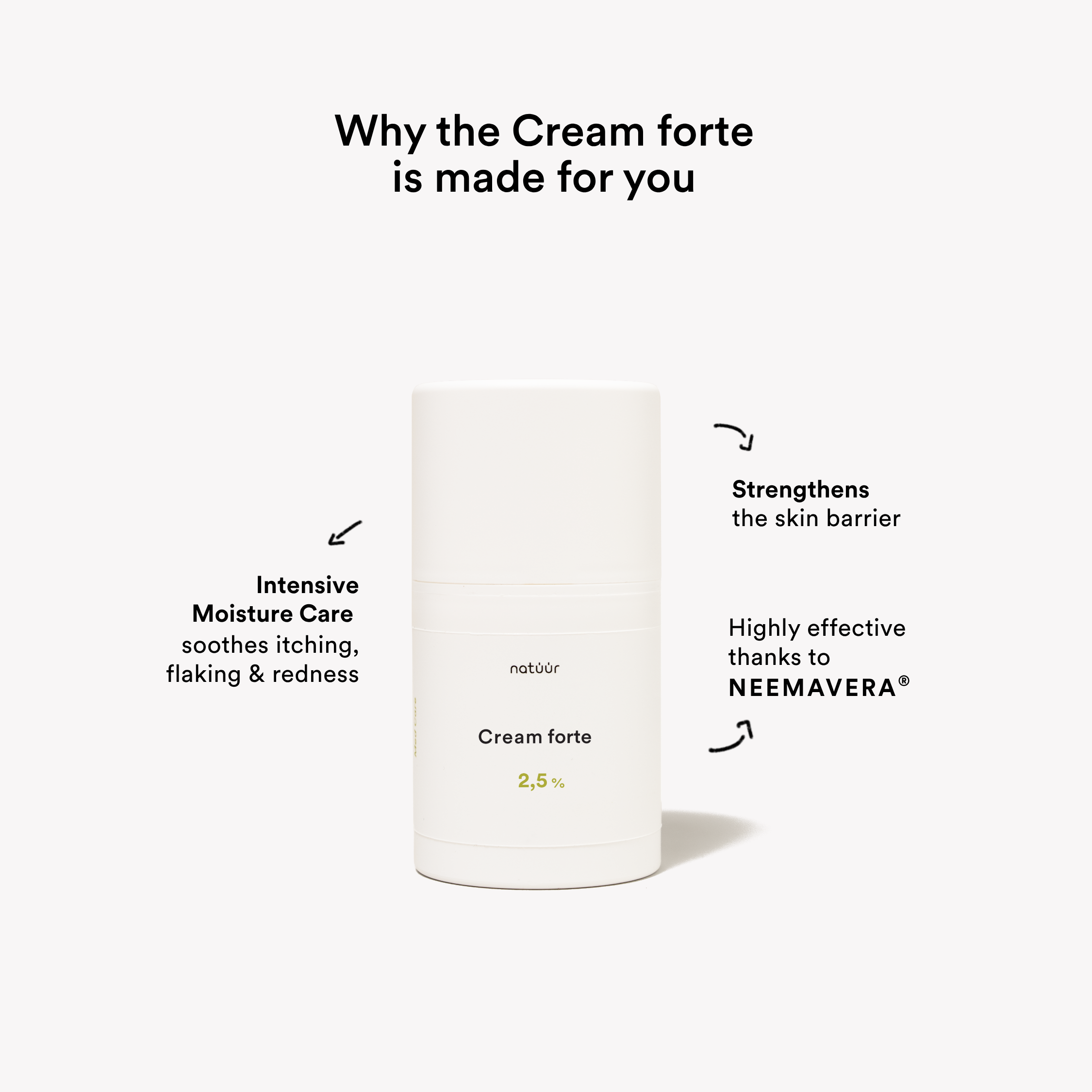
- Special procedures test tolerability for sensitive skin, e.g., for neurodermatitis or psoriasis.
Standards and guidelines:
- International standards such as DIN EN ISO 10993-10 and the EU Cosmetics Regulation define test parameters.
- Blind controls and precise documentation ensure the reliability of results.
Patch tests are essential for the development of safe skincare products, especially in natural cosmetics. They ensure that products are suitable even for sensitive skin.
Patch testing demonstration
Test standards
The following standards and guidelines form the basis for standardized patch tests.
Current requirements
International standards define specific testing parameters to ensure comparability:
- DIN EN ISO 10993-10: Describes fundamental testing procedures.
- EU Cosmetics Regulation (Annex VI): Regulates concentration limits for test substances.
Requirements for test materials
For reliable test results, the materials used must meet these conditions:
- Verifiable purity of the test substances.
- Stability of the substances throughout the entire test duration.
- Compliance with concentration requirements, as defined in the standards.
Consistency of results
To ensure reproducible results, the following measures apply:
- Standardized timings for measurements and evaluations.
- Blind controls to avoid bias.
- Regular calibration of testers to guarantee consistent assessments.
Test steps and methods
Here is a detailed description of how the tests are practically conducted.
Preparation and application
For reliable results, careful application of the test substances is essential. The substances are applied to cleaned skin areas on the back using adhesive patches. The purity of the test materials is checked in advance to ensure precise results. For natural active ingredients, such as the NEEMAVERA extract, particular attention is paid to controlled conditions.
Test duration
The patches remain on the skin for 48 hours. During this time, participants must not shower or sweat heavily. After the patches are removed, follow-up examinations are conducted after 30 minutes, 24 hours, and 72 hours. These intervals allow for the assessment of both immediate and delayed skin reactions.
Documentation
All relevant data is systematically recorded:
- Date and time of application
- Name and concentration of the test substance
- Position of the patch
- Type and severity of skin reactions
Blind controls and standardized documentation forms ensure consistent results. This standardized recording facilitates the later evaluation of reactions.
sbb-itb-ba17a98
Reading test results
After documentation, the skin reaction is evaluated. Observations after 30 minutes, 24 hours, and 72 hours provide the basis for the assessment.
Assessment scale
The ICDRG scale classifies skin reactions from 0 (no reaction) to 3 (strong reaction with blistering).
Types of reactions
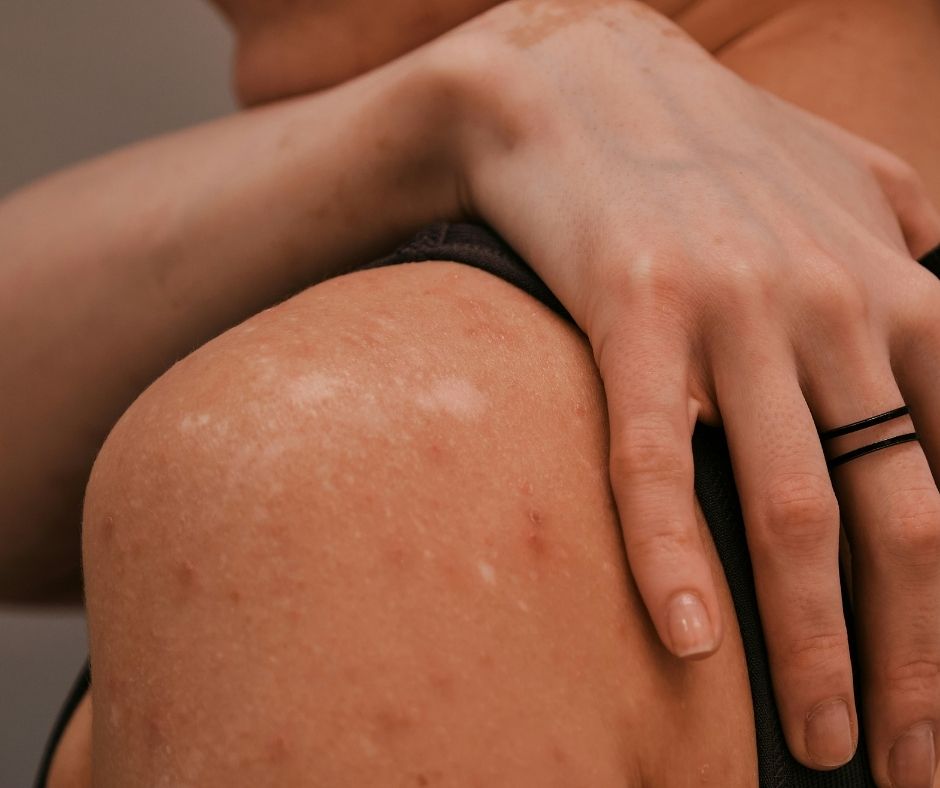
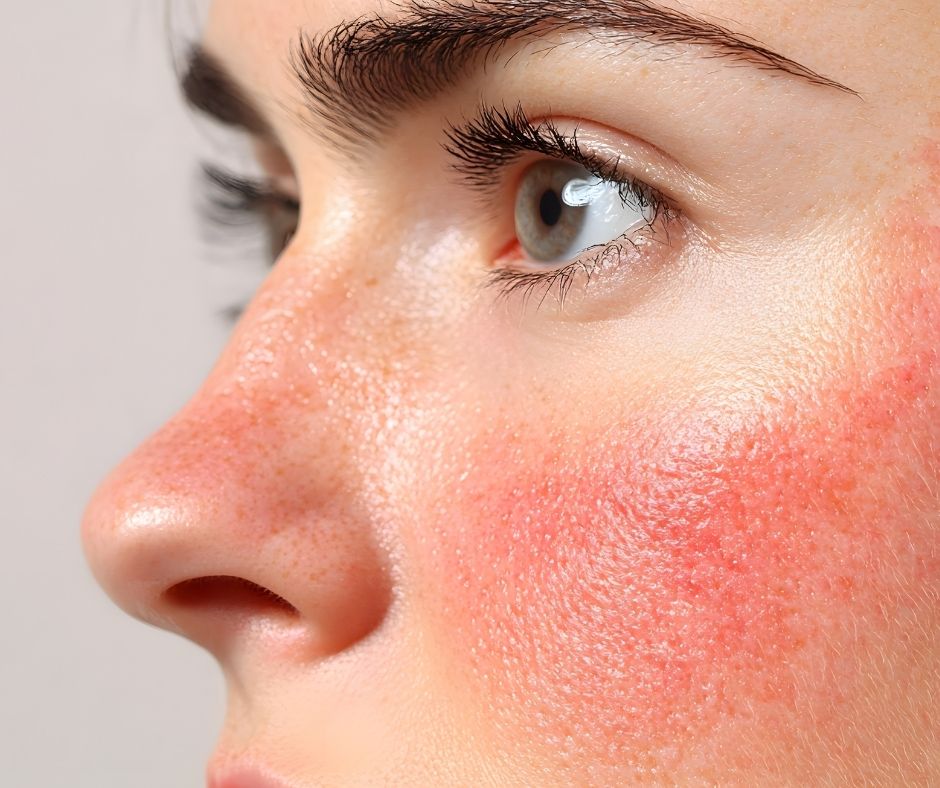
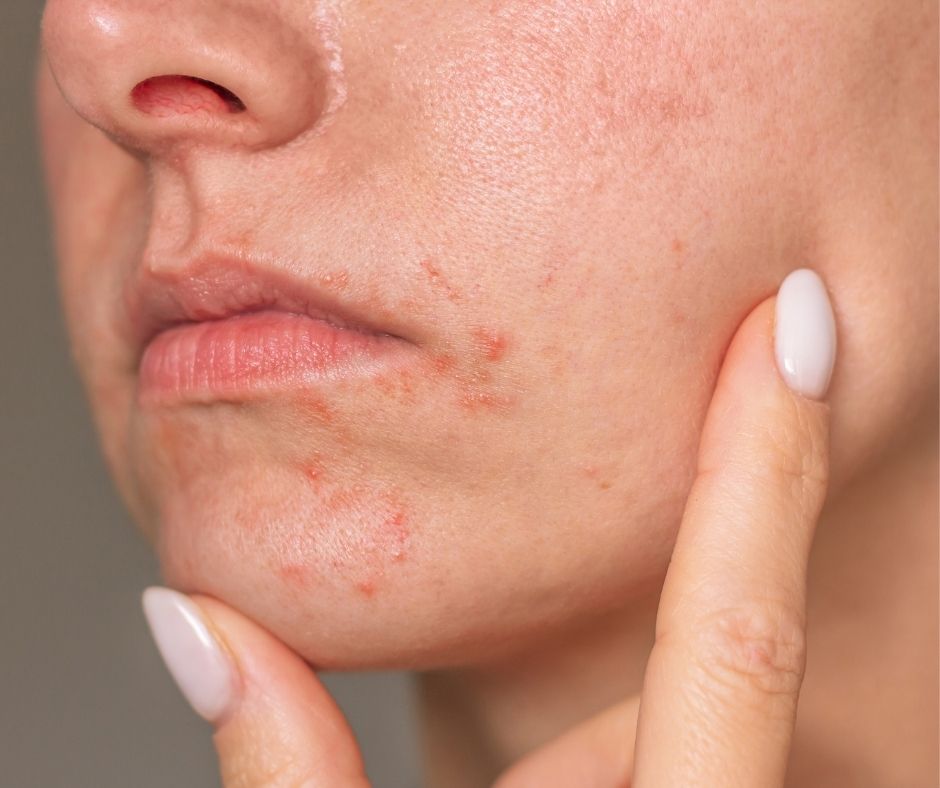
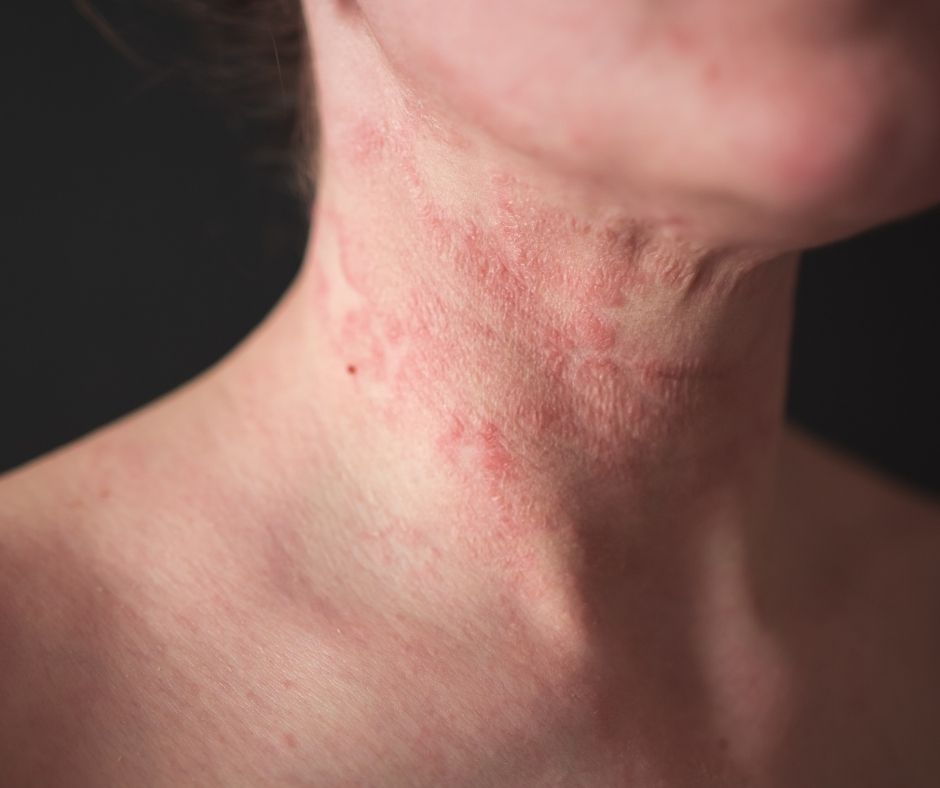
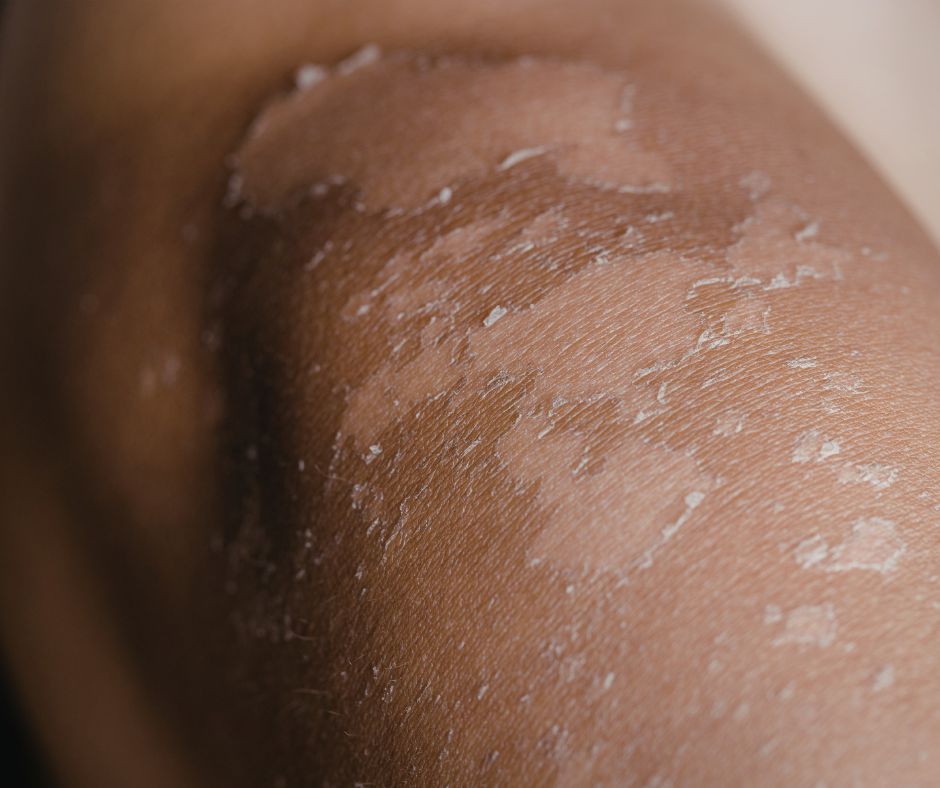
There are two main types of skin reactions: irritant (e.g., redness, scaling) and allergic (e.g., papules, vesicles). These can be distinguished by their specific characteristics.
Reliability of results
To ensure the accuracy of test results, blind controls and standardized duplicate measurements are performed.
natüür applies these standards to test the NEEMAVERA extract.
The next section covers special test protocols for natural cosmetics.
Natural product testing
Based on general evaluation standards, plant-based ingredients require special patch test protocols.
Plant-based ingredients
Plant extracts require specific testing procedures to identify natural allergens and rule out cross-reactions. The concentration of the extracts plays a crucial role, as it influences skin reactivity. The following describes the testing procedures for sensitive skin types.
Procedures for sensitive skin types
The patch test protocols were specially developed for sensitive and irritated skin, whether due to acute or chronic conditions. The NEEMAVERA extract, a 50-fold concentrated active ingredient [1], is intensively dermatologically examined. These tests systematically cover irritant and allergic reactions, especially in individuals with psoriasis or neurodermatitis.
[1] Natüür (RAG): NEEMAVERA is a 50-fold concentrated extract from neem leaves.
Summary
Here are the main points of the article:
Main points
Standardized patch test protocols are crucial for the safe development of skincare products. Especially for natural products, special tests are necessary to ensure both their efficacy and tolerability. These protocols help identify irritant and allergic reactions, determine optimal active ingredient concentrations, and guarantee suitability for sensitive skin. (Details on test standards, test procedures, and evaluations can be found in the article.)
Natüür safety standards

The development of natüür products follows strict testing procedures. The patented NEEMAVERA extract is dermatologically tested and contains no parabens, silicones, or artificial colorants.
Natüür relies on the following safety standards:
- Tests with 50 times the concentration of the NEEMAVERA active ingredient
- Special procedures for sensitive and irritated skin
- Absence of parabens, silicones, and artificial colorants
These measures ensure consistent testing conditions, which are also applied to skin conditions such as psoriasis or neurodermatitis.