





Psoriasis: 10 Myths and Facts Checked
Around two million people in Germany live with psoriasis. Even so, many misconceptions are going around: online, among friends, sometimes even among people who have it. Some myths are harmless, others lead to exclusion or false hopes. We've gathered the most common claims about psoriasis and checked them honestly: what's true, what isn't, and what is more nuanced than it sounds?
The myths at a glance
| Claim | Fact check |
|---|---|
| Seawater helps with psoriasis | Partly true |
| Psoriasis is contagious | False |
| Poor hygiene triggers psoriasis | False |
| Psoriasis is just a skin problem | False |
| Psoriasis is curable | False, but treatable |
| Sport is off-limits with psoriasis | False |
| Diet plays no role | False |
| Garlic helps against psoriasis | Not proven |
| Alcohol makes psoriasis worse | True |
| Stress can trigger flare-ups | True |
Myth 1: Seawater helps with psoriasis

Partly true
Many people with psoriasis notice a clear improvement by the sea. But that is rarely down to the seawater alone; it's a combination of several factors:
- Sun: UV light can slow down the overactive immune response in the skin. Sunburn must be avoided at all costs, though, as it can trigger new patches.
- Salt: Salt water softens scales and helps to loosen them gently. This can ease itching and the feeling of tightness.
- Relaxation: For many, a holiday means less stress, and stress is a common trigger for flare-ups.
- Humid air: Compared with dry heated air, sea air is good for the skin.
This combination of salt and sun is also used in what is known as climate therapy, for example at the Dead Sea, whose water is particularly salty. Important: salt water also dries the skin out. After bathing, rinse off with clear water, pat your skin dry and moisturise. You'll find more tips for the warmer months in Psoriasis in summer, and everything about planning your trip in Holidays with psoriasis.
And at home? Salt baths with sea salt or Dead Sea salt can soften scales in a similar way. Don't bathe for longer than around 15 to 20 minutes, keep the water lukewarm and moisturise well afterwards.
Myth 2: Psoriasis is contagious

False
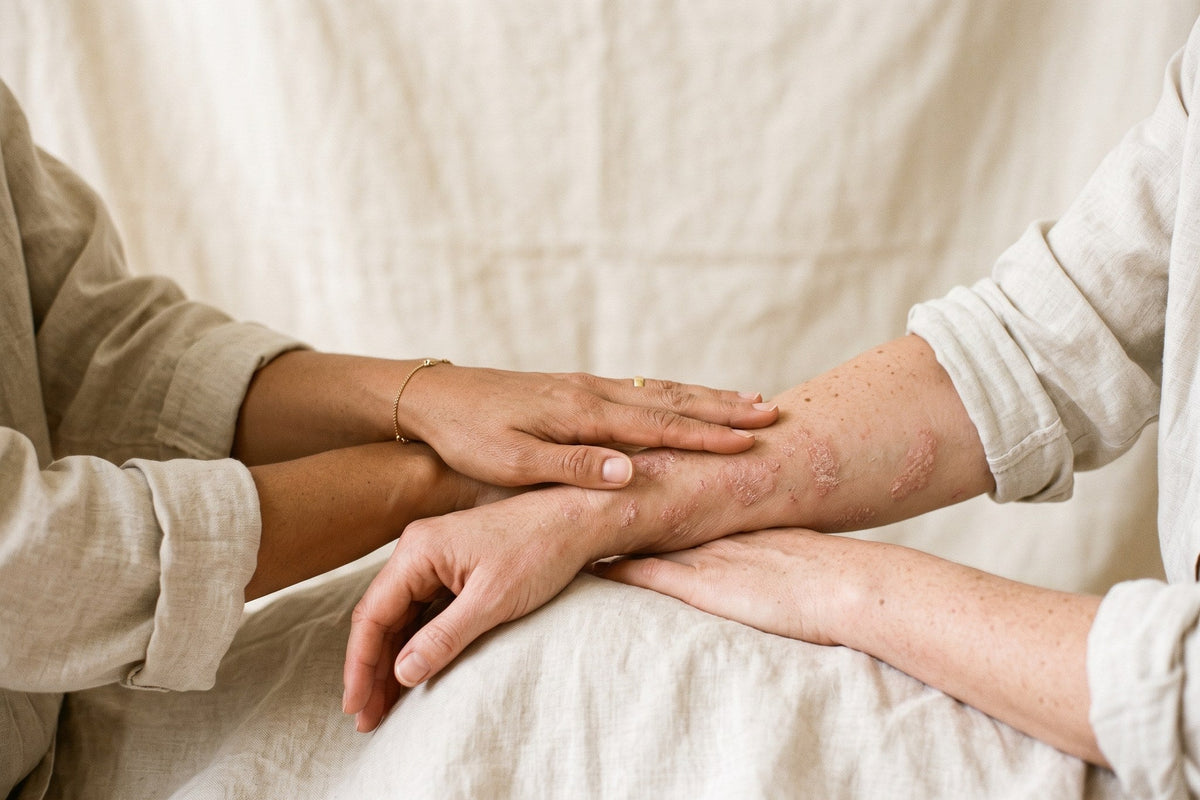
Psoriasis is not contagious, neither through touch nor through shared towels or at the swimming pool. It is a chronic inflammatory condition that originates in your own immune system.
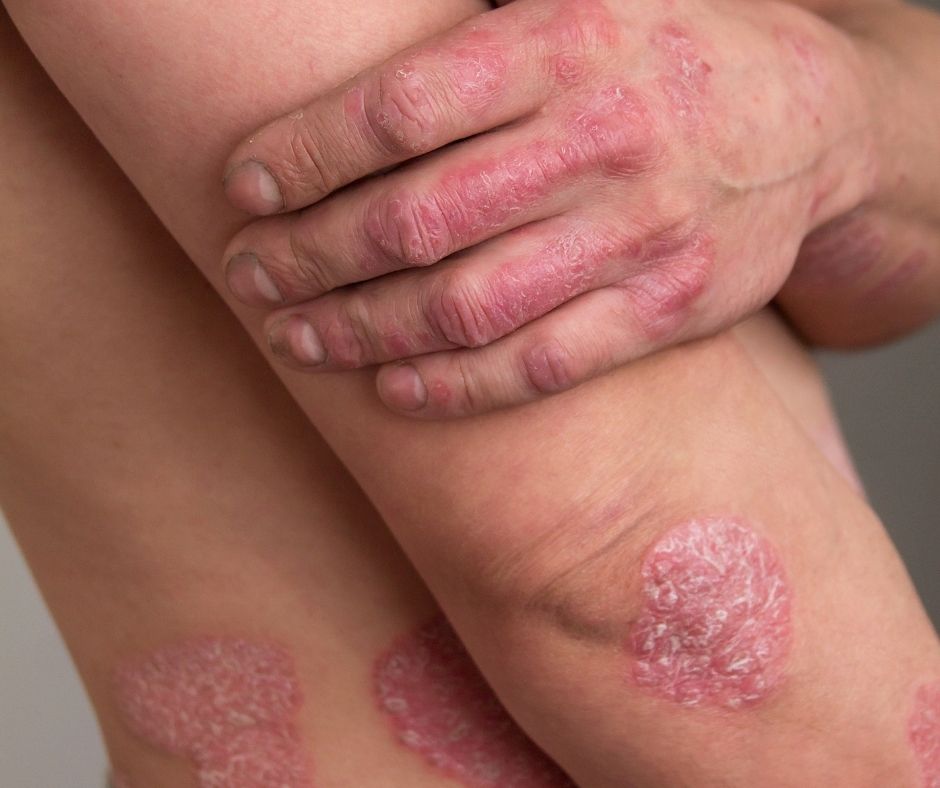
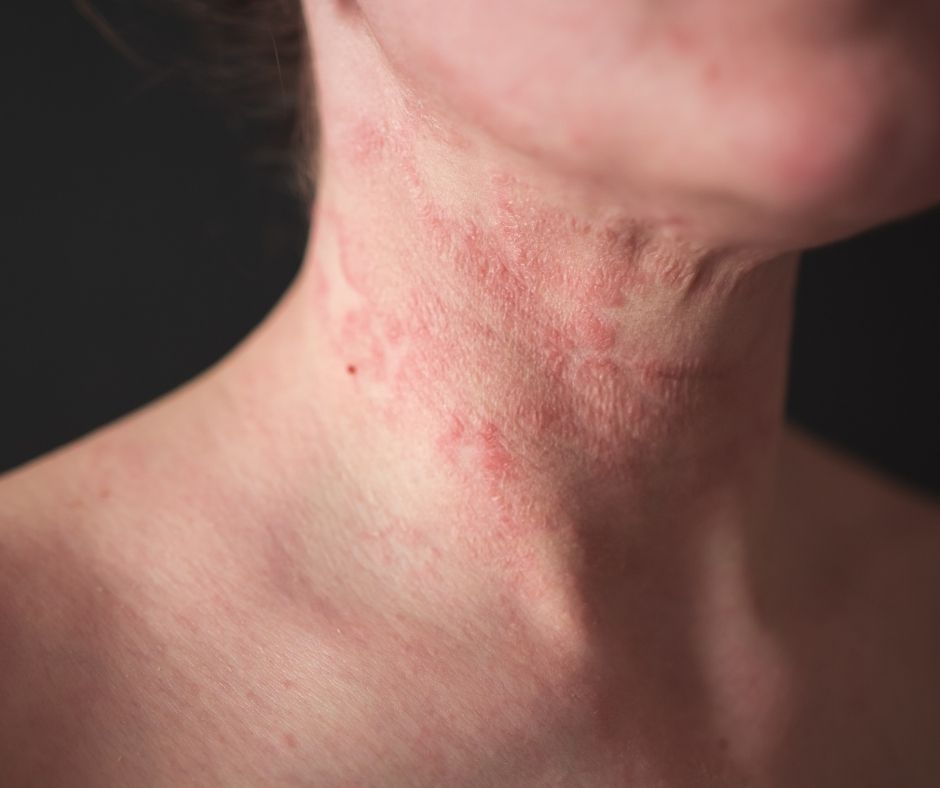
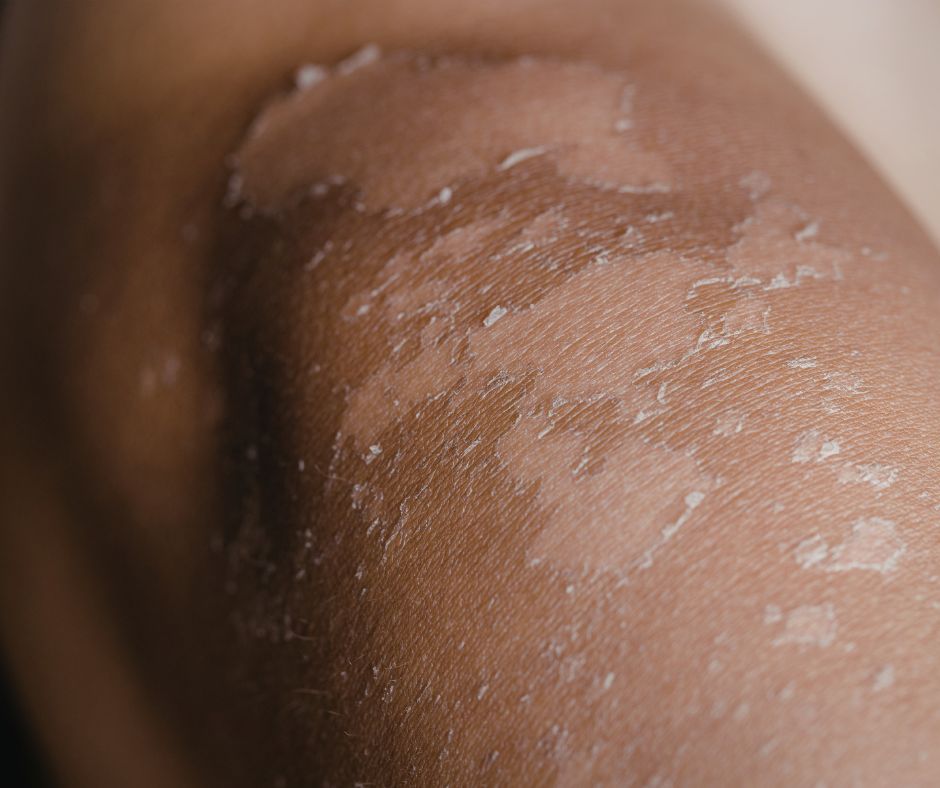
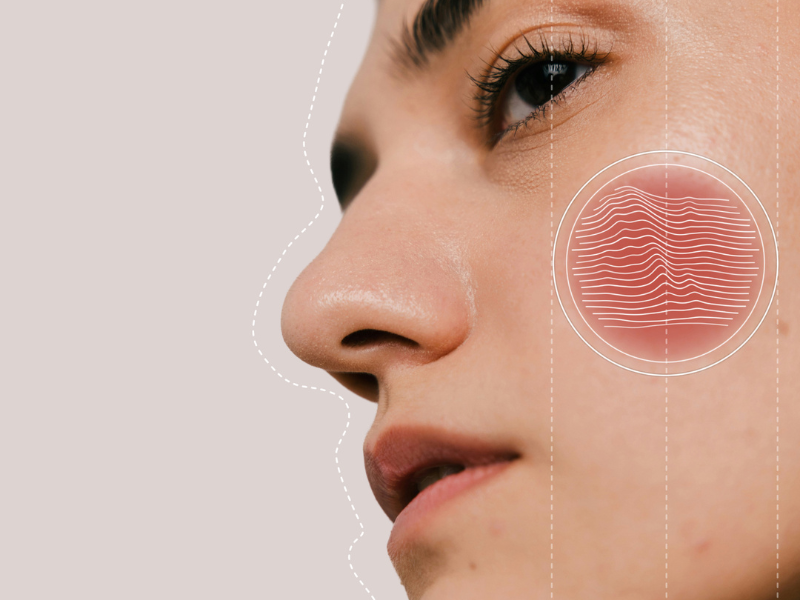
Normally, a skin cell takes around four weeks to travel from the lower layer of the skin to the surface. In psoriasis, the overactive immune system releases messenger substances that shorten this process to just a few days. The cells build up on the surface, and the typical reddened, scaly patches develop.
This myth is particularly hurtful, because it leads to exclusion. A short answer often helps: “This is psoriasis, it isn't contagious.”
Myth 3: Poor hygiene triggers psoriasis

False
Psoriasis has nothing to do with personal hygiene. What matters is a hereditary predisposition and triggers such as infections, stress, skin injuries or certain medications.
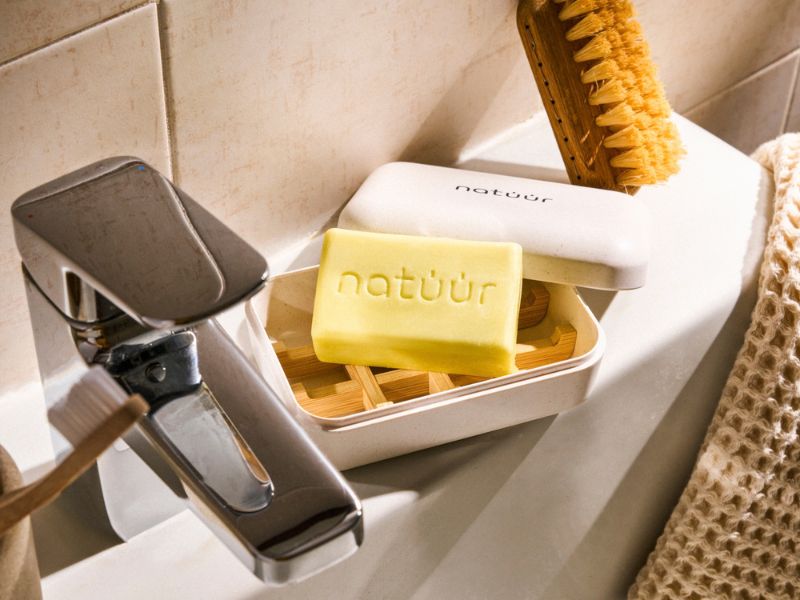
On the contrary: washing too much, hot water and harsh cleansing products can irritate the skin even further. Short, lukewarm showers, a mild cleanser and a lipid-replenishing care product afterwards are better.
Myth 4: Psoriasis is just a skin problem
False
Psoriasis shows up on the skin, but it is an inflammatory condition that can affect the whole body. In some of those affected, an estimated 20 to 30 per cent, the joints are also involved. You can read more about this in Psoriatic arthritis. People with psoriasis also have a higher risk of cardiovascular disease and metabolic disorders.
The mind often suffers too: visible patches, itching and prejudice take their toll. We explain how closely skin and mind are connected in The mind and psoriasis. Regular check-ups at a dermatologist's practice therefore make sense, even during calm phases.
Myth 5: Psoriasis is curable
False, but treatable
According to current knowledge, psoriasis cannot be cured. It usually runs in flare-ups, with phases in which the skin is calmer. The good news: today there are many effective treatments, from creams and light therapy to modern medications, with which many people affected live free or almost free of symptoms for long periods. Be careful with offers that promise a cure.
Good daily basic care is part of every treatment. It doesn't replace therapy, but it supports the skin barrier and can reduce dryness and the feeling of tightness.
Myth 6: Sport is off-limits with psoriasis

False
Exercise is good for body and mind and helps to reduce stress. Since excess weight is associated with more severe courses, regular exercise can even be particularly worthwhile. These tips make it more comfortable:
- Wear breathable sportswear that isn't too tight, so that nothing rubs.
- Take a short, lukewarm shower after exercise and moisturise afterwards.
- With psoriatic arthritis, joint-friendly sports such as swimming, cycling or yoga are a good fit.
Myth 7: Diet plays no role
False
There is no particular “psoriasis diet” that makes psoriasis disappear. But diet doesn't make no difference at all, either: studies show that losing weight when overweight can improve symptoms, and a Mediterranean-style diet with lots of vegetables, pulses, fish and olive oil is often recommended. You can read more about this in Gut and skin.
Myth 8: Garlic helps against psoriasis

Not proven
Garlic contains substances such as allicin that show antioxidant and anti-inflammatory properties in the lab. However, it has not been proven that garlic improves psoriasis. As part of a varied diet, there's nothing against it. High-dose garlic capsules, on the other hand, can interact with medications, such as blood thinners. So talk to your doctor or pharmacist before taking them. Applying garlic directly to the skin can irritate it severely.
You can read about which natural remedies have actually been studied in 7 natural remedies for psoriasis.
Myth 9: Alcohol makes psoriasis worse

True
Regular alcohol consumption is associated with more frequent and more severe flare-ups. Alcohol promotes inflammation, weakens the defences against infections and can impair the effect of treatments. Some psoriasis medications also put a strain on the liver, in which case alcohol is particularly unfavourable. Here, less is clearly more.
Myth 10: Stress can trigger flare-ups
True
Many people affected notice that their skin gets worse during difficult times. Stress is considered one of the most common triggers for flare-ups. Avoiding stress completely is unrealistic. What helps are breaks, exercise, enough sleep and relaxation techniques such as breathing exercises or yoga.
Our tip for daily care
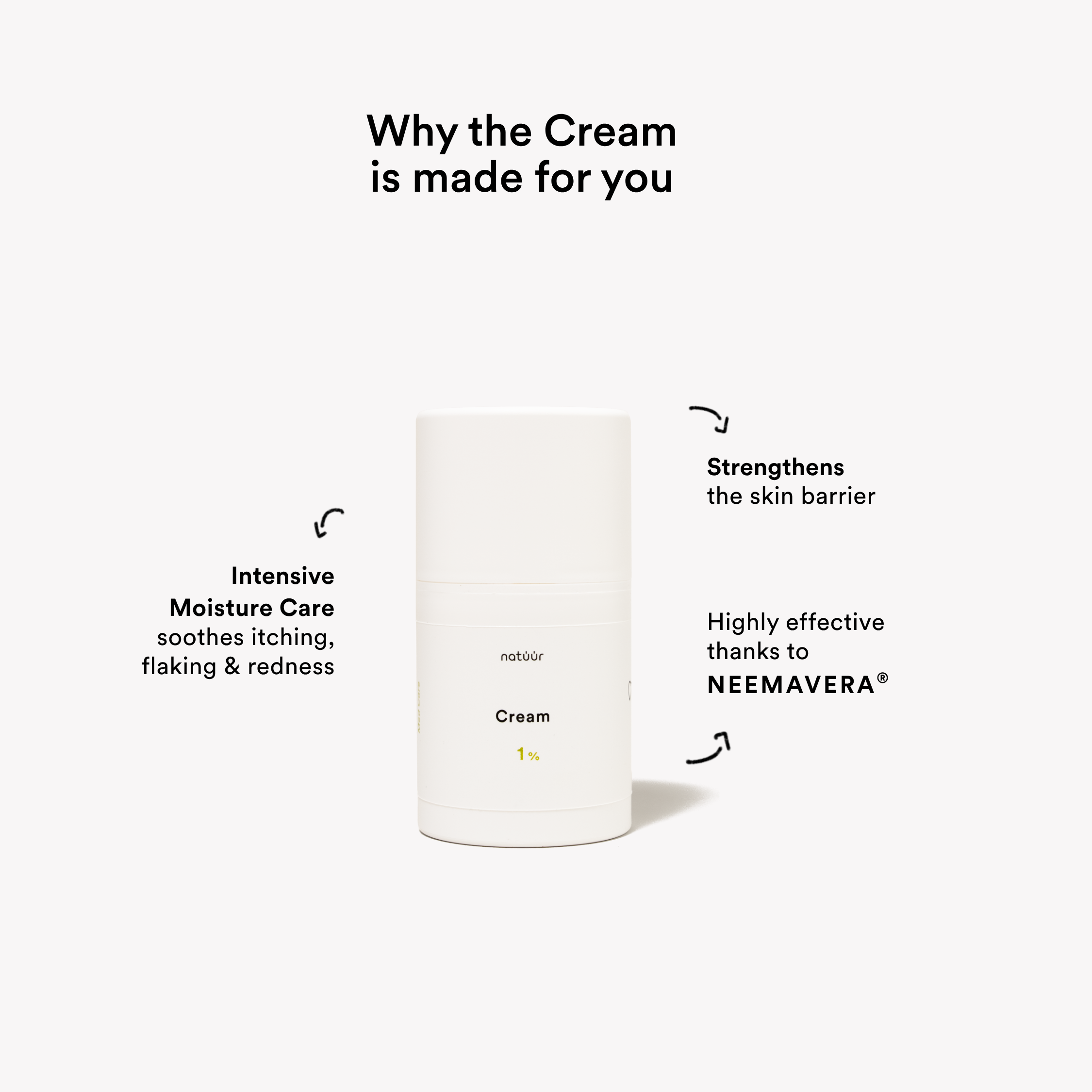
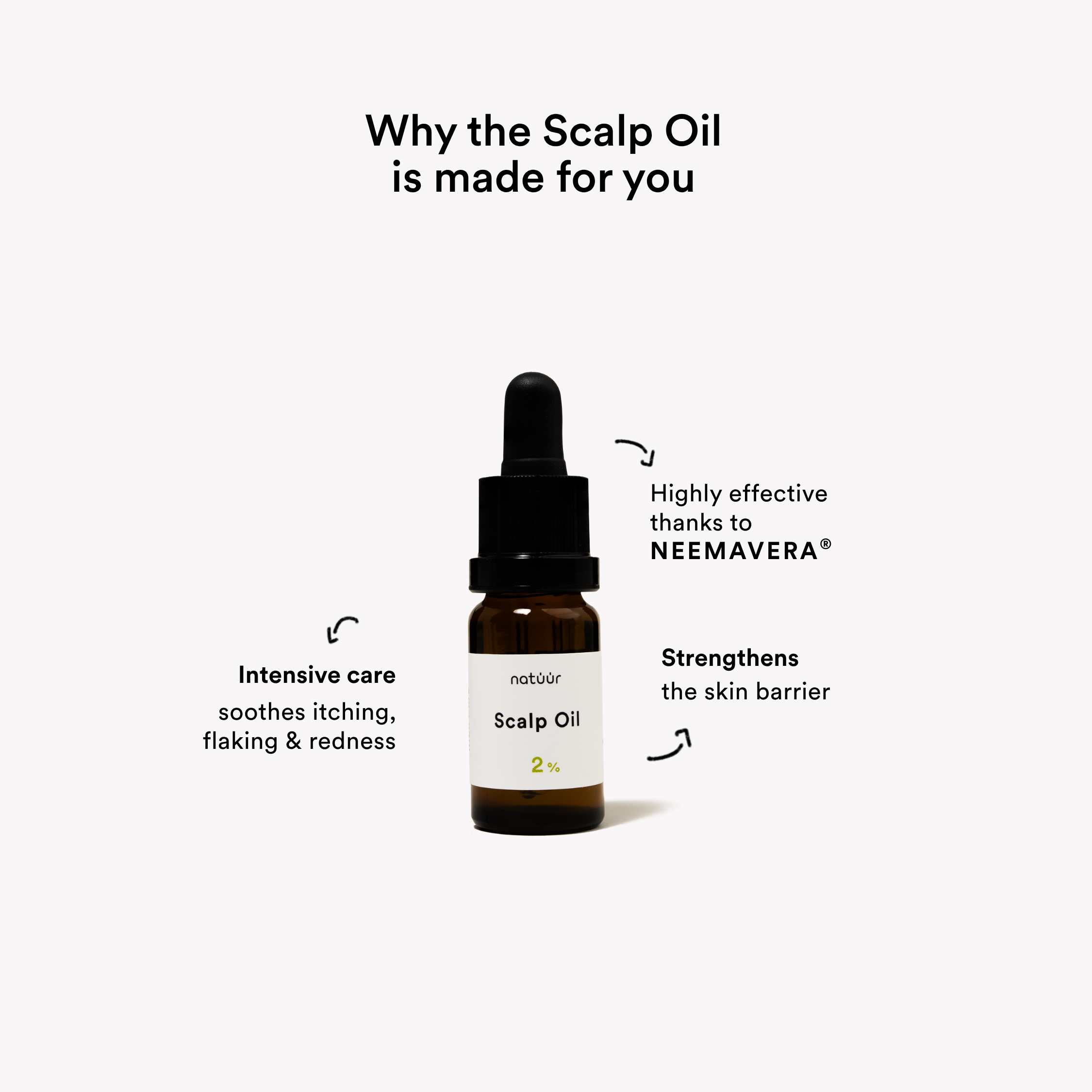
Our care with NEEMAVERA® has been developed specifically for skin prone to psoriasis and can accompany a treatment.
- Cream: light basic care for face and body, without fragrances
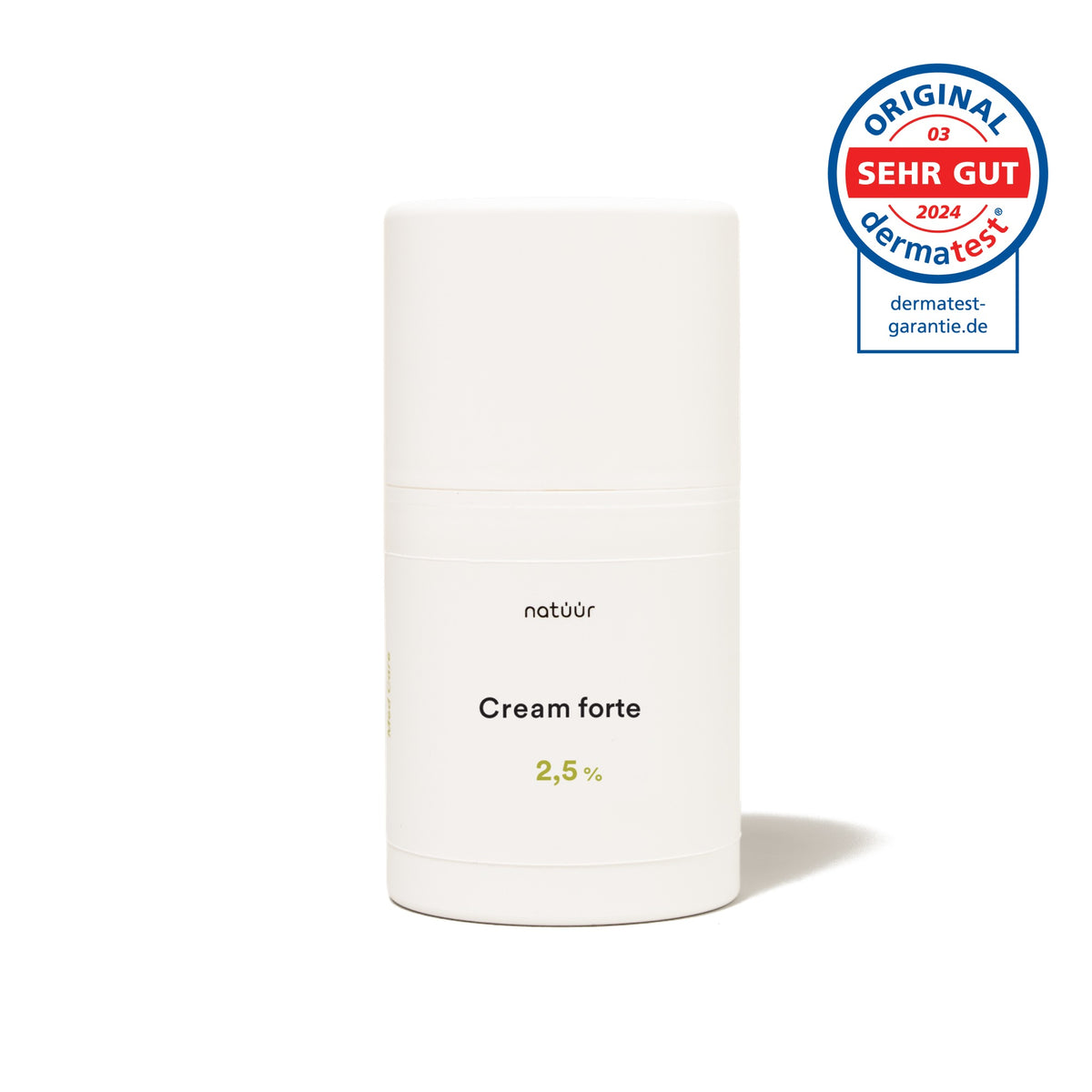
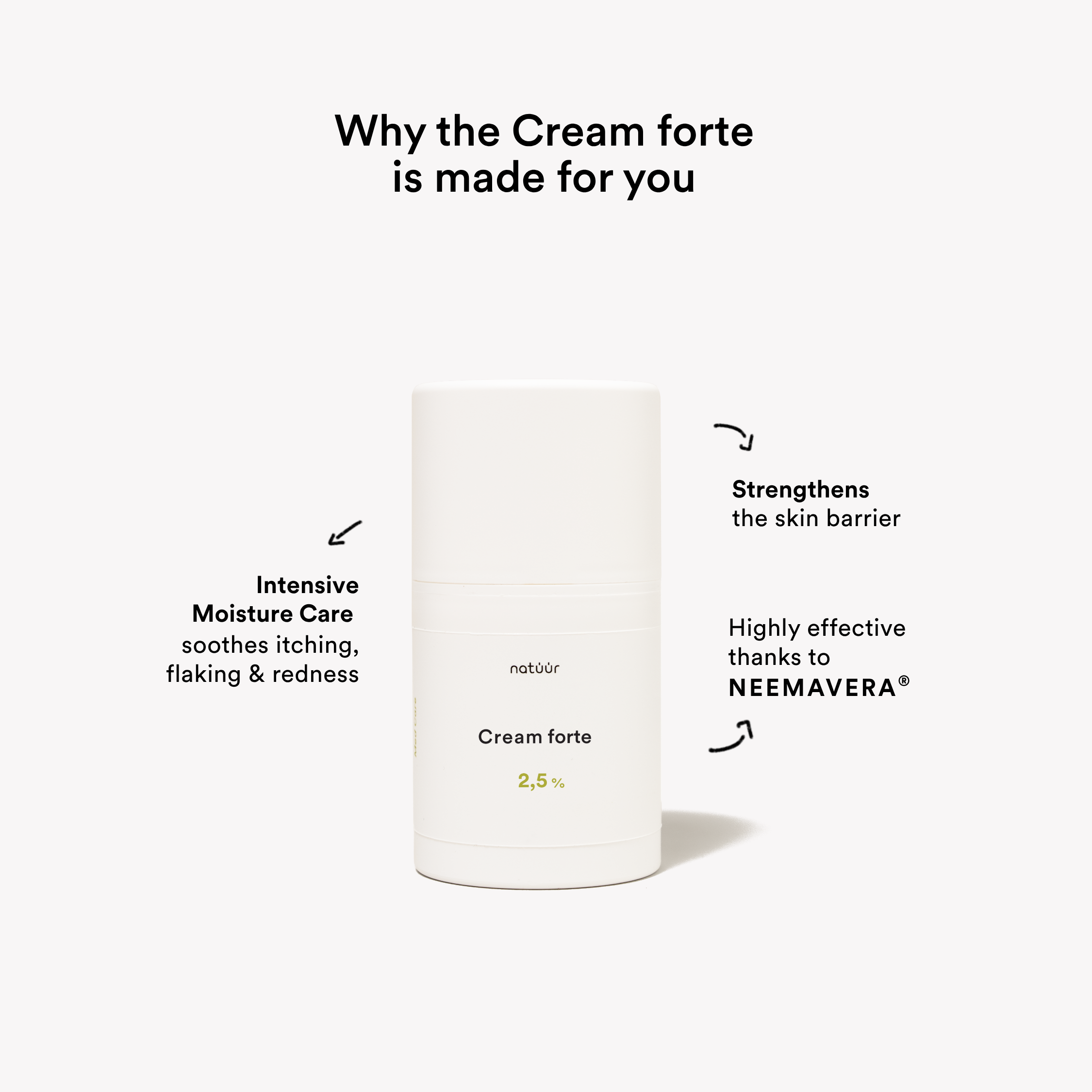
- Cream forte: rich care for very dry, scaly skin, without fragrances
- Pso Kit: Skin Balm, Cream forte and Scalp Oil for body and scalp
The article Psoriasis care from head to toe gives you an overview of all products.
Frequently asked questions
Does seawater help with psoriasis?
For many people affected, yes. Salt softens scales, and by the sea there's also sun and relaxation. But salt water dries the skin out, so rinse off with clear water afterwards and moisturise.
Is psoriasis contagious?
No. Psoriasis is a chronic inflammatory condition that originates in your own immune system. It is not transmitted through touch or through shared objects.
Is psoriasis curable?
According to current knowledge, no. But it is treatable, and with the right therapy many people affected live with few symptoms for long periods.
Can I exercise with psoriasis?
Yes, exercise is even recommended. Breathable clothing, a lukewarm shower afterwards and good care make it more comfortable for the skin.
Does alcohol make psoriasis worse?
Yes. Regular alcohol consumption is associated with more frequent and more severe flare-ups and can impair the effect of treatments.