







Winter Blues: Tips Against Low Mood in Winter, for Mind and Skin
The days are short and grey, it’s wet and cold outside, and the urge to do things drops. Many people know this low mood in winter, the so-called winter blues. If you also live with psoriasis, atopic dermatitis or very sensitive skin, the dark season can be doubly exhausting: heating air and cold dry out the skin, itching robs you of sleep, and that in turn affects your mood. The good news: even small things in everyday life can make a noticeable difference. Here are our favourite winter blues tips for mind and skin.
In a nutshell: what helps against the winter blues?
Soak up daylight every day if you can, ideally on a walk in the morning. Add exercise, a regular sleep rhythm, meeting people who are good for you, small highlights in your calendar and breaks to relax. For your skin: shower lukewarm rather than hot and consistently use a lipid-replenishing moisturiser. If the low mood lasts longer than two weeks, talk to your GP.
Winter blues or winter depression?
The winter blues is not a medical term; it describes a temporary low mood during the dark season. Typical signs are tiredness, a greater need for sleep, cravings for sweet things and little drive. Everyday life still works, though, and on bright days you feel noticeably better.
This needs to be distinguished from seasonal affective disorder, colloquially known as winter depression. It is a serious illness. Signs of it are a low mood, loss of interest and lack of drive that persist almost every day for at least two weeks and significantly restrict your everyday life.
| Feature | Winter blues | Winter depression |
|---|---|---|
| Mood | low, but fluctuating | persistently down |
| Duration | days, improves on bright days | at least two weeks, almost daily |
| Everyday life | keeps working | significantly restricted |
| What helps | light, exercise, structure, social contact | medical or psychotherapeutic treatment |
Why skin and mood are linked in winter
Skin and mind influence each other. Many people with psoriasis or atopic dermatitis find that stress and emotional strain encourage flare-ups or intensify itching. Conversely, visible patches of skin and restless nights weigh on your mood. You can read more about this in our article Mental health and psoriasis.
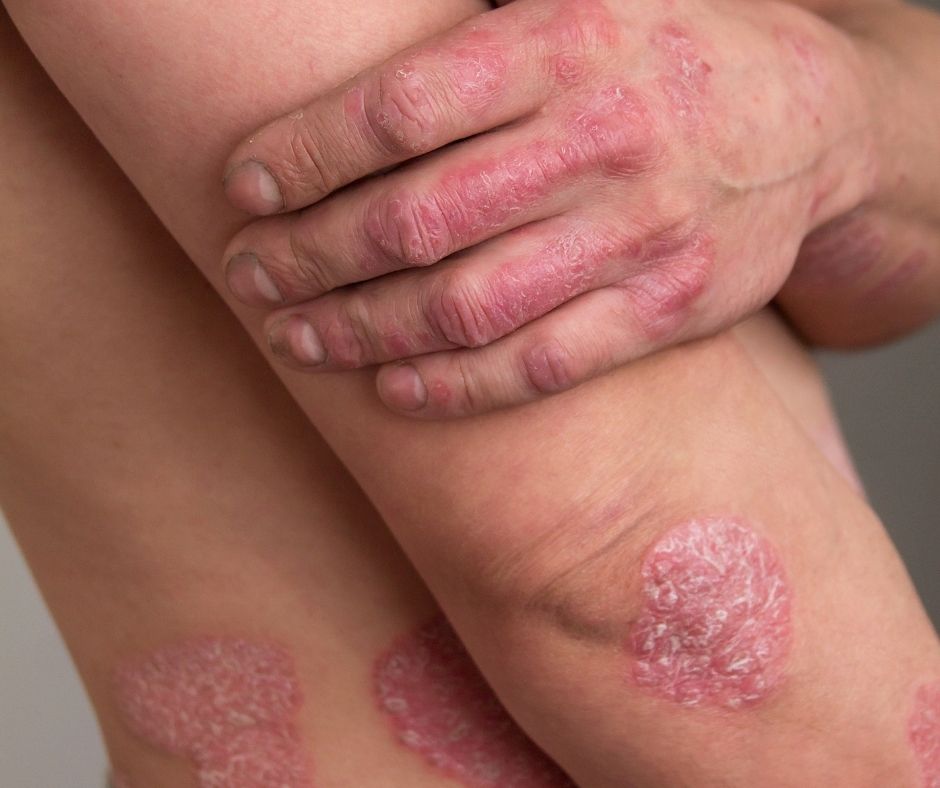
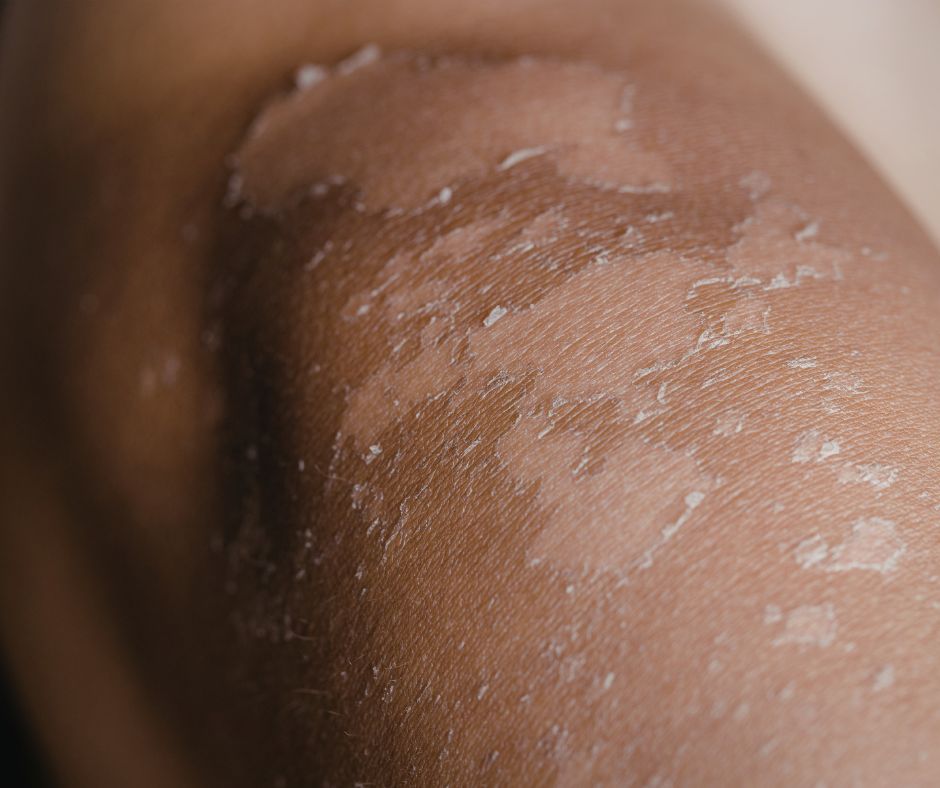
In winter, the skin itself adds to this: cold air outside and dry heating air inside draw moisture from it, the skin barrier becomes more permeable, and irritated areas itch more quickly. Why psoriasis in particular often becomes more difficult in winter is explained in detail in our guide Psoriasis in winter. If you take good care of your skin and soul, you break this cycle at several points at once.
Light, exercise and fresh air

Even if it’s cold and wet outside: a walk or some exercise in the open air does you a surprising amount of good. Even on dull days, the light outdoors is many times brighter than inside your home, and it is exactly this light that helps your internal clock start the day awake and in a good mood. A walk in the morning or during your lunch break brings the most benefit.
Turn it into a little voyage of discovery: many towns and regions have signposted hiking and walking trails off the beaten track. Tourist boards and hiking apps offer route suggestions with information on sights and nature along the way. On really unpleasant days, a few lengths at an indoor pool provide exercise and balance. Rinse off the chlorinated water thoroughly afterwards and moisturise straight away.
Cold protection for sensitive skin
So that your walk doesn’t harm your skin: wear several thin layers, ideally of soft, smooth materials directly against your skin, and protect your face and hands with a scarf and gloves. Before going out, apply a rich moisturiser to exposed areas – one that is more greasy than cooling. Wool directly on the skin often scratches with atopic dermatitis.
Daylight lamp instead of a sunbed
If you hardly get outside, a daylight lamp can be a useful addition. It is usually used in the morning for about 20 to 30 minutes at some distance, without looking directly into it. Important: daylight lamps filter out UV radiation and work via the eyes, not the skin. They have nothing to do with the UV light therapy that dermatologists use for psoriasis. A sunbed is a bad idea both against the winter blues and for your skin. If you have eye conditions or take medication that makes you sensitive to light, talk to your doctor first.
Vitamin D and diet
In Germany, from about October to March the sun is not strong enough for the skin to produce significant amounts of vitamin D. Whether you are lacking vitamin D and whether a supplement makes sense is best clarified with your GP, who can measure your level. Taking high doses on your own initiative is not a good idea.
When it comes to food: warm, freshly cooked meals with plenty of vegetables, pulses, wholegrains, nuts and oily sea fish or linseed oil do your body and mood good. A piece of chocolate is allowed, but sweet things shouldn’t become your main food. How diet and the gut are linked to the skin, you can read in the article Gut and skin.
Good to know: St John’s wort is often recommended for low moods. However, it can make the skin more sensitive to light and does not mix well with many medicines, such as the pill. So only take it after consulting a doctor or pharmacist, especially if you are receiving light therapy for your skin.
Planning and small highlights

Dates in your calendar and small projects give you something to look forward to. Especially when the days are short, small goals and a fixed daily structure help.
That could be a cooking evening with friends, a craft course or a DIY project that awakens your creative side. Tidying up, decluttering or small repairs around your home also give you a good feeling. A planned museum visit or cinema evening creates anticipation, and that carries you through many a grey day.
Keeping up social contacts

In winter we like to withdraw. That is exactly when it does you good to make a conscious effort to meet up with friends or family, even if it’s just a cosy evening on the sofa.
If you tend to live alone, group activities are worthwhile. Many clubs and initiatives offer more events during the cold season. Whether cooking together, reading to children or a baking get-together: exchanging ideas keeps your mind alert and lifts your mood. Self-help groups and online communities for people with psoriasis or atopic dermatitis can also take some of the weight off, because you don’t have to explain yourself there.
Relaxation for mind and skin

Simple breathing and meditation exercises bring inner calm. Practised regularly, relaxation techniques help reduce stress, and less stress is good news for irritated skin too.
Try belly breathing, for example: breathe in slowly through your nose so that your belly rises, and breathe out again even more slowly. Just five minutes can have a noticeably calming effect. Progressive muscle relaxation is also easy to learn and specifically loosens tense parts of the body. Many German health insurers offer free courses, apps or instructions for this.
Enough sleep and a regular rhythm

In winter, many people feel more tired than usual. A rhythm that is as regular as possible helps: go to bed and get up at about the same time every day, even at weekends. For most adults, seven to nine hours of sleep is good. Bright light in the morning and dimmed light in the evening support your internal clock.
If you have trouble falling asleep, an evening ritual such as reading, a relaxation exercise or a short, lukewarm bath can help. Your bedroom should be dark, quiet and on the cool side. And if itching keeps you awake at night: a cool room, breathable cotton bedding and moisturising before going to bed can help.
Skincare as a small feel-good ritual
A warm bath or a massage feels wonderful in winter. For sensitive skin, though: lukewarm rather than hot, and no longer than about ten minutes. Then gently pat your skin dry and moisturise straight away while it is still slightly damp.
A few drops of essential oil such as lavender, lemon balm or orange turn your bath into a little mood booster, if your skin tolerates them well. With atopic dermatitis, psoriasis or very sensitive skin, however, caution is needed, because essential oils are among the more common triggers of skin irritation. So try a new oil carefully first, never add it neat to your bath water but mixed with a little dairy cream or a neutral bath oil, and leave it out during acute phases. A good alternative for your nose: a few drops in an aroma diffuser instead of on your skin.
Make moisturising a conscious moment for yourself: slowly, with calm movements, perhaps combined with a breathing exercise. That way you care for your skin and shift down a gear at the same time. How to tell whether your skin is lacking lipids or moisture, you can read in the article Dry or dehydrated skin?.
Our tip for dry winter skin
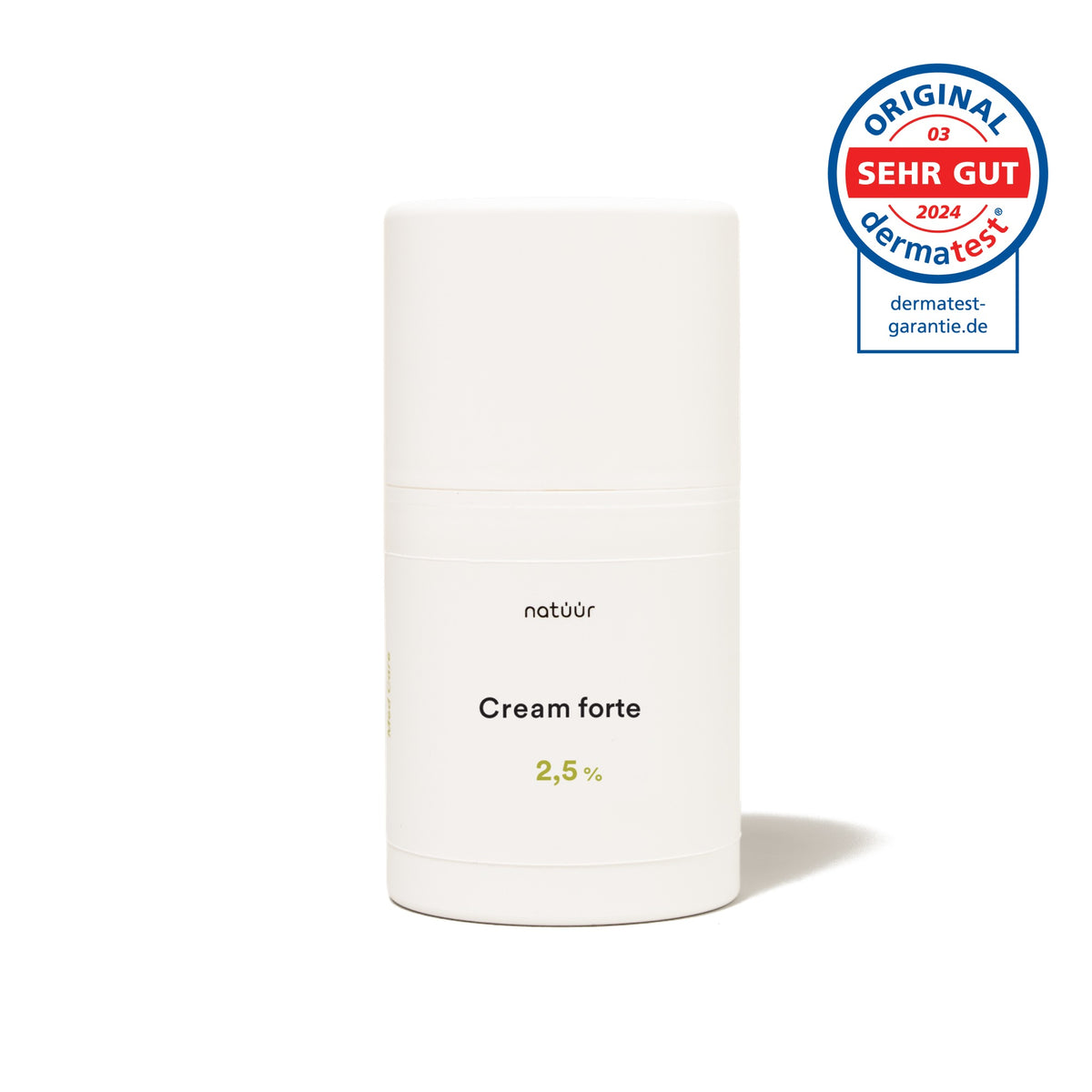
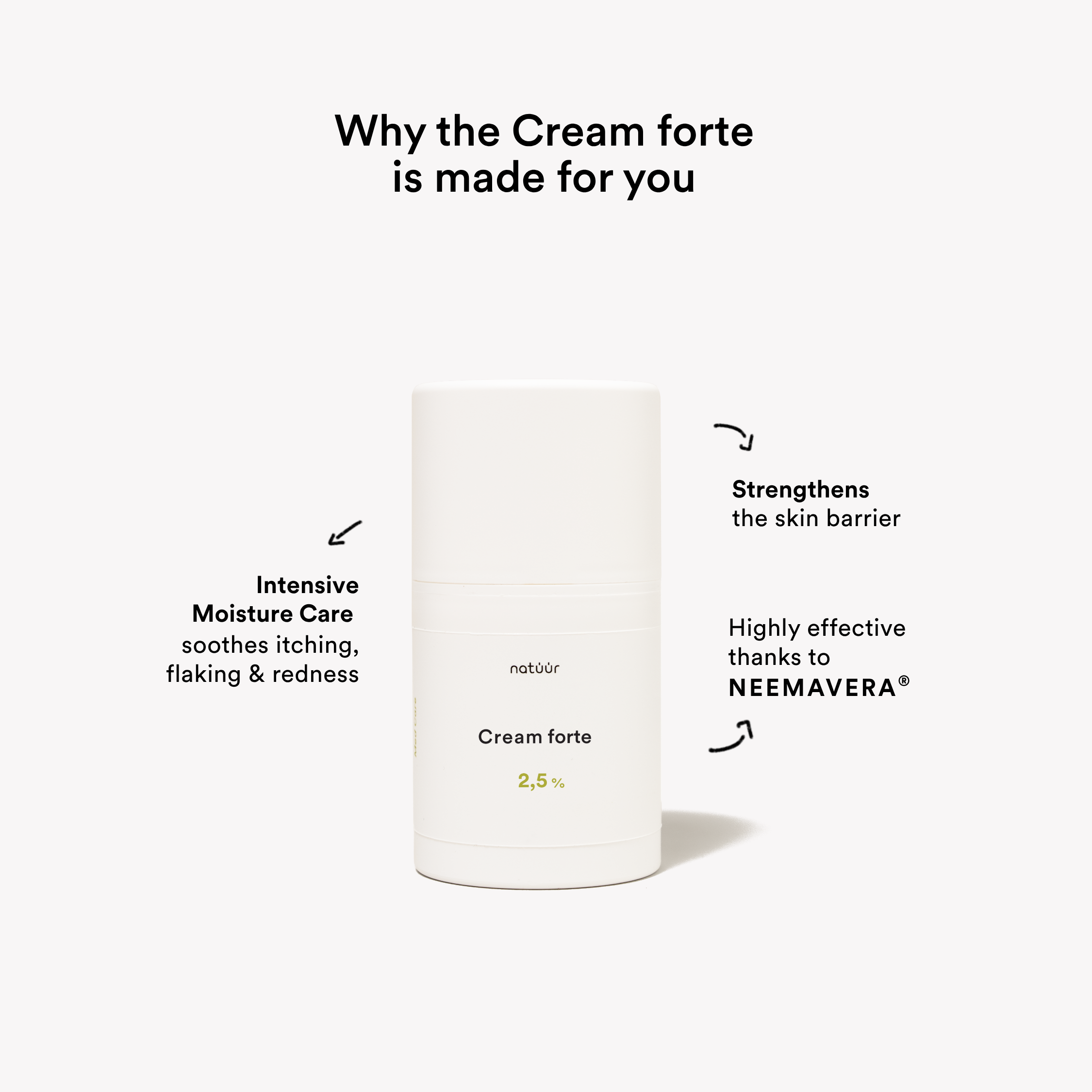
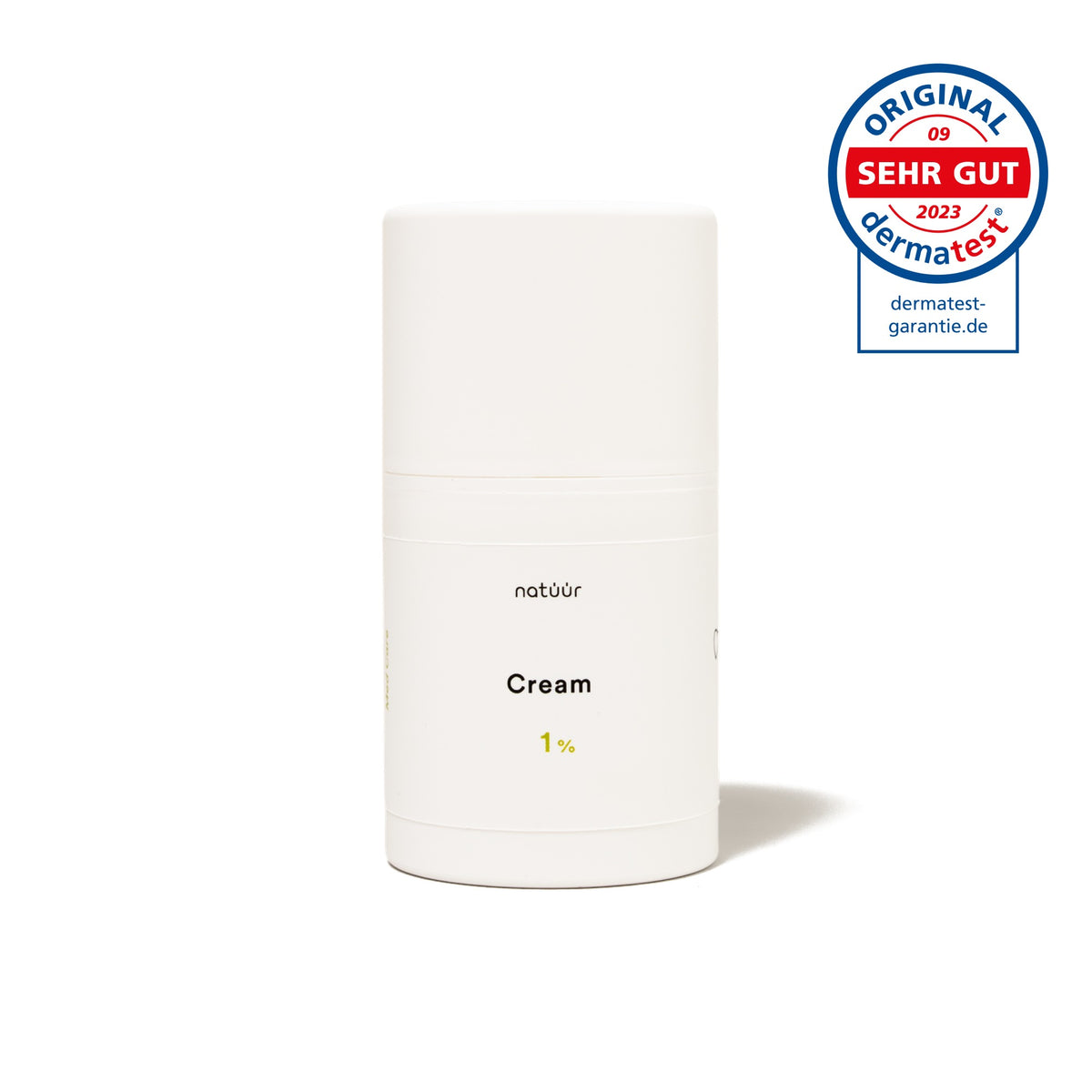
For the cold season, we have developed skincare especially for very dry skin prone to psoriasis or atopic dermatitis. At its heart is our neem extract NEEMAVERA®.
- Cream forte: rich care with olive oil, shea butter and almond oil for very dry, scaly skin, without fragrances
- Skin Balm: intensive balm for particularly dry, rough areas such as hands, elbows or knees
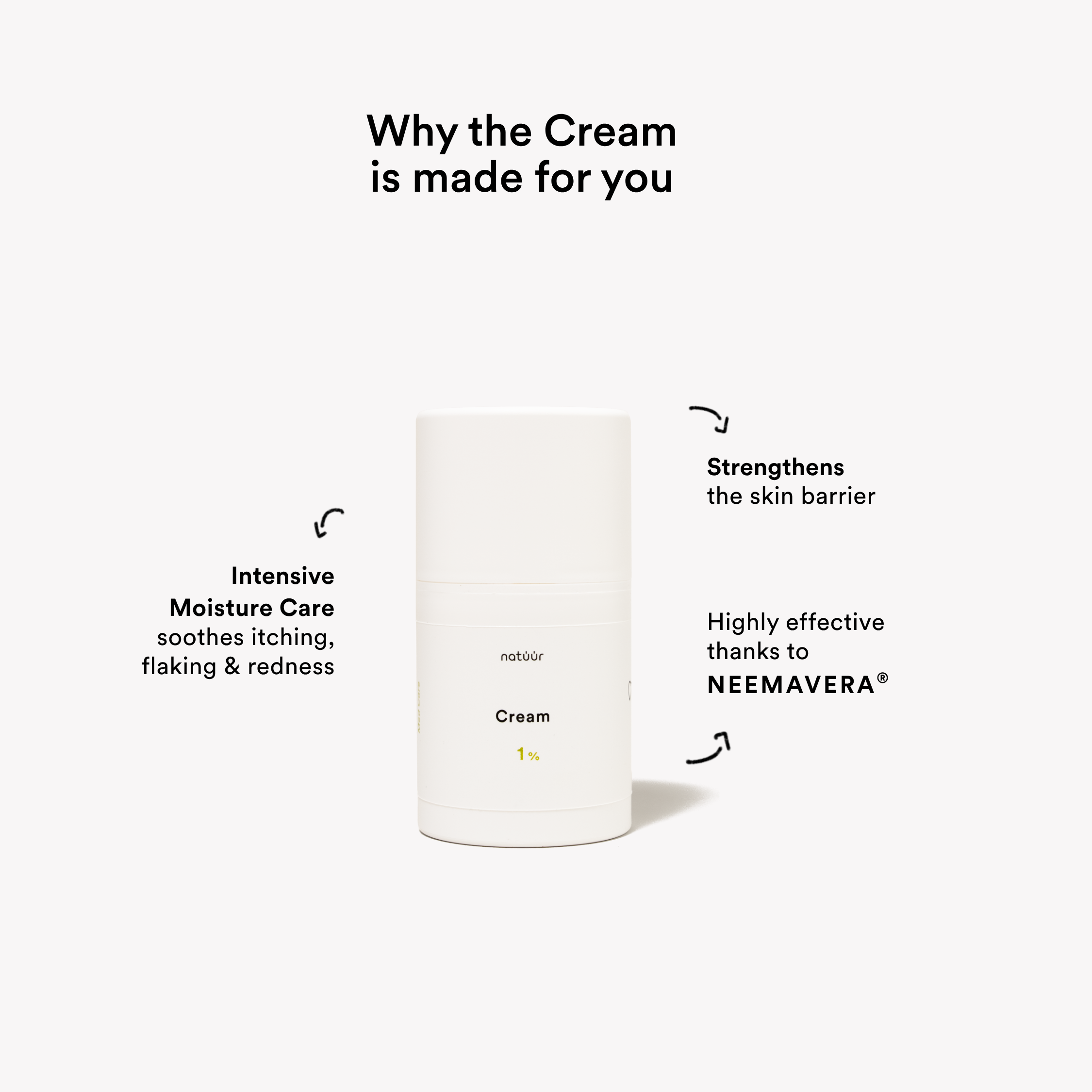
- Cream: lighter basic care for face and body, without fragrances
When you should get help
Self-help has its limits. Talk to your GP or a psychotherapist if the low mood lasts longer than two weeks, you can no longer motivate yourself to do anything, you hardly sleep any more or you feel hopeless. Winter depression is very treatable. If your skin gets significantly worse in winter, an appointment with a dermatologist is also worthwhile.
If you have thoughts of harming yourself, don’t wait: the German crisis helpline Telefonseelsorge can be reached free of charge and anonymously around the clock on 0800 111 0 111 or 0800 111 0 222. In an emergency, dial 112.
With small acts of attention like these for yourself, you will get through the dark season more easily. Our tip: pick one of these ideas and try it out this very week. The days will get brighter again, we promise.
Frequently asked questions
What helps quickly against the winter blues?
The quickest effect usually comes from daylight combined with exercise, i.e. a walk in the morning. Meeting people who are good for you or a short breathing exercise can also lift your mood in the short term.
How can I tell whether it is winter depression?
If the low mood persists almost every day for at least two weeks and significantly restricts your everyday life, winter depression may be behind it. Then a conversation with your GP is the right step.
Should I take vitamin D in winter?
In Germany, from about October to March the skin produces hardly any vitamin D. Whether a supplement makes sense for you is best clarified with your doctor, who can measure your level.
Does a sunbed help against the winter blues?
No. For your mood, what counts is bright light via the eyes, not UV radiation on the skin. A sunbed puts strain on the skin. A daylight lamp without UV is the better choice.
Why does my skin get worse in winter?
Cold, wind and dry heating air draw moisture from the skin and weaken its protective barrier. On top of that there is often stress and less sleep. Showering lukewarm and consistently using a lipid-replenishing moisturiser helps your skin through the winter.