







Psoriasis on the Scalp: Symptoms, Care & What Really Helps
A healthy scalp is important for your wellbeing. But it often faces challenges such as itching, flaking or inflammation, which can be very distressing. People with psoriasis are particularly affected: in many of them, the condition also appears – or even first appears – on the scalp. This is known as scalp psoriasis.
Symptoms of psoriasis on the scalp

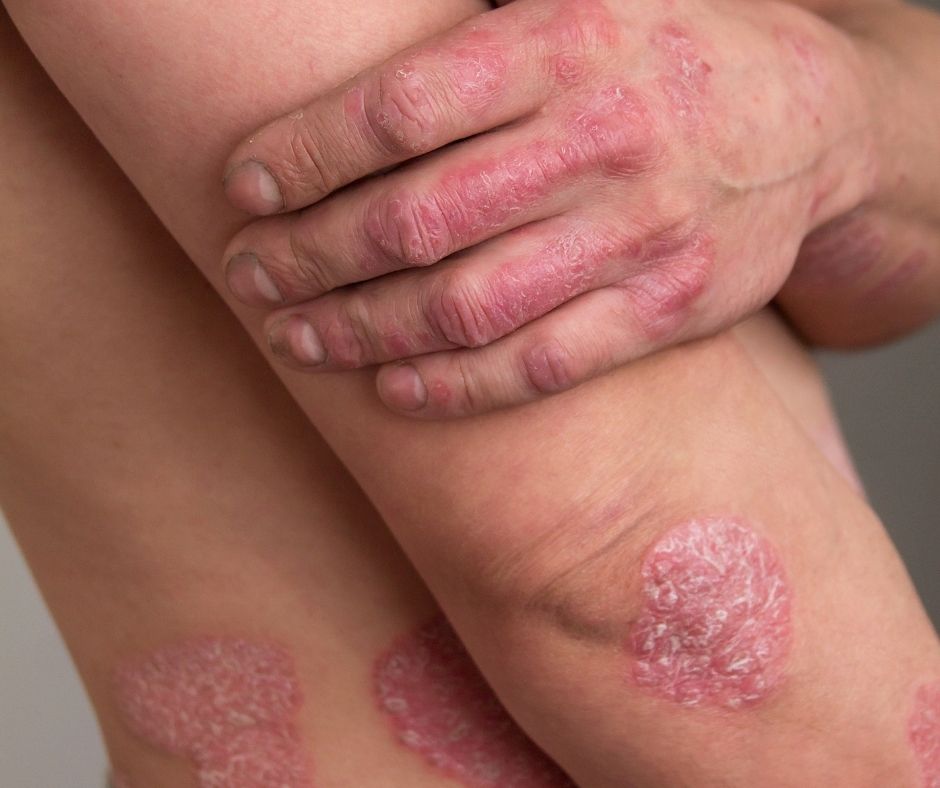
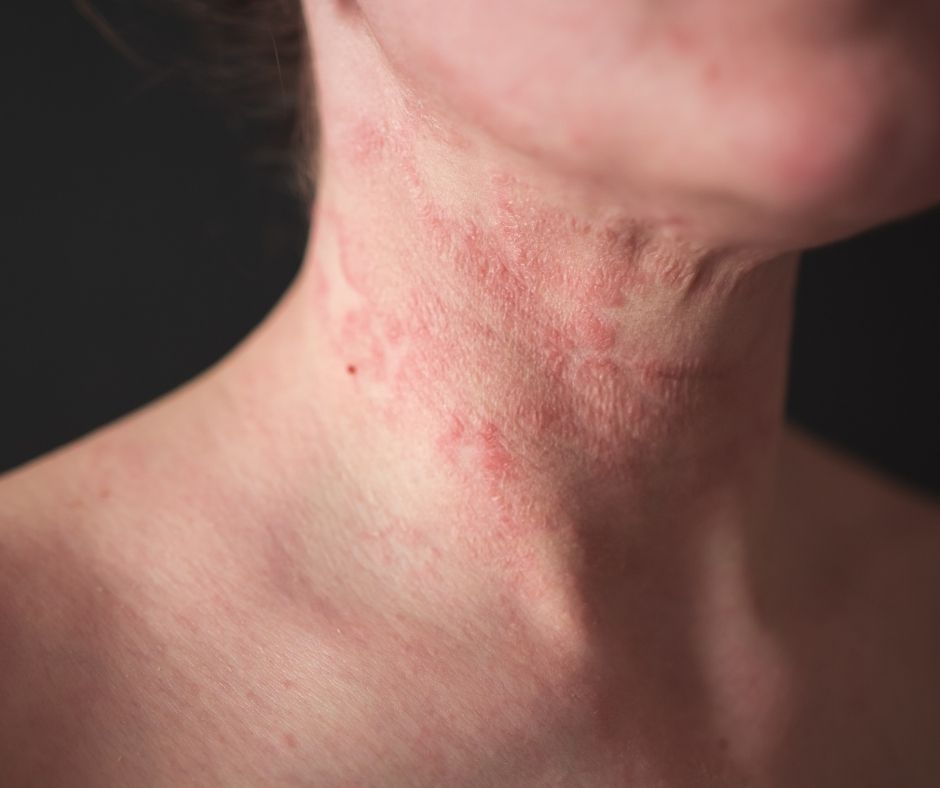
Typical signs are reddish, scaly patches and severe itching. How pronounced the scaling is varies greatly. A feeling of tightness and dryness are often part of it too. Psoriasis can spread across the entire scalp and have a major impact on everyday life – which is why regular and, above all, gentle care is so important. This is how the symptoms show up:
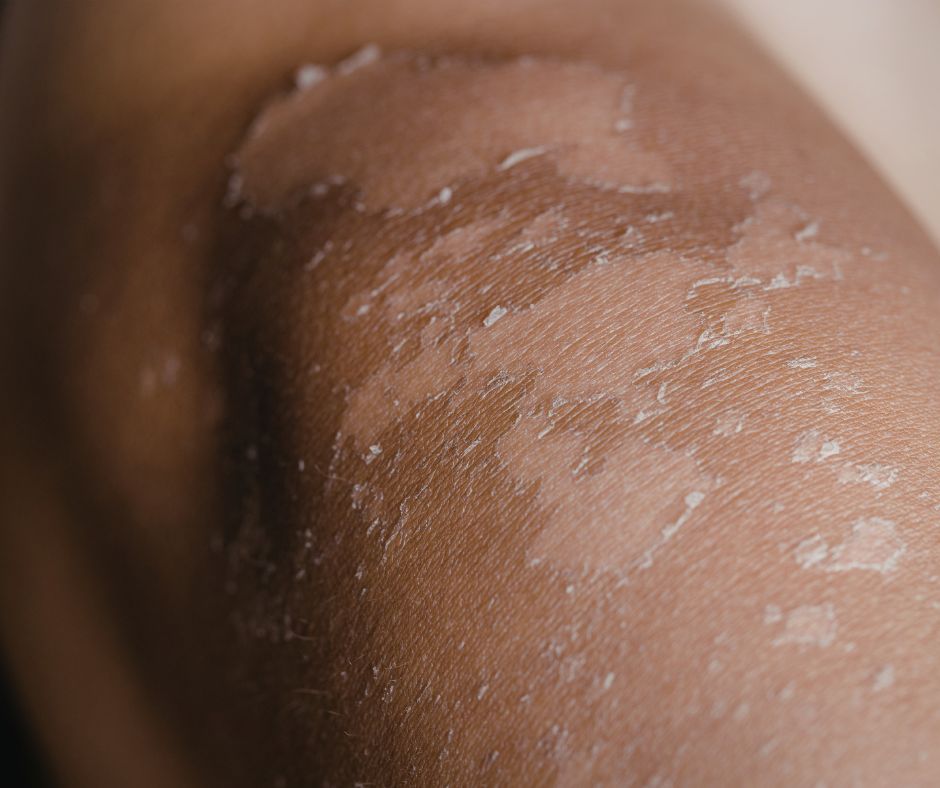
- Reddish, scaly patches: Reddish, sharply defined patches or plaques form that are dry and scaly. Small, whitish to silvery scales are typical. Their extent can vary greatly.
- Severe itching: A very unpleasant symptom is often intense itching in the affected areas.
- Inflammation: In more severe cases, the patches can look clearly reddened and inflamed.
- Dryness: The skin is rough and brittle because its natural lipid barrier is disrupted.
- Feeling of tightness: The skin under the scales sometimes feels tight.
- Spread: The plaques can be distributed across the entire scalp. They often extend beyond the hairline onto the forehead, the nape of the neck or behind the ears.
- Hair loss: In severe cases, more hair can fall out in the affected areas – more on this below.
Psoriasis or “normal” dandruff?
Not every flaky scalp is psoriasis. These differences can help you tell them apart – but a reliable diagnosis can only be made by your dermatologist:
| Feature | Psoriasis | Seborrhoeic eczema | Dry scalp |
|---|---|---|---|
| Appearance | Sharply defined, red plaques | Poorly defined redness | No clear redness |
| Scales | Thick, silvery-white, firmly attached | Yellowish, greasy | Fine, white, dry |
| Spread | Often beyond the hairline | Also eyebrows, folds of the nose | Evenly distributed |
| Itching | Often severe | Moderate | Mild to moderate |
If your scalp is “just” dry, you’ll find helpful tips in Treating a dry scalp.
Hair loss caused by psoriasis
Many people with psoriasis worry about their hair. The good news: psoriasis does not usually destroy the hair roots. The hair loss is mostly caused by the inflammation, by scratching and by hairs being pulled out when the firmly attached scales are removed. It is usually temporary – once the scalp calms down, the hair generally grows back. That makes it all the more important to loosen scales gently instead of scratching them off.
The right scalp care for psoriasis and irritation
For a dry scalp, flaking or during an acute flare-up, a gentle three-step routine helps:
1. Wash mildly
Cleanse your scalp with a mild, skin-neutral pH shampoo without harsh surfactants, and don’t wash with water that is too hot. Gently massage the shampoo in with your fingertips without rubbing, and rinse it out thoroughly.
2. Loosen scales gently
You shouldn’t scratch off stubborn scales or rub them away with a scrub – this irritates the skin and can trigger new patches. A better approach: soften the scales overnight with a nourishing oil and wash them out gently the next morning. For very thick scales, your dermatologist can prescribe special scale-removing products.
3. Soothe every day
Afterwards, a moisturising serum or tonic cares for your scalp. When choosing one, make sure the product contains no irritating fragrances, parabens or silicones – many people with a sensitive scalp also avoid microplastics.
Our Scalp Tonic has been specially developed for daily use on the scalp. The light 2-phase tonic with 1 % NEEMAVERA®, aloe vera, panthenol, tiger grass and passionflower soothes and cares for the scalp without leaving it greasy, and doesn’t need to be rinsed out. Thanks to its tapered applicator, it can be applied precisely to the affected areas. It is free from fragrances, parabens, silicones and colourants – a good everyday companion for scalp psoriasis.
Tips for everyday life
- Don’t scratch: Scratching injures the skin and can trigger new plaques. Cooling or a soothing tonic can help with acute itching.
- Blow-dry gently: preferably lukewarm and from a little distance rather than hot.
- Soft brush: Comb and brush carefully so you don’t irritate your scalp any further.
- Be careful with hair colour: Don’t dye or tint your hair during an acute flare-up, and always do a patch test first.
- Take extra good care in winter: Hats and heated indoor air dry out the scalp. Find out more in Psoriasis in winter.
Scalp Tonic & Scalp Oil: the dream team for your scalp

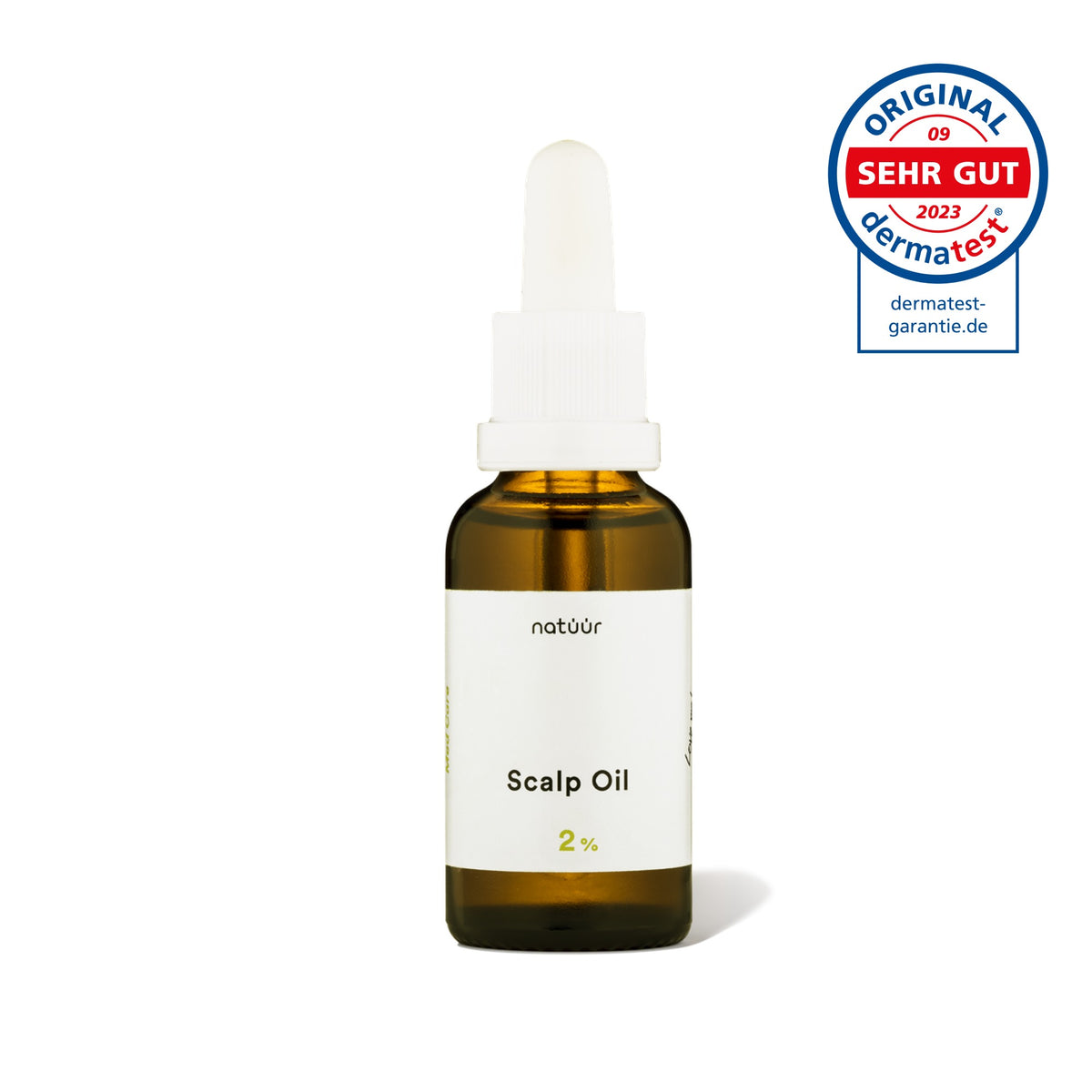
For particularly intensive care, the combination of Scalp Tonic and Scalp Oil is ideal. Scalp Oil is a rich overnight treatment with 2 % NEEMAVERA® and valuable oils such as jojoba, avocado and almond oil. It softens scales and intensively nourishes the scalp overnight. You apply it in the evening once or twice a week, or more often if needed, leave it on overnight and wash it out the next morning. Scalp Oil is also free from fragrances, parabens, silicones and colourants.
This is how the two complement each other: Scalp Tonic soothes the scalp every day, while Scalp Oil provides intensive care overnight. Together they care for a scalp that is prone to itching and flaking, and support its natural barrier. You can get both together in the Scalp Care Duo.
When you should see a dermatologist
Care can noticeably relieve your scalp, but with psoriasis it is no substitute for treatment. Get medical advice if
- you are not sure whether it is psoriasis,
- the patches are spreading, very itchy or weeping,
- you are losing more hair,
- the symptoms are weighing on you in everyday life or emotionally.
There are special treatments for the scalp, such as scale-removing preparations, medicated solutions, foams or shampoos and, in severe cases, therapies that work throughout the whole body. You can read about which natural approaches can help alongside treatment – such as apple cider vinegar for scalp psoriasis – in 7 natural remedies for psoriasis.
Conclusion: tips for a healthy scalp
A healthy scalp is important for feeling good. With psoriasis, however, it faces particular challenges such as itching or inflammation. Regular, gentle care helps to soothe and strengthen the scalp. Here is a summary of our tips:
- Use a mild, skin-neutral pH shampoo and wash your scalp gently and thoroughly.
- Apply a moisturising serum or tonic every day to supply your scalp with valuable ingredients.
- For intensive care, a scalp oil is also a good choice – once or twice a week, ideally overnight. This also loosens scales gently.
- Care for itching and flaking in a targeted way with soothing products such as our Scalp Tonic and Scalp Oil.
- Apply the products precisely to the affected areas.
- Don’t scratch, and don’t remove scales by force.
Regular care supports the natural barrier function of the scalp and therefore its health and wellbeing. Scalp Tonic supplies your scalp with valuable ingredients every day, while Scalp Oil provides intensive care overnight – giving your scalp lasting support.
Frequently asked questions
How can I recognise psoriasis on the scalp?
By sharply defined, red patches with thick, silvery-white scales that are often very itchy and extend beyond the hairline onto the forehead, the nape of the neck or behind the ears. Normal dandruff, by contrast, is fine and without clear redness.
Can psoriasis cause hair loss?
Yes, more hair can fall out in severely affected areas, for example due to inflammation, scratching or when the scales are removed. This is usually temporary and the hair grows back once the scalp calms down.
What helps with psoriasis on the scalp?
Washing mildly, loosening scales overnight with oil instead of scratching them off, and caring for the scalp every day with a soothing tonic. In more severe cases, your dermatologist will prescribe special preparations.
Should you scratch off the scales with scalp psoriasis?
No. Scratching injures the skin, can pull out hairs and trigger new patches. It is better to soften the scales with an oil and wash them out gently.