






Dry Skin vs. Dehydrated Skin: Differences
Dry skin or dehydrated skin? Both conditions are often confused, but they require different care. Here are the key differences and tips for optimal skin care:
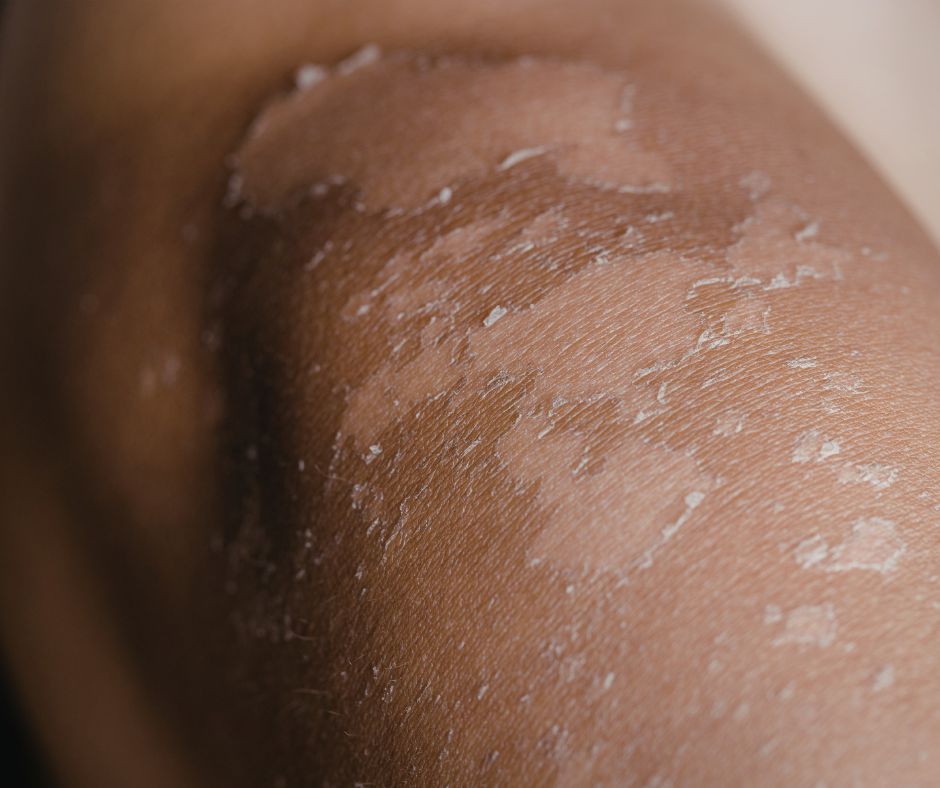
- Dry skin: A skin type with a lack of natural fats (lipids). Symptoms: Roughness, flaking, itching. Permanent and often genetically predisposed. Care: Rich, emollient products.
- Dehydrated skin: A skin condition caused by lack of water. Symptoms: Fine lines, tightness, dull complexion. Temporary and dependent on external influences. Care: Moisturizing products and adequate water intake.
Quick Comparison
| Feature | Dry Skin | Dehydrated Skin |
|---|---|---|
| Underlying problem | Lack of skin oils | Lack of moisture (water) |
| Appearance | Rough, flaky, dull | Fine lines, lusterless |
| Duration | Permanent | Temporary |
| Care focus | Lipid-rich products | Moisturizing care |
Tip: Perform the "pinch test" to identify your skin condition. More on this and proper care in the article.
Dry Skin: Basics
What is dry skin?
Dry skin is a skin type where the skin produces fewer natural oils (lipids). This is usually due to genetic factors and leads to a weakened protective skin barrier. This condition typically remains permanent.
Signs of dry skin
Dry skin often manifests through the following characteristics:
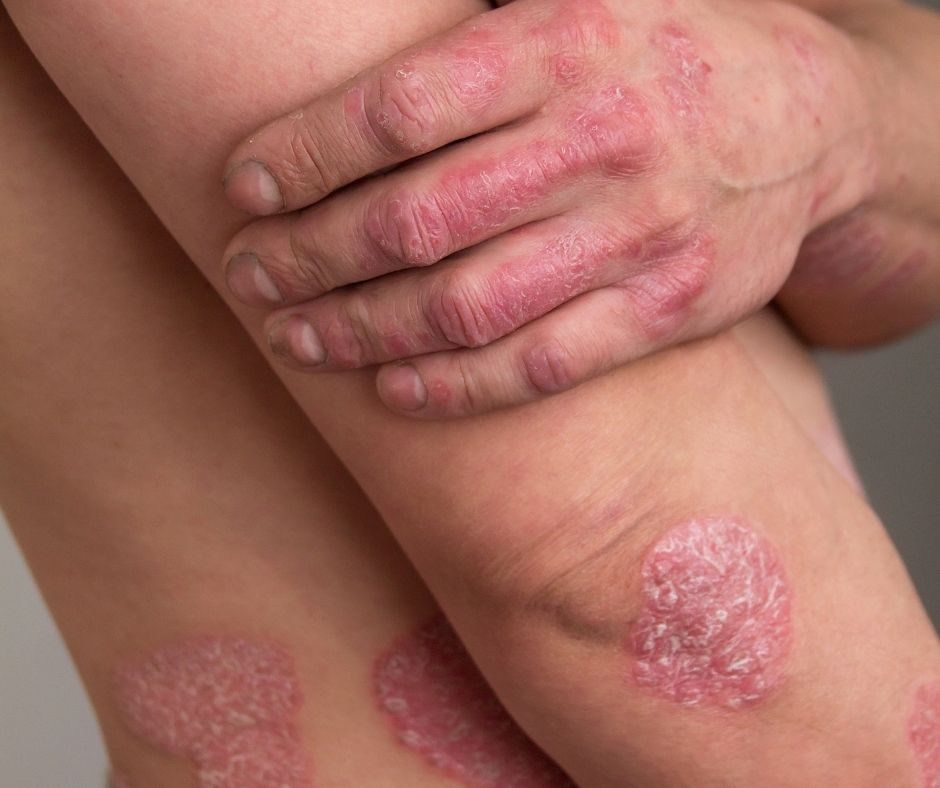
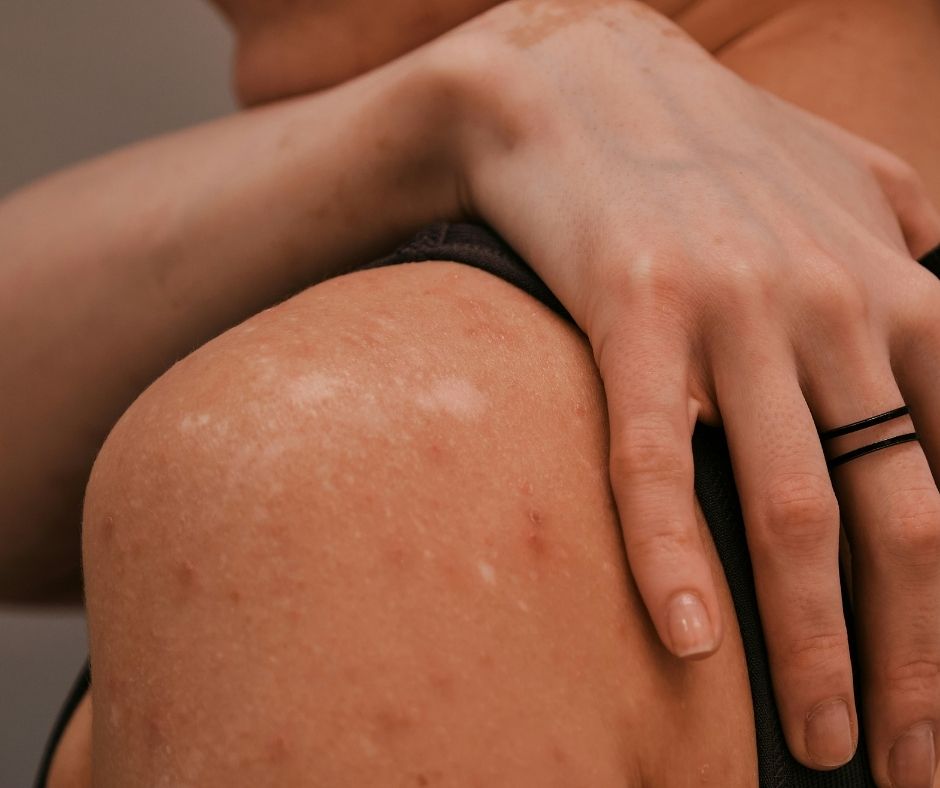
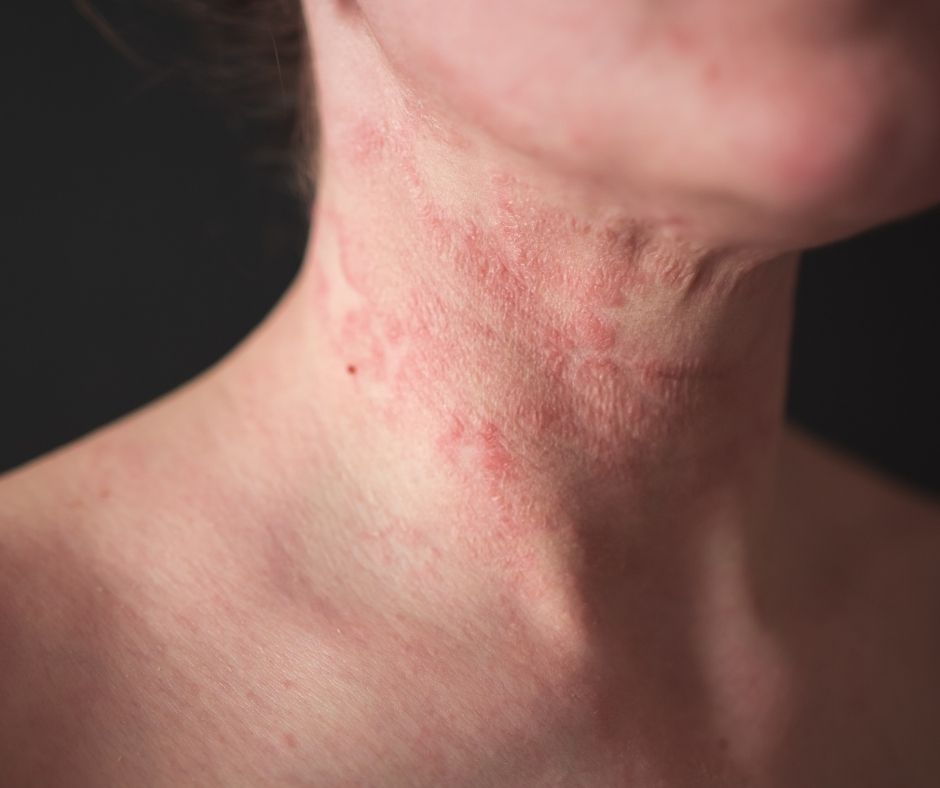
- Flaking, especially on the cheeks and forehead
- A rough and uneven surface
- Itching, sometimes accompanied by slight redness
Why does skin become dry?
Several factors can contribute to dry skin:
- Genetics: Less active sebaceous glands produce fewer lipids, making the skin more vulnerable.
- Environmental conditions: Cold temperatures and low humidity strip the skin of moisture.
- Care products: Cleansing products with aggressive ingredients can damage the skin barrier and increase moisture loss.
The care for dry skin should aim to protect the skin from external influences and provide it with rich, moisturizing ingredients. The next section explains how dry skin differs from dehydrated skin.
Dehydrated Skin: Basics
What is dehydrated skin?
Dehydrated skin is a condition in which the skin primarily lacks water – in contrast to dry skin, which suffers from a lack of natural fats. The special thing about it: any skin type can be affected, and it is usually a temporary problem that affects the upper layers of the skin.
Signs of dehydrated skin
Dehydrated skin often manifests through the following characteristics:
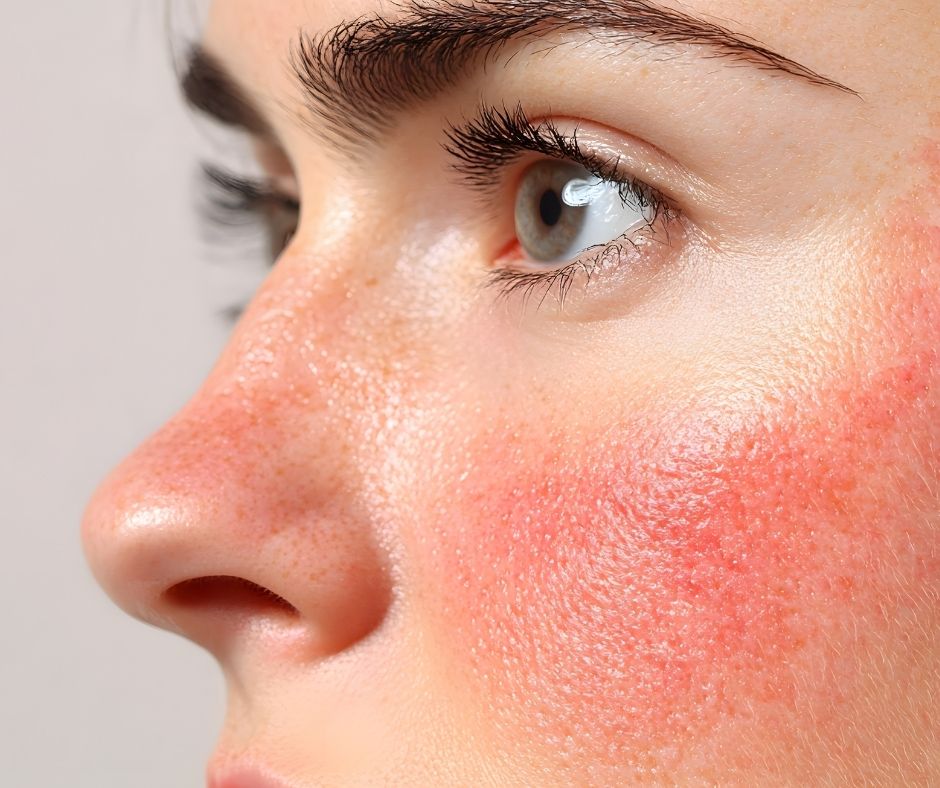
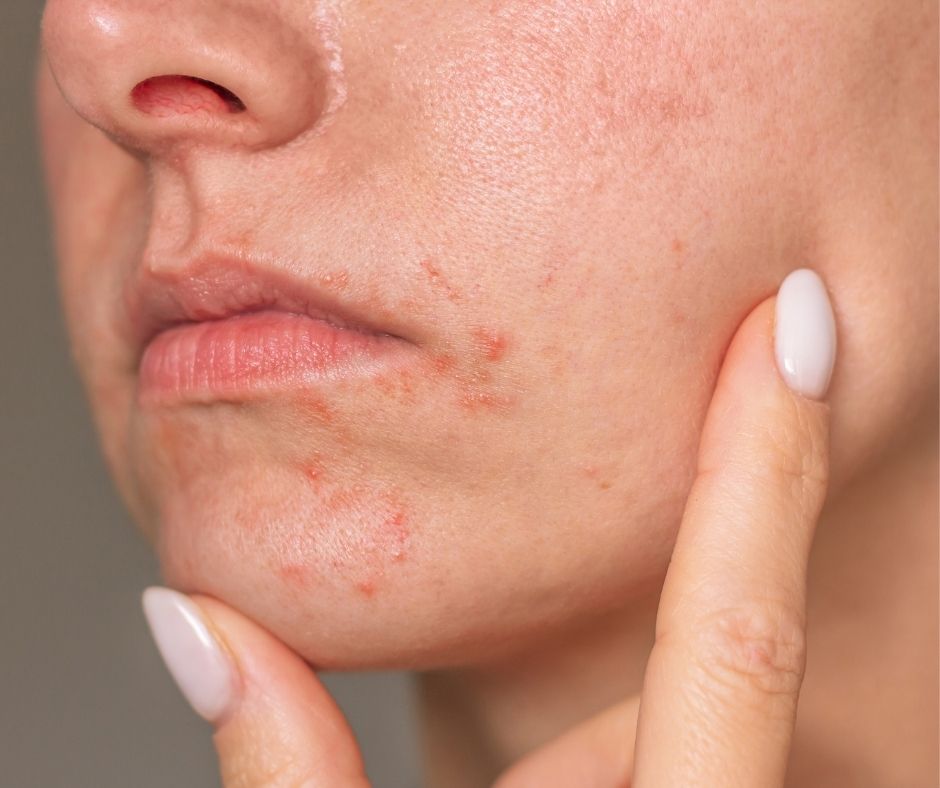
- Fine lines: Small lines appear especially on the forehead and under the eyes.
- Tightness: The skin feels unpleasantly taut and dry.
- Dull complexion: The skin's natural glow is lost.
- Increased sensitivity: The skin reacts more sensitively to environmental influences.
Why does skin become dehydrated?
There are various causes that can lead to moisture loss in the skin:
External influences:
- Dry air from air conditioning or heating
- Long stays in heated rooms
- Strong sun exposure
Lifestyle factors:
- Drinking too little water
- Excessive consumption of coffee or alcohol
- Frequent washing with hot water
- Using aggressive cleansing products
The advantage: In contrast to dry skin, the skin's moisture content can often be normalized within a few weeks with adapted care and sufficient fluid intake.
What is the difference between dry and dehydrated ...
sbb-itb-ba17a98
Key Differences: Dry vs. Dehydrated Skin
Here are the key differences between dry and dehydrated skin, summarized after explaining the characteristics of both skin types.
Symptom Comparison
| Feature | Dry Skin | Dehydrated Skin |
|---|---|---|
| Underlying problem | Lack of skin oils | Lack of moisture (water) |
| Appearance | Rough, flaky, dull | Fine lines, lackluster |
| Skin feel | Constantly dry and rough | Temporarily tight |
| Duration | Permanent skin type | Temporary condition |
These differences help in choosing the right care for your skin.
Cause Comparison
Dry skin results from a genetically determined lack of skin lipids. In contrast, dehydrated skin is the result of water loss caused by external factors such as weather, heating air, or lifestyle habits.
Understanding these causes can help you better assess your skin condition.
How do I recognize my skin type?
A simple test is the so-called pinch test: Gently pinch your cheek. If the skin smooths out immediately, it is well hydrated. If fine lines remain visible, this indicates dehydration.
Additionally, you can observe your skin's behavior over a longer period:
- Dry skin consistently shows symptoms like roughness and flaking.
- Dehydrated skin changes depending on external influences and often improves quickly with proper care.
The reaction to care products can also be informative: while dehydrated skin often responds to moisturizing care within a few weeks, dry skin requires products with a high lipid content in the long term.
Treatment Options
Care routine for dry skin
Dry skin needs care that replaces missing skin lipids. A suitable routine should include these steps:
- Gentle cleansing: Use pH-neutral, soap-free products.
- Rich care: Focus on creams with lipid-rich ingredients.
- Regularity: Apply care products twice a day.
- Water temperature: Avoid hot water, as it can further dry out the skin.
Care routine for dehydrated skin
For dehydrated skin, the focus is on moisture supply. A good routine consists of:
- Moisturizing cleansing: Choose mild products that do not dry out the skin.
- Hydrating serums or gels: These help to bind water in the skin.
- Light moisturizing creams: Ideal for daily use.
- Moisture-binding products: Apply regularly to optimally nourish the skin.
These routines form the basis for healthy skin care and can be supplemented with daily tips.
Daily Care Tips
Regardless of skin type, these general recommendations help:
- Room climate: Keep the temperature at 18–22 °C and humidity at 40–60 %.
- Water intake: Drink at least 2 liters of water daily.
- Sleep: Ensure 7–8 hours of restful sleep.
- Sun protection: Avoid direct sun exposure.
These measures support healthy skin and enhance the effect of your care routine.
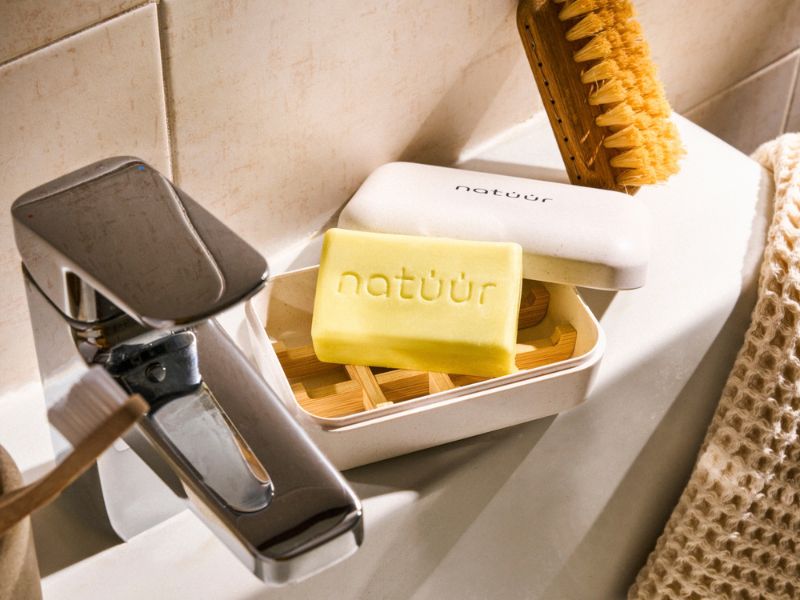
Natural solutions from natüür

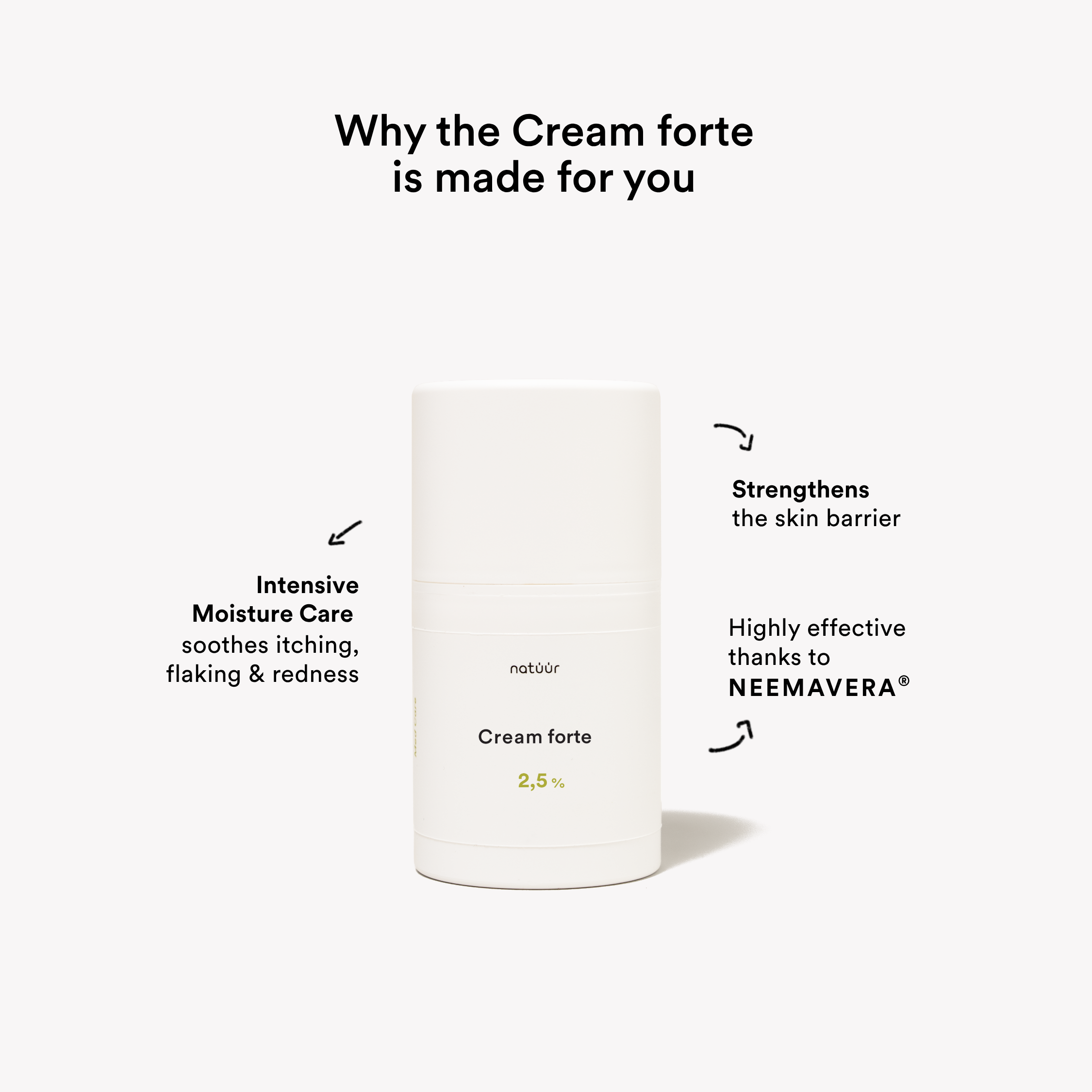
Natüür products offer an effective supplement for dry and dehydrated skin. The patented NEEMAVERA extract, derived from neem leaves, is 50 times concentrated and provides intensive care.
"We are a family business from Munich with one of the largest neem plantations in Paraguay. There, we harvest the raw material for our leaf extract NEEMAVERA, which concentrates the active ingredients of this Ayurvedic medicinal plant 50-fold. This creates natural skin care that works."
The following products are particularly suitable for dry and stressed skin:
| Product | Area of Application | Special Feature |
|---|---|---|
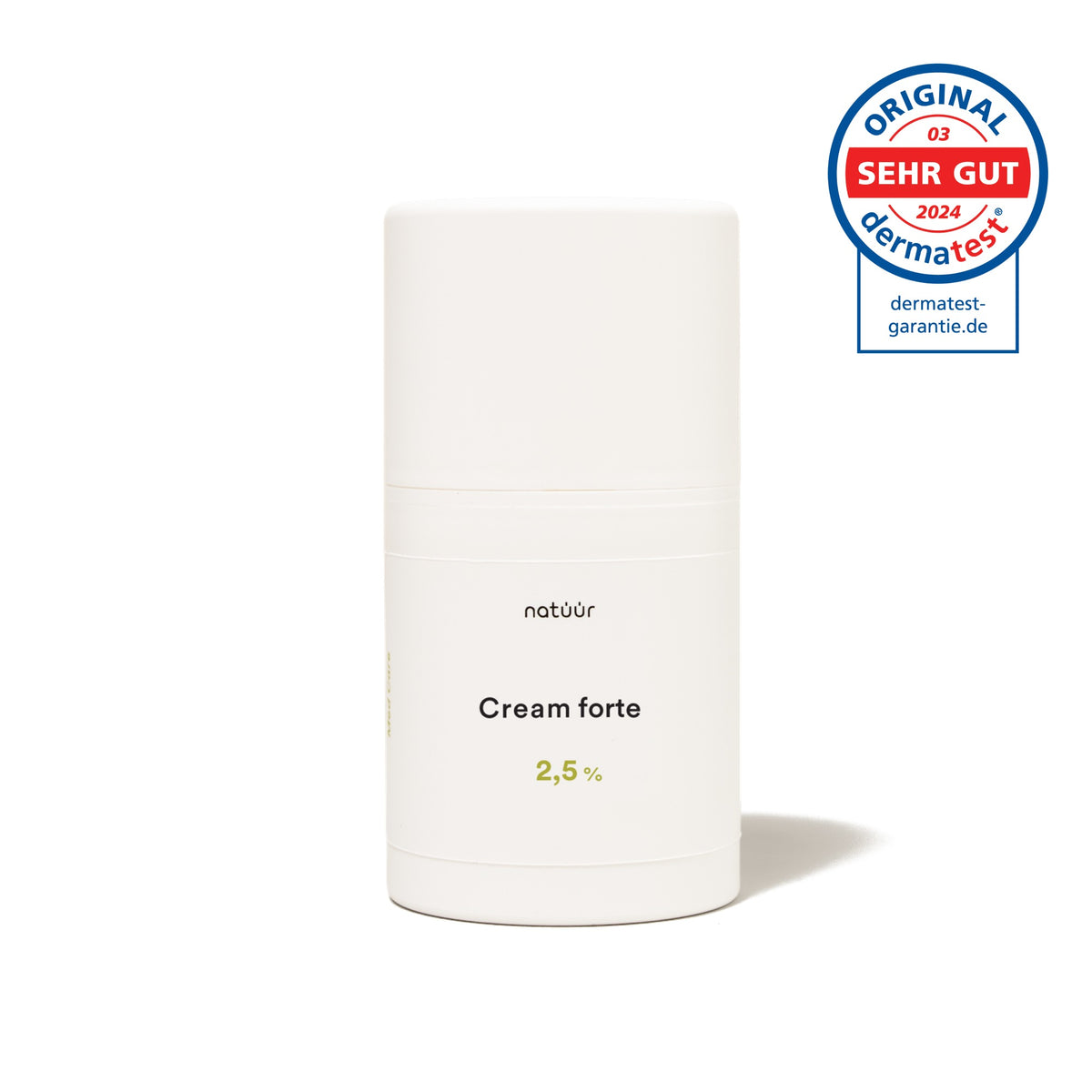
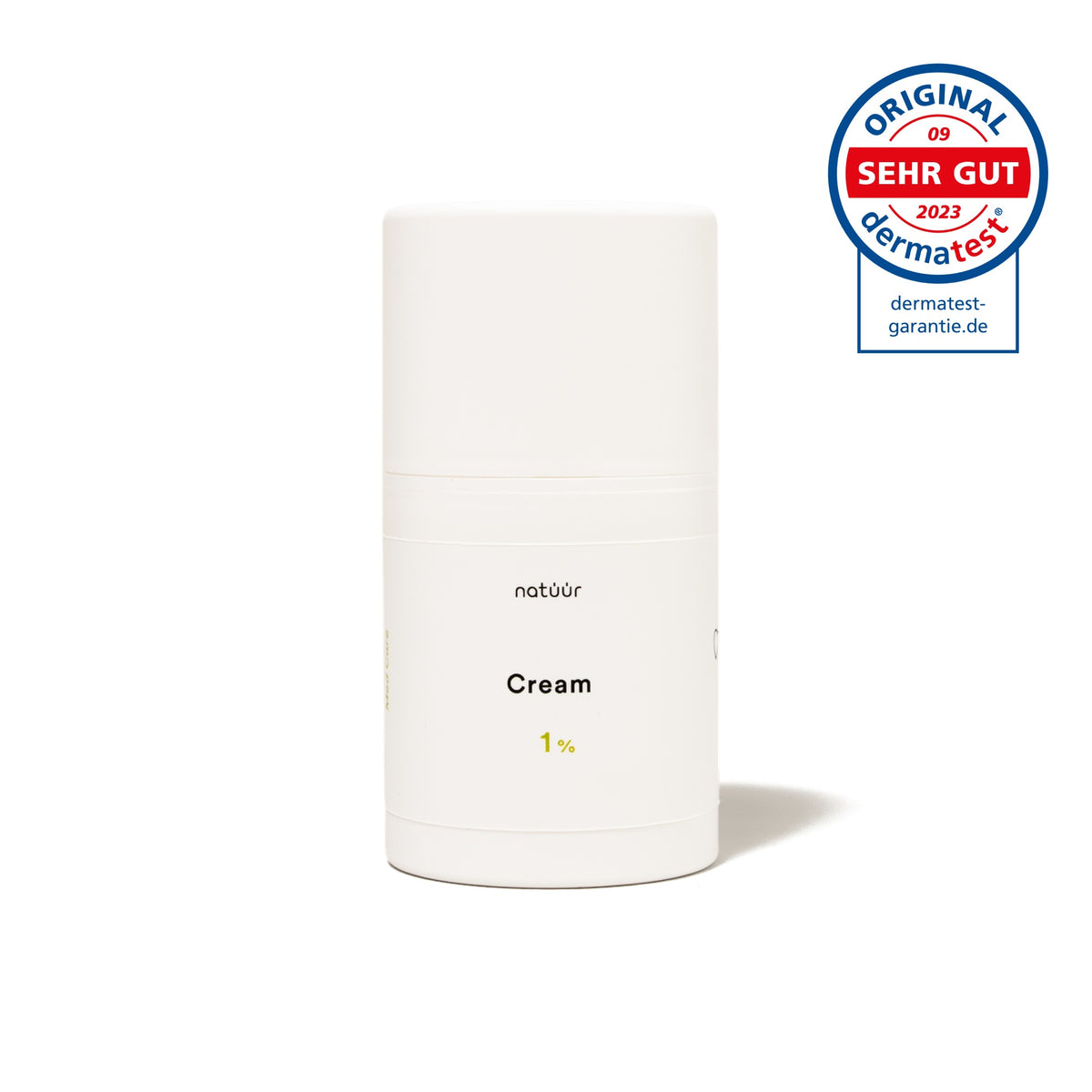
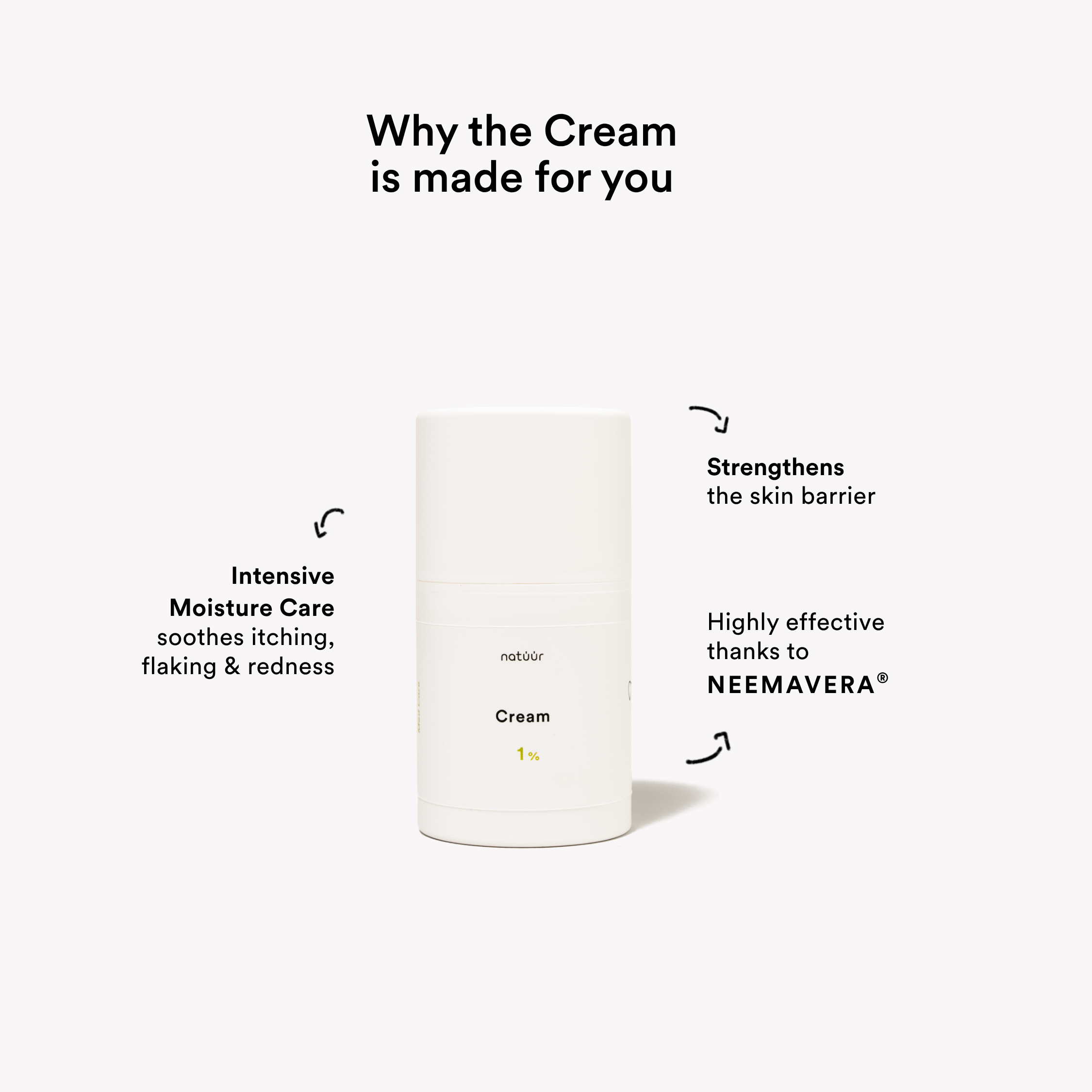
| Cream Med Care | Face and body | Absorbs quickly |
| Skin Balm Med Care | Intensive care | Especially rich |
| Body Lotion | Daily body care | Light texture |
Advantages of natüür products:
- Dermatologically tested
- Free from parabens and silicones
- 100% vegan
- Without artificial colorants
These products strengthen the skin barrier and are ideal for people with chronically dry or irritated skin. They offer noticeable support for daily care.
Conclusion
Key Learnings
It is crucial to distinguish between dry and dehydrated skin to find the right care. While dry skin primarily lacks lipids, dehydrated skin suffers from a moisture deficit.
| Skin Type | Main Feature | Suitable Care |
|---|---|---|
| Dry Skin | Lack of lipids | Rich, emollient products |
| Dehydrated Skin | Lack of moisture | Light, moisturizing textures |
Correct diagnosis is key to selectively choosing care products and adapting the routine individually.
What you can do
To better recognize your skin type, you can consider the following:
- Signs of dry skin: A persistent feeling of tightness, rough patches, and flakiness that occur regardless of the season.
- Signs of dehydrated skin: Fine lines, a dull complexion, and reduced elasticity, often only temporarily.
For tailored skincare, a comprehensive approach can be helpful. The dermatologically tested products from natüür, especially with the NEEMAVERA extract, offer a natural solution for both skin types. The Med Care line was specifically developed for sensitive and problematic skin.
With a clear understanding of your skin type and a tailored care routine, you can positively influence your skin's appearance in the long term.