





Dry Scalp: Causes and What Really Helps
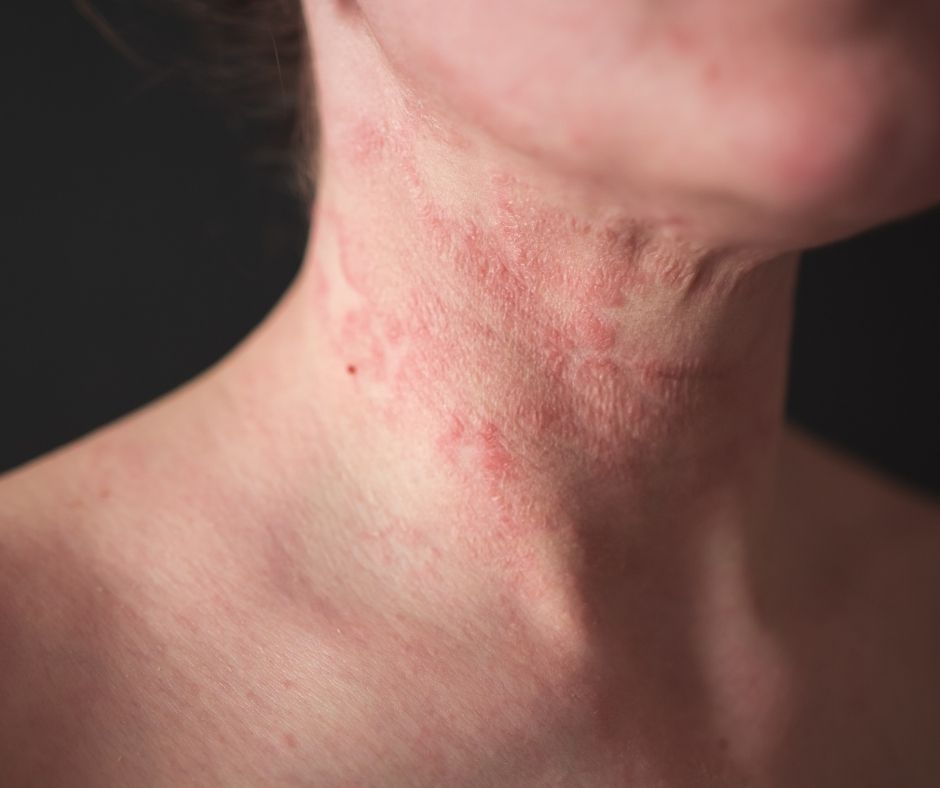
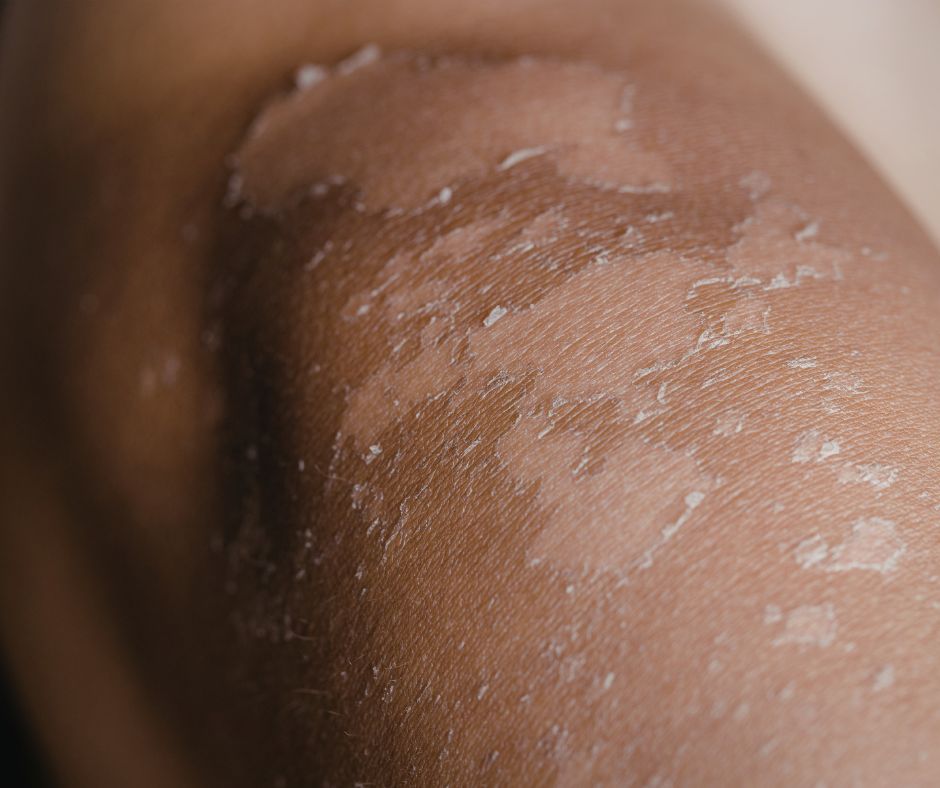
Your scalp feels tight and itchy, and fine white flakes drift onto your dark jumper? A dry scalp is very common, especially in winter. The good news: usually there is no illness behind it, just a stressed skin barrier, and gentle care can often calm it well. Here you will find out how to recognise a dry scalp, what triggers it, what really helps and when you need medical advice.
In brief: what helps with a dry scalp?
A dry scalp develops when it lacks oil and moisture, for example because of heated indoor air, hot water, washing too often or harsh shampoos. What helps most is a gentle routine: wash less often and with lukewarm water, use a mild shampoo, and give your scalp targeted moisture and nourishing oils. If nothing improves, or if redness, crusts or weeping patches appear, you should have it checked by a doctor.
The key points at a glance:
- Dry scalp or dandruff? A dry scalp produces fine, white flakes that drift down; oily dandruff flakes are larger and yellowish.
- Common triggers: heated indoor air, cold, hot washing, blow-drying and shampoos with harsh surfactants.
- What helps: washing less and with lukewarm water, mild cleansing, moisture and overnight oil care.
- Patience: The scalp barrier usually needs a few weeks to recover.
- Get it checked: if there is severe redness, crusts, weeping patches or noticeable hair loss.
Dry scalp or dandruff: how to tell the difference
A dry scalp and dandruff are often confused, but they need different care. This overview helps you tell them apart:
| Feature | Dry scalp | Oily dandruff | Psoriasis |
|---|---|---|---|
| Flakes | fine, white, drifting | larger, yellowish, greasy | silvery-white, firmly attached |
| Scalp | feels tight, itches, looks dull | oily, often reddened | sharply defined, reddened, thickened patches |
| Typical trigger | lack of moisture and oil | excess sebum, often yeast | chronic inflammatory disease |
| What helps | gentle, replenishing care | special anti-dandruff care | medical treatment plus care |
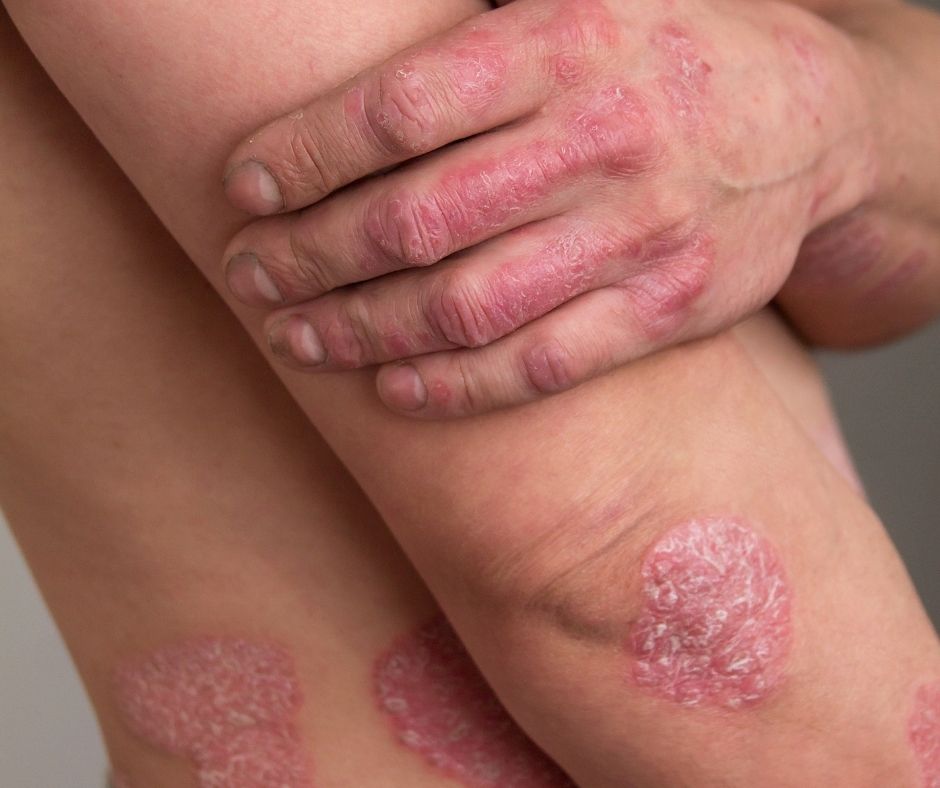
Thickened, sharply defined patches that also appear behind the ears or along the hairline may indicate psoriasis. We explain what helps in the article Psoriasis on the scalp.
Why anti-dandruff shampoos are often not the right fit
Many anti-dandruff shampoos are designed for oily, fungal dandruff and cleanse vigorously. On a dry scalp, they strip away even more oil, and the dryness tends to get worse. It is better to loosen dry flakes gently, for example with overnight oil care, rather than scratching or scrubbing them off.
Causes: why the scalp dries out
Like the rest of your skin, the scalp has a protective barrier made of horny cells and skin lipids. If it gets out of balance, the scalp loses moisture, feels tight and itches.
| Area | Typical triggers |
|---|---|
| Environment | dry heated indoor air, cold, sun, very hard water |
| Washing & styling | washing too often or too hot, hot blow-drying, residue from styling products |
| Products | harsh surfactants, alcohol, fragrances |
| Body | stress, hormonal changes, increasing age, generally dry or sensitive skin |
In winter especially, a lot comes together: outdoors, cold air dries the skin out, indoors the heating does, and hats make the scalp sweat and rub against it. You can read more about skincare in the cold season in the article Skincare in winter.
What helps straight away when your scalp itches and feels tight?
- Don’t scratch: Scratching injures the scalp and makes the itching worse. Instead, press gently on the itchy spot with your fingertips.
- Cool and soothe: A light scalp care product without alcohol or fragrance, or a cool, damp flannel, can relieve the itching.
- Massage gently: A short scalp massage with your fingertips boosts circulation and distributes your skin’s own lipids.
- Soft brush: Use a brush with soft, rounded bristles and don’t brush too hard.
The right shampoo for a dry scalp
A shampoo only stays on the scalp briefly, yet it makes a big difference. Look out for these points:
- Mild surfactants: Sugar-based surfactants such as Coco-Glucoside or amino acid surfactants cleanse more gently than sulphates such as Sodium Lauryl Sulfate (SLS).
- Moisturisers: Glycerin, panthenol (provitamin B5) or aloe vera help the scalp retain moisture.
- Fewer irritants: For a sensitive scalp, ideally without alcohol and with as little fragrance as possible or none at all.
- Less lather is fine: Mild shampoos often lather less. That says nothing about how well they clean.
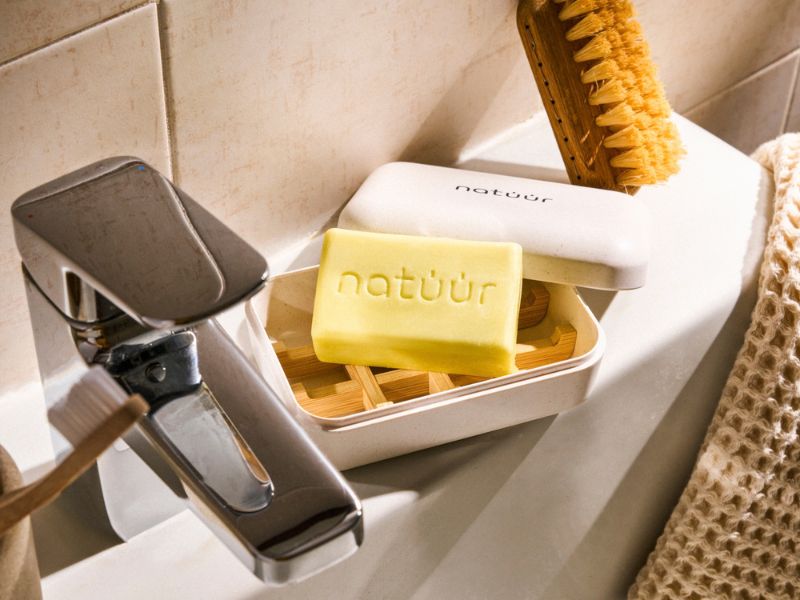
That is exactly how our Shampoo is made: it cleanses mildly with sugar-based surfactants, completely without SLS, and contains glycerin, panthenol, vitamin E and 0.5 % NEEMAVERA®. It is dermatologically tested, suitable for daily hair washing, even with a sensitive scalp, and has a subtle scent.
You can read about which ingredients sensitive skin is generally better off avoiding in the article 10 ingredients sensitive skin should avoid.
Your care routine for a dry scalp
How often should you wash your hair?
As often as necessary, as rarely as possible. For many people with a dry scalp, two to three times a week is a good rhythm. Wash with lukewarm rather than hot water, massage the shampoo in gently and rinse thoroughly so that no residue remains.
Moisture during the day
A light leave-in scalp tonic provides the scalp with moisture between washes without weighing your hair down. Apply it directly to the scalp, not to the lengths.
Drying and styling gently
Pat your hair dry with a soft towel instead of rubbing. If possible, let it air-dry or blow-dry at a medium temperature and from a little distance. Use styling products such as hairspray or dry shampoo sparingly, as their residue can dry out the scalp even more.
Oil for a dry scalp: which oils help
Plant oils give a dry scalp exactly what it is missing: lipids that strengthen the barrier and slow down moisture loss.
| Oil | Special feature | Good for |
|---|---|---|
| Jojoba oil | liquid wax, similar to sebum | light care, barely weighs hair down |
| Almond oil | mild and well tolerated | sensitive, itchy scalp |
| Argan oil | rich in vitamin E | very dry scalp and hair ends |
| Coconut oil | solid at room temperature, forms a dense film | intensive care; use sparingly on an oily scalp |
You can read more about the properties of the individual oils in our guide to plant oils for the skin.
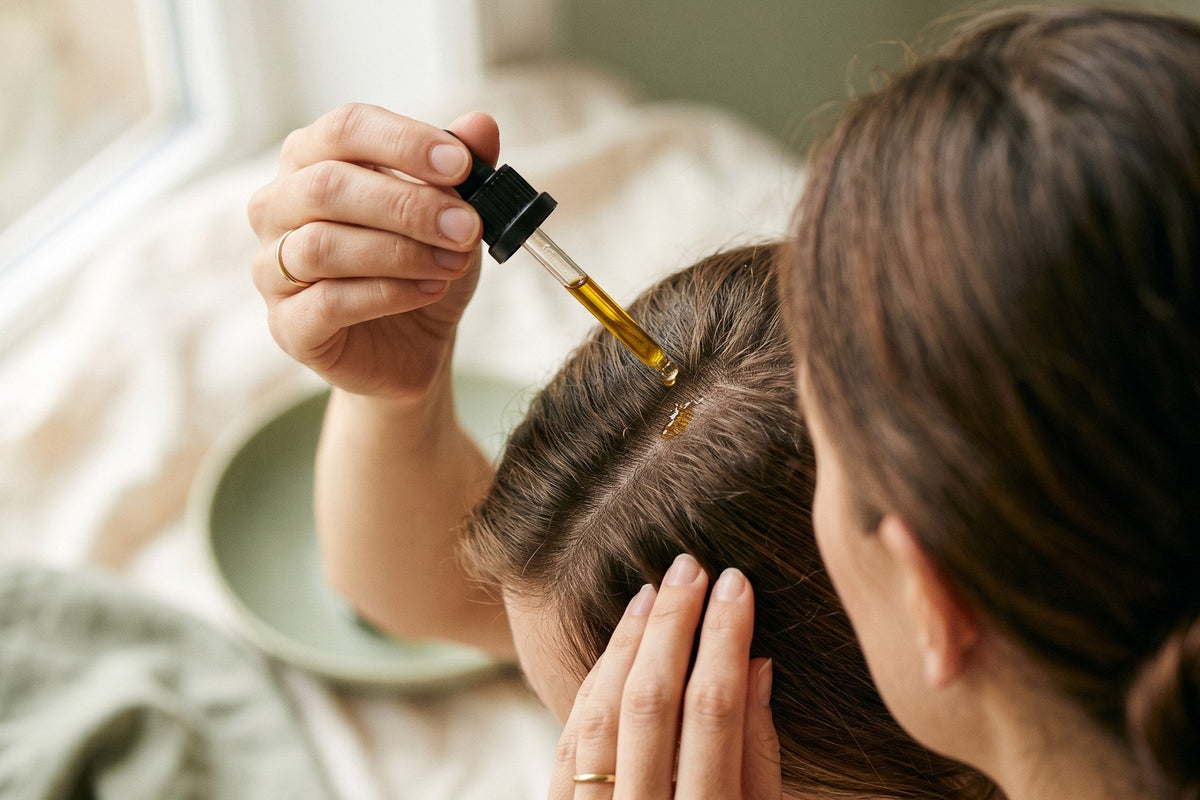
Scalp oiling: how it works
- Part your dry hair into sections.
- Put a few drops of oil directly on the scalp and massage in gently with your fingertips.
- Leave it on overnight; an old towel on your pillow protects the pillowcase.
- In the morning, wash it out with a mild shampoo. Apply the shampoo to the dry, oiled scalp first and massage it in, then add water; this makes the oil easier to remove.
Once or twice a week is usually enough. By the way, you should not put pure neem oil on your scalp undiluted; it is very concentrated and has an intense smell.
Home remedies: what can help gently and what to avoid
- Aloe vera: Pure aloe vera gel cools and moisturises. Leave it on briefly and rinse out.
- Oat water: Oat flakes boiled in water and strained make a mild, soothing rinse.
- Apple cider vinegar: Heavily diluted as a rinse, it can remove limescale residue. On an irritated or broken scalp, however, it stings and should then be left out.
Better avoided: Lemon juice and baking powder throw the scalp’s pH out of balance and irritate it. Pure tea tree oil can trigger allergic reactions and should never be applied undiluted.
Easier with ready-made care
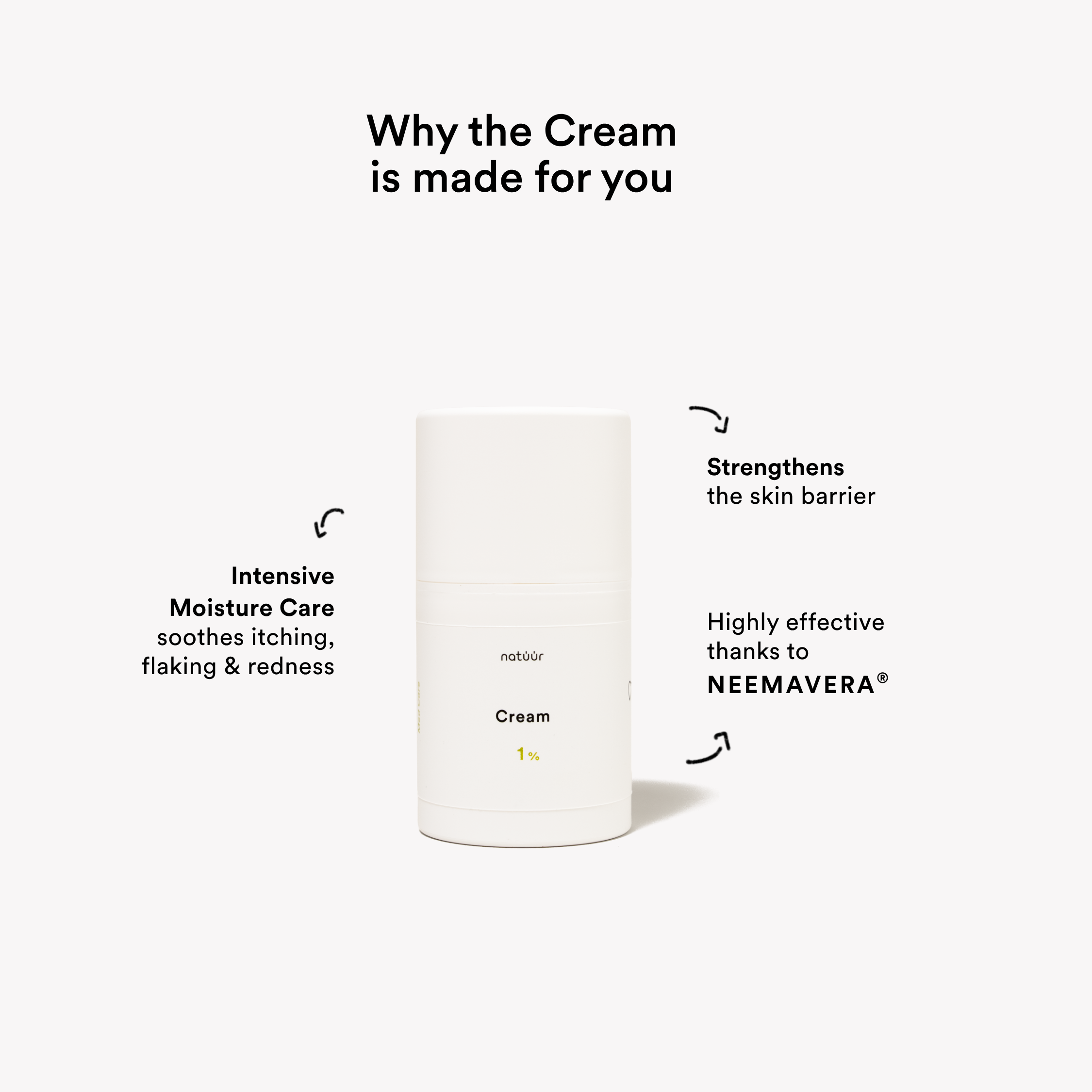
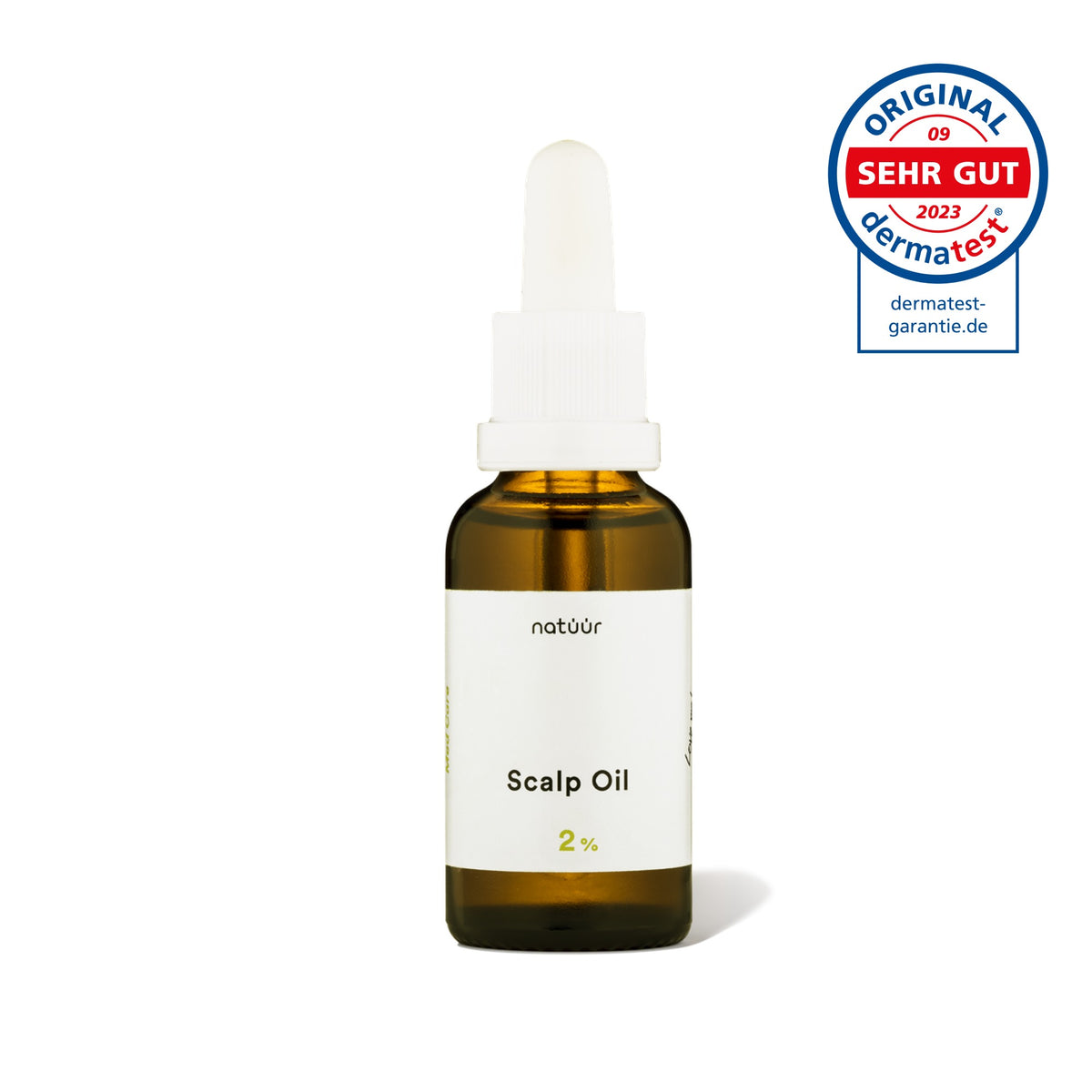
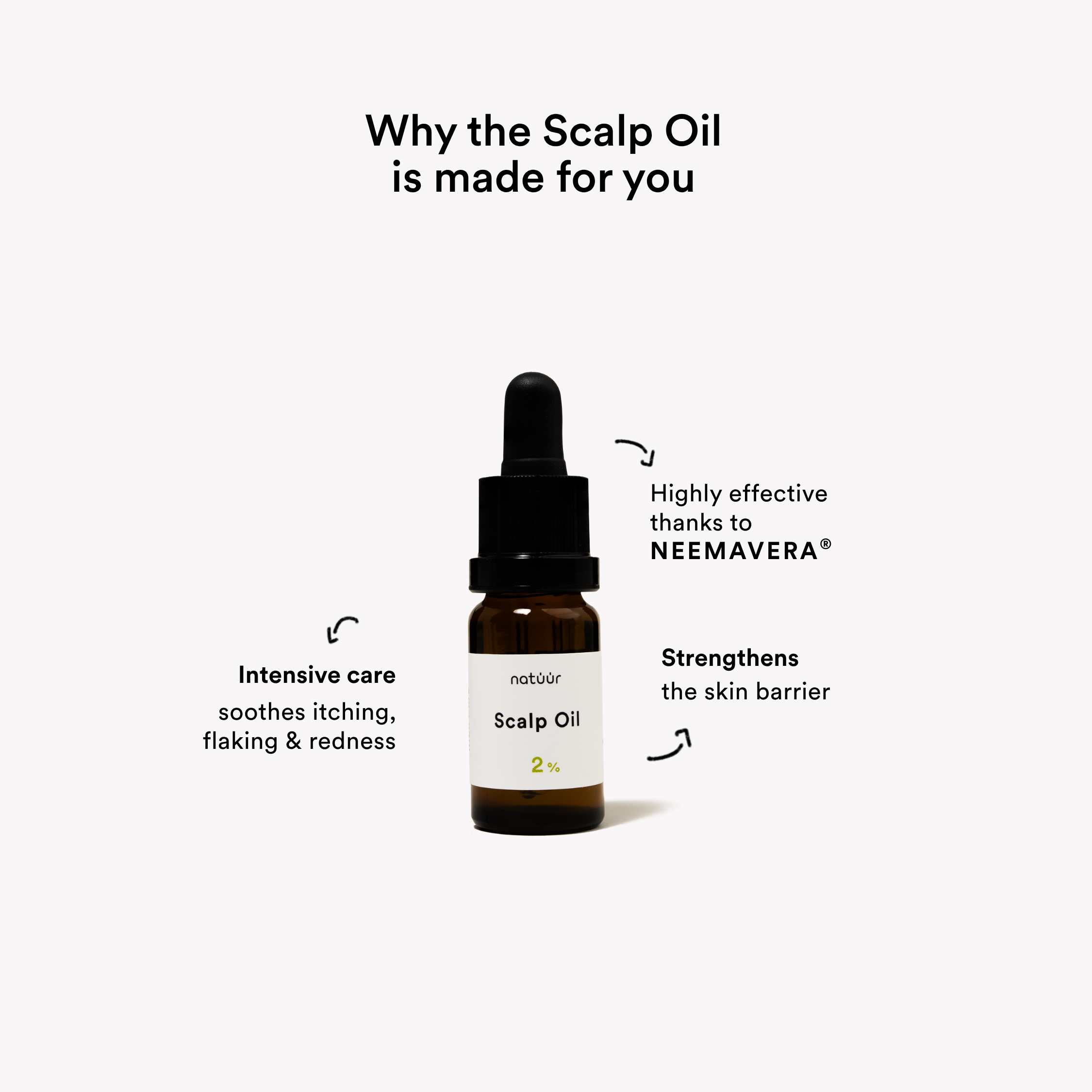
If you don’t want to mix things yourself: our Scalp Oil with 2 % NEEMAVERA®, jojoba, almond and avocado oil is an overnight treatment for a very dry, itchy scalp. For the daytime, there is the light Scalp Tonic with 1 % NEEMAVERA® and aloe vera, which is non-greasy and does not need to be rinsed out. Both are free from fragrances, parabens and silicones and are available together in the Scalp Care Duo. For mild hair washing, our Shampoo with 0.5 % NEEMAVERA®, panthenol and vitamin E is a good match. You can read how the Scalp Oil went down with people affected in the product test with Farbenhaut.
When you should have a dry scalp checked by a doctor
A dry scalp is usually harmless. But have it looked at by a dermatologist if:
- the scalp is very red, weeps or forms crusts,
- sharply defined, thickened patches with silvery scales appear,
- the scalp hurts or becomes inflamed,
- you are losing noticeably more hair or bald patches develop,
- the symptoms do not improve after a few weeks despite gentle care.
Signs like these can be caused by, for example, psoriasis, atopic dermatitis, seborrhoeic eczema or a fungal infection. Whether a fungus is involved can only be reliably determined by a doctor, for example with a swab.
How to keep your scalp healthy in the long term
A stressed scalp barrier does not recover overnight. Give your new routine about four weeks:
| Period | What you do |
|---|---|
| Week 1 | Switch to a mild shampoo, wash with lukewarm water and less often. |
| Week 2 | Add overnight oil care once or twice. |
| Week 3 | Use a light tonic during the day if needed, cut back on styling. |
| Week 4 | Take stock: what feels good? Stick with what helps. |
Everyday life plays a part too: air your rooms regularly and make sure the indoor air is not too dry in winter, drink enough and take breaks when you are stressed.
Frequently asked questions
What helps straight away with an itchy, dry scalp?
Don’t scratch; press gently with your fingertips instead. A scalp care product without alcohol or fragrance, or a cool, damp flannel, can relieve the itching in the short term.
What is the best way to remove dry scalp flakes?
The gentlest way is overnight oil care that softens the flakes, followed by a mild hair wash. Scratching them off or rubbing hard irritates the scalp even more.
How often should I wash my hair if I have a dry scalp?
As rarely as possible; for many people, two to three times a week is a good rhythm. Lukewarm water and a mild shampoo are important.
Is dry shampoo harmful for a dry scalp?
Used occasionally, not necessarily. Used often, though, its residue can dry out and irritate the scalp further. Wash it out thoroughly.
Why is the scalp especially dry in winter?
Cold outdoor air and dry heated indoor air draw moisture from the skin. On top of that come hot showers and hats that rub and encourage sweating.
Can a dry scalp lead to hair loss?
A dry scalp on its own does not usually lead to permanent hair loss. Heavy scratching can damage hair, though. If you are losing noticeably more hair, have the cause checked by a doctor.
Can I put neem oil directly on my scalp?
Pure neem oil is very concentrated and should not be applied undiluted. Our Scalp Oil does not contain neem oil, but an extract from neem leaves, embedded in nourishing oils.