





Dermatologically Tested: What's Behind the Dermatest Seal
“Dermatologically tested” appears on countless creams, shampoos and shower gels. Some products also carry a seal such as “Dermatest very good”. But what is actually behind it? Who tested, how, and with what result? Especially if your skin is sensitive or prone to atopic dermatitis or psoriasis, it pays to take a closer look. In this guide, you will find out what “dermatologically tested” means, how a skin tolerance test works, what the Dermatest seal tells you and where its limits lie.
In brief: What does “dermatologically tested” mean?
A product with this label has been tested on test subjects for skin tolerance under the supervision of dermatologists, usually with an epicutaneous test (patch test). That is a good sign, but no guarantee that every skin will tolerate the product. Seals from independent institutes such as Dermatest, which show the result and the test date, are more meaningful.
The key points at a glance:
- Tested does not automatically mean well tolerated: The label says that testing took place, but not always how and with what result.
- The standard is the epicutaneous test: The product is applied to the skin under a patch and the reaction is then assessed by a specialist.
- Seals with a result are more meaningful: The Dermatest seal shows the result and the year of testing.
- With sensitive skin, the ingredient list also counts: No test replaces a look at fragrances and other known triggers.
What does “dermatologically tested” really mean?
“Dermatological” comes from dermatology, the study of the skin. A dermatologist is a medical specialist in skin and venereal diseases, in everyday language a skin doctor. “Dermatologically tested” means that a product has been tested on people for skin tolerance under a dermatologist’s supervision.
What the claim means legally
There is no specific legal standard for “dermatologically tested”. Under EU law, however, claims on cosmetics must be truthful and substantiated. The manufacturer must therefore be able to prove the test. How many people were tested, with which method and with what result is usually not stated on the packaging, though.
Why “tested” does not automatically mean “well tolerated”
A test initially only says that testing took place. Whether the product performed well, how sensitive the test subjects’ skin was and how long the test lasted remains open with the label alone. That is why seals that show the result and the test date are much more meaningful for you.
How it is tested: the epicutaneous test
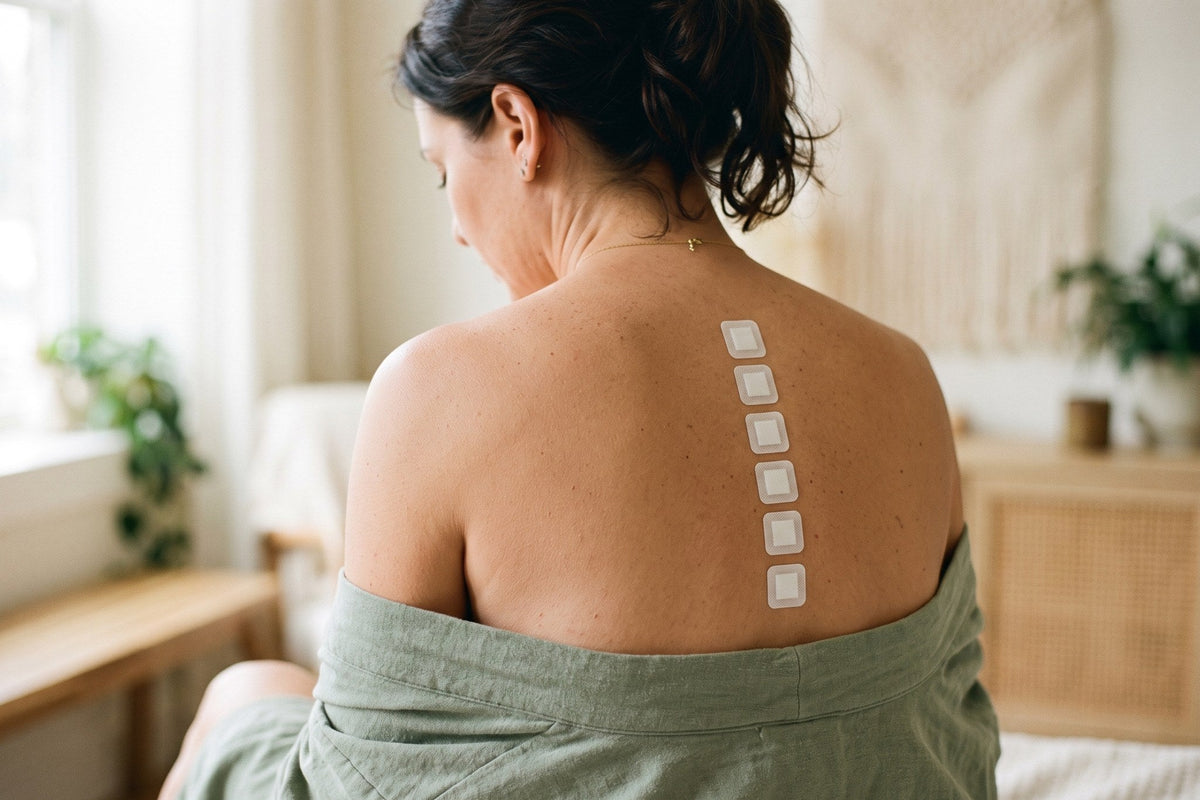
The most common method for testing skin tolerance is the epicutaneous test, also called a patch test. This is how it works at Dermatest:
- Application: A suitable amount of the product is applied to the skin, usually on the back, and covered with a test patch. The contact is more intense than in everyday life in order to obtain a meaningful result.
- Reading: After the patch is removed, the area of skin is examined for redness and other irritation at set times, typically after 24, 48 and 72 hours.
- Assessment: If too many test subjects show irritation, the product fails the test.
| Key point | Epicutaneous test at Dermatest |
|---|---|
| Test subjects | at least 30 |
| Who | women and men, all over 18 |
| Skin types | selectable, for example sensitive or atopic skin |
| Supervision | under dermatological supervision |
| What is tested | irritation potential of the product |
Where the patch test reaches its limits
An epicutaneous test mainly checks whether a product irritates the skin. Whether someone will develop an allergy to an ingredient over weeks can only be predicted to a limited extent. For this there are longer in-use studies, in which test subjects use a product completely normally over several weeks.
The Dermatest seal: What is behind it?
Who is Dermatest?
Dermatest is an independent dermatological testing institute from Münster, Germany, that has been testing products for skin tolerance since 1978. According to the institute, its team includes dermatologists, allergists and biologists, among others. It tests cosmetics, cleaning products, hygiene articles and other products that come into contact with the skin.
Is Dermatest trustworthy?
This question comes up often because manufacturers commission and pay for the tests themselves. That is common practice with testing institutes, including for many other quality seals. These points help you put it into perspective:
- The epicutaneous tests follow internationally recognised guidelines and are carried out under dermatological supervision.
- The seal shows the result and the year of testing, so you can see how recent the test is.
- On the Dermatest website, you can search a database for tested products.
- The seal is only valid as long as the formula does not change.
The seal levels at a glance
Dermatest awards different seals depending on the scope of testing:
| Seal | What is behind it |
|---|---|
| Dermatest guarantee seal | after a passed epicutaneous test; the product may be advertised as “dermatologically tested” |
| 3-star seal | more elaborate tests, such as use in the intended area of application or longer measurements, for example of skin moisture |
| 5-star seal | in-use study over several weeks with at least 20 test subjects under scientific supervision; the product may be advertised as “clinically tested” |
What the rating “very good” means
Alongside the test year, the original Dermatest seal shows a rating such as “very good” (“sehr gut”). It sums up how the product performed in the respective test. Important: the rating refers to the tested product and its formula at the time of testing, not to the whole brand.
Other terms on cosmetics
| Claim | What it means |
|---|---|
| Dermatologically tested | tested for skin tolerance under a dermatologist’s supervision |
| Clinically tested | tested in an in-use study over a longer period |
| Allergologically tested | additionally tested for allergy risk |
| Ophthalmologist approved | tested for use around the eyes, for example with eye creams |
| Hypoallergenic | the allergy risk is meant to be low, but it is not a guarantee |
Does “dermatologically tested” also mean cruelty-free?
Dermatological tests are carried out on volunteer human test subjects. Regardless of this, animal testing for cosmetics has been completely banned in the EU since 2013, including for ingredients. A dedicated cruelty-free or vegan seal gives you additional certainty.
Dermatologically tested for sensitive skin, atopic dermatitis and psoriasis
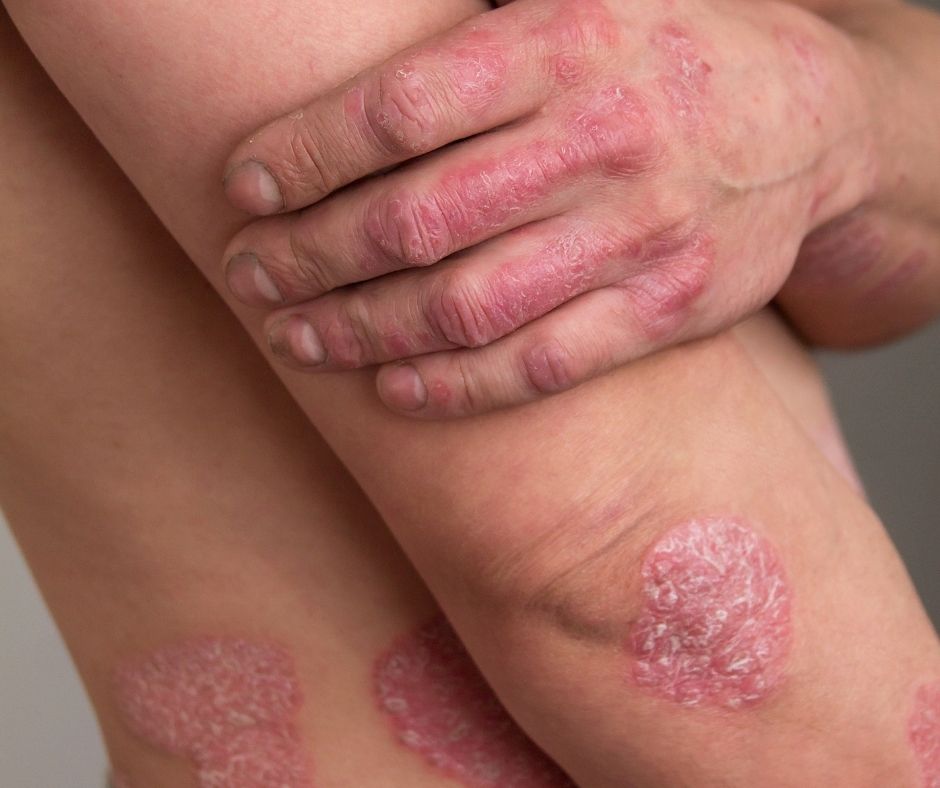
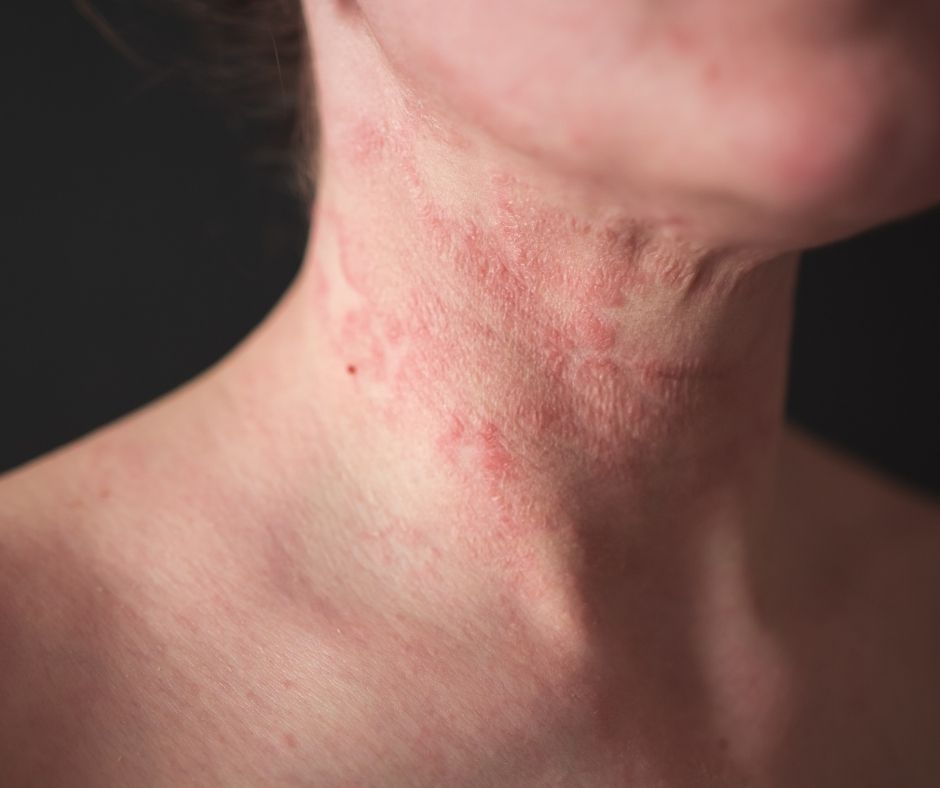
Many tests are carried out on test subjects with healthy or normally sensitive skin. However, an impaired skin barrier, as with atopic dermatitis or psoriasis, often reacts more quickly. So check whether a product has been tested on sensitive skin or on people with your skin condition. At Dermatest, for example, manufacturers can have test subjects with sensitive or atopic skin specifically selected.
If you react to cosmetics again and again, an epicutaneous test at a dermatologist’s practice can clarify which substance your skin is allergic to. You can read more about how to test new products at home in our article on the patch test.
Seal plus ingredient list: how to check properly
A seal is a good first indication. With sensitive skin, you should also read the ingredient list (INCI). It is on the packaging and, in online shops, usually on the product page.
- Fragrances: “Parfum” as well as individually listed fragrances such as limonene or linalool are among the most common triggers of contact allergies. What has changed in labelling since 2026 is explained in our article on the EU fragrance regulation.
- Known personal triggers: If you have an allergy card, compare the names on it with the list.
- Prefer short lists: The fewer ingredients, the fewer possible triggers.
You can read which ingredients sensitive skin is better off avoiding in the article 10 ingredients sensitive skin should avoid.
natüür in the Dermatest
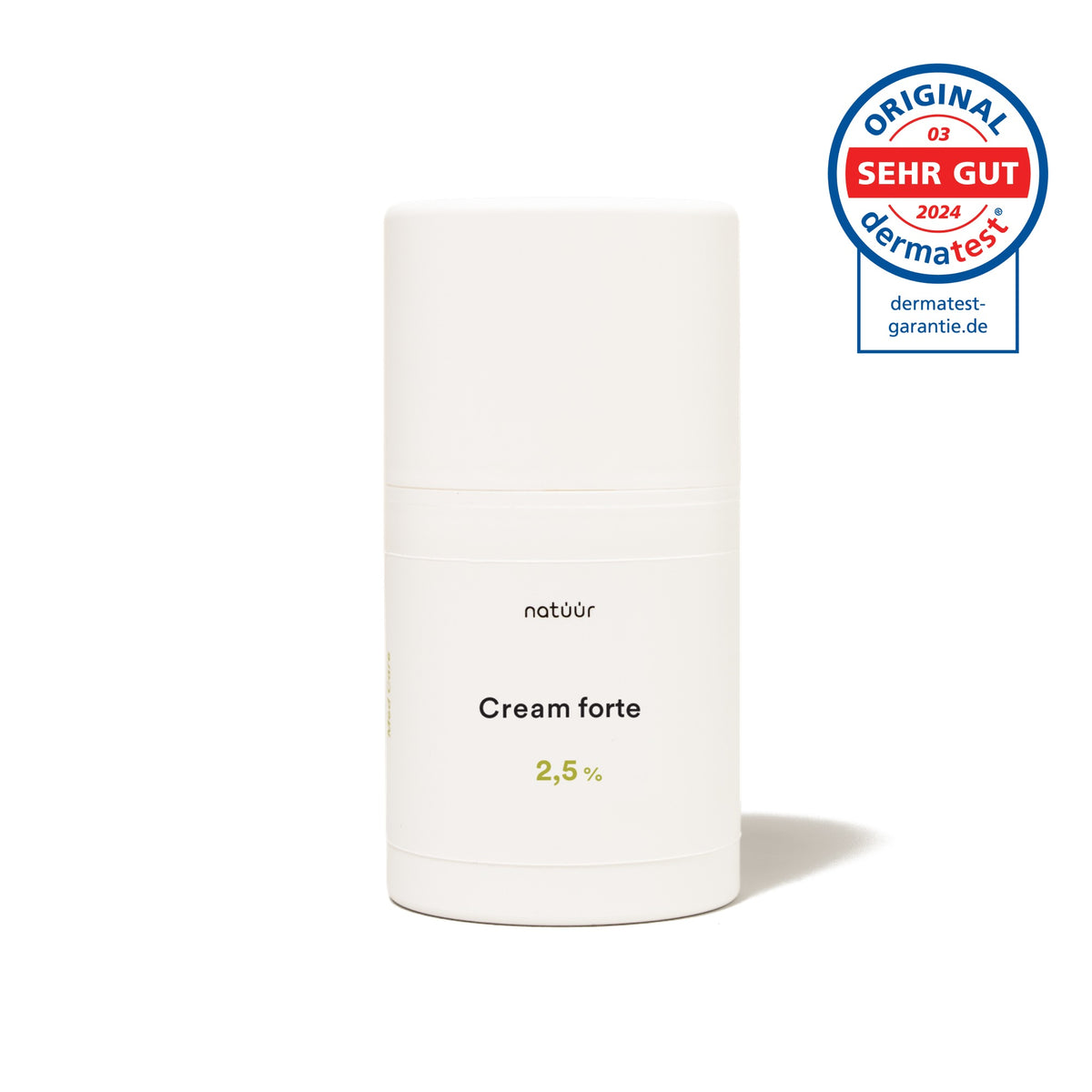
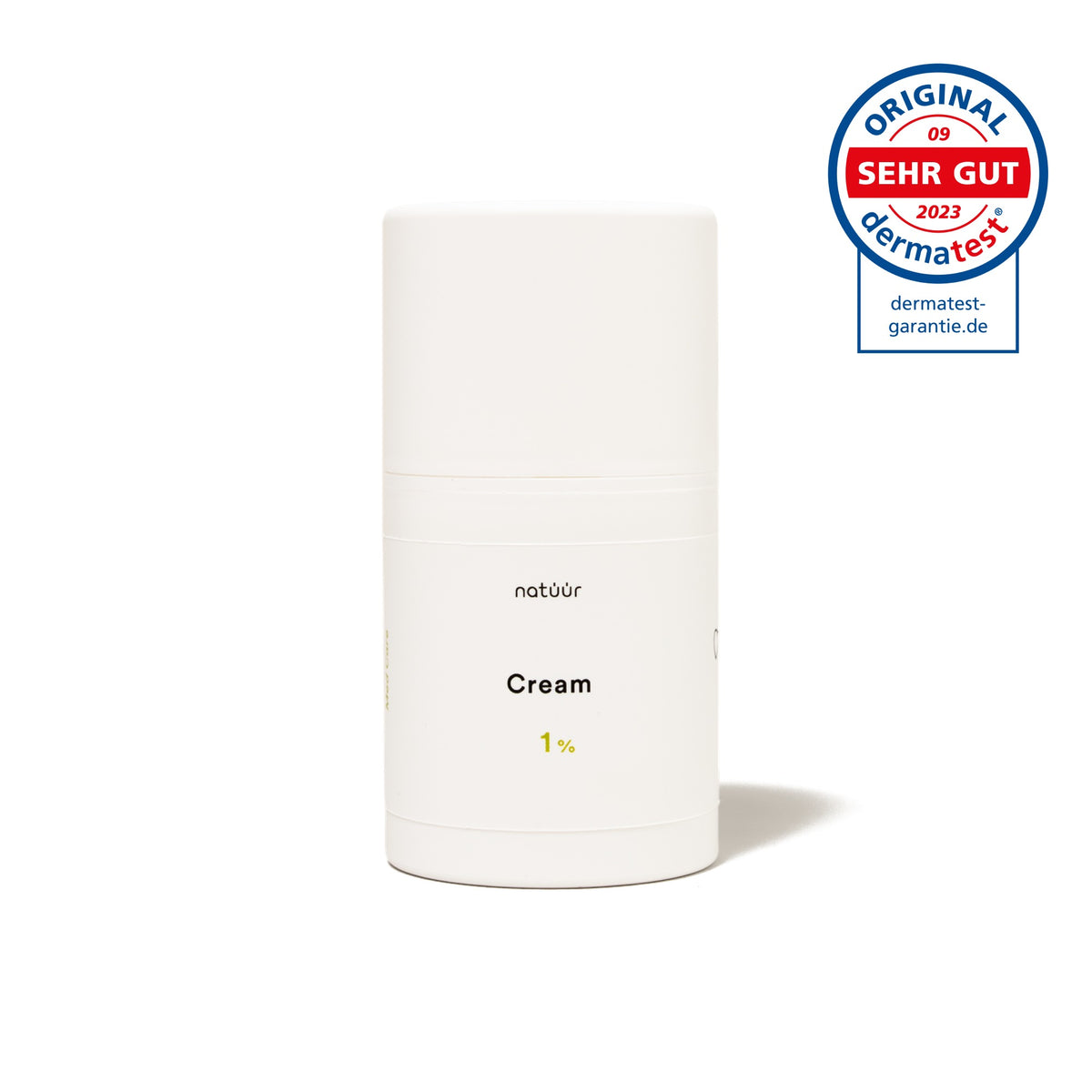
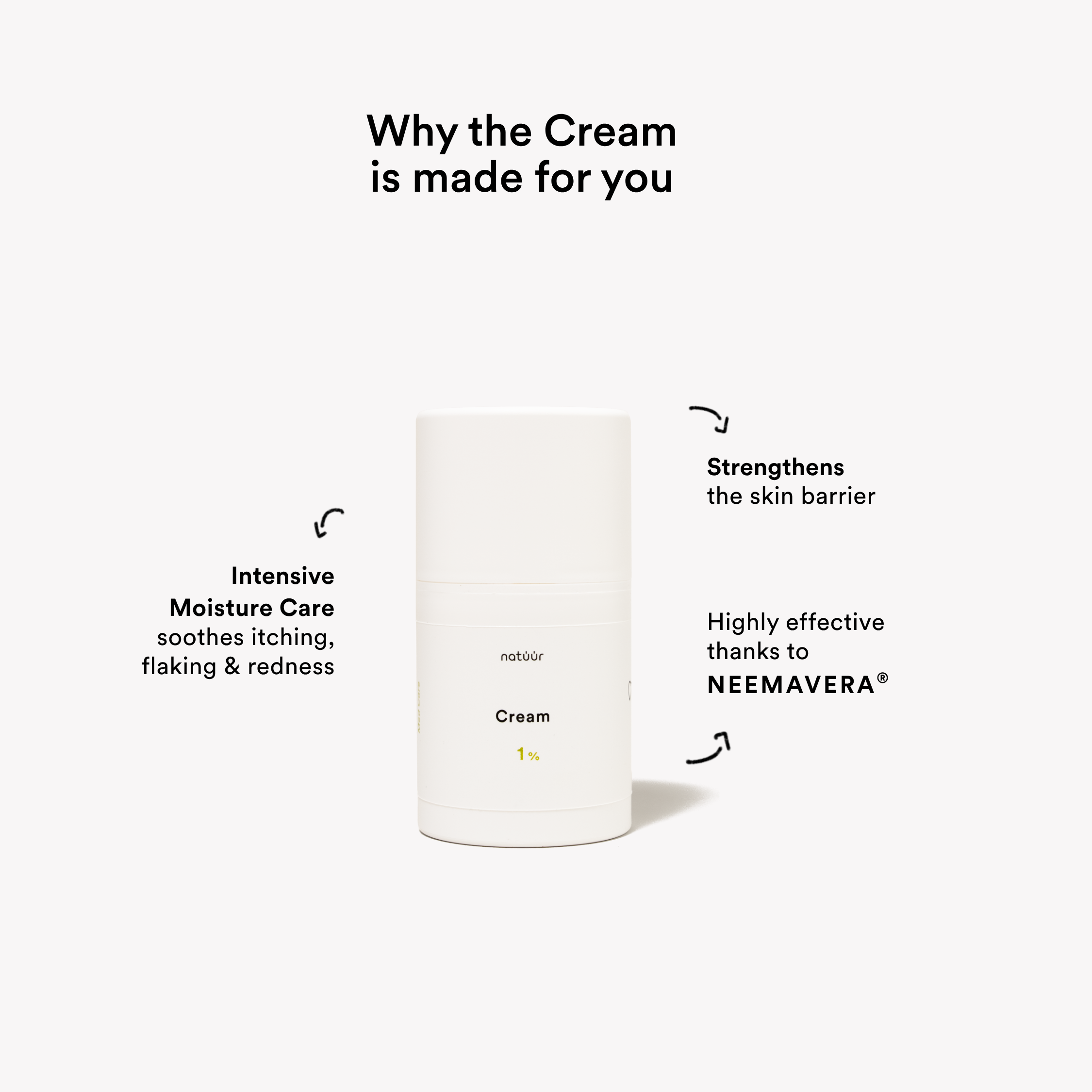
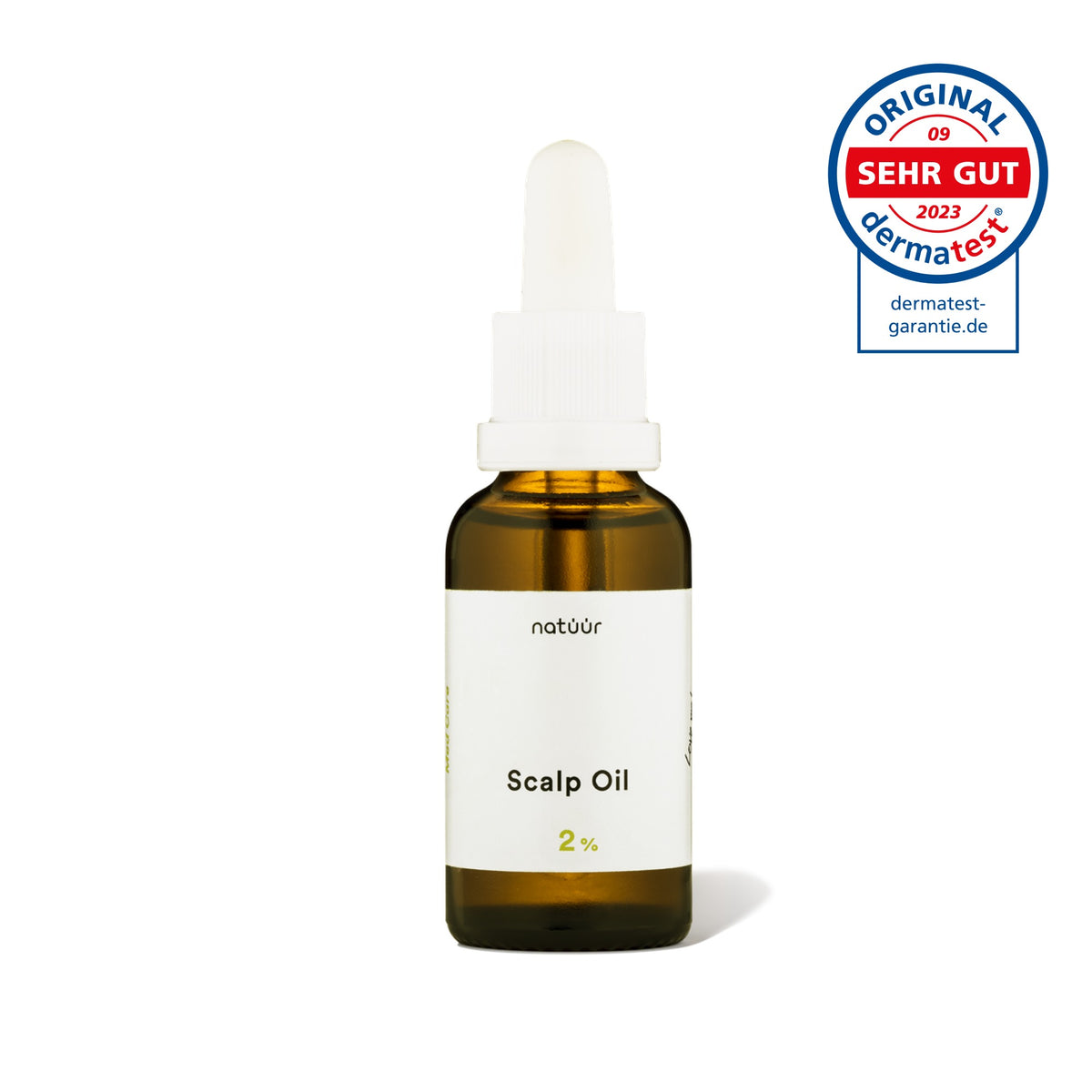
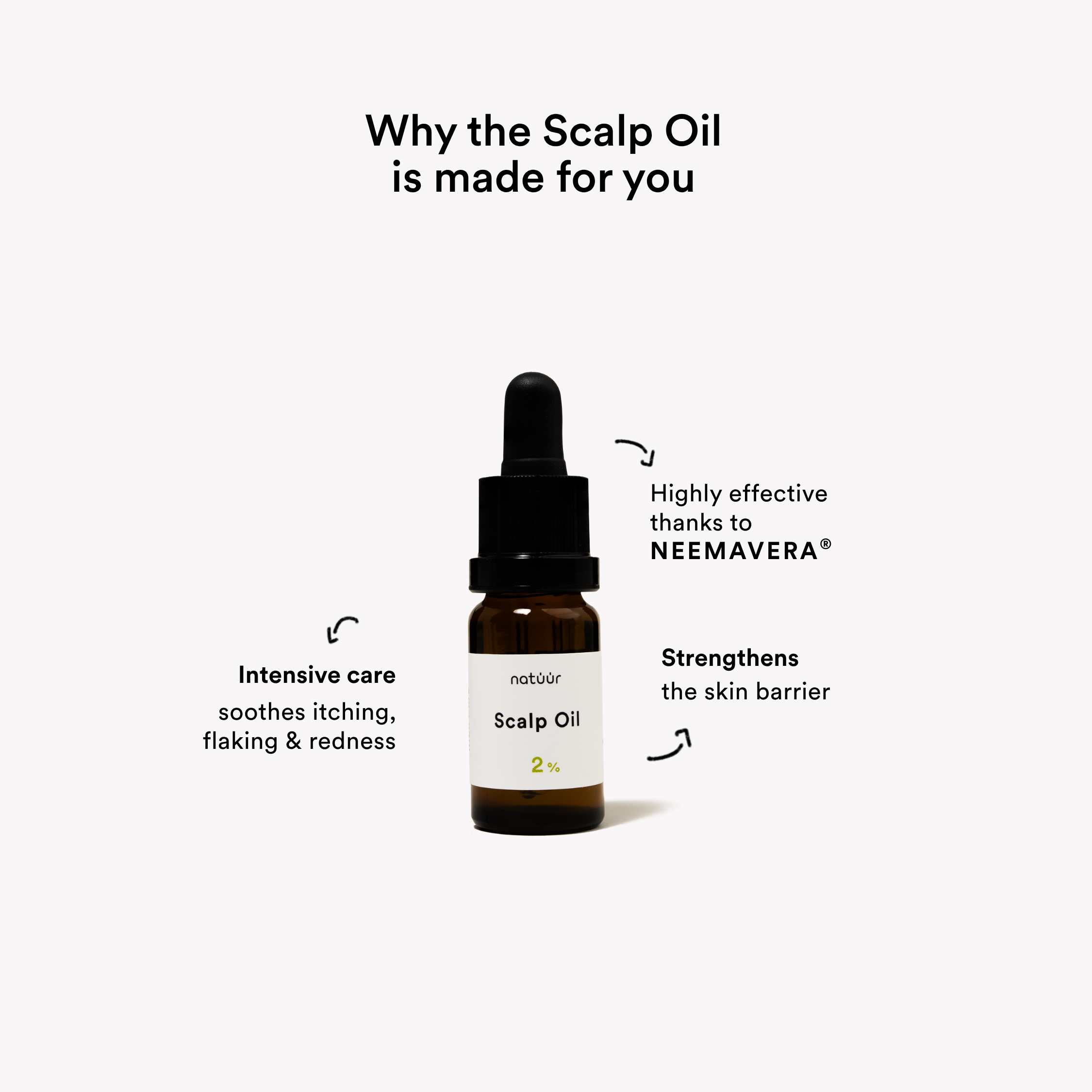
Because our care is developed especially for sensitive skin and skin prone to psoriasis or atopic dermatitis, we have our products tested by Dermatest. For the epicutaneous test of our psoriasis products in 2023, 30 test subjects with sensitive skin were selected. After our care cream, today’s Cream, our nail balm, today’s Nail Balm, and our scalp oil, today’s Scalp Oil, also received the Dermatest seal. None of the test subjects experienced skin irritation, and the products were rated “very good”. Today, all our products carry the Dermatest seal “very good”.
In addition, we have carried out two further studies with Dermatest:
- a six-week in-use study with our Cream on 20 people with psoriasis, in which 95 % rated the tolerability as good,
- an in-vitro study on NEEMAVERA®, our neem leaf extract, which confirmed its antioxidant and anti-inflammatory properties in the laboratory.
Designed for tolerability from the start
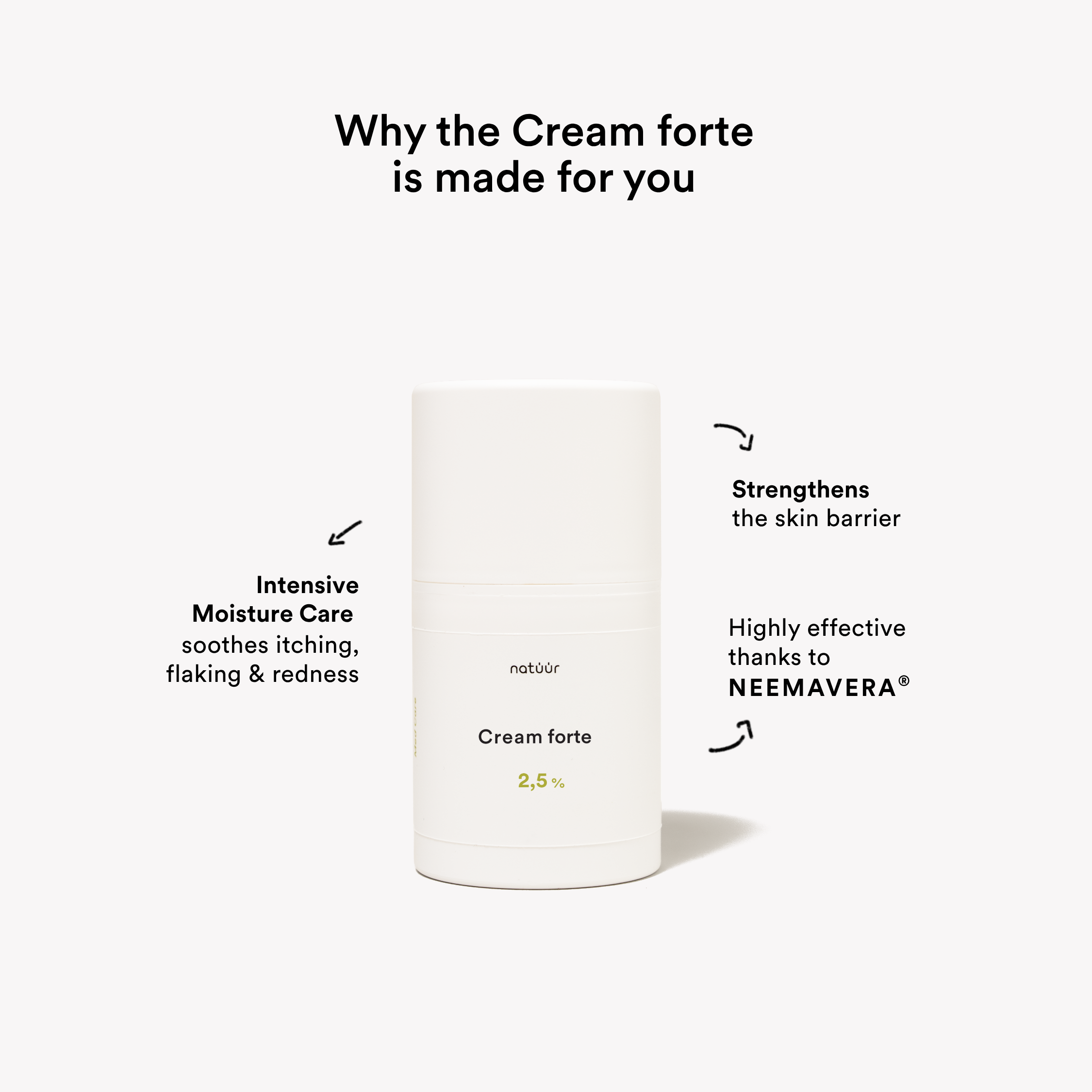
All natüür products are dermatologically tested with the result “very good” (Dermatest), vegan and made in Germany. For sensitive skin, we recommend our fragrance-free care, such as the Calm Skin Trio with Cream, Cream forte and Skin Balm. You can find out more about our active ingredient on the NEEMAVERA® page.
Frequently asked questions
What exactly does “dermatologically tested” mean?
The product has been tested on test subjects for skin tolerance under the supervision of dermatologists, usually with an epicutaneous test. How many people were tested and with what result is often not stated with the label alone.
Is a dermatologist the same as a skin doctor?
Yes. A dermatologist is a medical specialist in skin and venereal diseases, in everyday language a skin doctor.
How meaningful is the Dermatest seal?
The seal shows that an independent institute has tested the product, with what result and in which year. It refers to the tested product in its formula at the time. Depending on the scope of testing, there are different levels, from the epicutaneous test to the in-use study lasting several weeks.
Can a dermatologically tested product still cause allergies?
Yes. A test lowers the risk but does not rule out reactions for every skin. Anyone who is allergic to certain substances should also check the ingredient list.
What is the difference between “dermatologically tested” and “hypoallergenic”?
“Dermatologically tested” describes that a test has taken place. “Hypoallergenic” means that the product is formulated so that the allergy risk is meant to be low. Neither term is a guarantee.
Does “dermatologically tested” mean that a product is cruelty-free?
Dermatological tests are carried out on human volunteers. Animal testing for cosmetics has been banned in principle in the EU since 2013.
How do I test at home whether I tolerate a product?
Apply a small amount to the crook of your arm twice a day and watch the area for 48 to 72 hours. If the skin stays calm, you can use the product on larger areas.