





Understanding the Skin Microbiome: What Sensitive Skin Needs
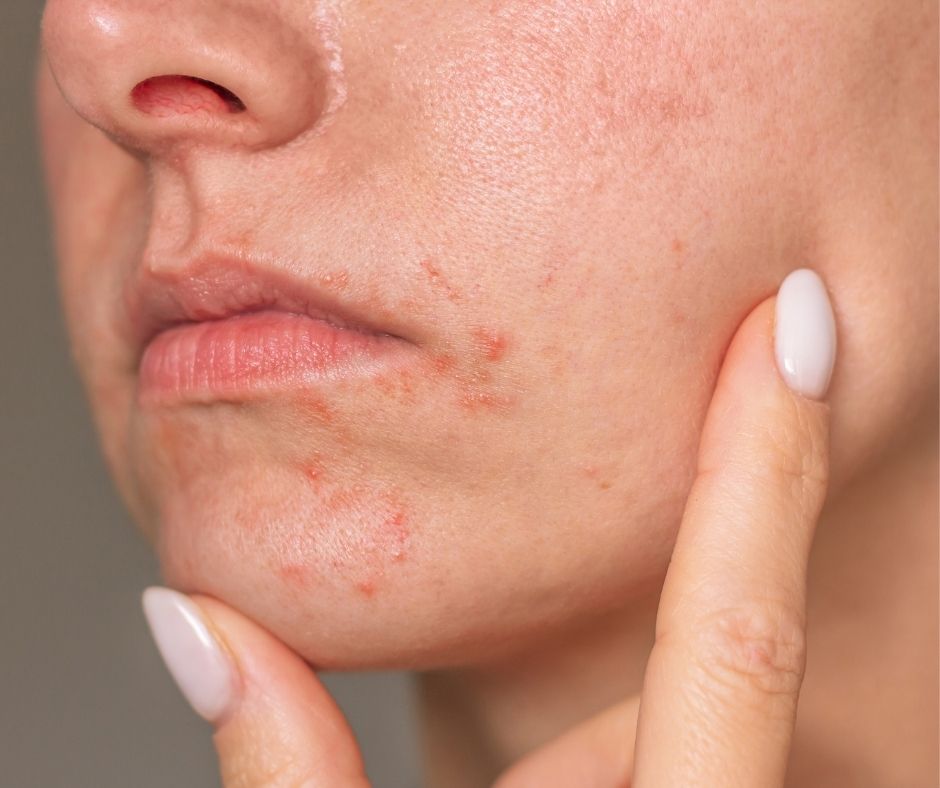
The skin microbiome is crucial for healthy skin – especially for sensitive skin. It protects against pathogens, regulates pH, and strengthens moisture balance. However, chemical products, environmental factors, and daily habits can disrupt the microbiome, exacerbating skin problems like eczema or rosacea.
Quick Tips for Sensitive Skin:
- Avoid: Sulfates, parabens, and synthetic fragrances.
- Use: Products with pH 5.5, prebiotics, and plant-based oils.
- Care: Gentle cleansing, moisturizing, and targeted night care.
- Lifestyle: Reduce stress, eat a healthy diet, and get enough sleep.
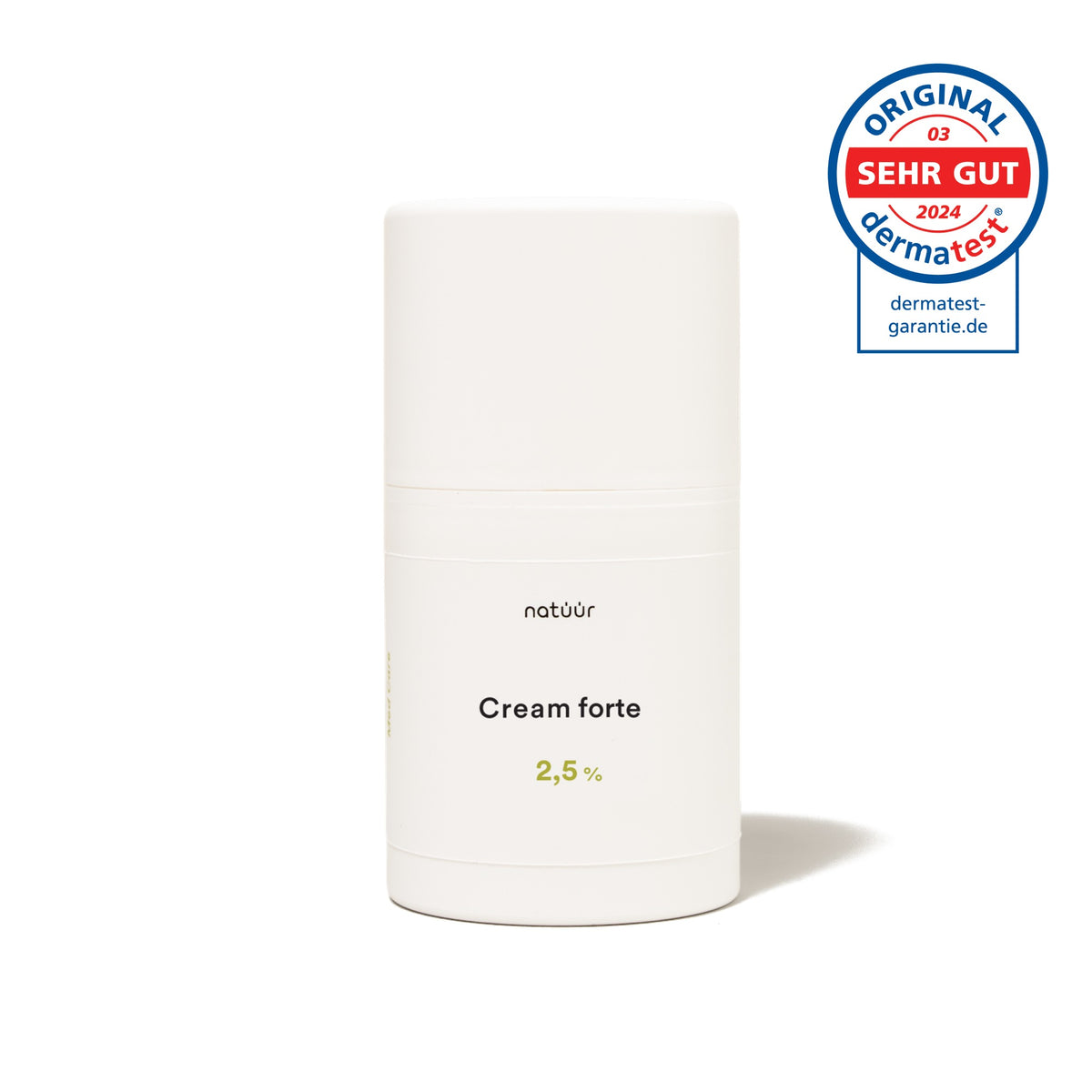
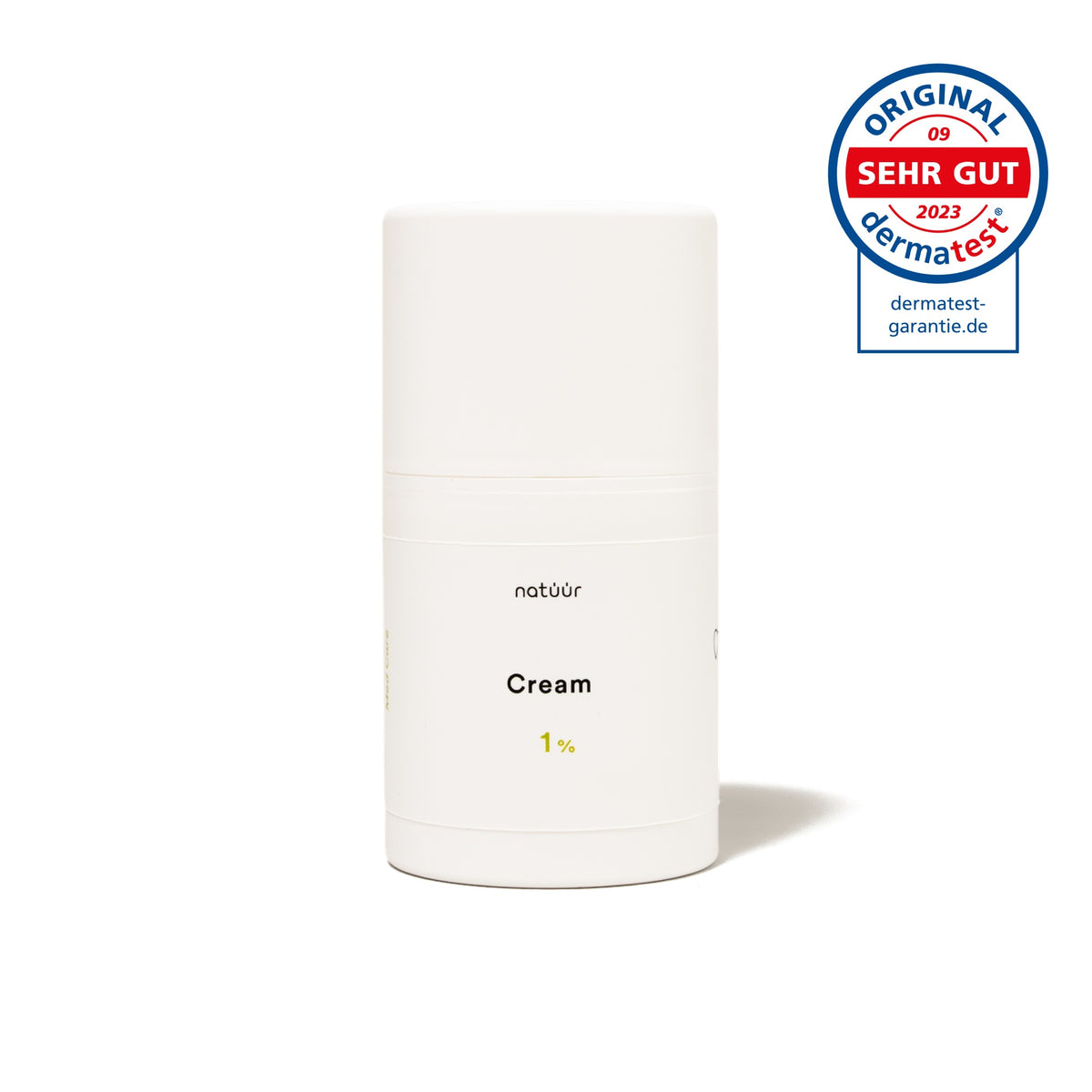
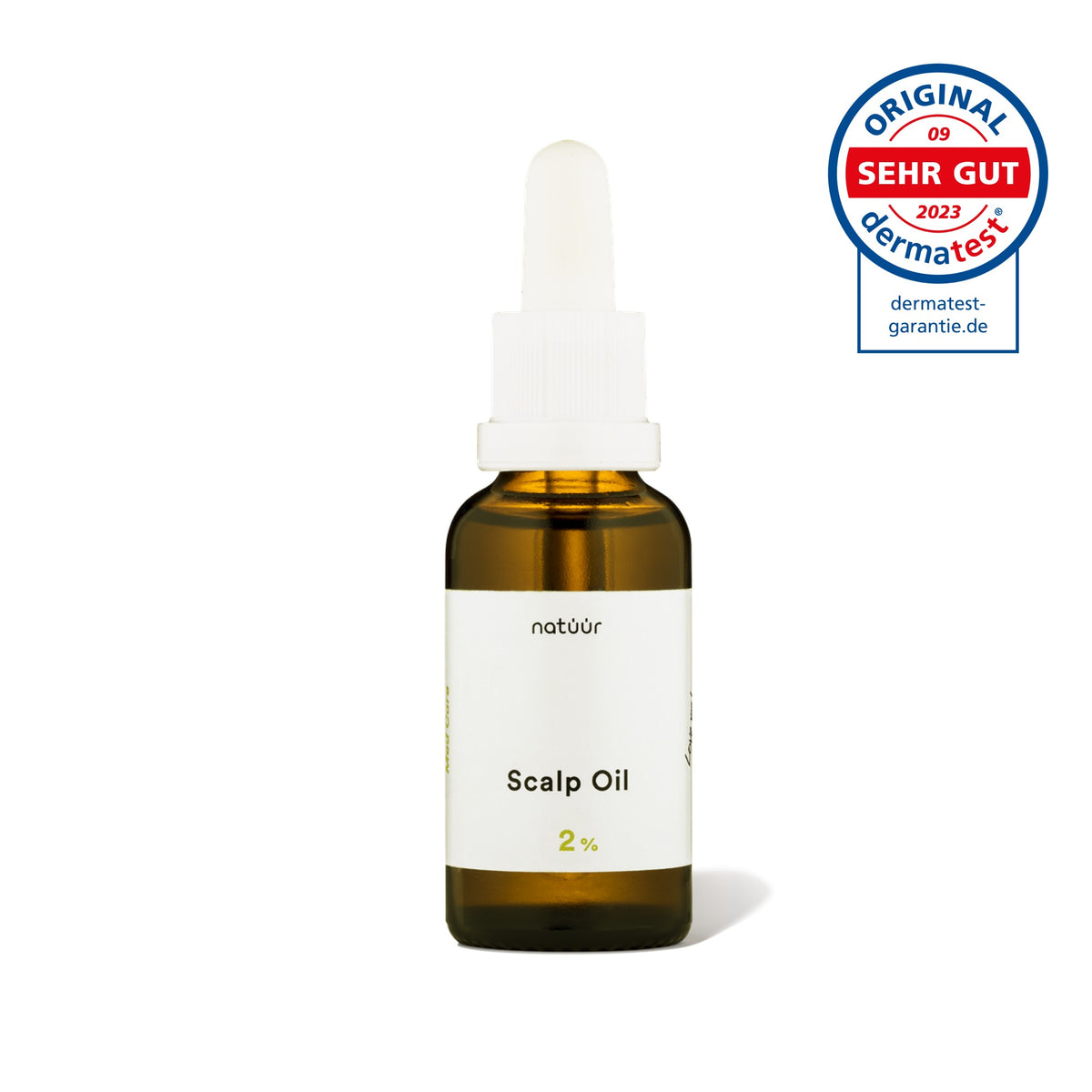
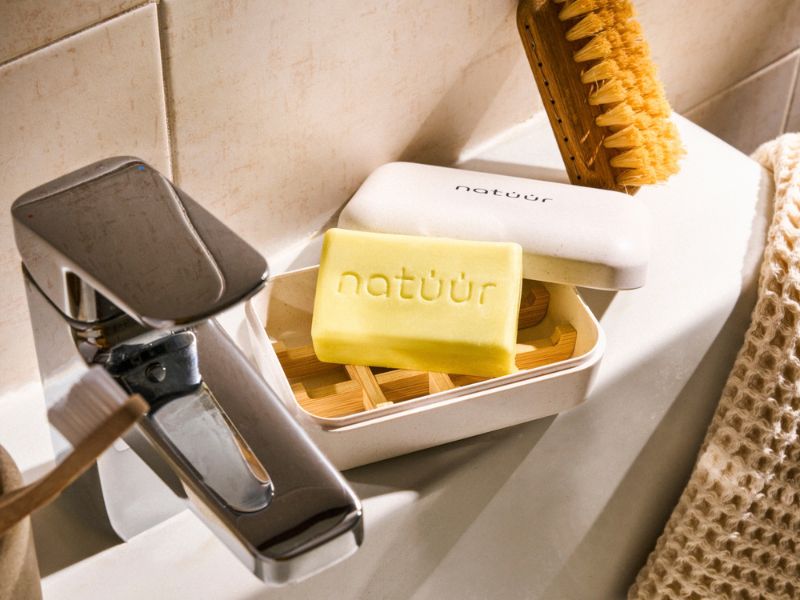
Important: A balanced microbiome strengthens the skin barrier and reduces irritation. Gentle products like Natüür with neem extract can help soothe and protect the skin.
Strengthening the Microbiome - Skin and Gut
Common Disruptors of the Microbiome
The skin microbiome is delicate and can be thrown out of balance by various influences. These disruptions often make the skin more irritable and vulnerable.
Chemical Skincare Products
Some ingredients in common skincare products can significantly impair the microbiome, especially for sensitive skin. Here are some examples:
| Ingredient | Effect on the Microbiome |
|---|---|
| Sulfates | Weaken the natural skin barrier |
| Parabens | Influence bacterial composition |
| Triclosan | Kills beneficial bacteria |
| Synthetic Fragrances | Irritate the skin and disrupt balance |
Environmental Influences
External factors like UV radiation and air pollution have a major impact on the microbial diversity of the skin. UV rays can reduce it by up to 50%, while particulate matter alters the bacterial composition [7]. Further effects include:
- Particulate matter settles on the skin and alters the microbial balance.
- Pollutants promote oxidative stress.
- A weakened skin barrier facilitates the penetration of harmful microorganisms.
Effects of Daily Habits
Our daily habits also play a role. Excessive cleansing can reduce microbial diversity by up to 38% compared to washing with water alone [4]. Other influencing factors are:
- Stress: Leads to increased cortisol production and weakens the skin's immune system.
- Diet: Sugar-rich and highly processed foods disrupt the balance.
- Lack of sleep: Impairs skin regeneration and barrier function.
To protect the microbiome, gentle alternatives like pH-neutral cleansers are important. Natüür products avoid aggressive ingredients and support the skin's natural balance.
sbb-itb-ba17a98
Care Guidelines for the Microbiome
Sensitive skin requires targeted strategies to correct microbiome imbalances.
Selecting Skincare Products
Choosing the right products plays a central role in maintaining a healthy skin microbiome. A pH of around 5.5 supports the skin's natural barrier[1]. Pay special attention to the following characteristics:
| Product Feature | Benefit for the Microbiome |
|---|---|
| pH-balanced | Supports the natural skin barrier |
| Prebiotic Ingredients | Nourishes beneficial bacteria |
| Probiotic Additives | Promotes bacterial diversity |
| Plant-based Oils (e.g., Jojoba oil) | Strengthens the skin barrier |
Natural ingredients like neem extract (e.g., NEEMAVERA) possess antimicrobial and anti-inflammatory properties[3]. Brands like Natüür specifically use this active ingredient in products for sensitive skin.
Daily Skincare Routine
Products with the aforementioned properties form the basis of an effective care routine.
Morning:
- Gentle cleansing with lukewarm water
Evening:
- Cleansing with pH-neutral products
- Moisturizing with prebiotic active ingredients
- Regenerating night care
Lifestyle Adjustments
Certain lifestyle changes can further support the health of the skin microbiome:
| Lifestyle Area | Recommendation | Effect |
|---|---|---|
| Skin Tests | Introduce new products gradually | Reduces risk of reactions |
| Microbiome Care | Integrate prebiotics into routine | Supports bacterial diversity |
| Exercise | Regular moderate activity | Promotes blood circulation |
"Research shows that chronic stress can worsen skin barrier function by up to 30%. This underlines the importance of a holistic approach to skincare"[4].
Dermatologists emphasize that gradually introducing new products can reduce the risk of unwanted skin reactions by up to 60%[5].
Microbiome-Related Skin Problems
An unbalanced microbiome often manifests in specific skin problems – especially in sensitive skin.
Eczema and the Microbiome
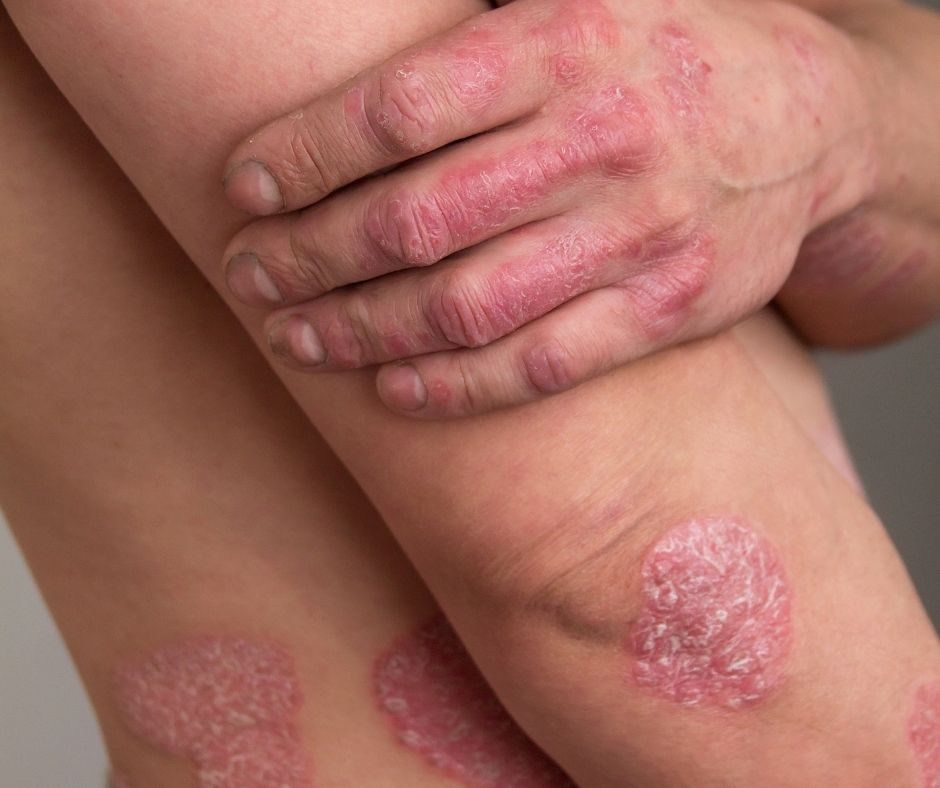
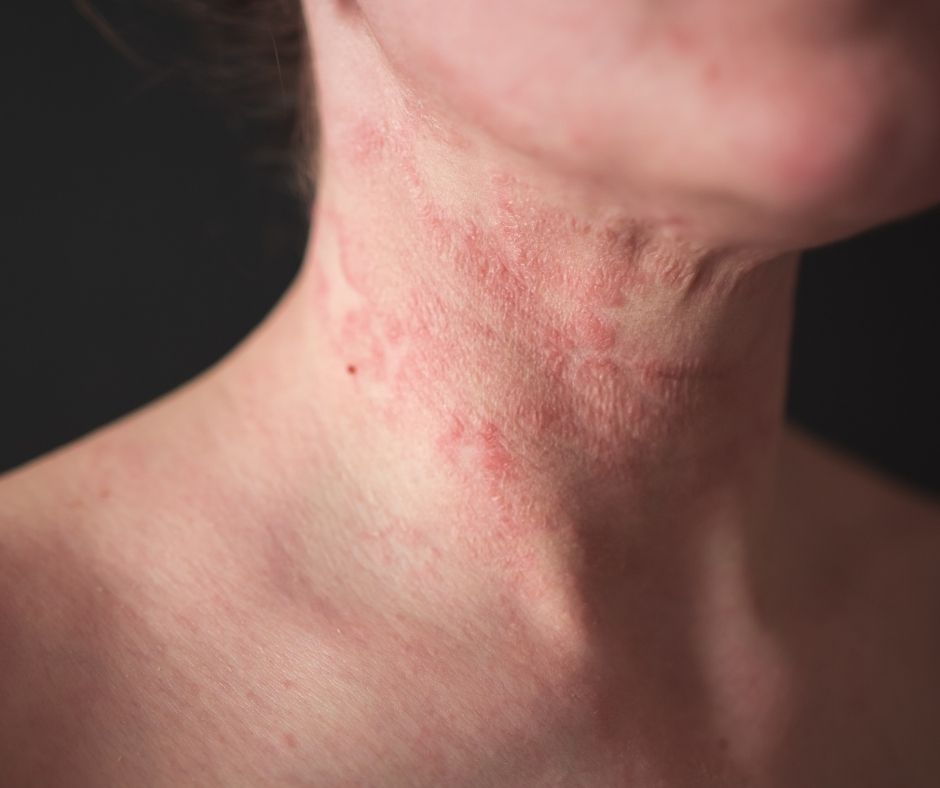
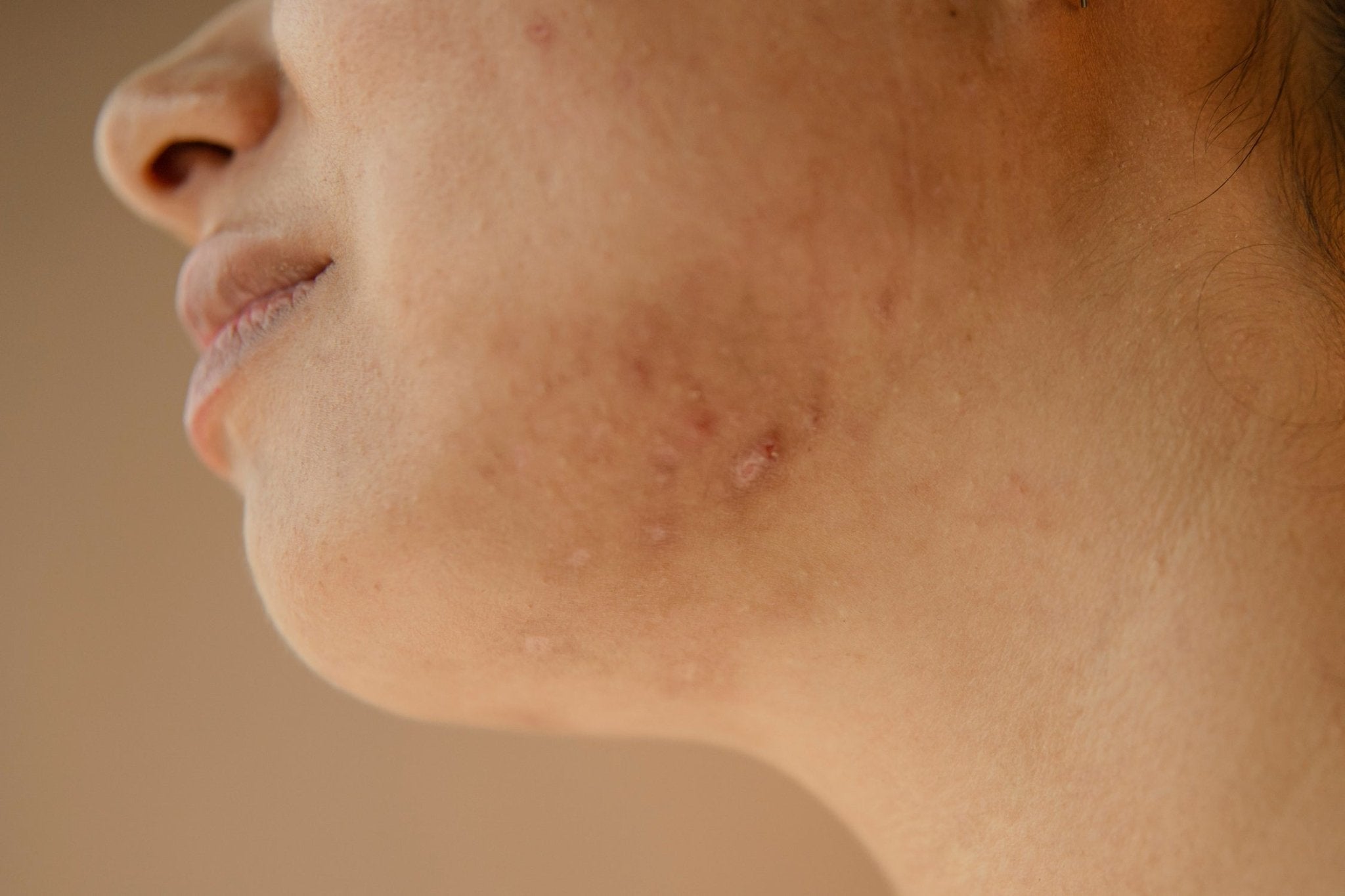
The skin microbiome has a significant influence on the development and worsening of eczema. Studies show that up to 90% of people with atopic dermatitis have an increased concentration of Staphylococcus aureus on their skin, compared to only 5-20% in healthy individuals[2]. This bacterial imbalance leads to:
| Microbiome Change | Effects on the Skin |
|---|---|
| Overgrowth of S. aureus | Increased inflammatory reactions |
| Reduced bacterial diversity | Higher susceptibility to harmful germs |
| Disrupted acid mantle | Increased permeability to irritating substances |
Rosacea and Microbial Influences
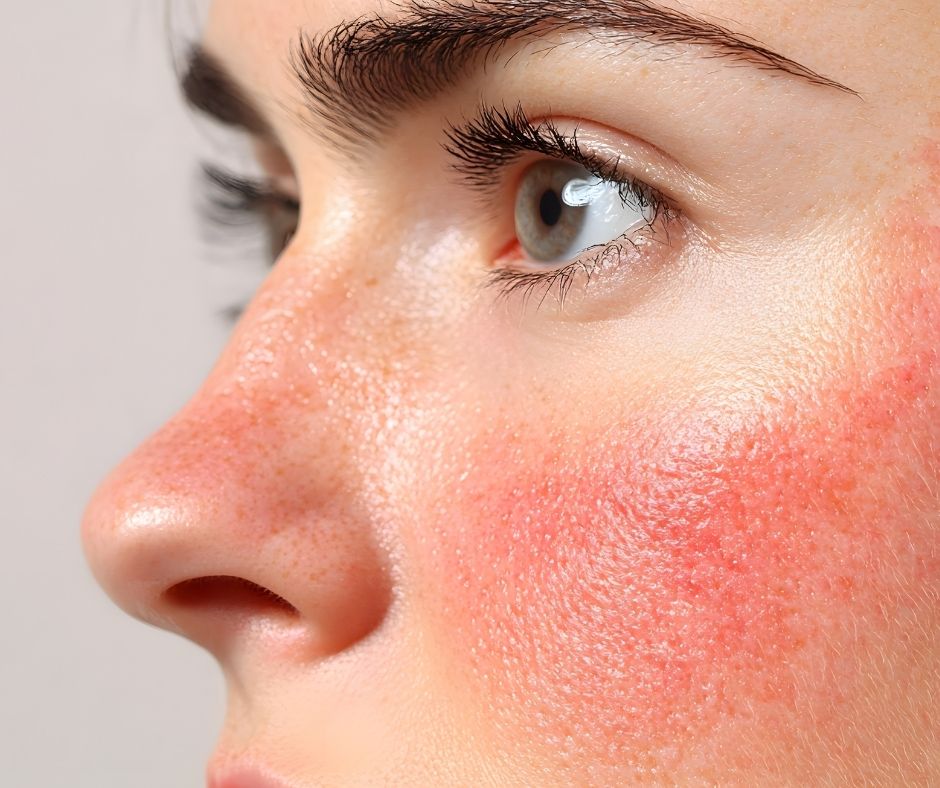
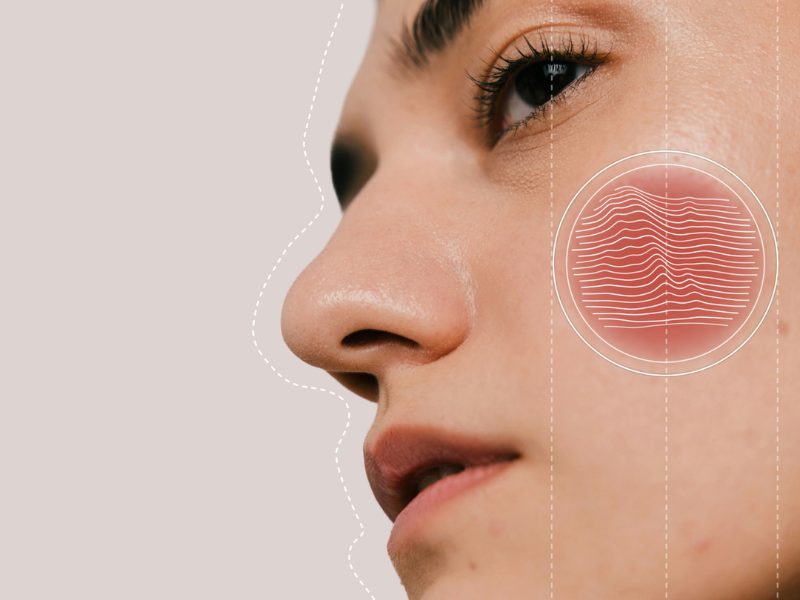
In rosacea, there is a clear link to the microbiome. An increased number of Demodex mites and certain bacteria are frequently detected in affected individuals. Studies involving 835 people showed that 51% of rosacea sufferers have a significantly higher Demodex density than healthy control groups[6]. These changes activate inflammatory processes that lead to the typical redness. External influences, as described in section 2, further exacerbate these microbial changes.
Effects on the Skin Barrier
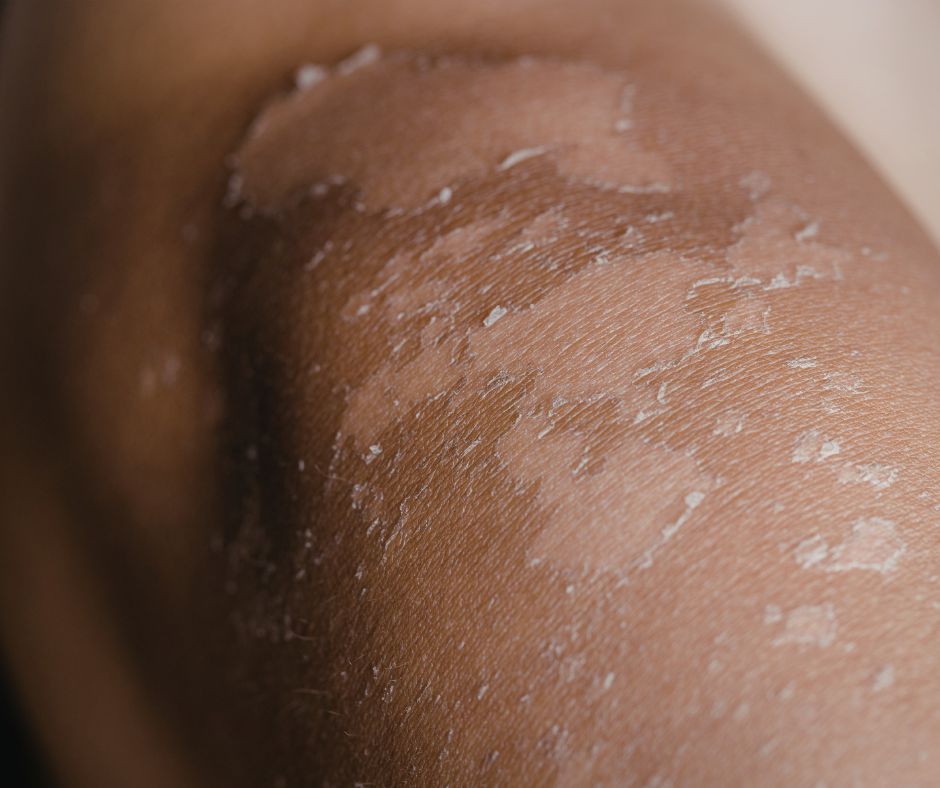
A disrupted microbiome significantly weakens the skin barrier. According to studies, 70-80% of people with atopic dermatitis have an impaired skin barrier[3]. This weakening explains why sensitive skin is particularly susceptible to fluctuations in the microbiome. Common symptoms include:
| Symptom | Connection to the Microbiome |
|---|---|
| Increased moisture loss | Reduced production of protective lipids |
| Increased sensitivity | Reduced antimicrobial peptides |
| Dry, flaky skin | pH imbalance |
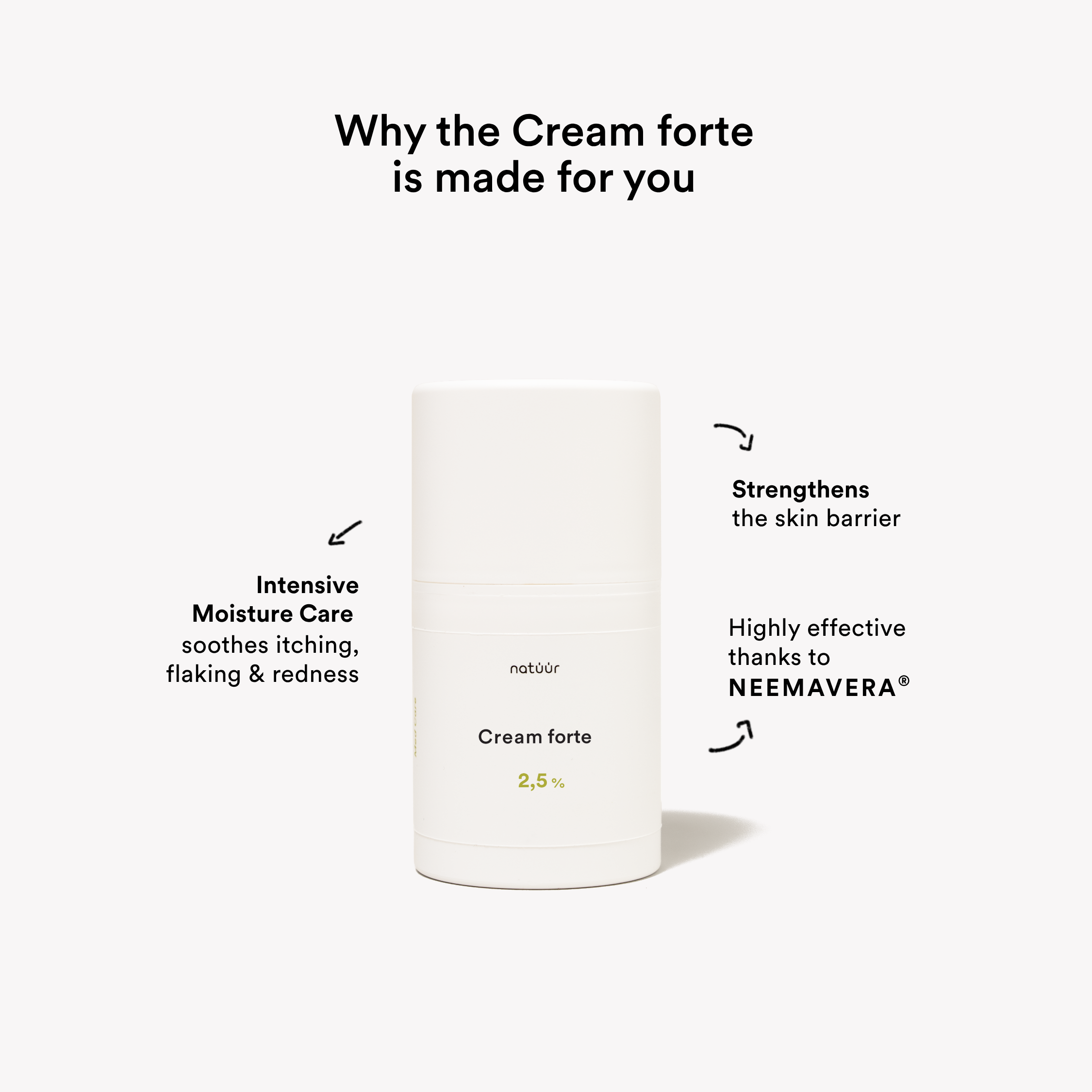
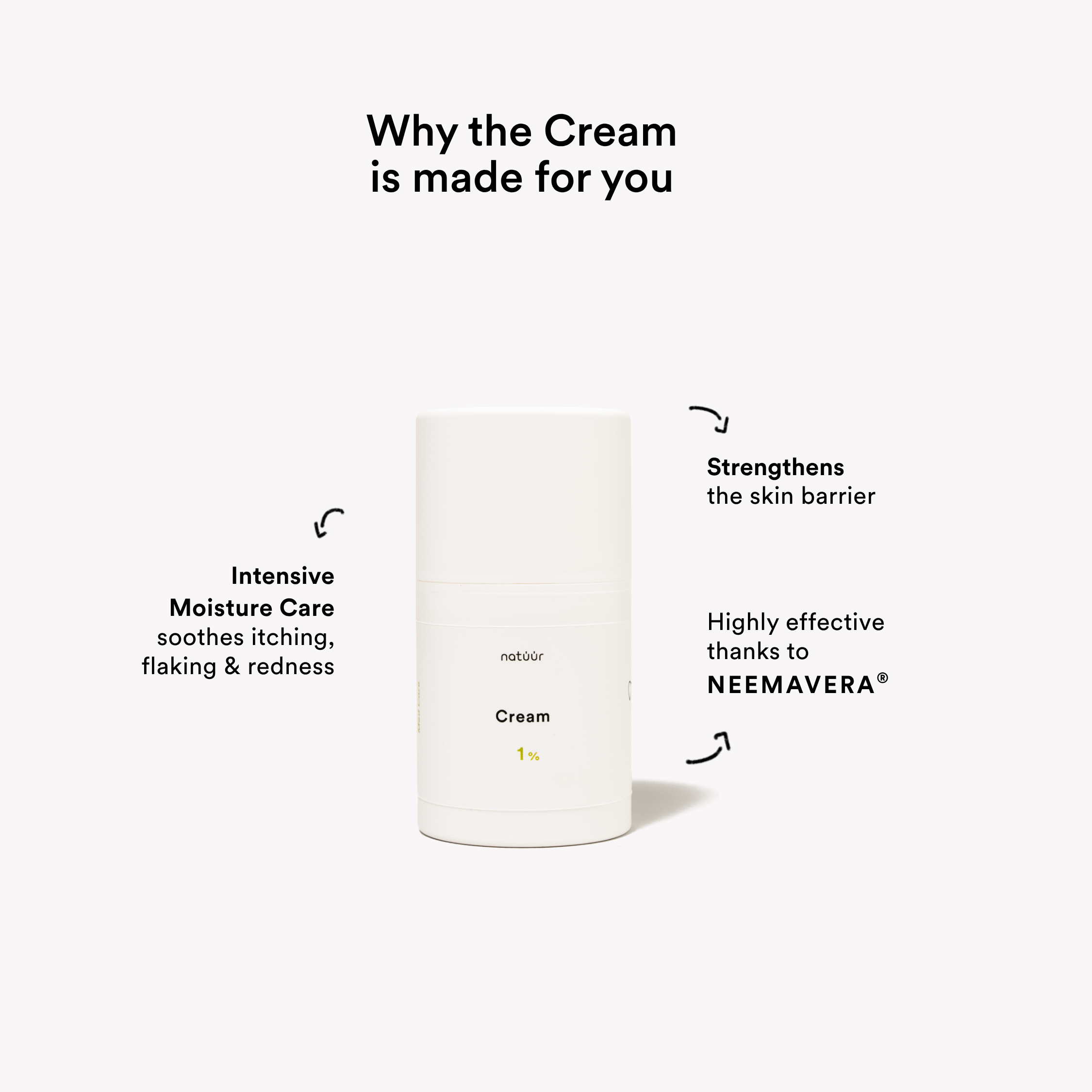
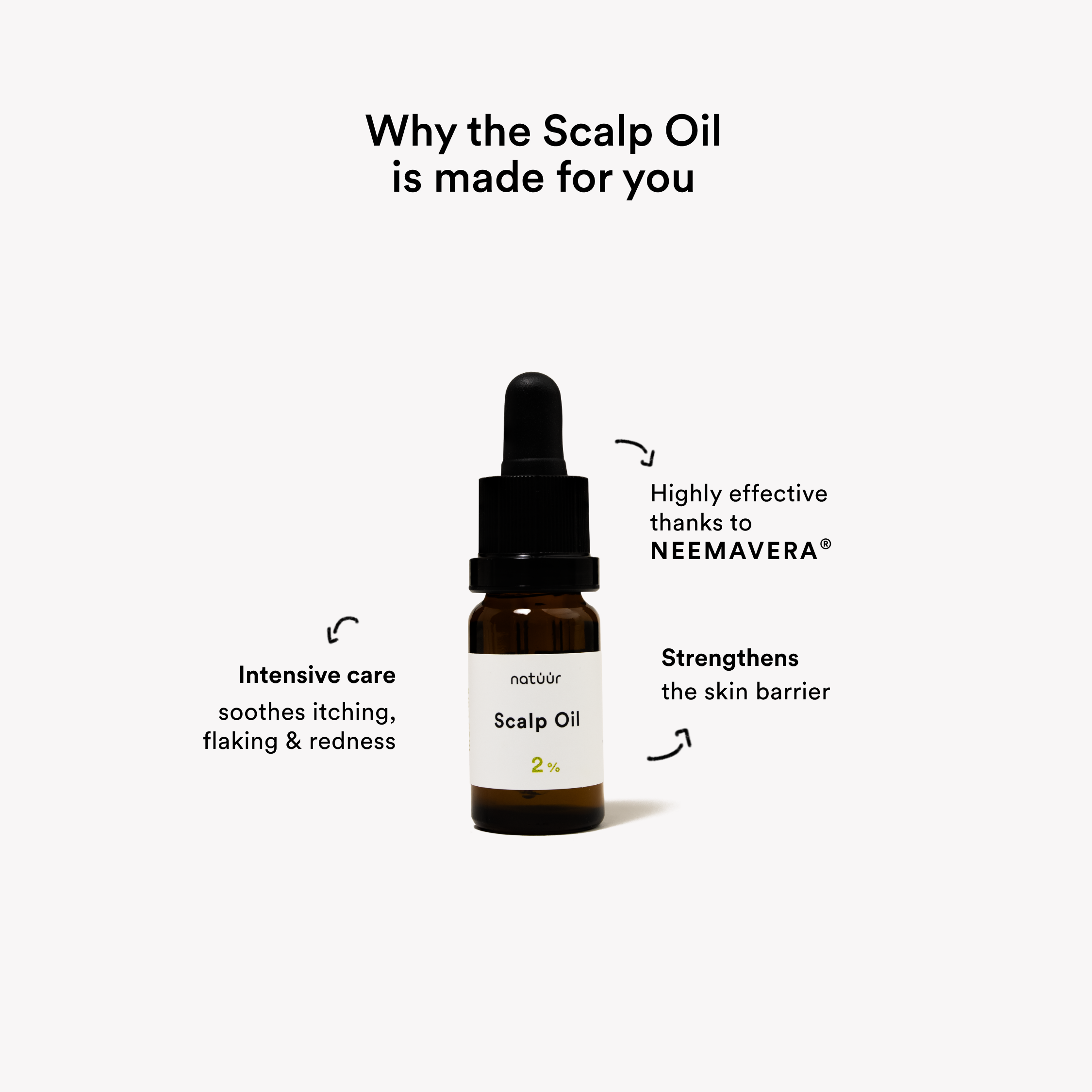
Products with natural ingredients, such as those based on neem (e.g., Natüür), can support the microbiome. The patented NEEMAVERA extract helps strengthen the skin barrier – without irritating additives.
Next Steps for Skin Health
To specifically address microbiome-related skin problems, appropriate measures are indispensable.
Important Factors for Healthy Skin
The skin microbiome significantly influences sensitive skin. Three key aspects are crucial:
| Factor | Recommended Measure |
|---|---|
| pH value (5.0) | Use mild cleansing products |
| Bacterial diversity | Avoid excessive cleansing |
| Skin barrier | Focus on moisturizing |
Suitable Products for Microbiome Care
Natural active ingredients can support the skin microbiome. Studies show that microbiome-friendly skincare can promote microbial diversity and reduce skin sensitivity. For daily care of sensitive skin, the following are particularly suitable:
- Gentle cleansing products that avoid aggressive surfactants
- Moisturizers that contain prebiotics and probiotics
An example: The patented NEEMAVERA extract in Natüür products was specifically developed to support the natural skin microbiome. Clinical tests show that Natüür care increases skin moisture by 19% while strengthening the skin barrier [3].