





Making Natural Cosmetics Last: 5 Tips for Longer Freshness
Natural cosmetics get by with a few, rather gentle preservatives. That is good for sensitive skin, but it also makes the products a little more vulnerable to heat, light, air and germs. With a few simple habits, creams, oils and balms stay fresh for much longer. Here you will find the five most important tips and learn how to read shelf-life symbols and how to tell that a product is no longer good.
In a nutshell: how to make natural cosmetics last longer
Take creams out of jars with a clean spatula, store your products somewhere cool, dry and dark, close them straight after use and note down the opening date. How long a product lasts after opening is shown by the open-jar symbol, for example “6M” for six months. If a product smells rancid or changes colour or consistency, it belongs in the bin.
Why natural cosmetics are more sensitive
Certified natural cosmetics may only use a short list of near-natural preservatives, such as benzoic acid, sorbic acid or alcohol. They are often milder than conventional preservatives, but they also do not protect for quite as long. On top of that come plant oils, whose unsaturated fatty acids react with oxygen and can turn rancid over time. These factors determine how long a product stays fresh:
| Factor | What happens |
|---|---|
| Heat | speeds up oils turning rancid and can make emulsions separate |
| Light | UV radiation breaks down sensitive ingredients such as vitamins and oils |
| Air | oxygen makes oils oxidise |
| Water & germs | moisture and fingers bring germs into the product |
Products that contain water, i.e. creams and lotions, are particularly sensitive. Water-free products such as balms or oils offer germs far less of a breeding ground, but they can turn rancid.
The 5 most important tips for a longer shelf life
1. Take products out hygienically
- Wash your hands before use.
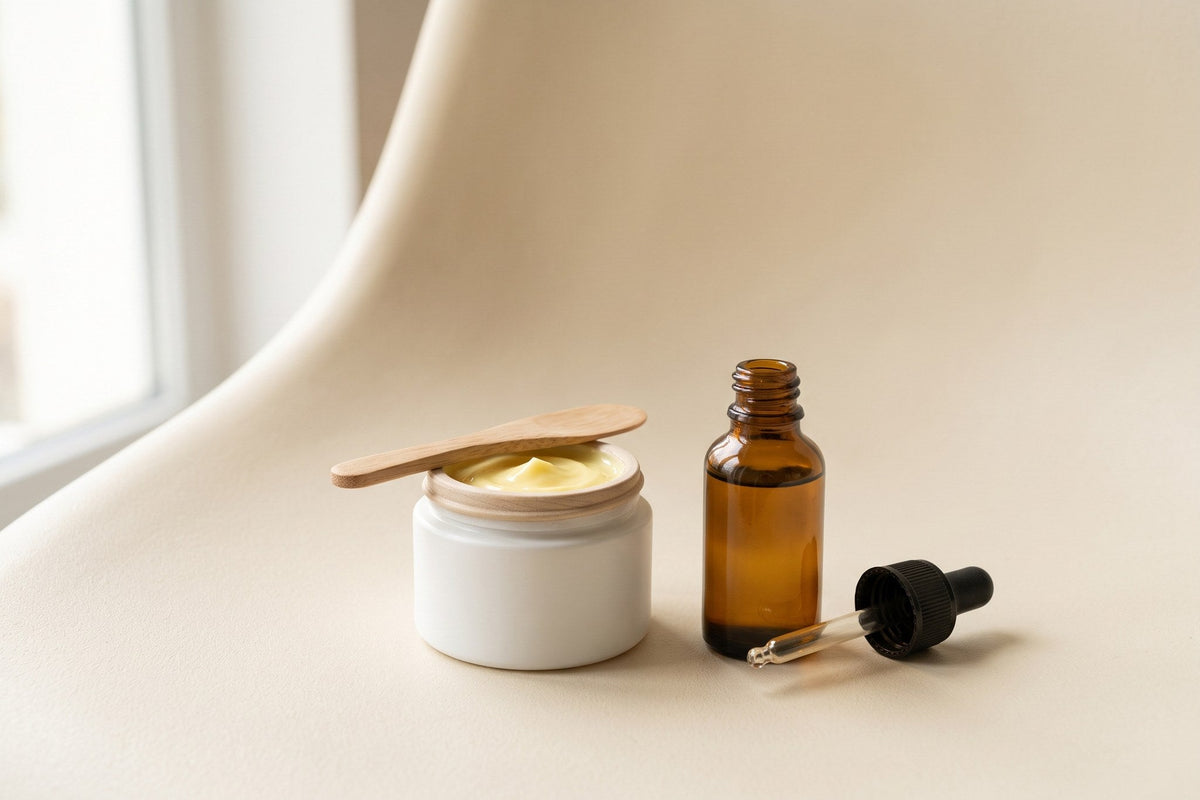
- Take creams out of jars with a clean spatula instead of your fingers.
- Do not let any water get into the packaging, for example in the shower.
- Wipe the opening, thread and pump clean regularly.
| Packaging | How to use it hygienically |
|---|---|
| Jar | take out with a clean spatula, no damp fingers |
| Tube | wipe the opening after use |
| Pump dispenser / airless | clean the nozzle regularly |
| Dropper bottle | do not put the dropper directly on your skin |
2. Store correctly
The ideal is a cool, dry and dark place with as even a temperature as possible, roughly between 15 and 25 °C. Unfavourable spots are a sunny windowsill, the space next to the radiator and the warm, humid bathroom right next to the shower. A bathroom cabinet or a chest of drawers in the bedroom is often the better choice.
3. Close tightly
Close jars, tubes and bottles tightly again straight after use. That way, less oxygen and moisture reach the product, and oils oxidise more slowly.
4. Note the opening date
When you first open a product, write the date on the packaging with a waterproof pen or note it in your phone. That way you keep track of the use-by period.
5. Know the shelf-life symbols
Depending on the product, you will find one of these two symbols on cosmetics:
| Symbol | Meaning | What you do |
|---|---|---|
 Open jar with “6M” or “12M” |
Shelf life after opening (PAO, “Period after opening”): 6 or 12 months | note the opening date, use up within this time |
 Hourglass with date |
Best-before date of the unopened product | open and use before it expires |
Under the EU Cosmetics Regulation, a best-before date only has to appear on products that last less than 30 months unopened. For all others, the open-jar symbol is enough.
Which packaging protects best?
| Packaging | Advantage | Good for |
|---|---|---|
| Airless dispenser | hardly any contact with air and fingers | creams and lotions |
| Amber glass | protects from light, does not react with the contents | oils and serums |
| Violet glass | particularly high light protection | very light-sensitive oils |
| Aluminium tube | light-tight and airtight | creams, ointments |
| Jar | practical for solid textures, but open access | balms and ointments, ideally with a spatula |
How can you tell that natural cosmetics have gone off?
- The smell is rancid, sour or simply different from the start.
- The colour or consistency has changed.
- The cream separates into oil and water and can no longer be stirred back together.
- You can see impurities or mould.
In that case, you should stop using the product, even if the use-by period has not yet expired. Spoiled or rancid cosmetics can irritate the skin. With sensitive skin in particular, a quick check before every use is therefore worthwhile. You can read why oxidised oils and fragrances can be a problem in our article on the best plant oils for the skin.
How we do it at natüür
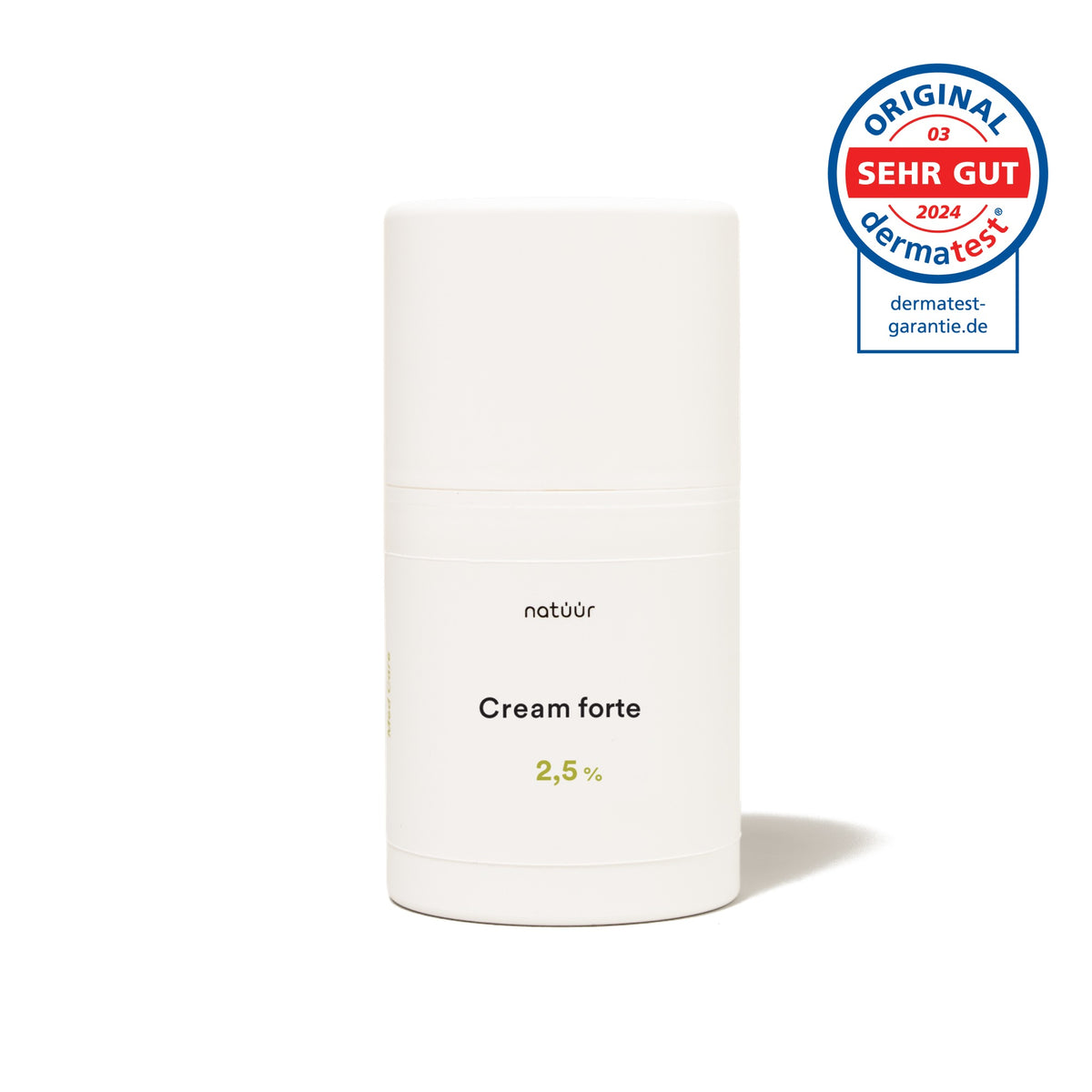
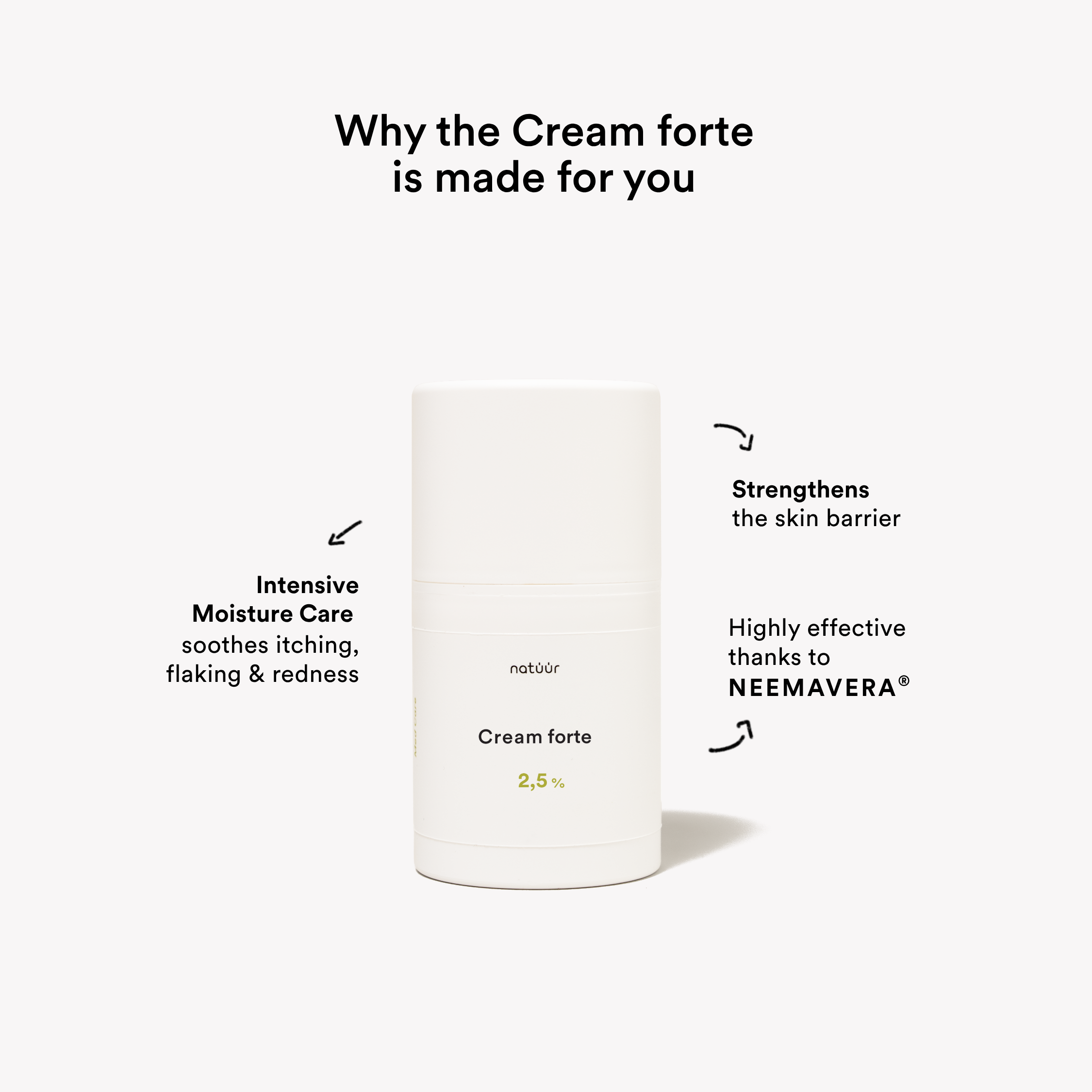
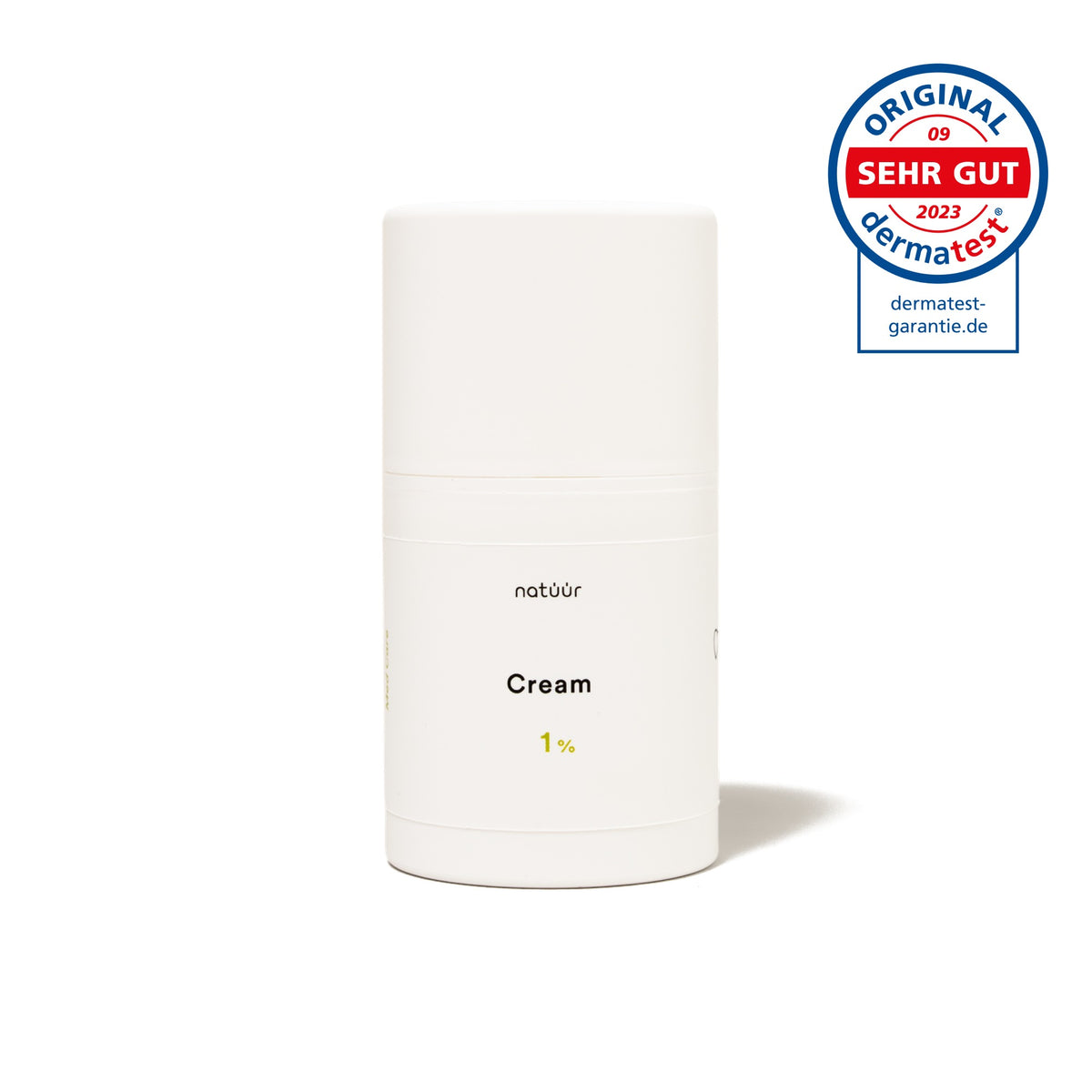
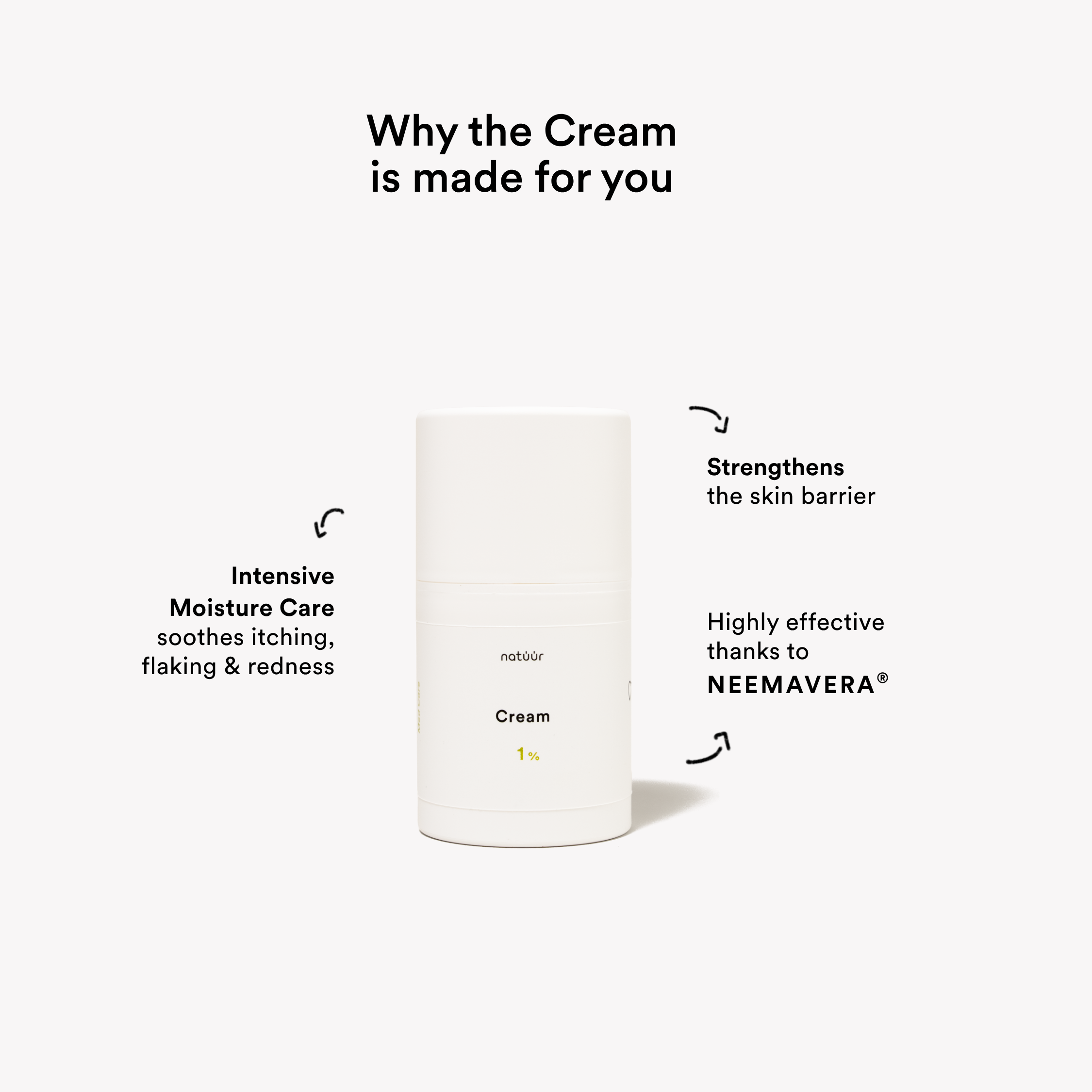
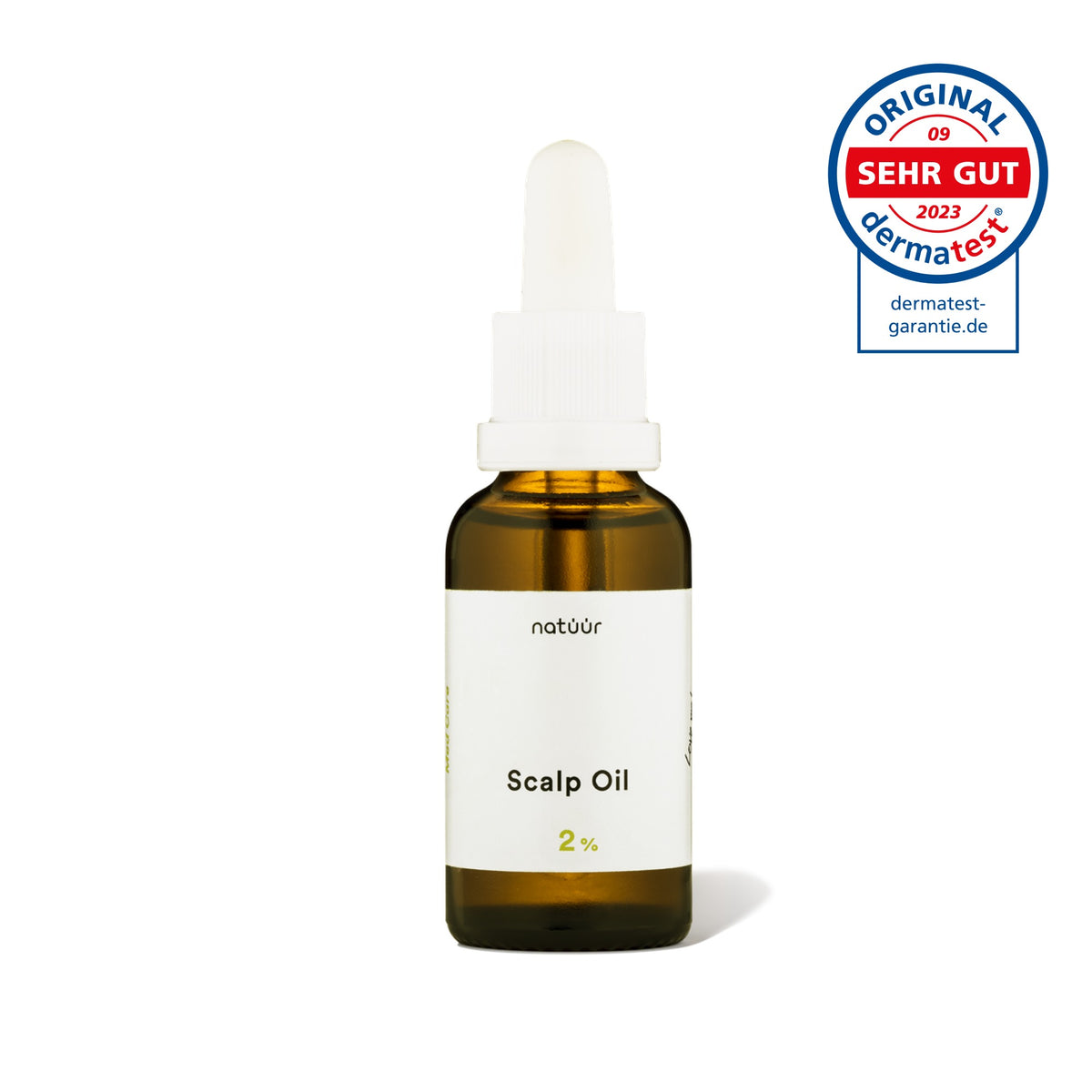
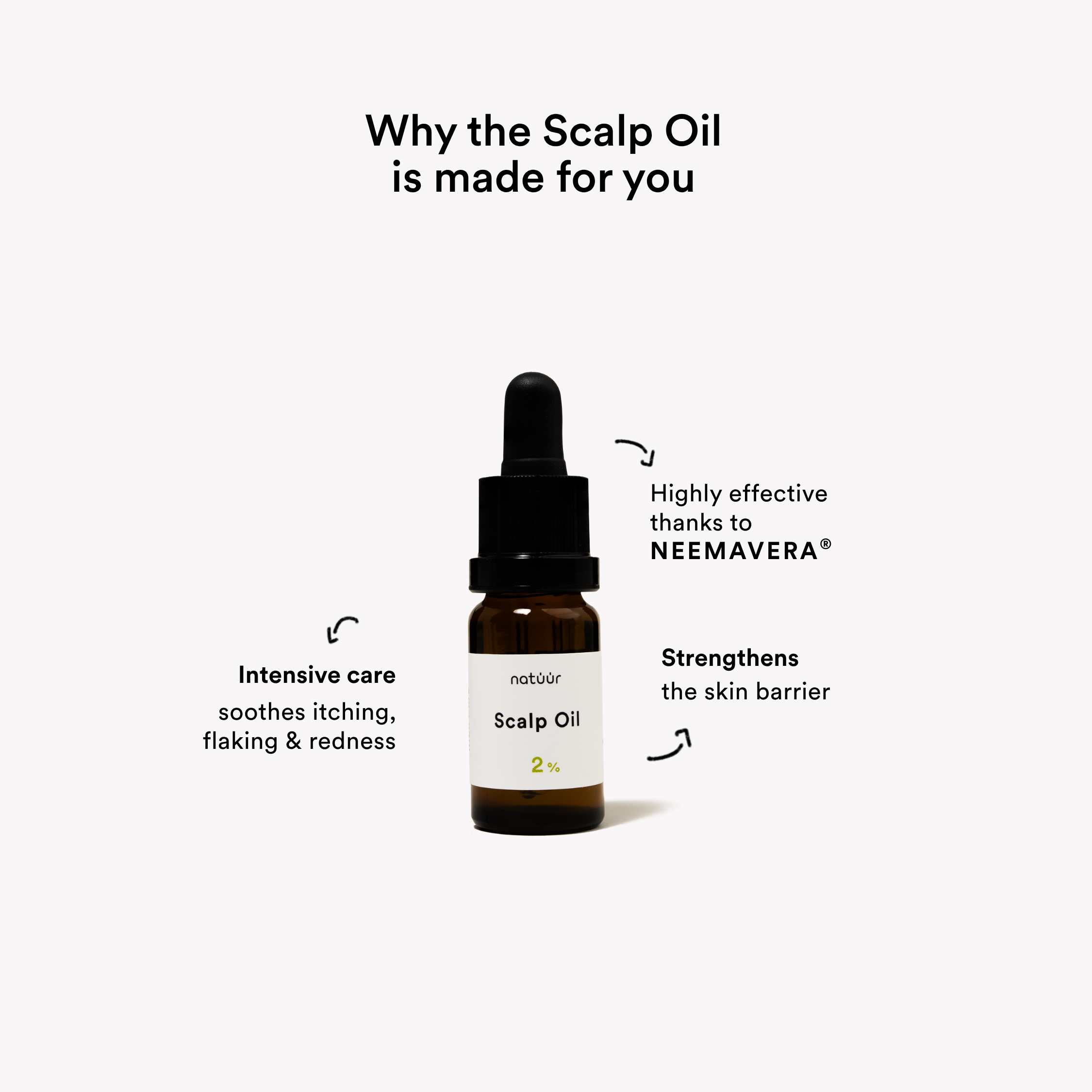
Our Cream and Cream forte come in dispensers, so you do not have to take the cream out with your fingers. The Skin Balm and the Nail Balm are formulated water-free, so germs find hardly any breeding ground in them. We fill our Scalp Oil into light-protective amber glass. All products are regularly tested for stability and preservation.
Frequently asked questions
How long do natural cosmetics last after opening?
That depends on the product and is shown on the open-jar symbol; it is often 6 to 12 months. Products containing water usually last less long than water-free oils or balms.
Can I still use expired natural cosmetics or expired oil?
If the use-by period has only just passed and the product smells and looks perfectly fine, it is not automatically bad. However, the effect of sensitive ingredients wears off over time, and oils can turn rancid. If an oil smells rancid or has changed, you should no longer put it on your skin.
Should I keep natural cosmetics in the fridge?
That is usually not necessary. A cool, dark place is enough. Sharp temperature changes, for example constantly moving between the fridge and a warm bathroom, can actually do emulsions more harm than good.
Why do cosmetics not belong in the bathroom?
The bathroom is often warm and humid. That speeds up oils turning rancid and encourages germs. If possible, keep your skincare in a closed cupboard or outside the bathroom.