






Minimalist Skincare: Why Your Skin Needs Less but Better Care
Cleansing gel, toner, serum, essence, eye cream, day cream, night cream, mask: many bathrooms look like a small laboratory. Yet sensitive skin in particular often reacts to so much attention with burning, redness and dryness. Minimalist skincare, also known as “skinimalism”, takes the opposite approach: a few well-tolerated products with as few ingredients as possible. Here you'll find out why your skin often needs less but better care and how to simplify your routine step by step.
In short: what is minimalist skincare?
Minimalist skincare is limited to what the skin really needs: mild cleansing, barrier-strengthening care and sun protection. Each product has the shortest possible ingredient list, without fragrances or unnecessary additives. This takes the strain off the skin barrier, lowers the risk of irritation and makes it easier to find out what is good for your skin.
“As much effect as possible. As few ingredients as necessary.”
Our philosophy at natüür
Why “less is more” is more than a trend
The skin has its own protective barrier made of horny cells and skin lipids. Every product you apply interacts with it. Every additional product brings new ingredients: emulsifiers, preservatives, fragrances, active ingredients. The more of them come together, the more likely it is that one of them irritates your skin. And the harder it is to find out which one it was.
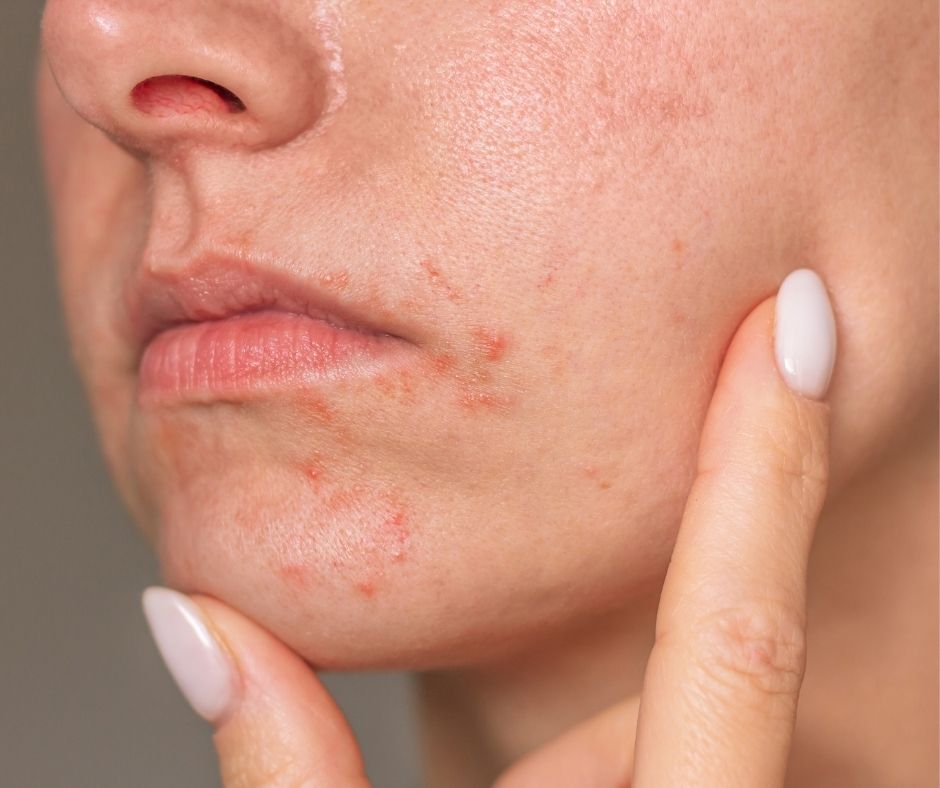
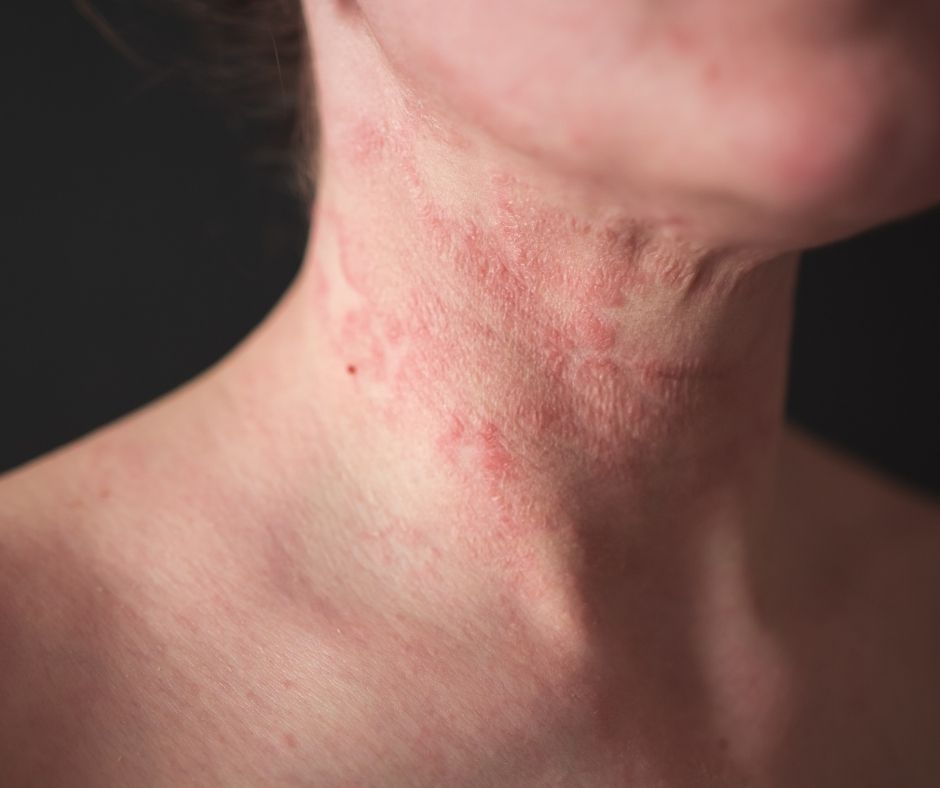
Over-cared-for skin: the typical signs
- Burning or stinging when applying products you actually tolerate well
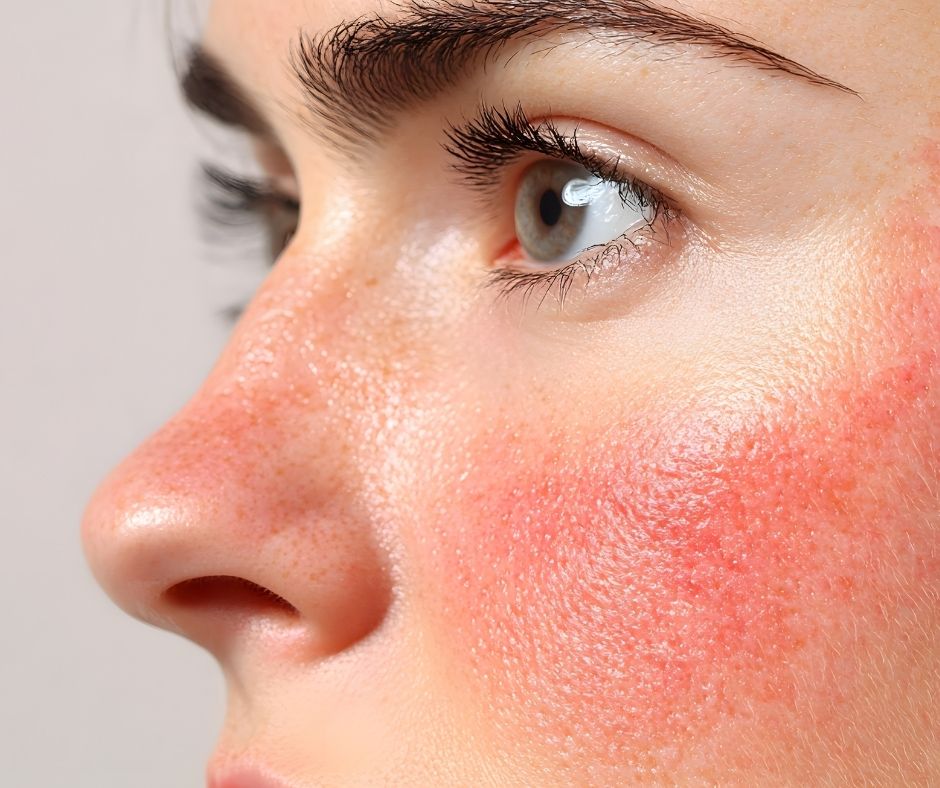
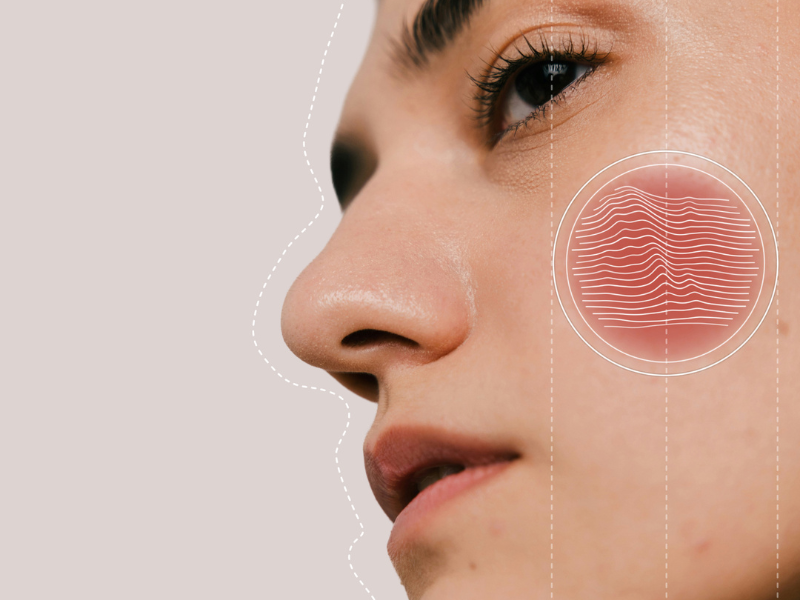
- Redness and small spots, often around the mouth and nose
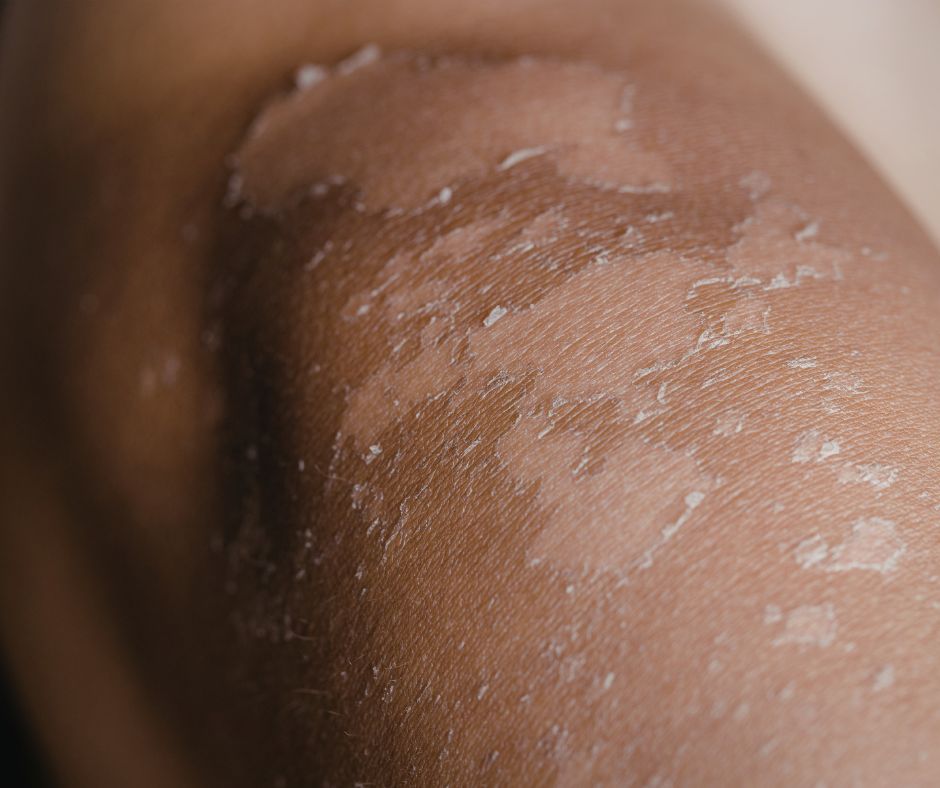
- The skin feels dry and tight despite plenty of care
- It reacts more sensitively than before, to wind, water or heat
You can read more about how to recognise overwhelmed skin in the article 5 signs your skincare is too harsh.
The cocktail effect
Many active ingredients are well tolerated on their own but too much together. If, for example, you combine a fruit acid peel, a vitamin C serum and a retinol product, you are asking a lot of your skin. With sensitive skin, even less is often enough to stress the barrier.
Skin fasting or minimalist skincare?
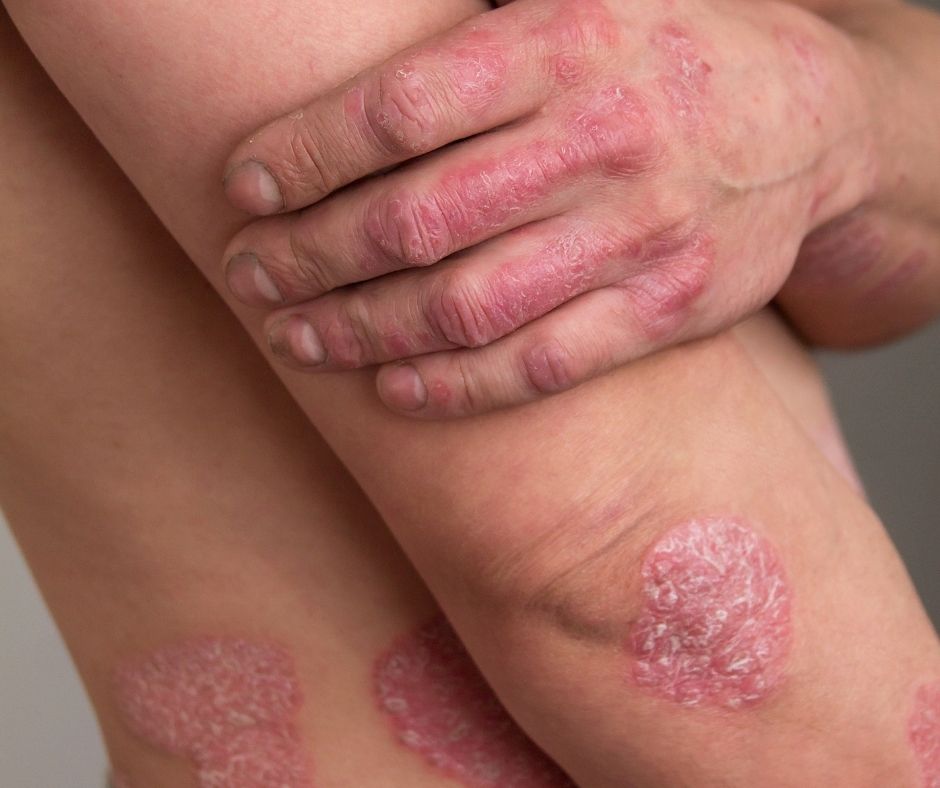
With “skin fasting”, you leave out skincare completely for a few days so that the skin can “recover”. For robust skin, a short break may be unproblematic. With atopic dermatitis, psoriasis or very dry skin, however, going without entirely is not a good idea: that is exactly when the barrier needs a regular supply of lipids and moisture. Minimalist skincare is therefore the gentler approach: not nothing, just what's necessary.
Your minimalist routine: three steps
| Step | What you need | What to look out for |
|---|---|---|
| 1. Cleanse | a mild cleansing product | mild surfactants, lukewarm water, not too often |
| 2. Care | a cream that suits your skin | moisture plus lipids, no fragrances, short ingredient list |
| 3. Protect | a sunscreen for the daytime | well tolerated, ideally without fragrances |
Most skin doesn't need more than that day to day. If necessary, you add individual products in a targeted way, such as a rich balm for very dry areas. You can read how often and with what to cleanse best in the article Bar soap or liquid soap?.
Fewer ingredients, better products: what to look out for
Short ingredient list
The fewer ingredients a product has, the fewer potential triggers you put on your skin. So take a look at the ingredient list (INCI). It is sorted by quantity; the first positions make up most of the product.
Good basic ingredients
- Glycerin and panthenol: bind moisture and support the barrier.
- Plant oils and shea butter: give lipids back to the skin.
- Aloe vera: cools and provides moisture.
- Squalane and ceramides: resemble the skin's own lipids.
Red flags for sensitive skin
- Fragrances and essential oils, including natural ones
- high amounts of alcohol
- harsh surfactants such as Sodium Lauryl Sulfate
- lots of strong active ingredients in one product
You'll find a detailed list in the article 10 ingredients sensitive skin should avoid.
Natural isn't automatically better
“Natural skincare” is not a protected term. Plant ingredients can irritate too, and greenwashing is widespread. So pay attention to the ingredient list, to dermatological tests and to the absence of silicones, PEGs, mineral oils and parabens. We explain why organic isn't automatically better tolerated in our comparison Organic skincare vs. conventional.
Minimalist skincare for atopic dermatitis and psoriasis
Skin that is prone to atopic dermatitis or psoriasis in particular benefits from a reduced routine. Its barrier is already weakened, and every unnecessary ingredient is a potential risk. But importantly: fewer products doesn't mean less care. Daily basic care stays, even in calm phases. During a flare-up: don't try anything new, only use your usual, well-tolerated skincare. You can read more about this in our guide to skincare for atopic dermatitis.
How to switch without overwhelming your skin
- Take stock: put all the products you are currently using in front of you.
- Pause: first set aside everything that is scented, tingles or contains several strong active ingredients.
- Keep: a mild cleanser, a suitable cream, a sunscreen.
- Observe: give your skin about four weeks. That's roughly how long it takes for the top layer of skin to renew itself.
- Add in a targeted way: if something is missing after that, consciously add individual products, always just one at a time.
A nice side effect: a smaller routine saves time, money and space in the bathroom, and less packaging is good for the environment too.
Minimalist by design: natüür
Our guiding principle “As much effect as possible. As few ingredients as necessary.” is in every product. At its heart is NEEMAVERA®, an extract from the leaves of the neem tree, which has been valued in the Ayurvedic tradition for centuries. The leaves come from our own farm in Paraguay. All products are vegan, dermatologically tested with the result “very good” and free from parabens, silicones and colourants. For a minimalist routine:
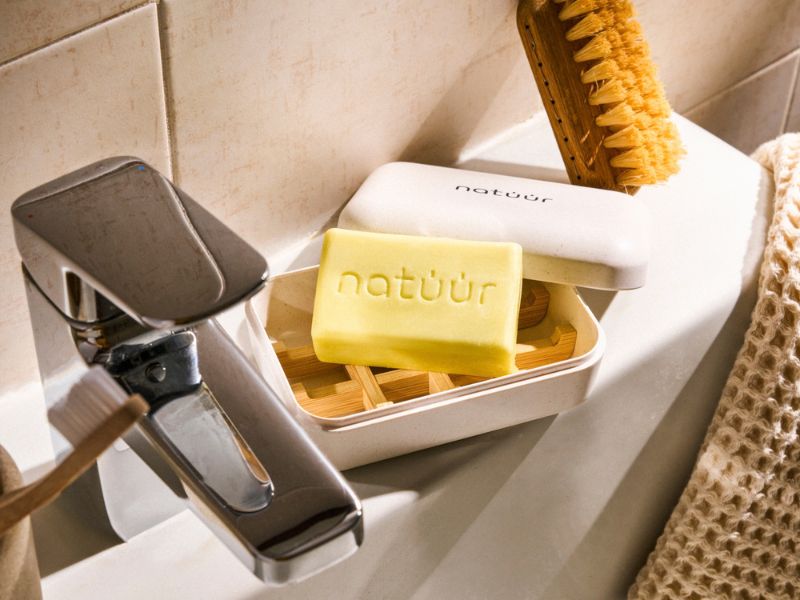
- Solid Soap: mild, fragrance-free cleansing for face and body
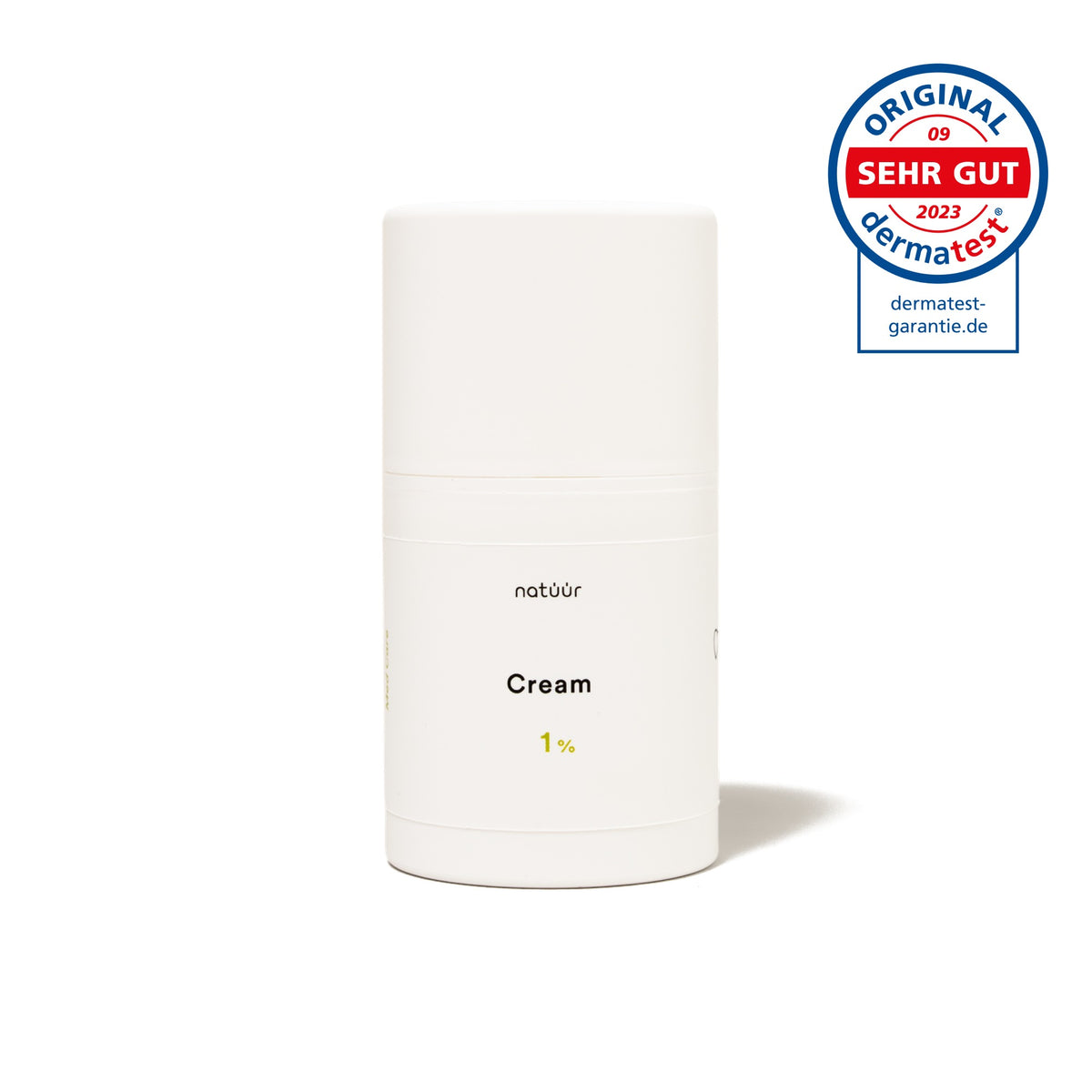
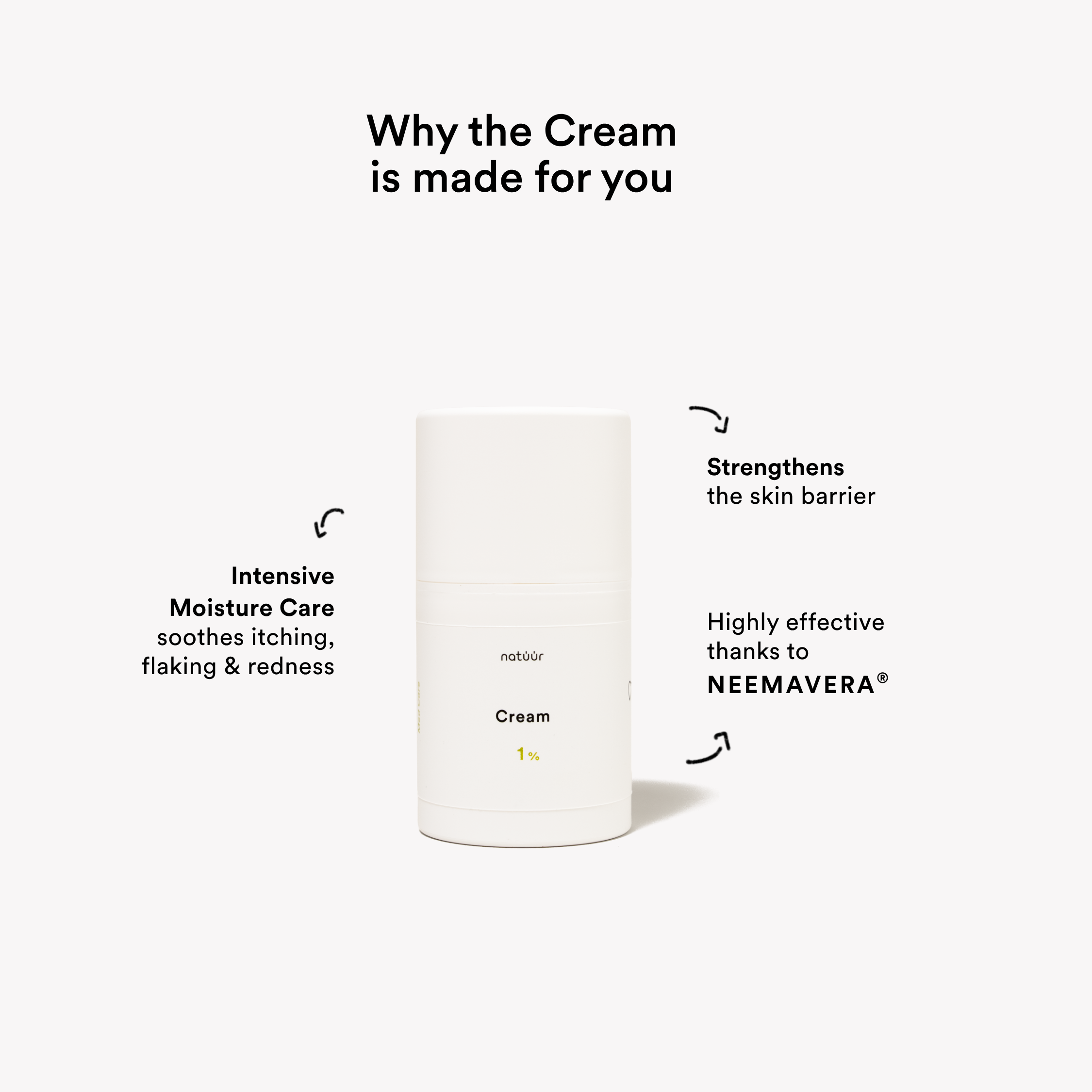
- Cream: light care for face and body, without fragrances
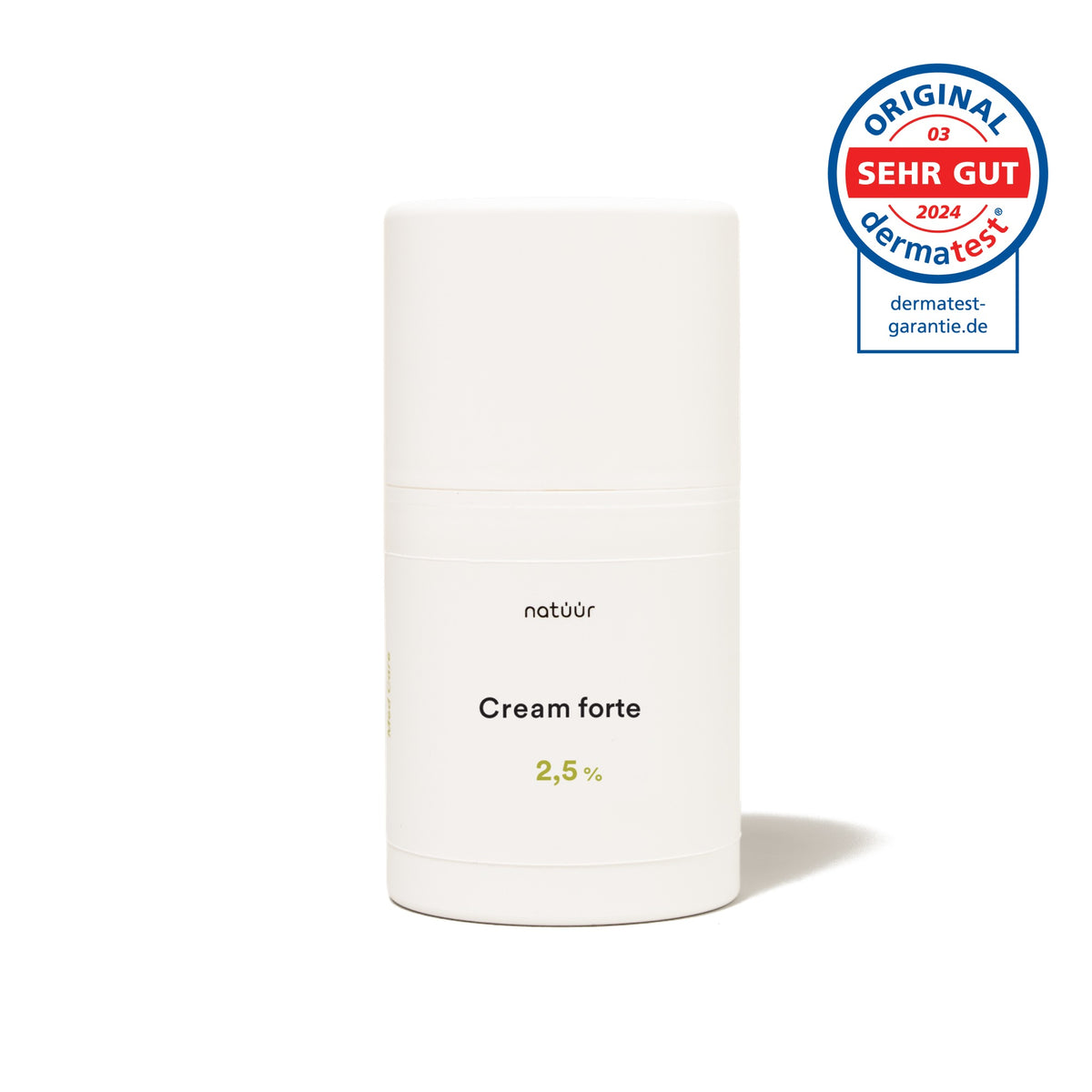
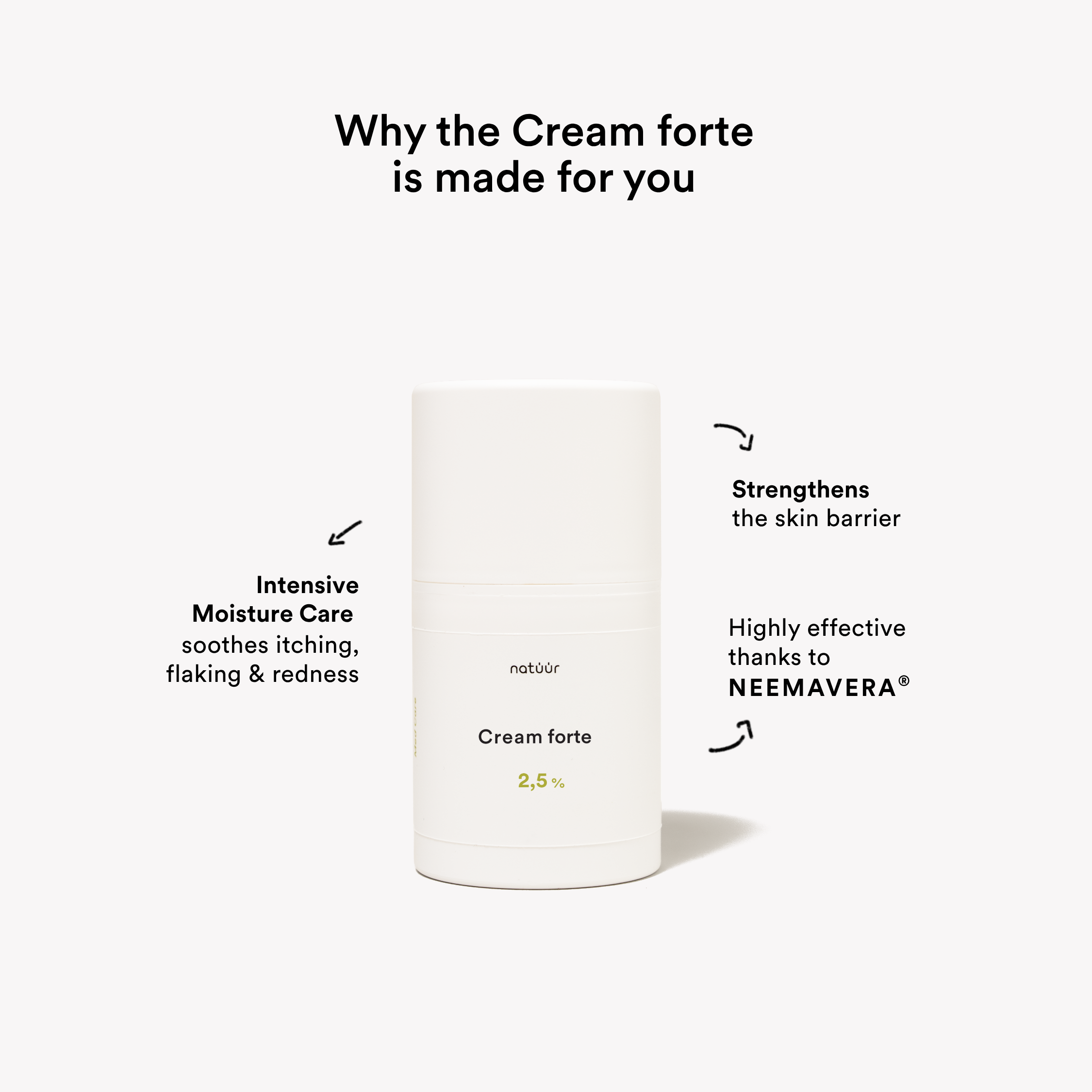
- Cream forte: rich care for very dry skin, without fragrances
- Body Lotion: light body care with aloe vera and hyaluronic acid; contains a subtle scent, so only if your skin tolerates perfume
Our product advisor shows you which skincare suits your skin in two minutes.
Frequently asked questions
How many products does a minimalist routine need?
Three are usually enough: a mild cleanser, suitable care and, during the day, a sunscreen. If needed, add one targeted product, for example a balm for very dry areas.
How can I tell if my skin is over-cared-for?
Typical signs are burning when applying products, redness, small spots and a feeling of tightness despite plenty of care. The skin often reacts more sensitively than before.
How long does it take for the skin to get used to less care?
Give it about four weeks. That's roughly how long it takes for the top layer of skin to renew itself and for you to see how it responds to the new routine.
Is skin fasting a good idea for atopic dermatitis?
Not really. A weakened skin barrier needs regular care. Instead of going without entirely, it's better to cut down to a few well-tolerated products.
Which ingredients belong in a minimalist skincare routine?
Moisture binders such as glycerin and panthenol, nourishing lipids such as plant oils or shea butter and, ideally, no fragrances. The shorter the ingredient list, the better.