






Damaged Skin Barrier: 5 Signs of Overly Aggressive Skincare
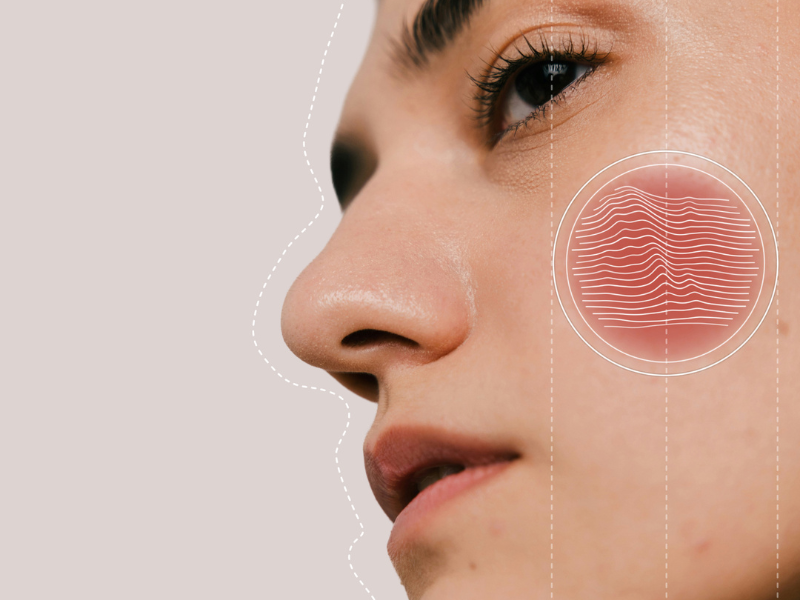
Does your skin feel irritated, dry or suddenly sensitive, even though you take good care of it? Then that might be exactly the problem: too many products or overly aggressive ingredients often do more harm than good – and disrupt the skin barrier. Here is how to recognise a damaged skin barrier and how to bring your skin back into balance.
The 5 most important signs:
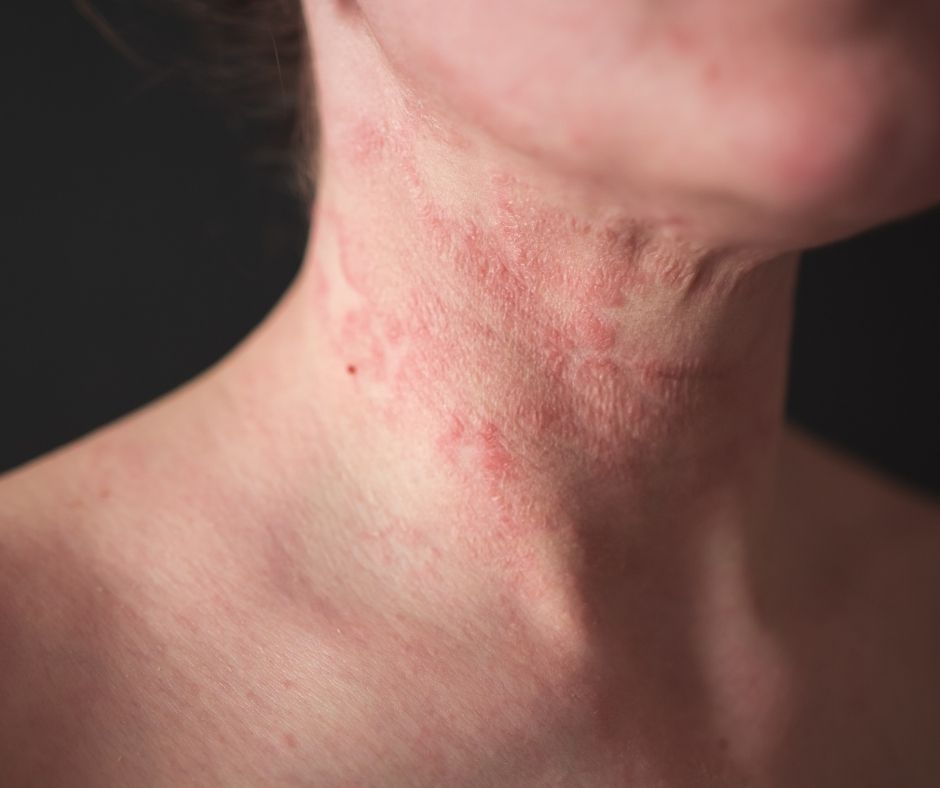
- Redness and irritation: often caused by strong active ingredients such as retinol or glycolic acid.
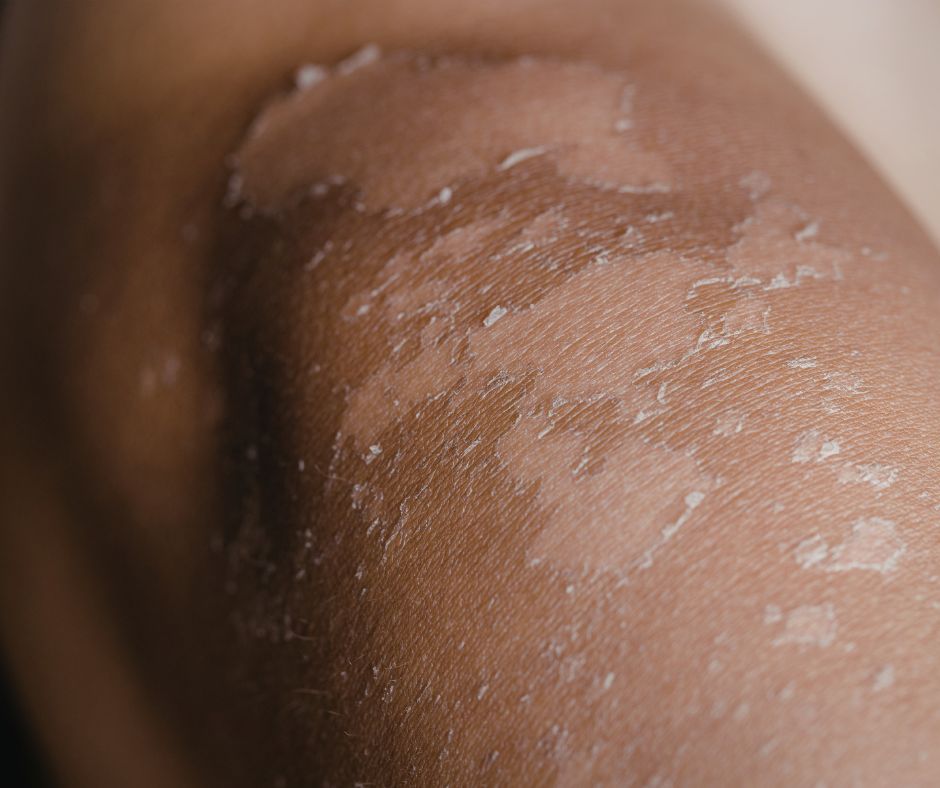
- Extreme dryness: a feeling of tightness and flaky skin, often caused by too much exfoliation or overly intensive cleansing.
- Increased sensitivity: your skin burns or suddenly reacts to products you have tolerated well until now.
- Unnatural shine: your skin looks waxy, tight and shiny or greasy, even though it feels dry.
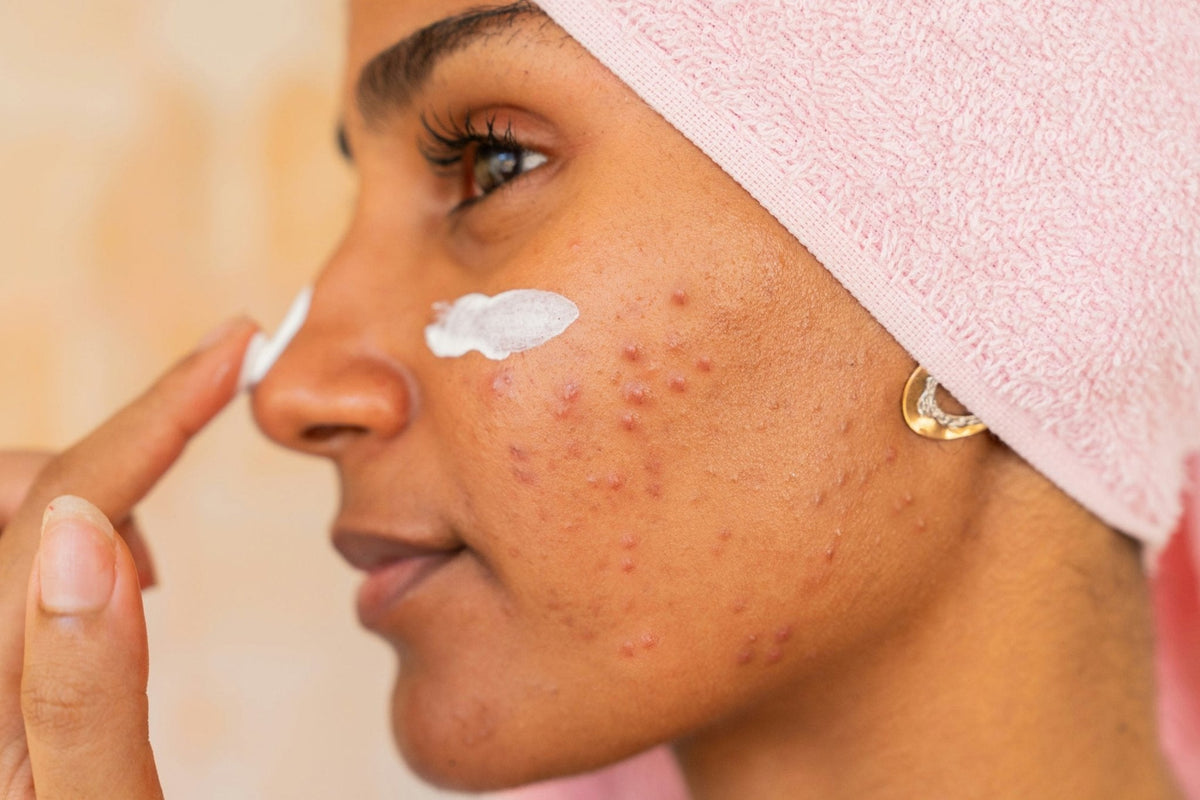
- Blemishes and spots: blackheads, spots and small inflammations, because your skin is overwhelmed.
Quick help: cut back your routine (fewer products, no aggressive active ingredients), use soothing care with ingredients such as neem or aloe vera, and limit exfoliation to once or twice a week at most. A gentle routine is the key – below you will find the right solution for each sign.
What is a damaged skin barrier?
The skin barrier is the outermost layer of your skin, the stratum corneum. You can picture it as a wall: the horny cells are the bricks, and between them lie fats such as ceramides, cholesterol and fatty acids as the mortar. This wall keeps moisture in the skin and irritants and germs out.
If the barrier is disrupted – people often also call it "damaged" or "broken" – the wall has gaps. The skin loses more water, irritants penetrate more easily, and the skin becomes irritated more quickly. Why this happens and what so-called transepidermal water loss has to do with it is explained in detail in Understanding a damaged skin barrier.
A common cause is overly aggressive or simply too much skincare. Here is how to tell:
1. Redness and irritation
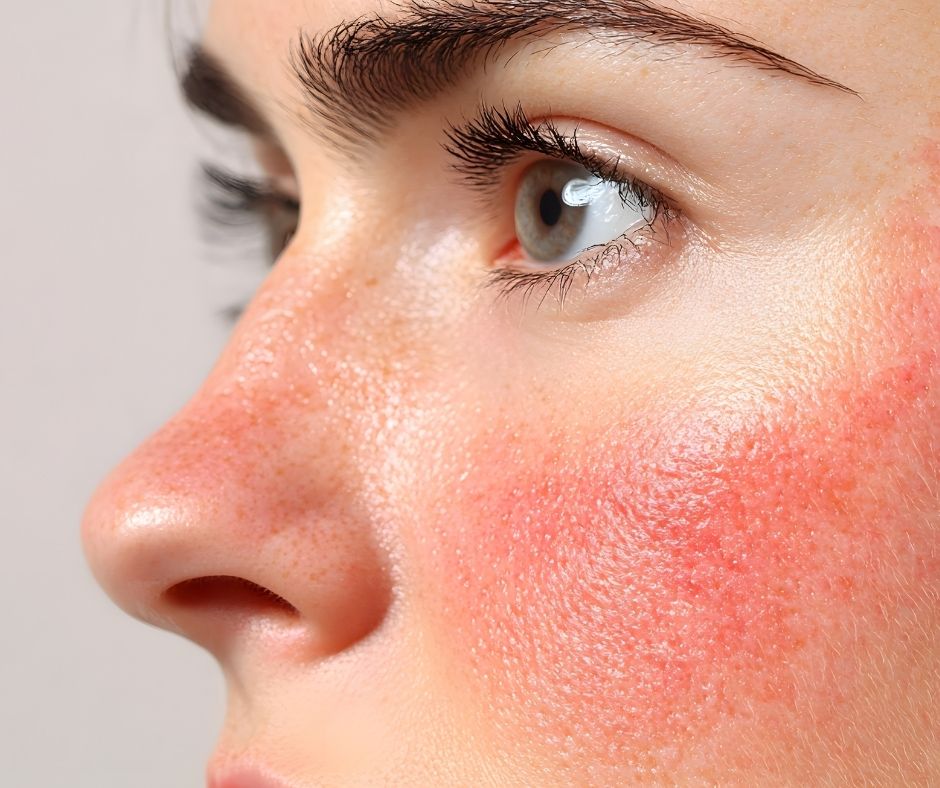
Redness and irritation are often the first signs that your skincare is too aggressive. The combination of strong active ingredients such as retinol and fruit acids (AHAs) such as glycolic acid in particular can put a lot of strain on the skin barrier. If itching, a feeling of tightness or slight swelling are added to this, take care.
| Cause | Effect | Recommendation |
|---|---|---|
| Exfoliating too often | Weakens the skin barrier | Once or twice a week at most |
| Strong active ingredients | Hypersensitivity | Choose gentler products |
| Too many products | Irritation from interactions | Reduce your routine to a few well-tolerated products |
Irritated skin needs rest above all. Temporarily stop using active ingredients and rely on mild, soothing care. Ingredients such as neem and aloe vera are well suited to calming the skin without putting additional strain on it.
One helpful approach is so-called skin fasting: you reduce your skincare to the bare essentials – a mild cleanser and a soothing moisturiser. This gives your skin the chance to regenerate by itself. With gentle care, acute redness often subsides after just a few days.
Important: if redness and irritation persist for longer, have them looked at by your dermatologist. Other skin conditions may also be behind them.
2. Extreme dryness
Does your skin feel tight, rough or flaky? That often points to a weakened skin barrier. Usually it is down to aggressive ingredients that are used every day without the skin getting enough moisture and lipids back.
| Symptom | Cause | Solution |
|---|---|---|
| Feeling of tightness | Overly intensive cleansing | Mild, skin-friendly products |
| Flaky patches | Too much exfoliation | Reduce exfoliation to once or twice a week |
| Rough skin texture | Damaged skin barrier | Rich, soothing care |
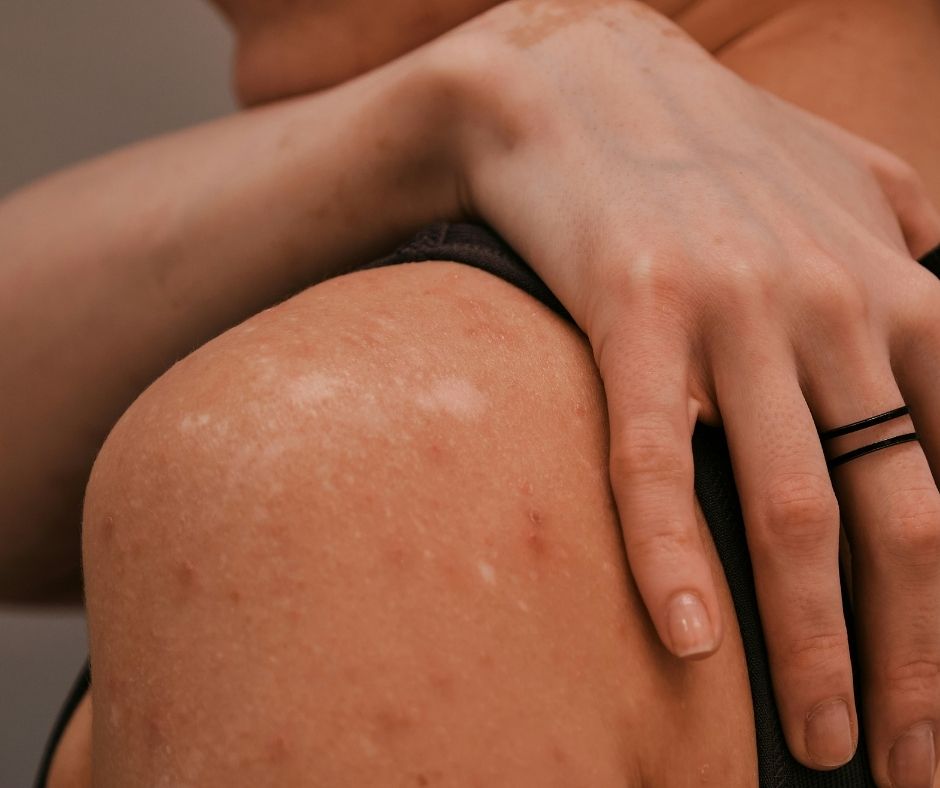
Rough, small bumps, especially on the upper arms, on the other hand often have a different cause: behind them is frequently keratosis pilaris (chicken skin), an inherited keratinisation disorder of the hair follicles.
Excessive skincare can damage the skin barrier and so lead to dryness and irritation. So change your routine if the dryness persists: rely on moisturising care that does not clog your pores, and during this time use only mild cleansing and gentle care. Nourishing plant oils and ingredients such as neem and aloe vera support the skin in this. You can read about which oils are particularly suitable in The 6 best plant oils for healthy skin.
Severely dried-out skin usually needs a few weeks to recover. And a weakened barrier makes the skin more sensitive to everything that comes from outside – the next sign.
3. Increased skin sensitivity
If your skin suddenly reacts to products you have tolerated without any problems until now, this can be a sign of an overstressed skin barrier.
| Symptom | Cause | Solution |
|---|---|---|
| Burning when applied | Weakened skin barrier | Pause active ingredients |
| Increased reactivity | Too many products at once | Reduce the number of products |
| Feeling of tightness | Damaged protective barrier | Use soothing care |
| Redness after cleansing | Too much exfoliation | Limit exfoliation to once or twice a week |
Too many products or frequently switching products put a strain on the skin. Using several highly potent active ingredients such as retinol and fruit acids at the same time is particularly problematic.
Simplify your routine and rely on mild, soothing products. Neem is a good choice because it soothes the skin and supports its barrier. It is best to test new products one at a time and at least a week apart. That way you will immediately see what your skin does not tolerate.
Regenerating the skin barrier takes time – depending on your skin type, anywhere from a few weeks to months. During this time, also look out for changes such as an unnatural shine.
4. Unnatural shine
Another sign is a shine that does not look healthy: the skin looks waxy, tight and shiny or greasy instead of having a natural, fresh glow.
| Cause | Appearance | Trigger |
|---|---|---|
| Too much exfoliation and a damaged barrier | Shiny, irritated skin with an oily film | Frequent exfoliation, aggressive cleansing |
| Too many products at once | Uneven shine | Too many active ingredients |
| Wrong choice of products | Greasy shine despite dry skin | Unsuitable ingredients |
The combination of frequent exfoliation and products containing glycolic acid or retinol is particularly critical. If the skin is constantly stripped of its oils and irritated, it can react by producing more sebum – and look greasy and shiny even though it is actually dry.
Here, too, a simplified routine helps. Avoid cleansing products with sulphates. Ingredients such as neem or aloe vera can soothe the skin and support its regeneration. In addition:
- Use non-comedogenic products: they do not clog the pores and lower the risk of blemishes.
- Adapt your skincare to your skin type: give your skin enough time to recover between treatments.
If the shine persists despite an adjusted routine, get advice from a dermatologist to rule out other causes. Such a shine is often the first indication of blemishes.
5. Blemishes and spots
Spots, blackheads and small inflammations can also be a consequence of overstressed skin – especially if you overlook early warning signs such as dryness or shine.
| Appearance | Cause | Possible solution |
|---|---|---|
| Spots and blackheads | Exfoliating too often, increased sebum production | Gentle cleansing, non-comedogenic products |
| Small inflammations | Ingredients that do not agree with the skin | Products with neem, simplified skincare routine |
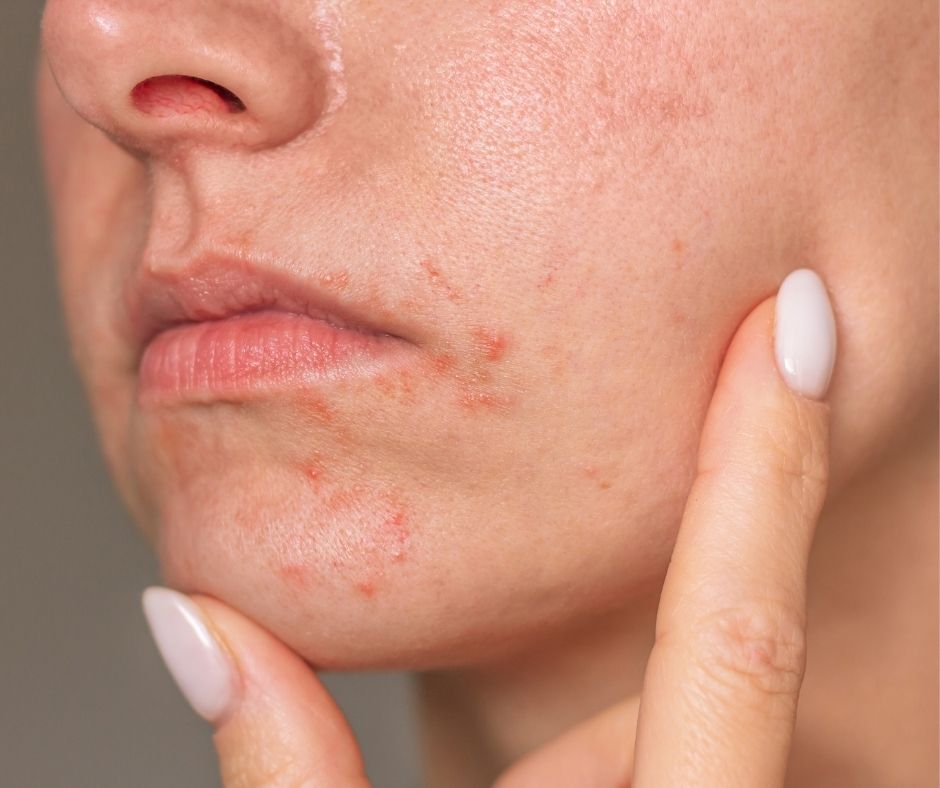
| Red bumps around the mouth | Too many or overly rich creams | Consider perioral dermatitis, stop using skincare |
These problems often arise when several aggressive products are used at the same time. Small inflammations that are barely visible at first then show up as redness and blemishes – a sign that the skin is overwhelmed.
Cut back on aggressive ingredients and rely on a simple routine with mild products. Neem can help here: neem leaf extract has anti-inflammatory and antioxidant effects and has also shown antibacterial properties in laboratory studies. Limit exfoliation to once or twice a week and give your skin time to recover.
Special case "too much cream": small red bumps and little spots around the mouth, nose or eyes that get worse with every new cream can point to perioral dermatitis. Paradoxically, what helps most here is leaving things out. You can read what so-called zero therapy is and when you should have it checked by a doctor in the linked article.
Rebuilding the skin barrier: here's how
The good news: your skin can repair its barrier by itself if you let it. The top layer of the skin renews itself roughly every four weeks. Here is how you can support it:
- Reduce: stop using exfoliants, retinol, acids and other highly potent products for a few weeks.
- Cleanse gently: lukewarm water, a gentle, skin-neutral pH cleanser without sulphates and fragrances, then pat dry instead of rubbing.
- Give back moisture and lipids: care with ingredients such as glycerin, panthenol, ceramides and plant oils, ideally applied to skin that is still slightly damp.
- Soothe: soothing active ingredients such as neem or aloe vera help irritated skin.
- Protect: sun protection during the day, because stressed skin is more sensitive to UV light.
- Be patient: only reintroduce active ingredients once your skin has calmed down – one at a time and slowly.
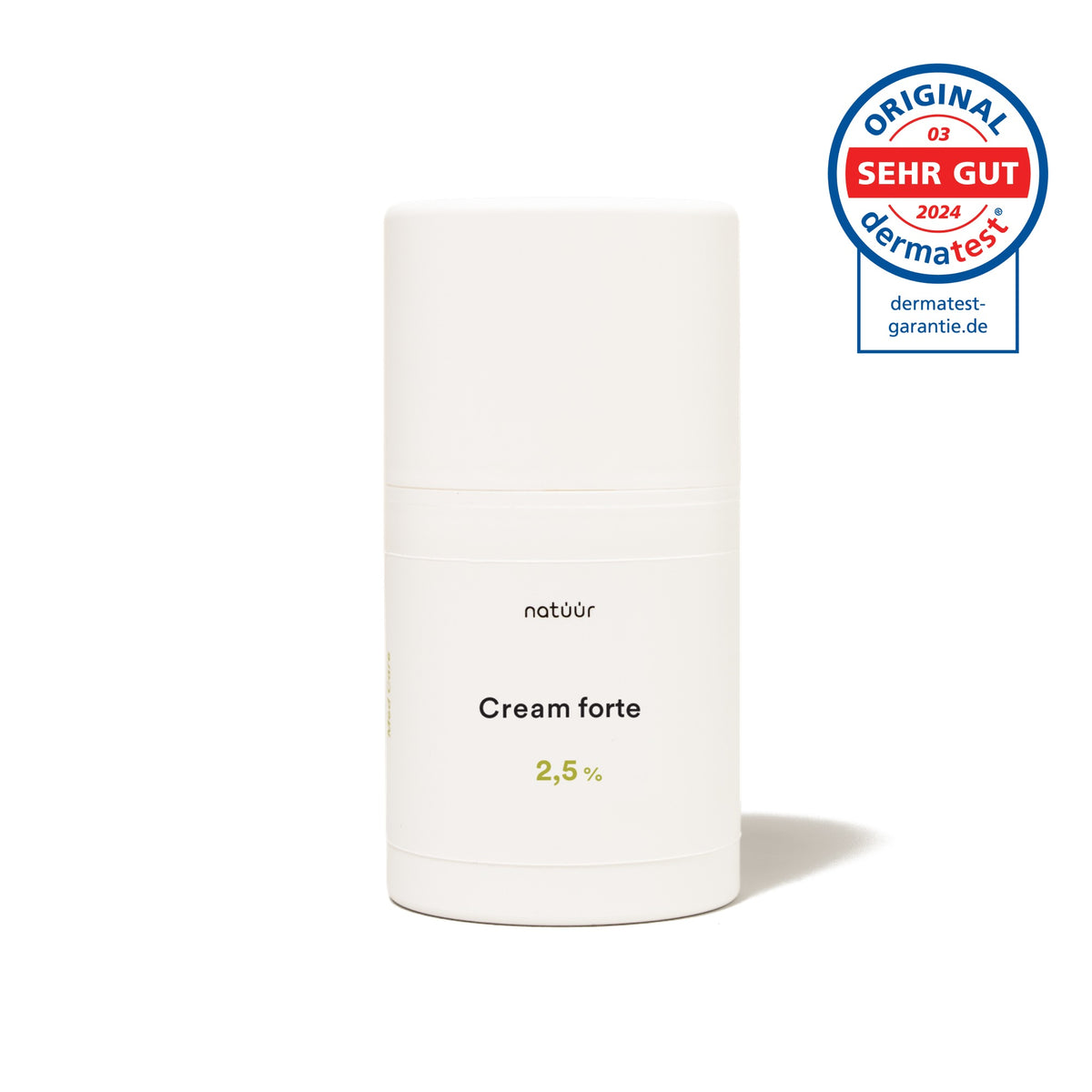
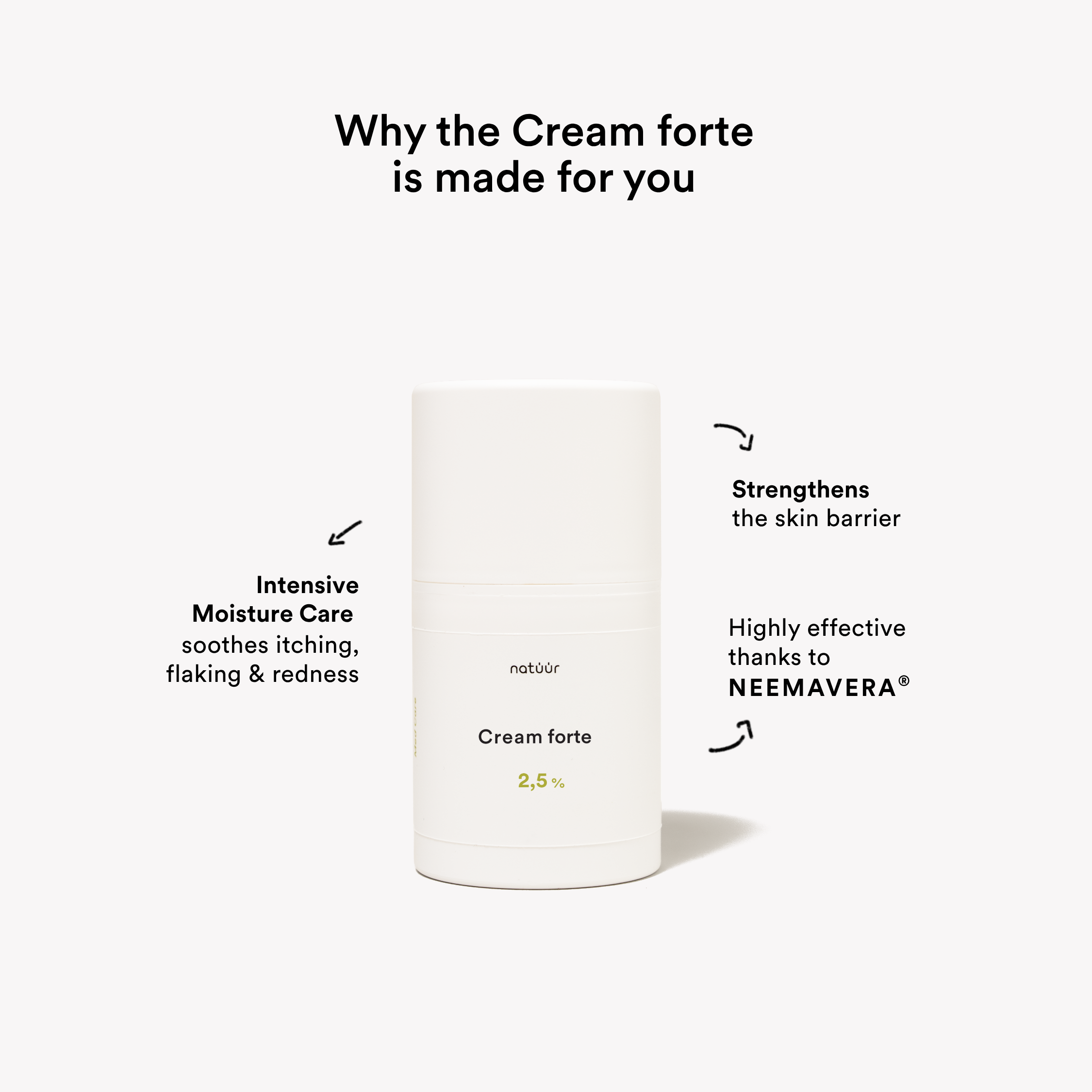
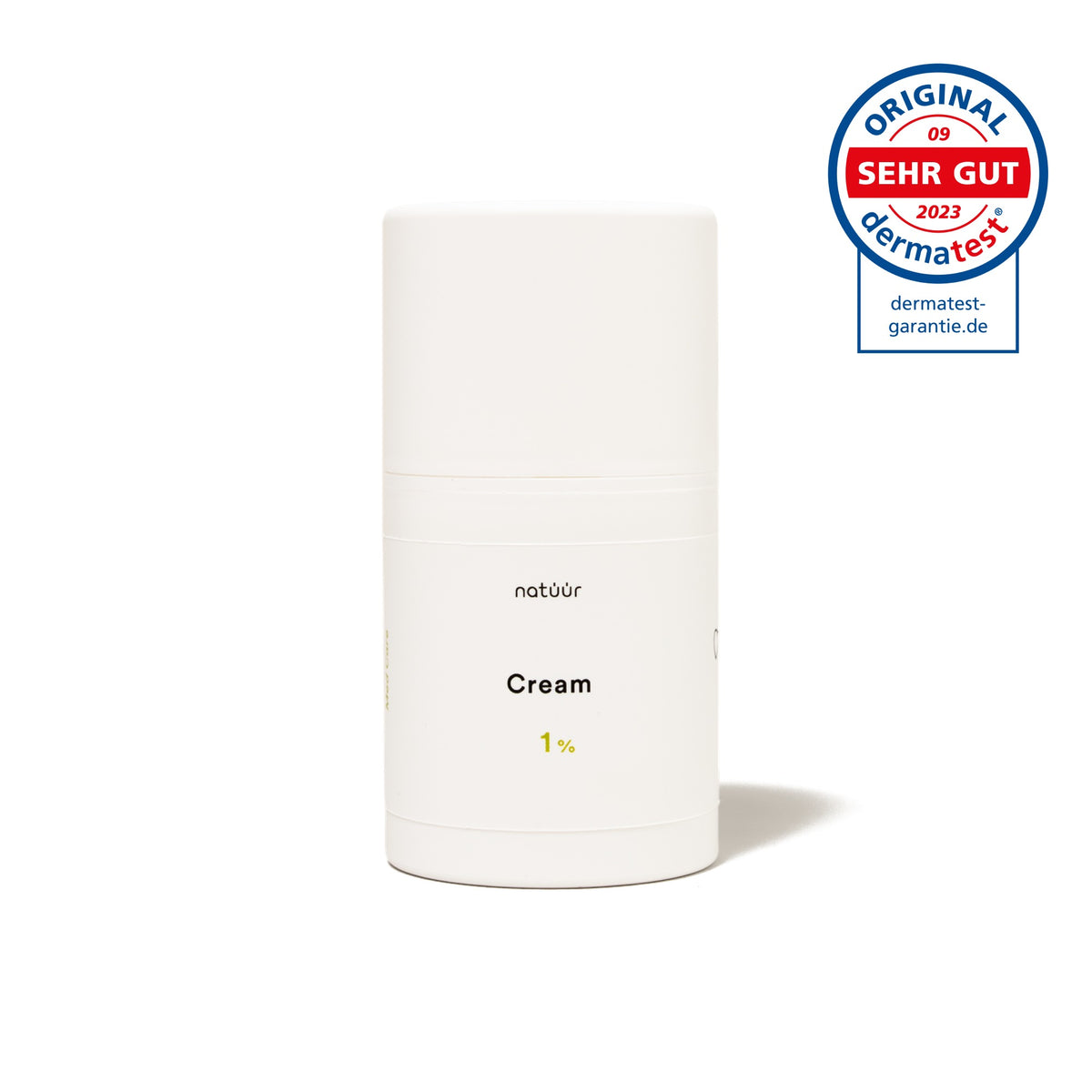
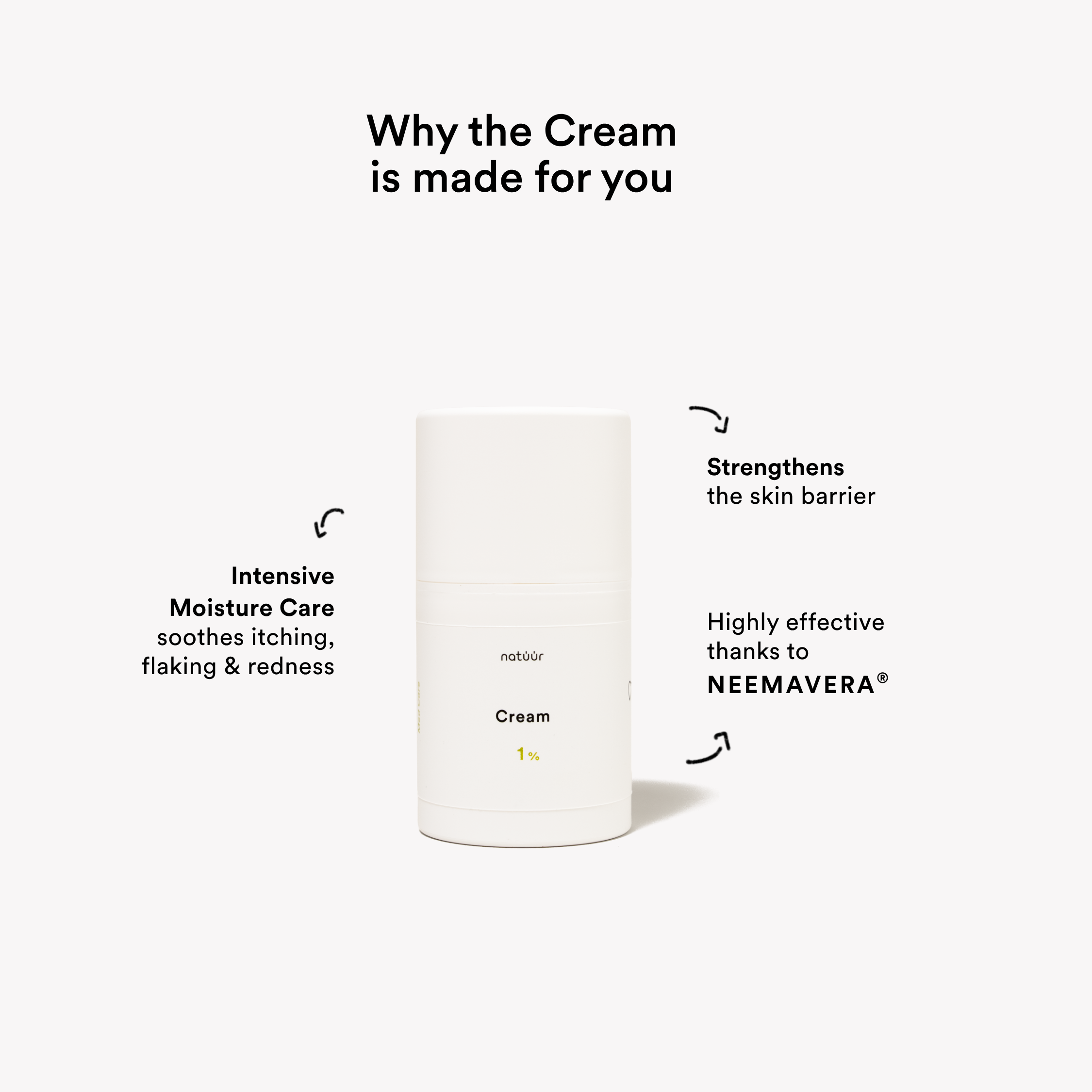
Our light Cream is made for exactly these phases: it contains glycerin, panthenol, aloe vera and plant oils as well as our neem leaf extract NEEMAVERA®, is free from fragrances and was rated "SEHR GUT" (very good) by Dermatest. What exactly neem is, we explain in What is neem?. The pH value of your skin also plays an important role for the barrier.
Conclusion
Redness, dryness, sensitivity, unnatural shine and blemishes clearly show you when your skin is over-irritated and its barrier is disrupted.
| Area | Recommendation | Benefit |
|---|---|---|
| Choice of products | Mild, natural ingredients | Supports the skin barrier |
| Routine | Less is more | Reduces irritation |
| Regeneration | Care with neem | Has a soothing and anti-inflammatory effect |
A simple routine with gentle products helps your skin stay healthy. After all, a damaged skin barrier increases the risk of irritation and allergic reactions. Fewer products not only mean less stress for the skin, they are also more environmentally friendly. Dermatologically tested neem skincare fits well into a reduced routine. Listen to your skin's signals and give it time to recover.
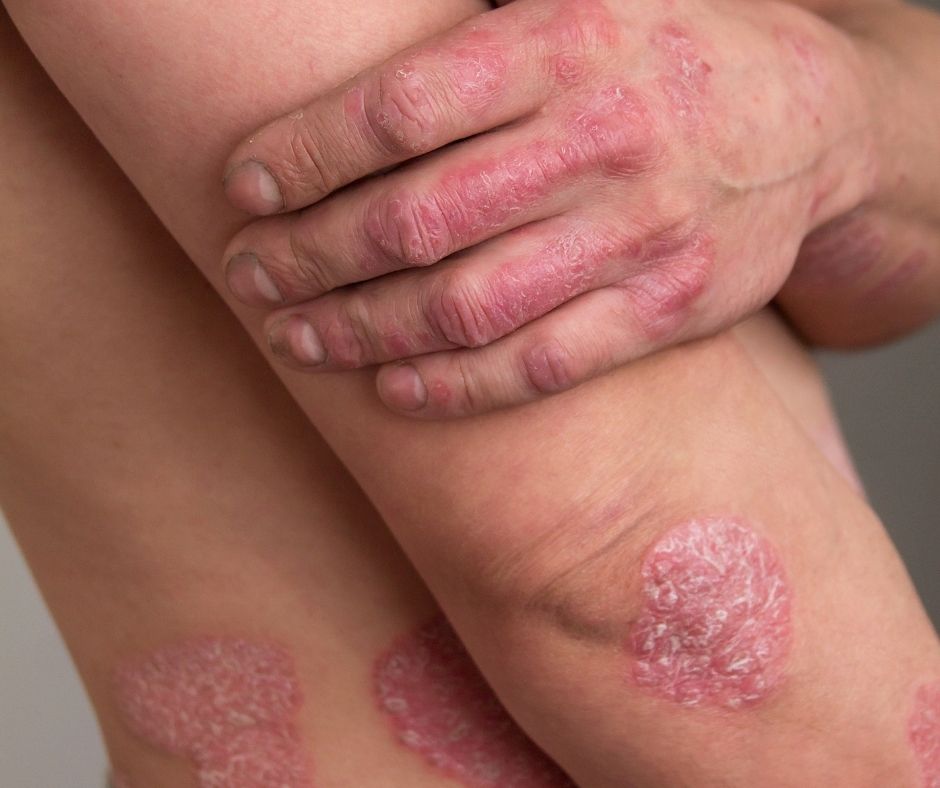
You can find more triggers for sensitive skin in Sensitive skin: 10 triggers, and natural approaches to psoriasis in 7 natural remedies for psoriasis.
Frequently asked questions
How can I tell if my skin barrier is damaged?
Typical symptoms are redness, a feeling of tightness, dryness and flaking, burning when applying products, an unnatural shine and more blemishes. Often the skin suddenly reacts to products it previously tolerated well.
How long does it take for the skin barrier to recover?
With gentle care, acute irritation often subsides after a few days. It usually takes a few weeks for the barrier to recover completely, and with severely disrupted skin it can take months.
How can I calm over-irritated skin after an overly aggressive peel?
Stop using foaming cleansers, retinol and further exfoliants immediately. For the first one to two weeks, care for your skin only with mild cleansing and a soothing moisturiser, for example with neem or aloe vera. Your skin usually calms down within a few days to a week. After that, introduce new products slowly and one at a time.
Can too much skincare cause spots?
Yes. Too many or overly rich products, frequent exfoliation and ingredients that do not agree with the skin can encourage blemishes. Small red bumps around the mouth can also point to perioral dermatitis, where leaving things out helps most of all.