










Organic Skincare vs. Conventional Products: A Comparison
Organic skincare or conventional products? The choice depends on ingredients, skin tolerance, and environmental aspects. Organic products rely on natural extracts like neem, avoid synthetic additives, and impress with eco-friendly packaging. Conventional products, on the other hand, often offer short-term effects but are less sustainable and can cause skin irritation.
Quick Overview:
- Ingredients: Organic products use plant-based oils, no parabens or artificial fragrances. Conventional products often contain synthetic chemicals.
- Skin Tolerance: Organic products are gentler, ideal for sensitive skin. Conventional products carry a higher risk of irritation.
- Environment: Organic skincare is biodegradable and resource-efficient, while conventional products often create more waste.
Quick Comparison:
| Criterion | Organic Skincare | Conventional Products |
|---|---|---|
| Ingredients | Natural extracts (e.g., neem), essential oils | Synthetic chemicals, artificial additives |
| Skin Tolerance | Fewer irritations, suitable for sensitive skin | Higher risk of allergies, possible irritations |
| Environmental Impact | Biodegradable, eco-friendly packaging | Non-biodegradable, high packaging waste |
| Certification | Strict organic guidelines, transparent production | Less strict controls, limited transparency |
| Efficacy | Long-term improvement, lasting results | Short-term effects, focus on symptoms |
Conclusion: Organic skincare is the better choice for sensitive skin and the environment. Conventional products score with lower costs, but can have long-term disadvantages. Read on to find out more!
Natural Cosmetics vs. Conventional Cosmetics
Differences between Organic Skincare and Conventional Products
Having explored the growing popularity of organic skincare, let's take a closer look at the main differences from conventional products.
Ingredients: Natural vs. Synthetic
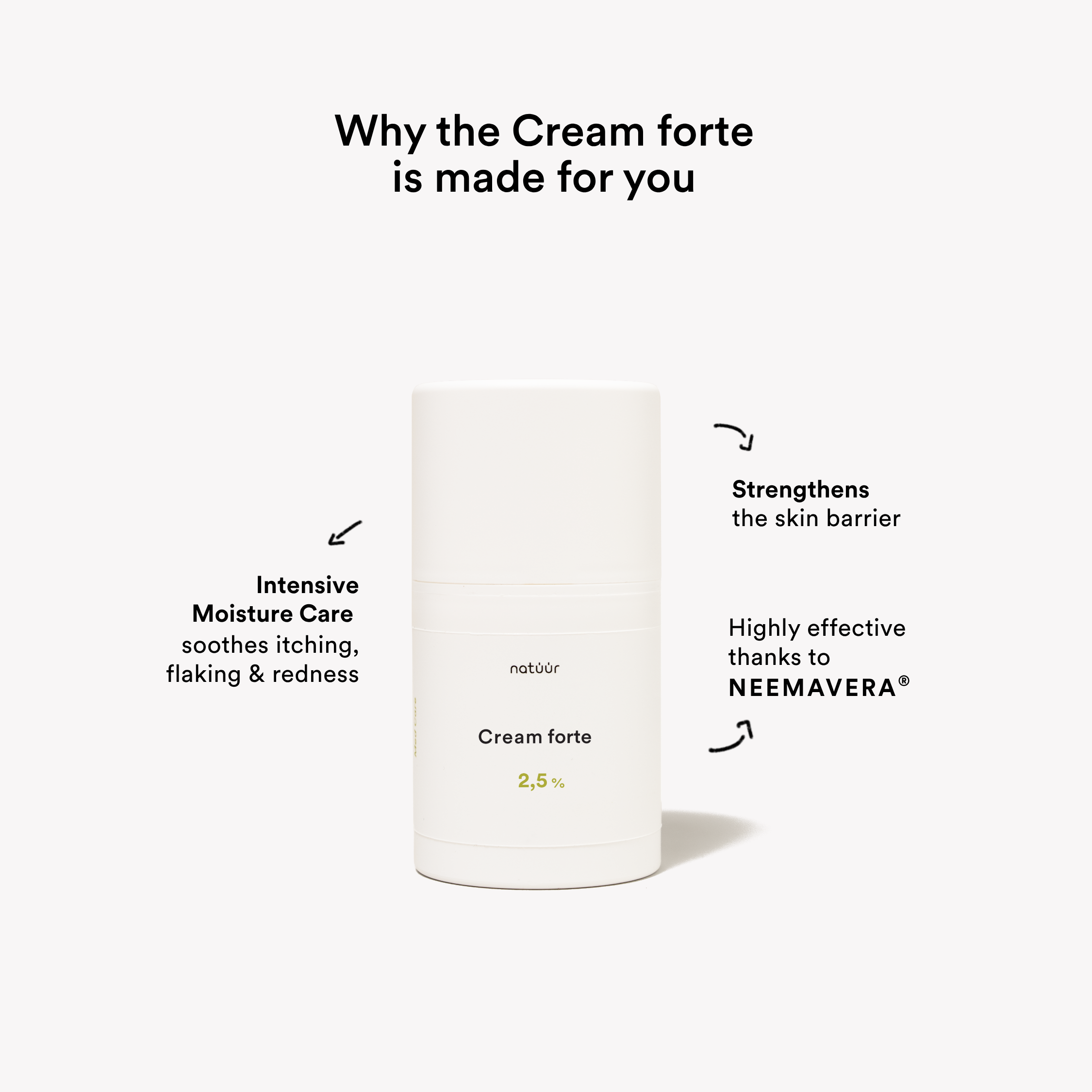
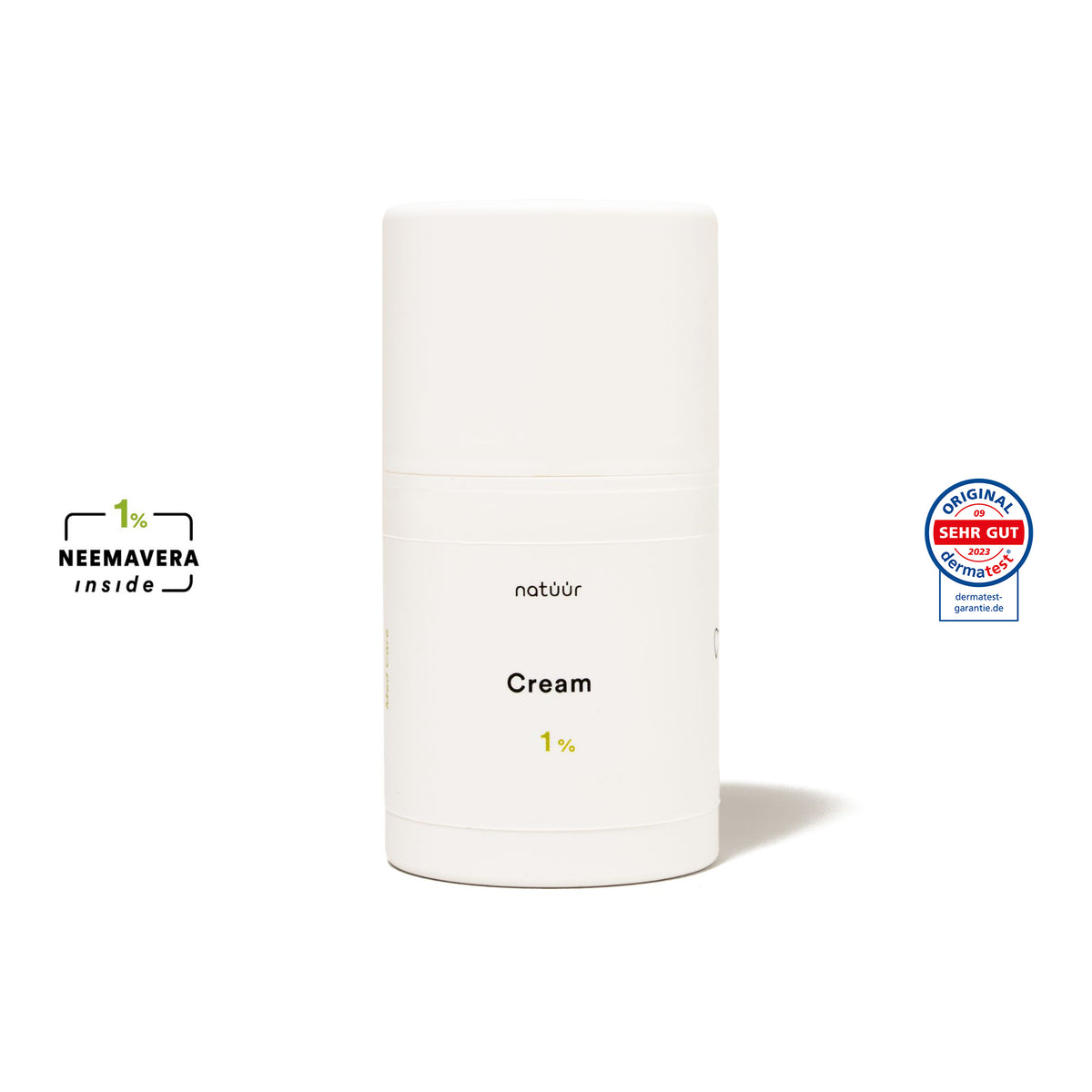
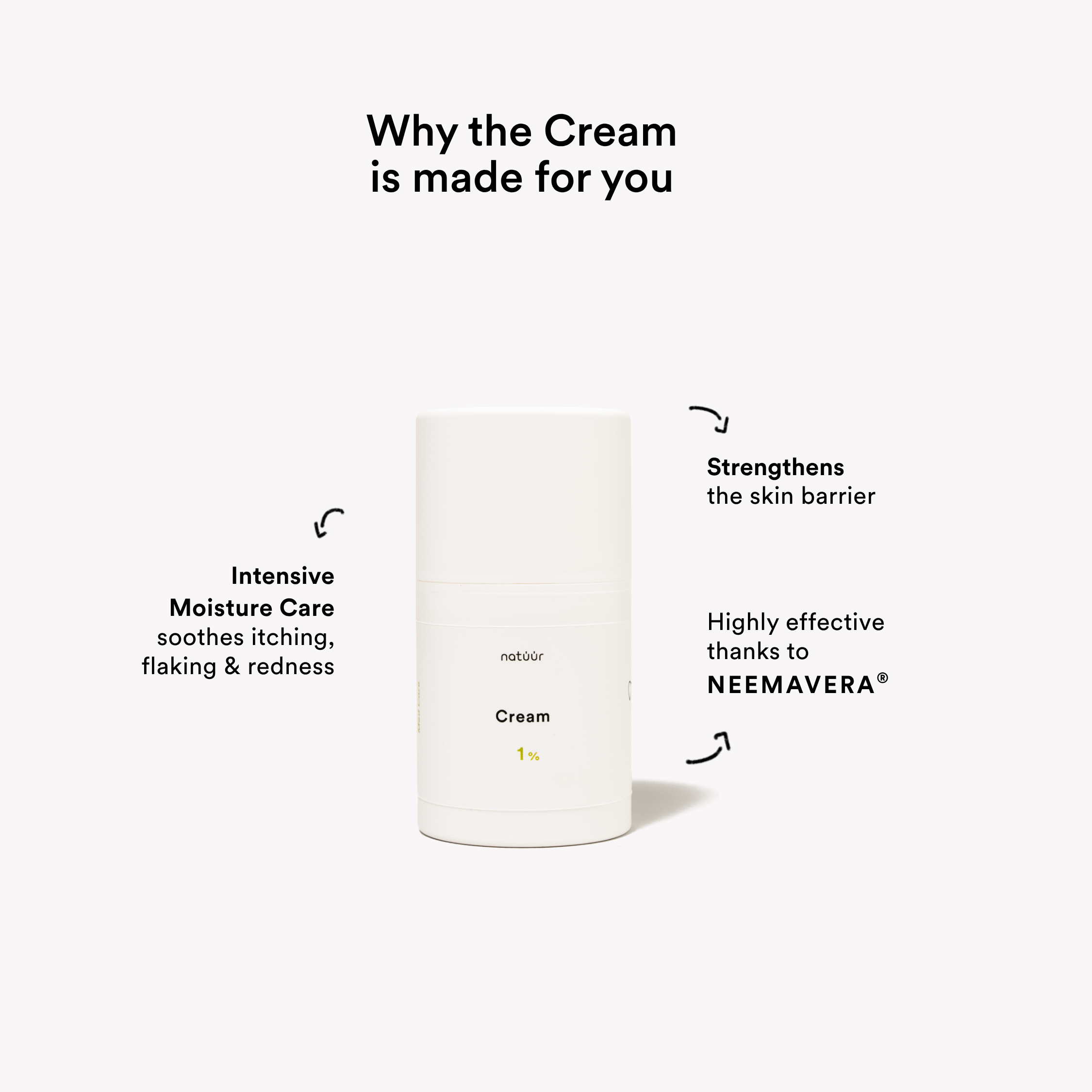
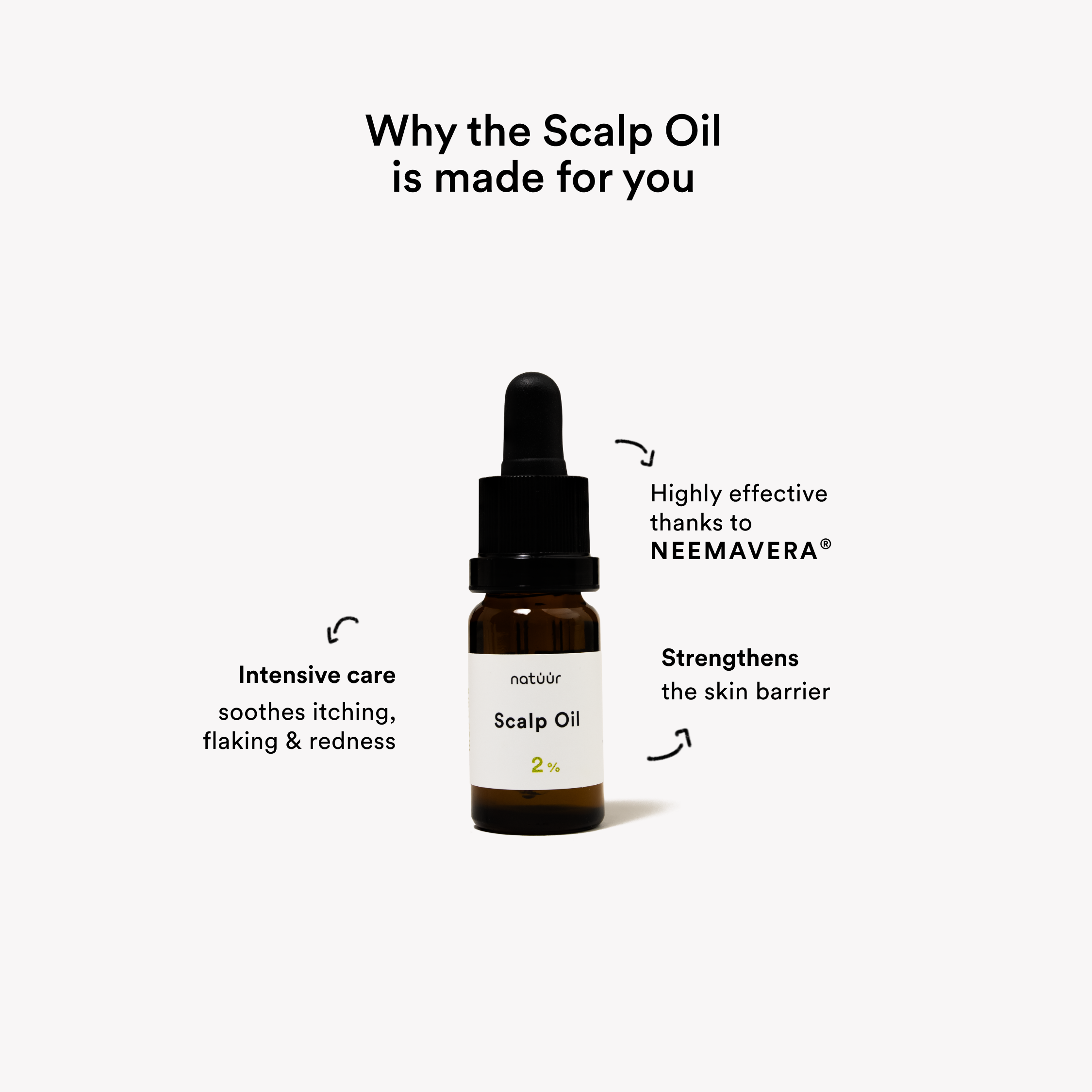
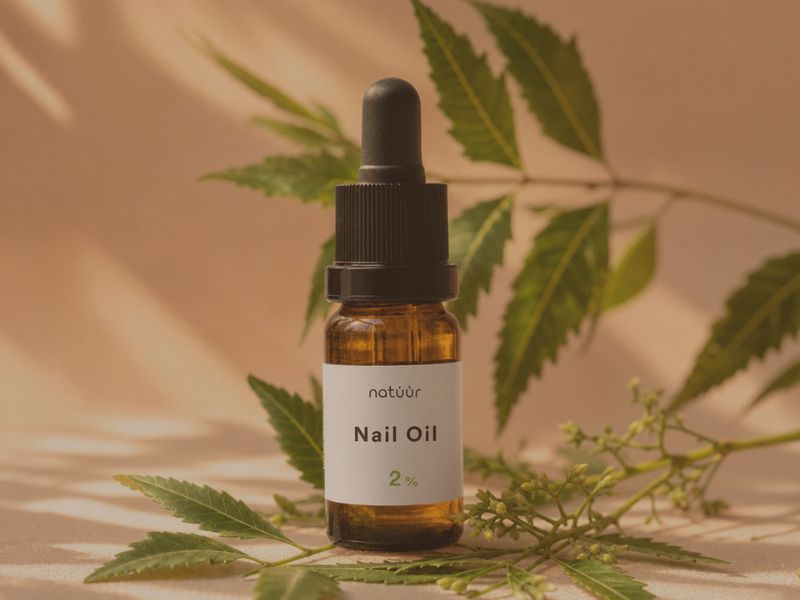
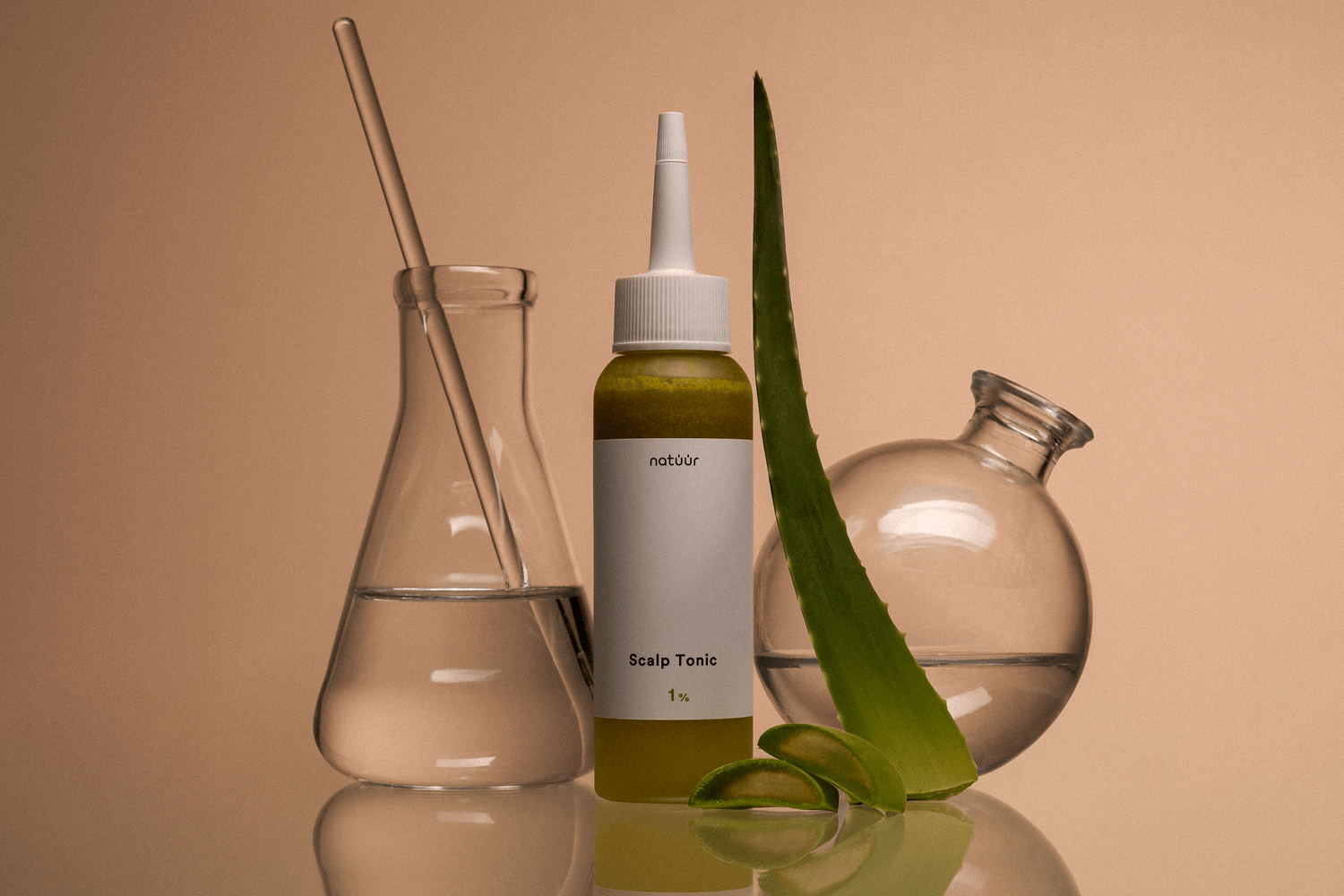
Organic skincare uses natural ingredients like neem, which are often gentler on the skin than synthetic alternatives. For example, the Munich-based family company natüür uses neem as its main ingredient and deliberately avoids parabens, silicones, and artificial colorings.
| Aspect | Organic Skincare | Conventional Products |
|---|---|---|
| Basis | Plant-based oils and extracts | Synthetic chemicals |
| Preservation | Natural preservatives | Parabens |
| Fragrances | Essential oils | Artificial perfumes |
| Coloring | Natural pigments | Synthetic colorants |
Efficacy for Skin Problems
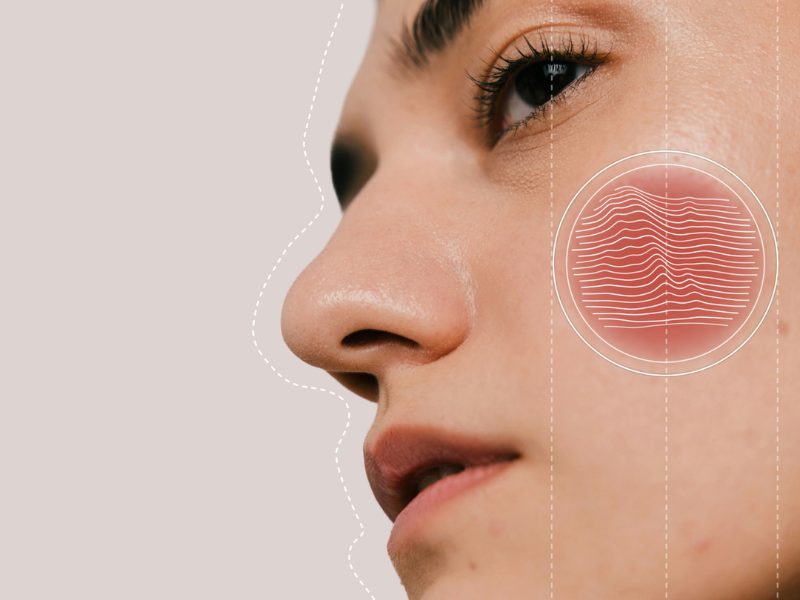
Neem, a typical active ingredient in organic skincare, is known to alleviate skin problems such as psoriasis and eczema. Studies show that natural ingredients are less likely to cause skin irritation and can be more effective for certain skin conditions [1] [6].
Environmental Impact
Organic skincare emphasizes eco-friendly packaging, ethically sourced raw materials, and resource-efficient production. Strict EU guidelines for organic certifications promote these approaches [3].
Although organic products are often more expensive, they offer long-term benefits: less skin irritation and a lower environmental impact. Certifications such as the BDIH seal provide consumers with guidance in selecting trustworthy organic products [4].
The differences in ingredients, skin tolerance, and environmental aspects clearly show why many consumers opt for organic skincare.
Advantages of Organic Skincare
Health and Skin Tolerance
Organic skincare is known for its gentle effect on the skin. By avoiding synthetic additives, the risk of skin irritation and allergic reactions is significantly reduced. Neem, a common main active ingredient, impresses with its anti-inflammatory and skin-soothing properties.
Products that have been dermatologically tested are particularly suitable for sensitive skin and offer a gentle alternative to conventional care products. In addition to their immediate tolerance, organic skincare also offers long-term benefits for the skin.
Long-term Skin Health
Organic skincare supports the skin's natural processes without burdening it with aggressive ingredients. Plant-based oils and herbal extracts supply the skin with nutrients, strengthen the skin barrier, and regulate moisture balance. These products promote skin regeneration and can slow down the aging process [3].
Ethical Production
The production of organic skincare products is based on clear ethical standards:
- Use of sustainable raw materials and eco-friendly packaging
- Ensuring fair working conditions along the entire production chain
- Careful use of natural resources
Certified organic cosmetics not only guarantee natural ingredients but also compliance with high environmental and social standards. These principles contribute to making organic skincare a responsible choice not only for the skin but also for the environment and society. The next section will look more closely at the practical benefits.
sbb-itb-ba17a98
Comparison Table: Organic Skincare vs. Conventional Products
The table below shows the most important differences between organic skincare and conventional products – based on scientific findings and practical experience.
| Criterion | Organic Skincare | Conventional Products |
|---|---|---|
| Ingredients | • Natural extracts (e.g., neem) • Essential oils |
• Synthetic chemicals • Artificial additives |
| Skin Tolerance | • Fewer irritations • Suitable for sensitive skin |
• Higher risk of allergies • Possible irritations |
| Environmental Impact | • Biodegradable • Eco-friendly packaging |
• Non-biodegradable • High packaging waste |
| Certification | • Strict organic guidelines • Transparent production |
• Less strict controls • Limited transparency |
| Efficacy for Skin Problems | • Long-term improvement • Lasting results |
• Short-term effects • Focus on symptom treatment |
Organic skincare stands out due to natural ingredients and gentle effects. Studies show that it delivers positive results for skin problems [2]. The eco-friendly production and biodegradable materials also make it a better choice for the environment [4].
This overview clearly shows the advantages of organic skincare and makes the decision easier.
Conclusion: The Right Skincare for You and the Environment
Key Points at a Glance
The decision between organic and conventional skincare extends far beyond personal preferences. Natural ingredients like neem can be particularly helpful for skin problems such as psoriasis and eczema [1][6]. This shows how crucial conscious decisions can be when it comes to skincare.
The comparison table highlights that organic skincare offers advantages in terms of ingredients and environmental friendliness. Certified products combine scientific demands with environmentally friendly approaches and meet strict quality requirements.
What You Should Pay Attention To
When choosing your skincare, these three aspects play an important role:
- Certifications: Look for seals such as BDIH or EcoCert, which stand for tested standards [4].
- Packaging: Choose products with eco-friendly or biodegradable packaging to reduce environmental impact [2].
- Long-term benefits: Organic skincare can be a good long-term investment due to chemical-free formulas and sustainable results.
"The use of natural and biodegradable ingredients in organic skincare products can significantly reduce plastic waste and chemical pollution" [5].
The trend towards natural skincare shows that more and more people value health and sustainability [3][5]. By choosing organic skincare, you are doing something good not only for your skin but also for the environment.
FAQs
Does neem have side effects on the skin?
Neem is generally considered safe for skincare, but in rare cases, it can cause allergic reactions, especially in sensitive skin [1]. It is important to observe some basic precautions to avoid potential problems:
Tips for safe use:
- Perform a skin compatibility test before the first application.
- Start with small amounts to observe your skin's reaction.
Some brands, such as Natüür, offer neem products that have been developed under dermatological testing. These products are specially designed for sensitive skin, contain no parabens or artificial fragrances, and are produced under controlled conditions.
If you suffer from skin conditions or are taking medication, you should consult a dermatologist before using neem products. Neem can be a natural alternative to synthetic ingredients, but requires careful application.
With the right approach, you can harness the positive properties of neem to specifically treat skin problems.