










Study: Impact of Chemical Cosmetics on the Environment
Chemical cosmetics harm the environment. Ingredients like parabens, silicones, and artificial dyes enter waterways via wastewater, accumulate in ecosystems, and endanger marine organisms. Natural alternatives, such as the neem extract NEEMAVERA, offer solutions: biodegradable, sustainable, and skin-friendly. Consumers can help reduce environmental impact through conscious choices.
Main Problems with Chemical Cosmetics:
- Parabens: Hormonal disruptions in aquatic organisms.
- Silicones: Not biodegradable, accumulation in waterways.
- Artificial Dyes: Water pollution and toxicity.
Solutions:
- Natural Ingredients: Biodegradable, without harmful additives.
- Sustainable Packaging: Glass, paper, or recycled plastics.
Switching to natural products protects ecosystems and promotes a sustainable future.
[Doku] Toxic Cosmetics - Chemicals that get under the skin
Common Pollutants in Chemical Cosmetics
The cosmetics industry uses numerous chemical substances that not only pollute the environment but also enter waterways and ecosystems through daily use. The following will examine the types of these pollutants and their effects on the environment in more detail.
Types of Chemical Pollutants
Some of the most commonly used and problematic substances in conventional cosmetics are:
| Pollutant | Purpose | Environmental Impact |
|---|---|---|
| Parabens | Preservatives | Can cause hormonal disruptions in aquatic organisms |
| Silicones | Provides smoothness and shine | Not biodegradable, accumulate in waterways |
| Artificial Dyes | Optical enhancement | Lead to water pollution and are often toxic to aquatic life |
These substances are difficult to break down and can accumulate in waters and organisms over time. This poses significant risks to the environment and food chains.
Measurable Environmental Impacts
Studies show that these pollutants are detectable in environmental samples. Their accumulation affects not only water quality but also food chains. For example, hormonally active substances such as parabens can disturb the balance of ecosystems.
Natural ingredients, which are biodegradable and free of synthetic additives, offer a promising alternative. Plant-based active ingredients, such as NEEMAVERA extract, have already proven their worth in skincare and offer ecological advantages. Such approaches highlight the need to switch to more environmentally friendly cosmetic products.
Effects on Aquatic Systems
Chemical pollutants and their general effects on the environment are known. But how do they specifically affect our waters? Cosmetic residues, in particular, enter rivers, lakes, and oceans via wastewater. This problem varies regionally but is being intensively investigated.
Damage to Marine Fauna
Studies show that substances such as UV filters, microplastics, and certain preservatives influence the behavior and health of marine organisms. They can cause hormonal disruptions and impair important functions. Such effects impact not only individual animals but also entire species and habitats.
Changes in Marine Ecosystems
Non-degradable substances accumulate in food chains over time. This leads to permanent changes in ecosystems, such as a shift in biodiversity and disrupted food webs.
By using natural and biodegradable ingredients, this pollution could be significantly reduced. This would be an important step to protect marine habitats.
sbb-itb-ba17a98
Health Concerns
Current studies have not yet been able to prove a direct link between chemical cosmetics and health damage. However, in-depth investigations are lacking regarding how these substances accumulate in food chains or could potentially cause hormonal disruptions. There is a clear need for further research to better understand possible long-term health effects.
Interestingly, environmental pollution by chemical cosmetic products is significantly more visible than their direct health risks. While the environmental impact is well documented, the influence on human health has so far been insufficiently researched.
Natural and Environmentally Friendly Solutions
To address the ecological problems of chemical cosmetics, many are turning to plant-based alternatives. Studies show that such ingredients not only place less burden on the environment but can also offer effective skin care.
Plant-Based Ingredients
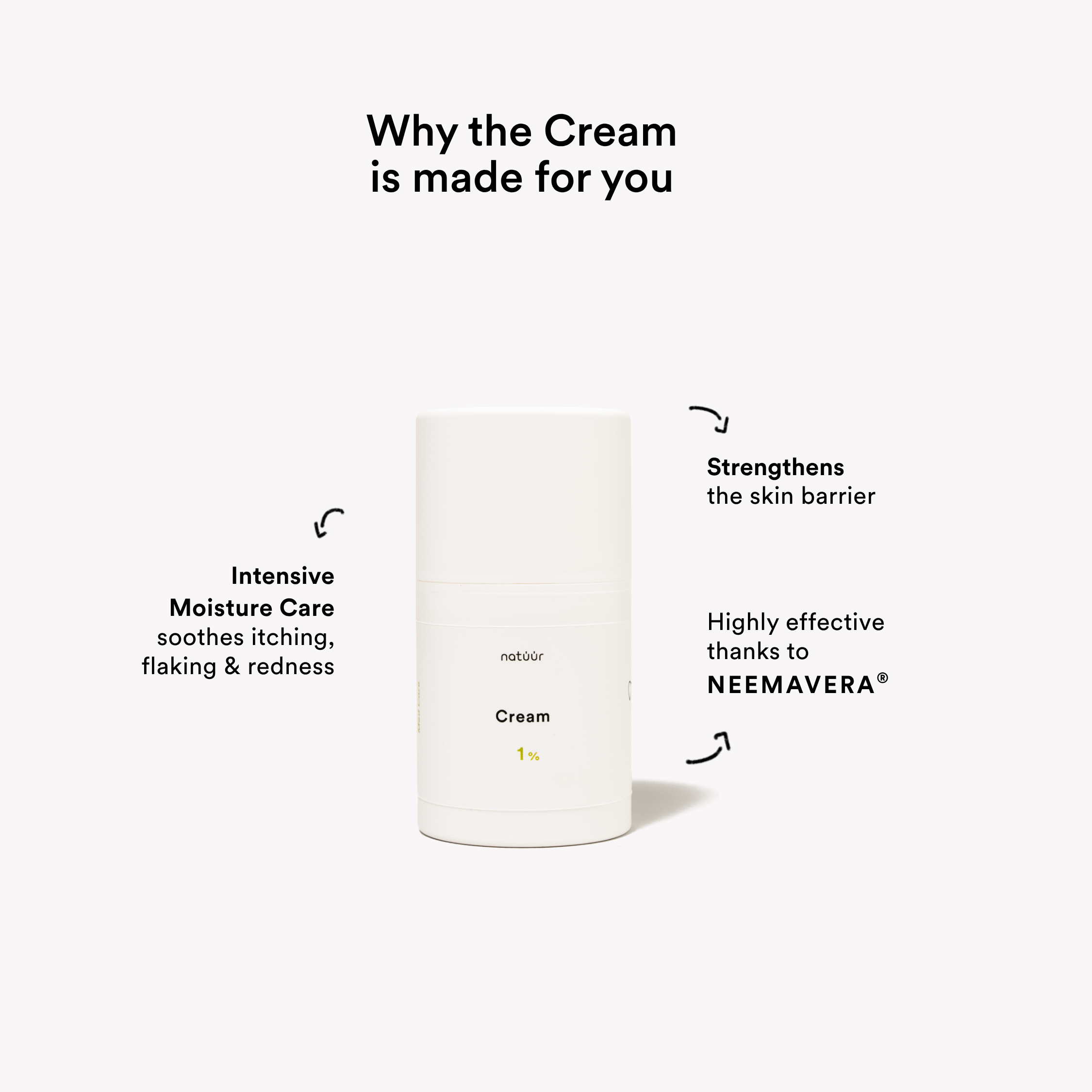
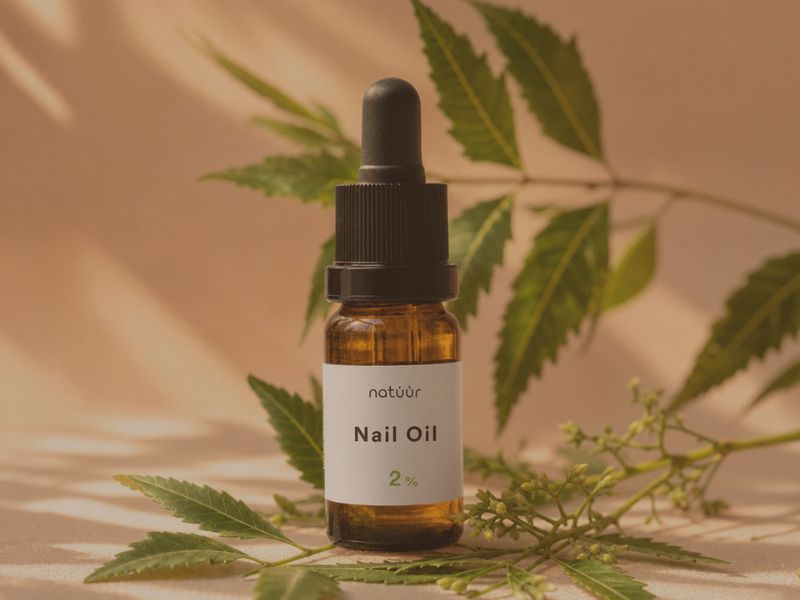
Natural substances replace synthetic chemicals and protect the environment. An example is the neem tree, from which NEEMAVERA is extracted. This extract, made from neem leaves, is 50 times concentrated and provides an environmentally friendly source of active ingredients. The extraction is carried out using sustainable cultivation methods that also promote biodiversity.
In addition to the ingredients, packaging is also becoming increasingly environmentally friendly.
Environmentally Friendly Packaging
Glass, paper, or recycled plastics are popular materials to reduce the ecological footprint. Such approaches help to further minimize the environmental impact of cosmetic products.
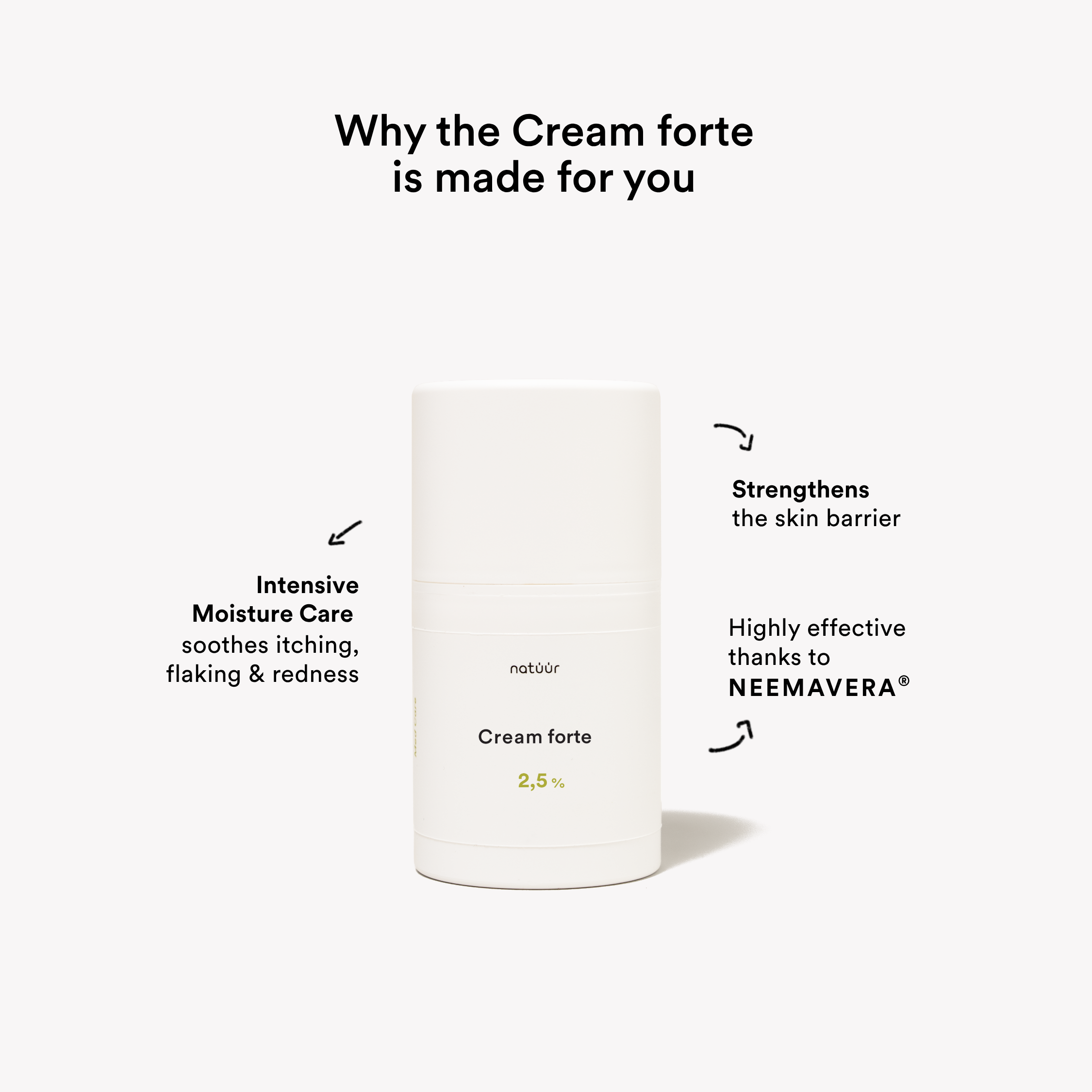
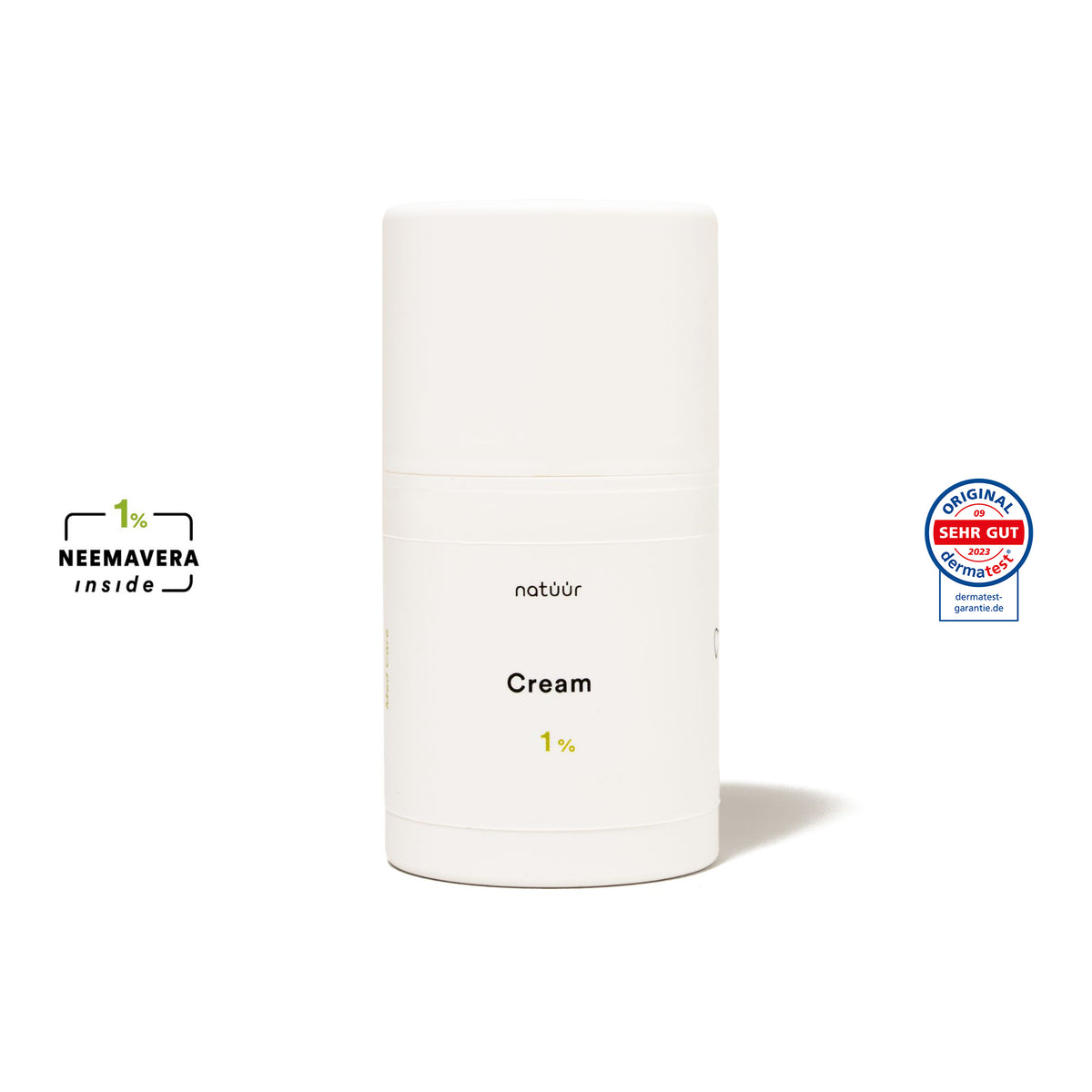
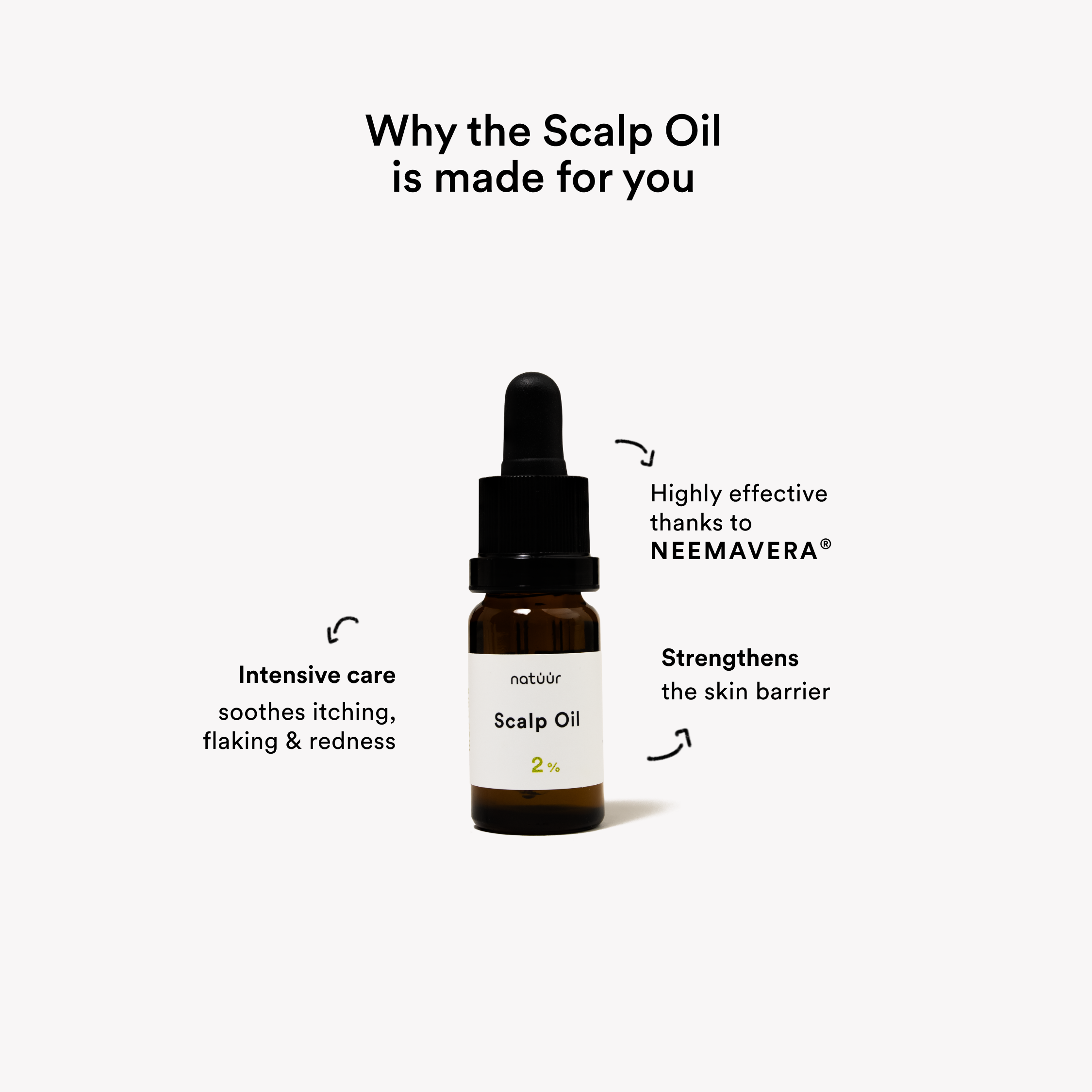
Brands like natüür focus on sustainable production and avoid harmful substances. These developments show that natural alternatives can serve both skincare and environmental protection.
Conclusion
Studies show that chemical cosmetic products, through ingredients such as parabens, silicones, and artificial dyes, pollute waters and harm ecosystems.
Natural alternatives, on the other hand, offer numerous advantages: they are gentler on the environment, skin-friendly, and effective. An example of this is NEEMAVERA, a highly concentrated extract from neem leaves that serves as a sustainable source of active ingredients.
The results clearly show: with conscious purchasing decisions, consumers can protect both the environment and their health. Avoiding chemical additives and choosing plant-based ingredients, combined with environmentally friendly packaging, helps to reduce the ecological footprint. Research highlights the importance of switching to more environmentally friendly alternatives. Products like those from natüür with NEEMAVERA offer a promising option for this.