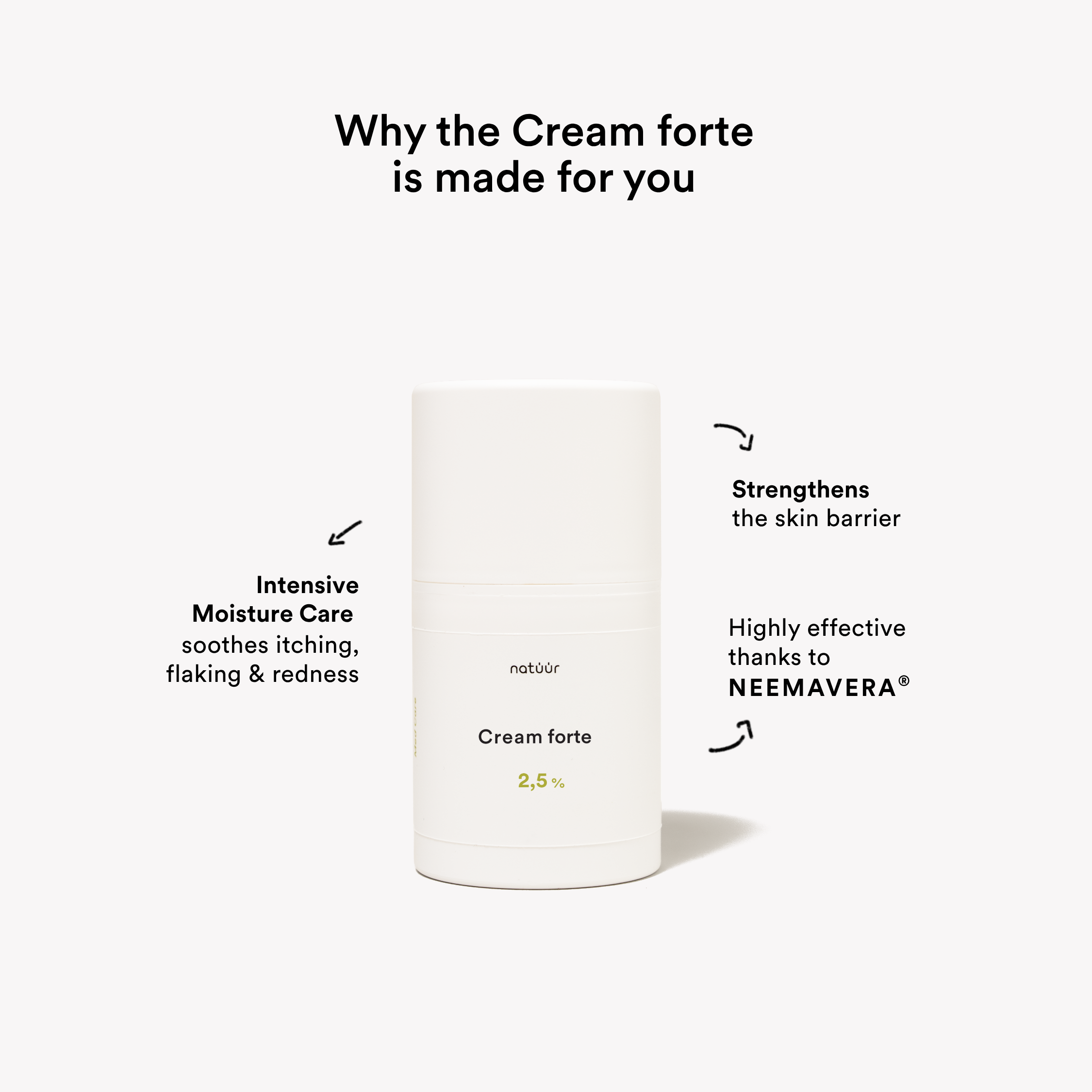
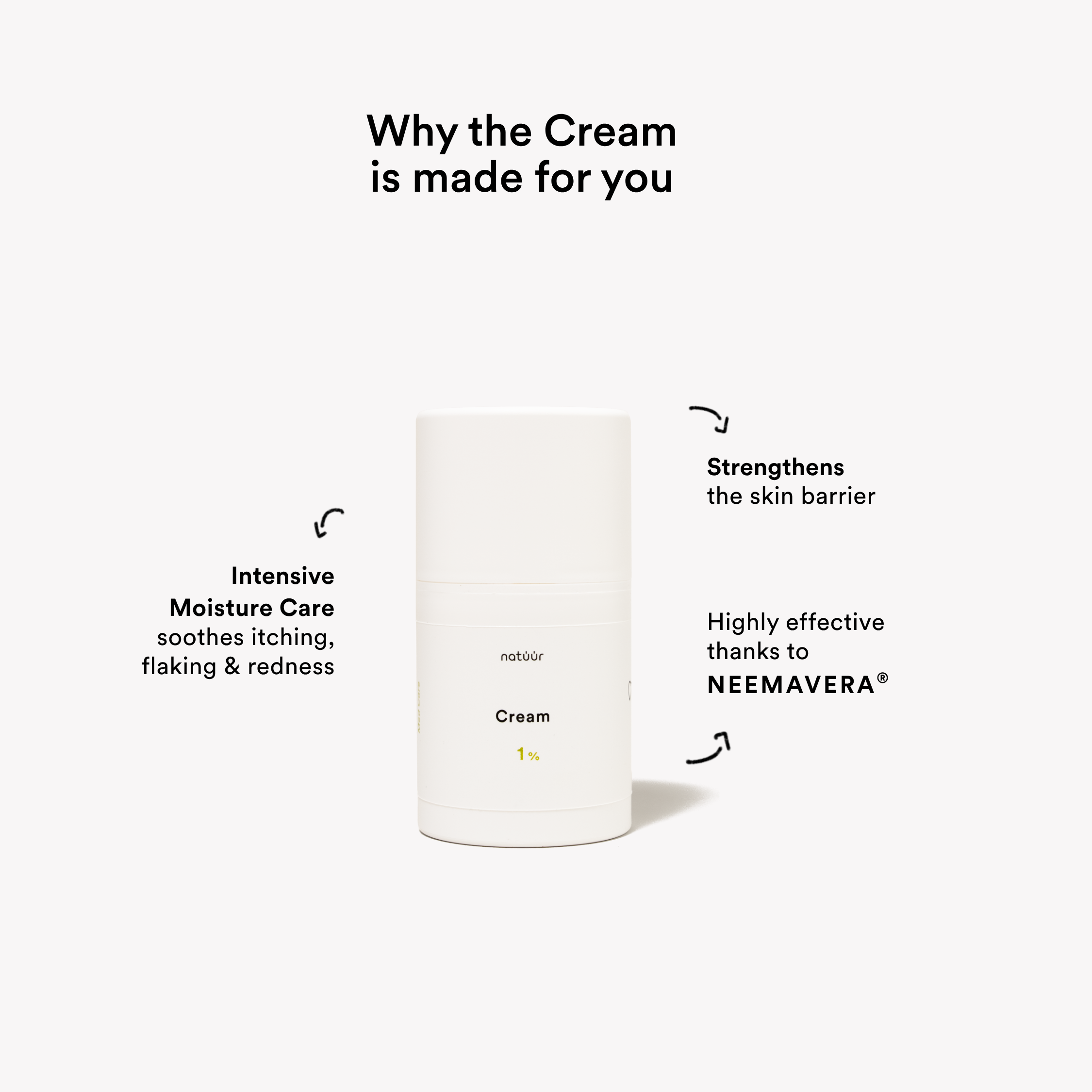
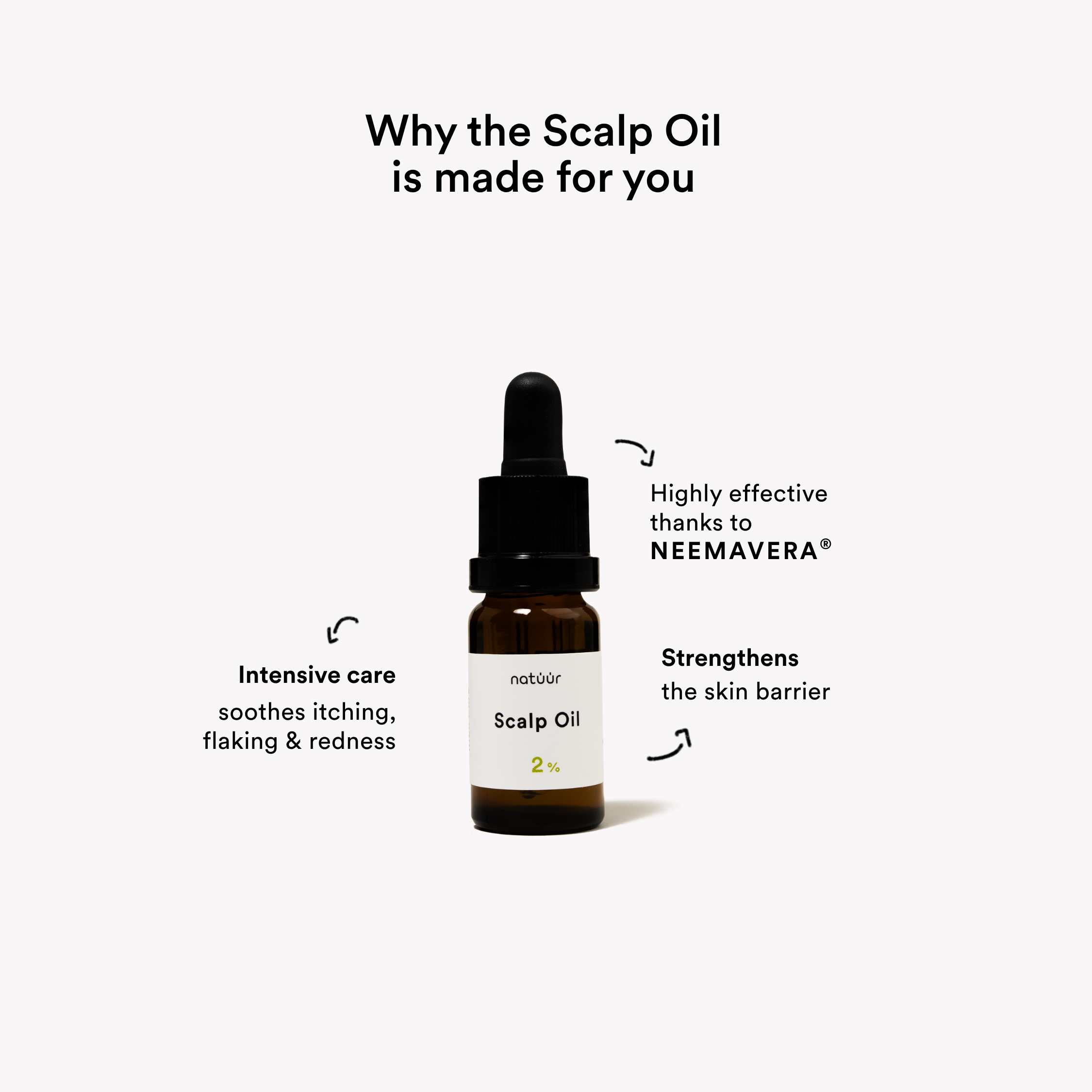

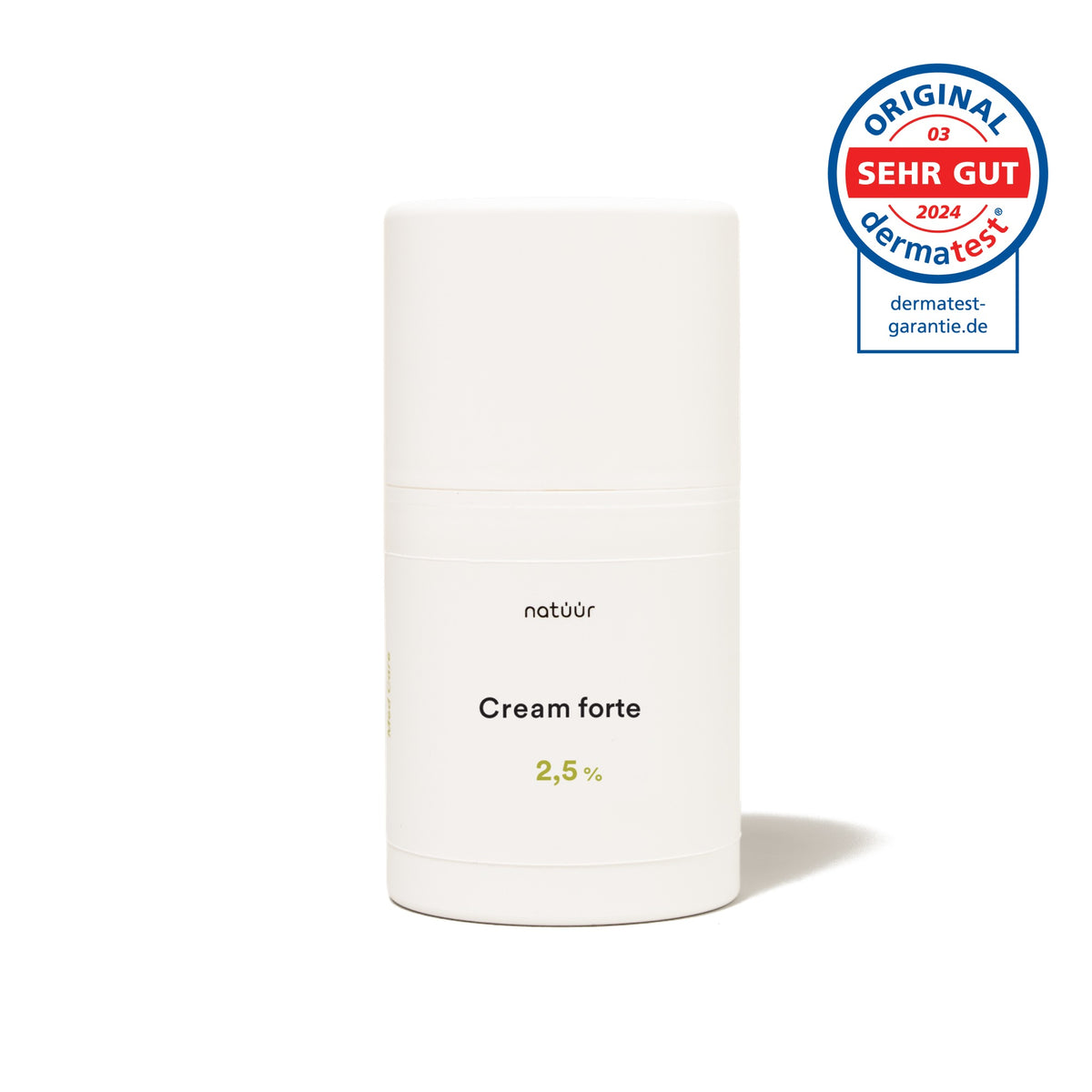
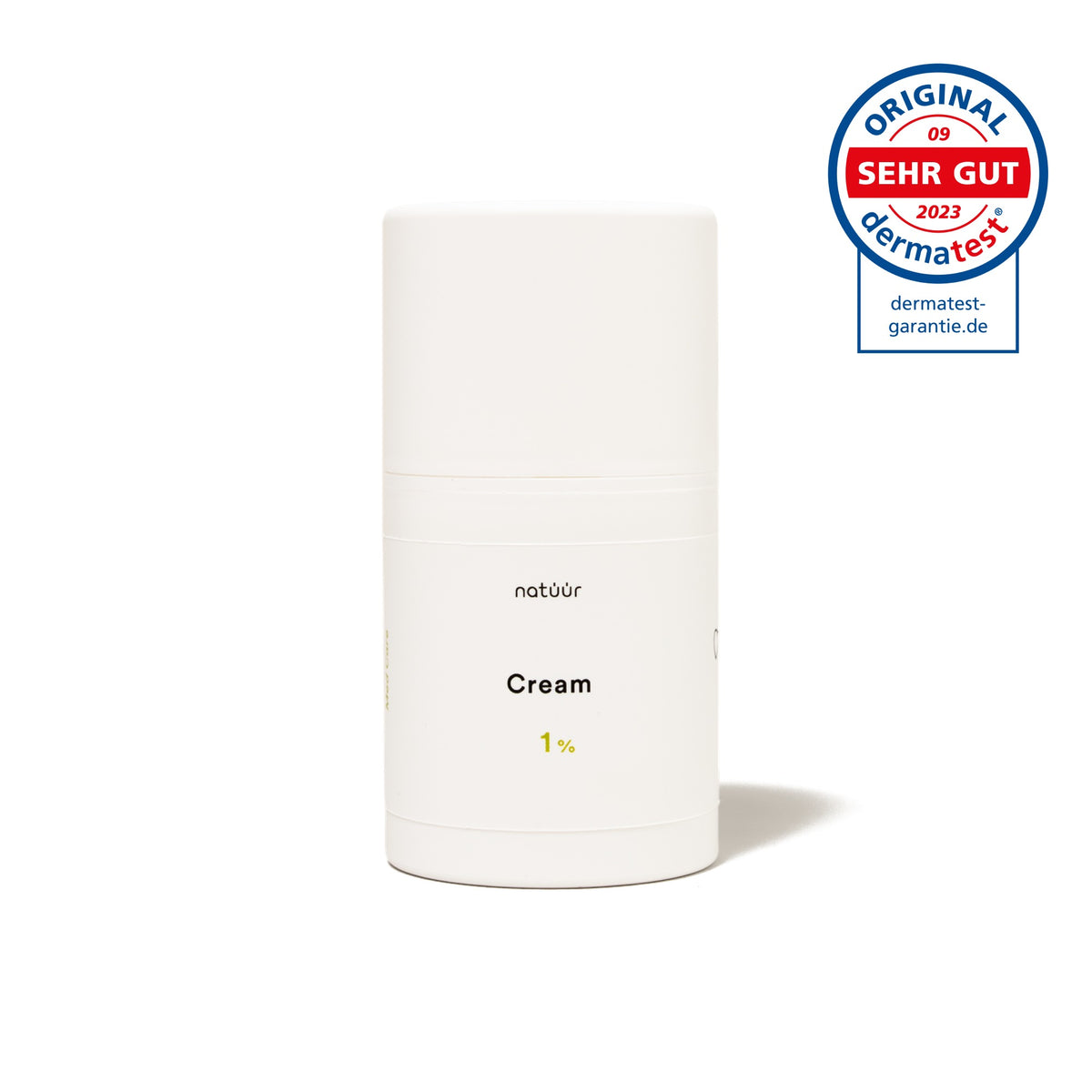
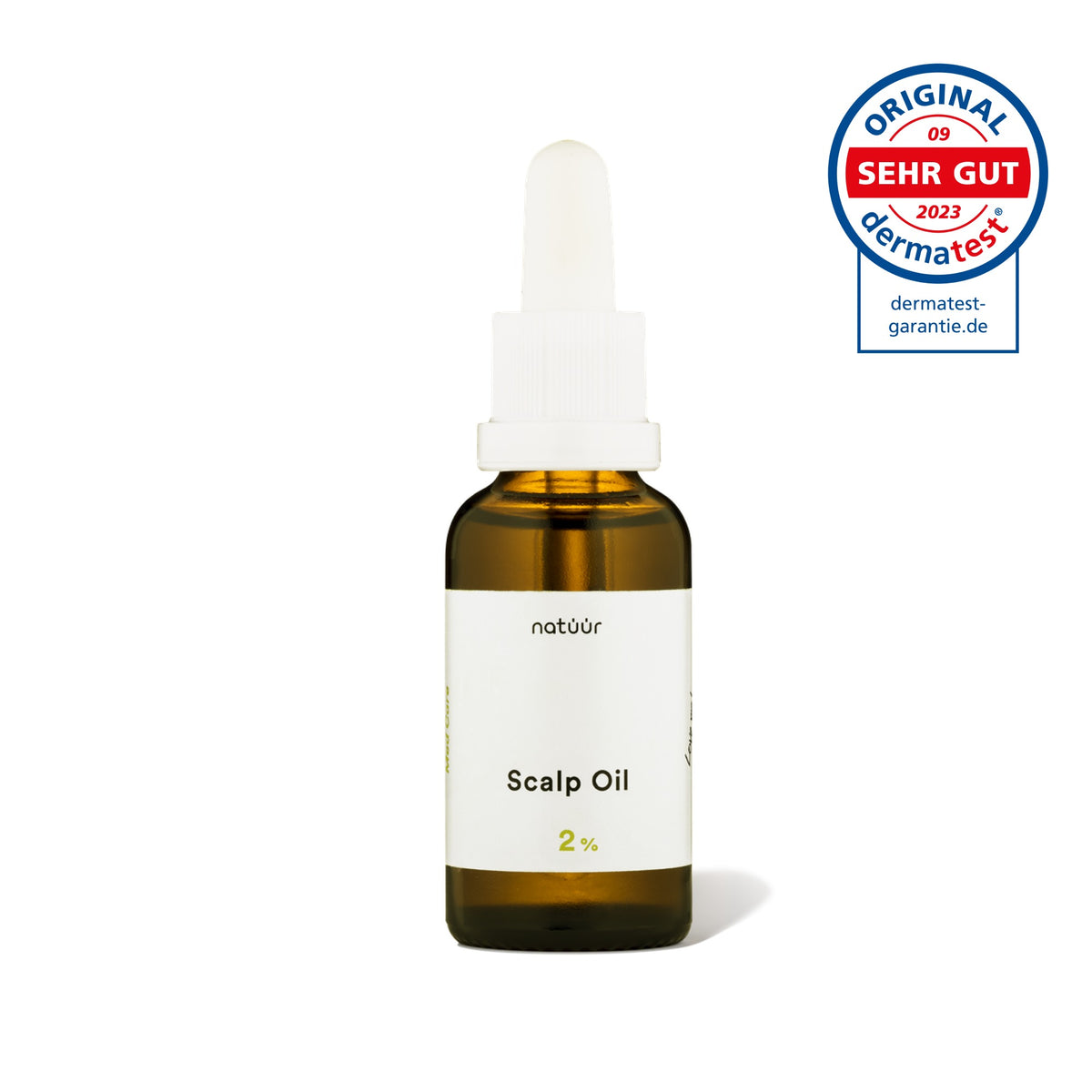
.nt-wrap{overflow-x:auto;-webkit-overflow-scrolling:touch;margin:20px 0; border:1px solid #e8ede0;border-radius:14px;box-shadow:0 6px 20px rgba(127,158,66,.08)} .nt-table{border-collapse:separate;border-spacing:0;width:100%;min-width:540px;margin:0; border-radius:14px;overflow:hidden} .nt-table thead th{background:#7F9E42;color:#fff;font-weight:700;text-align:left;padding:13px 16px;white-space:nowrap} .nt-table tbody td{padding:12px 16px;border-top:1px solid #e8ede0;vertical-align:top;overflow-wrap:normal;word-break:normal;hyphens:none} .nt-table tbody td:first-child{font-weight:700;color:#6b8636;white-space:nowrap} .nt-table tbody tr:nth-child(even) td{background:#f4f7ee} Living vegan and having atopic dermatitis – do the two go well together? Many people with the condition wonder whether a vegan diet helps their skin and whether vegan skincare products are gentler. The honest answer: vegan is not a cure, but it can make sense – if you know what to look out for. Here you will find both: what a vegan diet does for atopic dermatitis and how to build a vegan skincare routine. In short: Diet: A vegan diet does not cure atopic dermatitis. A plant-focused, balanced diet can, however, support the skin. Important: keep an eye on nutrients such as vitamin B12 and omega-3, and don’t cut out foods on mere suspicion. Skincare: Vegan products do without animal ingredients such as wool wax (lanolin) or propolis, which can irritate sensitive skin. Above all, though, what matters is: no fragrances, gentle cleansing and replenishing lipids every day. Routine: Gentle cleansing, moisturising care and targeted care for acute areas are the basis. Extra tips: Reduce stress (yoga, meditation, breathing exercises), pay attention to the indoor climate and try plant-based home remedies such as oat baths or aloe vera. Does a vegan diet help with atopic dermatitis? So far there are no robust studies showing that a vegan diet generally improves or even cures atopic dermatitis. Atopic dermatitis is a chronic condition that you cannot simply “eat away”. Even so, some people with the condition report that their skin is better on a plant-based diet. There are plausible reasons for this: Fewer typical triggers: Cow’s milk and hen’s eggs are among the most common food allergens – especially in children – that can intensify atopic dermatitis flare-ups. In a vegan diet, both are left out. Plenty of fibre and antioxidants: Vegetables, fruit, pulses, wholegrains and nuts provide fibre for a diverse gut flora and antioxidants that counteract oxidative stress. Often a more conscious diet: People who eat vegan often cook with fresher ingredients and reach less often for highly processed foods. But the flip side matters too: if you cut out foods on mere suspicion, you risk nutrient gaps – without your skin benefiting. This applies to children in particular. A food allergy should therefore always be checked by a doctor before you change your diet significantly. What to look out for on a vegan diet Nutrient Why it matters Good vegan sources Vitamin B12 Practically absent from plant foods Make sure to take it as a supplement Omega-3 (EPA/DHA) Anti-inflammatory, a building block of the skin barrier Algae oil; linseed oil, walnuts and chia seeds provide the precursor ALA Vitamin D Hardly produced via the skin in winter Sunlight; supplement after consulting your doctor Iron and zinc Important for the immune system and skin regeneration Pulses, wholegrains, oats, pumpkin seeds Calcium and iodine Often too low without dairy products and fish Calcium-rich mineral water, fortified plant drinks, iodised salt Watch out with substitute products: Many vegan alternatives are based on soya, nuts or lupin. These are also common allergens. If you react to one of them, read the ingredients list carefully. People with atopic dermatitis and a birch pollen allergy also sometimes react to raw apples, hazelnuts or carrots. And vegetarian? A vegetarian diet is easier to keep balanced because dairy products and eggs stay on the menu. However, these two are exactly what triggers flare-ups in some people with atopic dermatitis. Whether they play a role for you is best shown by a medically supervised allergy test or a food diary. We explain the role the gut plays for the skin, using psoriasis as an example, in the article Gut and skin. And whether atopic dermatitis is contagious or hereditary, we clear up in 3 myths about atopic dermatitis. Why vegan skincare for atopic dermatitis? Vegan initially just means: without animal ingredients. That alone does not automatically make a product better tolerated. For atopic dermatitis it still has a real advantage, because some animal ingredients are among the well-known contact allergens: Wool wax (lanolin, INCI: Lanolin): Comes from sheep’s wool and cares for the skin well, but can trigger contact allergies, particularly with atopic dermatitis. Propolis and beeswax (INCI: Propolis, Cera Alba): Propolis is a common contact allergen. Milk components or honey: Found in some skincare products and unsuitable for people with the corresponding allergy. Plant oils and active ingredients can soothe the skin and strengthen its barrier. Far more important than the “vegan” label, though, is what else is inside. All natüür products are vegan. Our Med Care range for atopic dermatitis, psoriasis and eczema is also free from fragrances and was rated “SEHR GUT” (very good) by Dermatest. Key factors in atopic dermatitis care Active ingredients that are good for your skin Our plant-based active complex NEEMAVERA® from neem leaves plays a central role in atopic dermatitis care. It helps inflamed and oxidatively stressed skin cells and cares for skin prone to itching, redness and scaling. Plant oils with valuable fatty acids, such as Inca omega oil (sacha inchi) and borage seed oil, are also valued in the care of sensitive skin: they support the skin barrier and help to soothe irritation. Active ingredient What it does for your skin NEEMAVERA® Soothes skin prone to inflammation, itching and scaling Inca omega oil Rich in omega-3 fatty acids, supports the skin barrier and provides moisture Borage seed oil Contains gamma-linolenic acid, soothes and helps with irritation Ingredients you should avoid Some substances are problematic for skin with atopic dermatitis. A look at the ingredients list helps you spot them: Fragrances (including essential oils): They are the most common triggers of contact allergies in cosmetics. Drying alcohols (e.g. “Alcohol denat.” near the top of the list): They draw moisture from the skin. Artificial colourants: They have no skincare benefit and can irritate the skin further. Parabens: Many people with sensitive skin avoid them. Allergic reactions are rather rare overall, but if you react to them, you should avoid them consistently. Mineral oils: They lie on the skin like a film and hold in moisture, but do not actively care for the barrier. Many people therefore prefer plant oils, which also provide valuable fatty acids. You can read more about this in our guides 10 ingredients sensitive skin should avoid and How to spot harmful ingredients. Understanding product labels To find the right skincare products, look out for these points when reading the packaging: Certifications: Quality seals such as the Dermatest seal “SEHR GUT” (very good) offer guidance on skin compatibility. For vegan products there are also seals such as the Vegan Flower. Ingredients list (INCI): The substances are listed by quantity. Plant ingredients near the top and short lists without fragrances are a good sign. Active ingredient concentration: Good products state how much active ingredient they contain. At natüür, the NEEMAVERA® concentration is printed directly on the packaging (1 % to 2.5 %), so you can choose according to your skin’s needs. A vegan skincare routine for atopic dermatitis With these ingredients in mind, you can put together a routine that supports sensitive skin well. 1. Cleanse gently Gentle cleansing is the first step. Use skin-neutral pH products without harsh surfactants and fragrances, use lukewarm water and cleanse your skin no more than twice a day. Then carefully pat it dry – without rubbing, scrubs or brushes. 2. Give back moisture and lipids After cleansing, care is essential. Apply it to skin that is still slightly damp so that it holds moisture better. For daily care: the light Cream with 1 % NEEMAVERA® For very dry or irritated areas: the richer Cream forte or the Skin Balm, both with 2.5 % NEEMAVERA® 3. Care for acute areas in a targeted way Targeted care makes sense for particularly stressed areas of skin. The water-free Skin Balm was developed for spot application: apply only to the affected areas, use several times a day if needed. With these three steps – cleansing, care and targeted care for acute areas – you have a solid basis. Which of our three creams suits you, you can read in our comparison of Cream, Cream forte and Skin Balm. Natural home remedies and lifestyle tips Plant-based support Aloe vera is known for cooling and soothing the skin. Chamomile and green tea are also often recommended for irritated skin. But be careful with chamomile: it belongs to the daisy family (Asteraceae), to which some people with atopic dermatitis are allergic. So always test new remedies on a small patch of skin first. Home remedy Use and effect Oat bath Bathe for 15 to 20 minutes in lukewarm water, soothes the skin and provides moisture Coconut oil Apply thinly after bathing, cares for the skin and replenishes lipids Sunflower oil Apply after bathing, supports the skin barrier and retains moisture Aloe vera gel Apply thinly, cools the skin and can relieve itching How natural cosmetics can be used for eczema-like skin conditions is explained in detail in Natural cosmetics for eczema. Indoor climate Your surroundings play a role too: a humidifier ensures pleasant humidity, especially during the heating season, and you should avoid extreme temperatures and heavy sweating where possible. Wear soft, breathable fabrics such as cotton directly against your skin. Managing stress Stress can worsen atopic dermatitis symptoms and intensify itching. Relaxation techniques and mindfulness-based methods can help you cope better with stress and itching. Meditation, yoga, conscious breathing exercises and a regular sleep rhythm are good ways to reduce stress and increase your wellbeing. These natural approaches combine well with vegan skincare. Still, discuss bigger changes with your doctor so that everything fits with your treatment. natüür products for atopic dermatitis Our Med Care range is vegan, free from fragrances, parabens and silicones, and was rated “SEHR GUT” (very good) by Dermatest. All products contain NEEMAVERA® in different concentrations: Product NEEMAVERA® Texture Ideal for Cream 1 % Light, absorbs quickly Daily care for face and body, small sensitive areas Cream forte 2.5 % Rich Particularly dry, irritated skin, also great in the evening or overnight Skin Balm 2.5 % Water-free balm Targeted care for acute, rough areas; compact size for on the go For atopic dermatitis, we have combined two products in the Neuro Kit: the Cream forte (150 ml) for larger areas and the Cream (15 ml) for small, sensitive areas. You can find all products for atopic dermatitis in our atopic dermatitis collection. Conclusion Vegan is no miracle cure for atopic dermatitis – neither on your plate nor in your cream. A balanced, plant-focused diet can, however, support your skin if you pay attention to vitamin B12, omega-3 and the other critical nutrients and don’t cut out foods on mere suspicion. When it comes to skincare, three things count: Factor What matters How to put it into practice Ingredients Avoid skin irritation Without fragrances, drying alcohols, wool wax and unnecessary additives Effectiveness Tested active ingredients Products with researched active ingredients such as NEEMAVERA® Tolerability Suitable for sensitive skin Dermatologically tested products, for example with the Dermatest seal “SEHR GUT” (very good) For good long-term results: establish a regular, gentle skincare routine, adapt the products to the current condition of your skin, look for tested quality and vegan ingredients. This makes vegan skincare a gentle alternative – especially for people with atopic dermatitis. Frequently asked questions Does a vegan diet help with atopic dermatitis? There is no evidence that a vegan diet generally improves or cures atopic dermatitis. Some people with the condition benefit, for example because cow’s milk and eggs are eliminated as possible triggers. It is important to pay attention to vitamin B12, omega-3 and other nutrients and to have allergies checked by a doctor. Can atopic dermatitis be cured through diet? No. Atopic dermatitis is a chronic condition. Diet can influence symptoms if certain foods trigger flare-ups in you, but it does not cure the condition. Which dietary changes can help with atopic dermatitis? Plenty of vegetables, fruit, wholegrains and omega-3 fatty acids, and few highly processed foods. You should only avoid dairy products, eggs or gluten if an allergy or intolerance has been diagnosed by a doctor. Which natural remedy helps with atopic dermatitis? Sunflower oil or coconut oil after bathing, oat baths and aloe vera gel are often felt to be soothing. They care for the skin and support its barrier. Test new remedies on a small area first. How does NEEMAVERA® support skin with atopic dermatitis? NEEMAVERA® is an active complex made from neem leaves. It soothes skin prone to itching, scaling and redness, and supports inflamed and oxidatively stressed skin cells. Which ingredients should you avoid with atopic dermatitis? Above all fragrances, drying alcohols and artificial colourants. Many people also avoid parabens and mineral oils. If you want to use vegan skincare, you also do without wool wax (lanolin) and propolis, which are well-known contact allergens. What helps reduce stress with atopic dermatitis? Relaxation techniques such as meditation, yoga, conscious breathing exercises and a regular sleep rhythm can reduce stress. Why is reading product labels important? The ingredients list and quality seals such as Dermatest show you whether a product contains irritating substances and how its skin compatibility was tested.