











Why Your Skin's pH Level Is Important
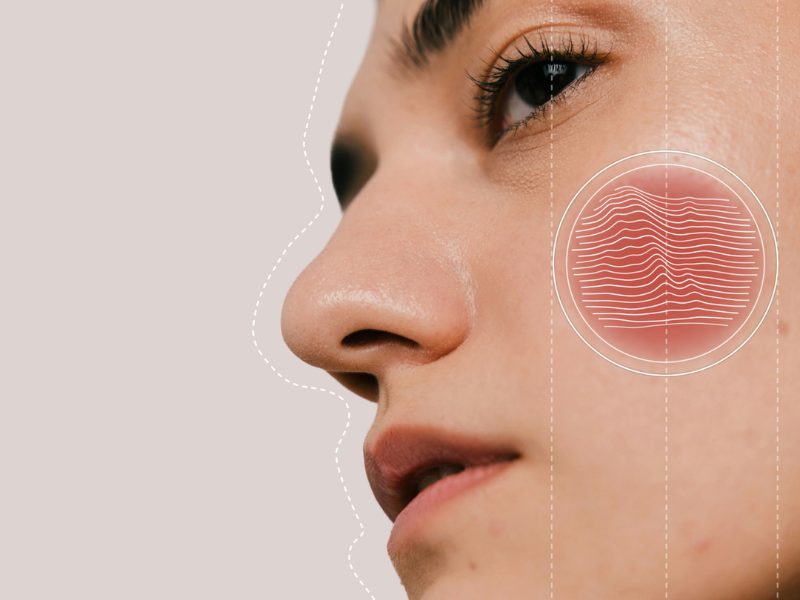
Your skin's pH value is crucial for your health. It affects the protective function, moisture balance, and defense against harmful microorganisms. Healthy skin has a pH value between 4.5 and 5.5, which is slightly acidic. However, external factors such as UV radiation, hard water, and incorrect skincare products can disrupt this balance.
Important Facts:
- Optimal pH value: 4.5–5.5 for protection, regeneration, and moisture.
- Too high pH value: Leads to dryness, tightness, and sensitivity.
- Too low pH value: Causes irritation, redness, and susceptibility to infections.
- Influencing factors: Age, pollution, skincare products, and diet.
Quick Tips:
- Use pH-neutral products without aggressive ingredients.
- Ensure a balanced diet with vitamin C and omega-3.
- Avoid hot water and harsh soaps.
A stable pH value ensures healthy, resilient skin. Proper care and conscious habits help maintain this balance.
Problems with an Unbalanced Skin pH Value
The optimal pH value is crucial for healthy skin. But what happens when it gets out of balance? An unbalanced pH value can affect both the health and appearance of the skin. Whether the pH value is too alkaline or too acidic, the effects differ significantly.
When the pH Value is Too High
An alkaline, or too high, pH value weakens the skin barrier and can lead to various problems:
| Symptom | Effect |
|---|---|
| Dryness | Loss of moisture |
| Tightness | Skin feels taut and less elastic |
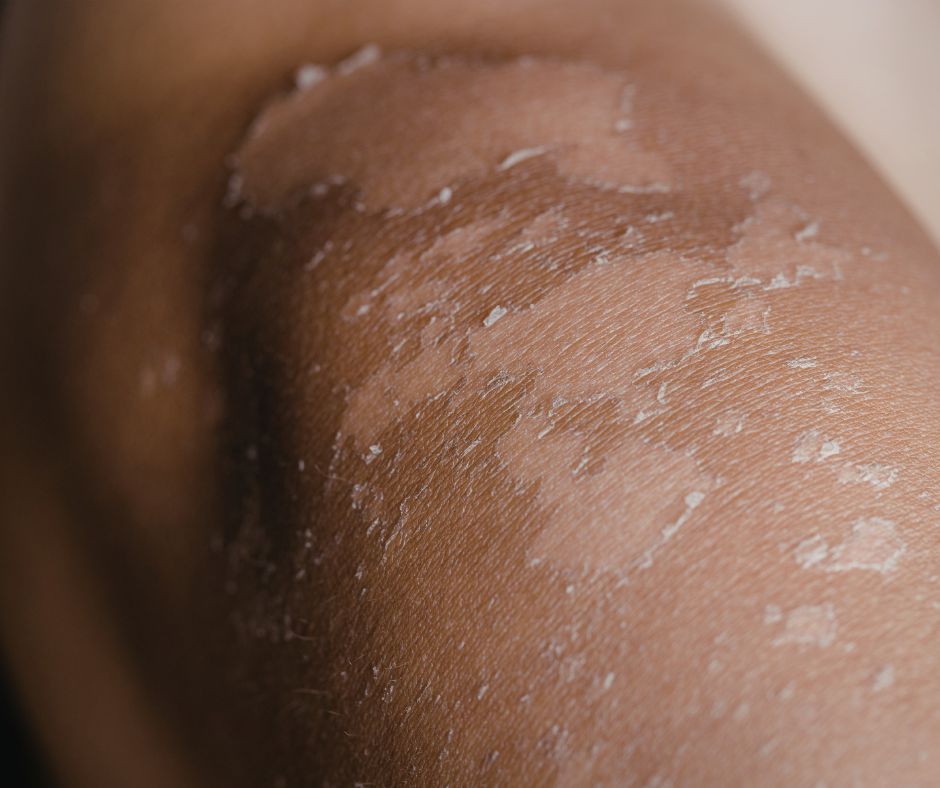
| Flaking | Increased shedding of the outer skin layer |
| Sensitivity | Higher irritability to external influences |
When the pH Value is Too Low
A too low, or excessively acidic, pH value also brings challenges:
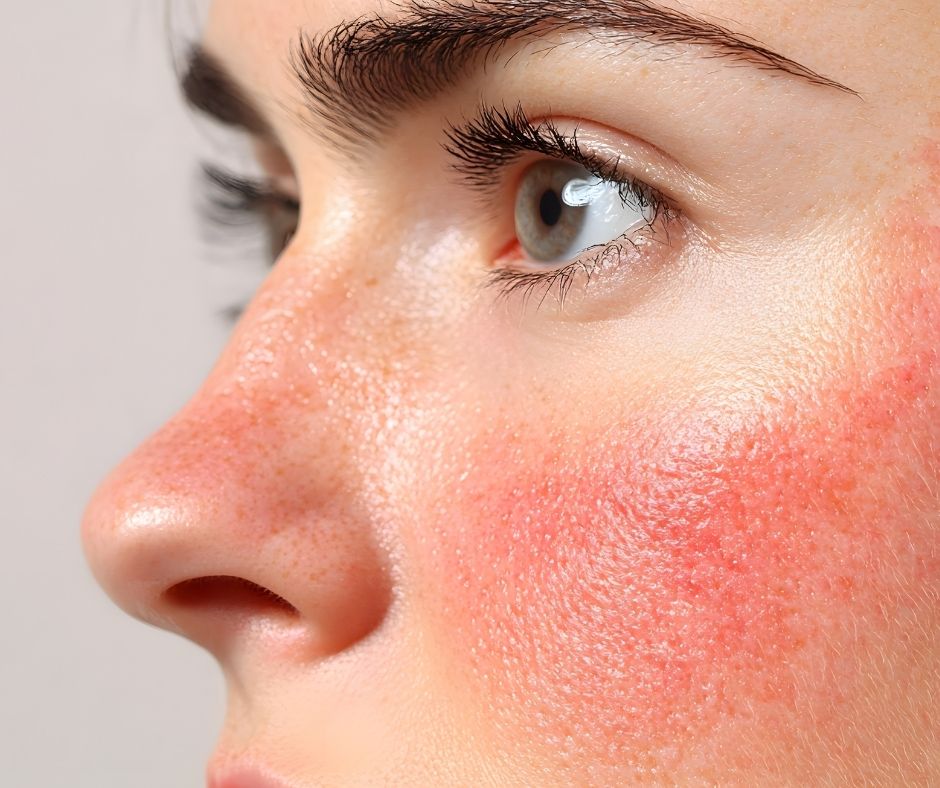
- Skin redness and irritation occur more frequently.
- Susceptibility to infections increases.
- The skin's natural microbiome is disturbed.
Skin Diseases and pH Value Balance
An unbalanced pH value can worsen existing skin problems:
| Skin Disease | Connection to pH Value |
|---|---|
| Neurodermatitis | Weakening of barrier function with pH shifts |
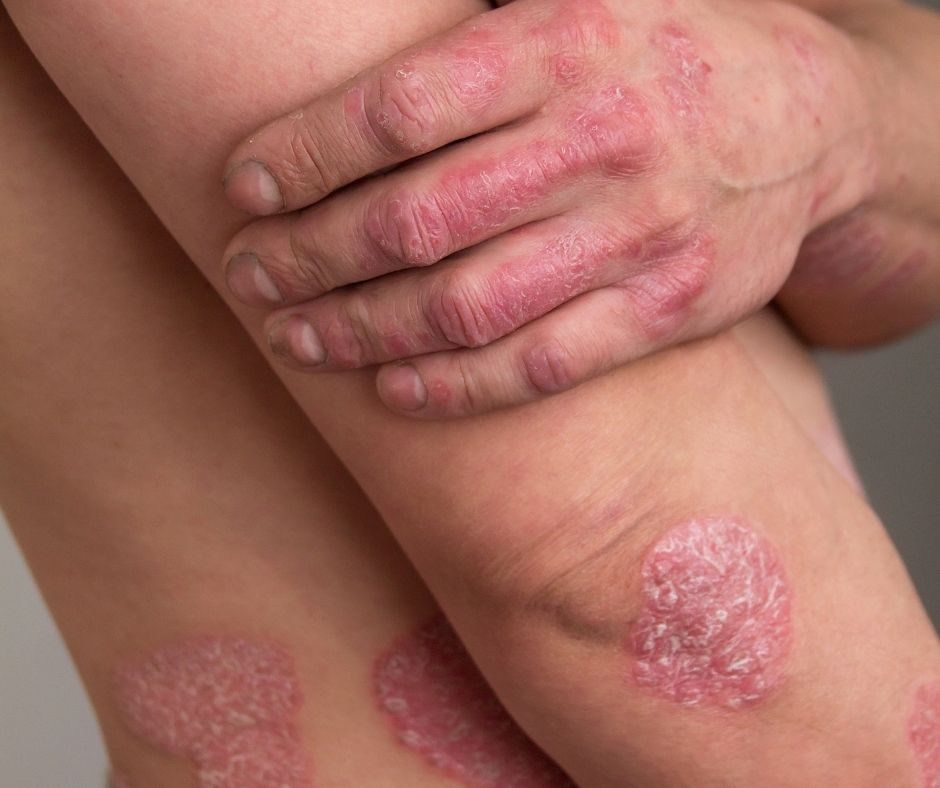
| Psoriasis | Worsening in alkaline environment |
| Eczema | Aggravated symptoms due to pH fluctuations |
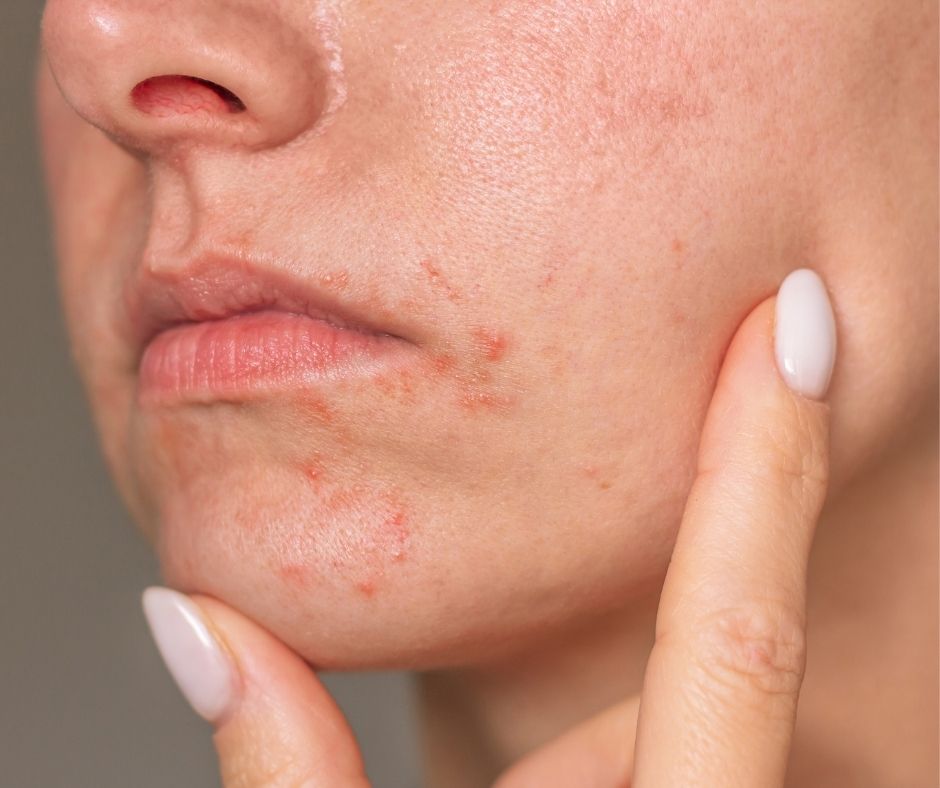
| Acne | Promoted by a disturbed skin environment |
People with sensitive or irritation-prone skin particularly benefit from a stable pH balance. Using pH-neutral or slightly acidic skincare products helps support the skin's natural balance.
What Changes the Skin's pH Value
Physical Factors Affecting pH Value
The skin's pH value is influenced by various physical processes. With increasing age, the skin tends to become more alkaline. Hormonal fluctuations – such as those occurring during puberty, pregnancy, or menopause – can also alter the pH value. General health status and metabolic processes also play a role in stabilizing the skin's pH value.
External Influences on pH Value
The environment has a noticeable impact on the skin's pH value:
| Influencing Factor | Effect on pH Value |
|---|---|
| Air pollution | Shifts pH value into the alkaline range |
| Hard water | Increases skin's pH value |
| UV radiation | Impairs skin barrier and changes pH value |
| Chlorinated water | Can cause a shift into the alkaline range |
In addition to environmental factors, the skincare products used also influence the pH balance.
Skincare Products and Their Influence on pH Value
The right choice of skincare products is crucial to keep the skin's pH value in balance. Products with a high alkaline content or those containing parabens, silicones, and synthetic dyes can disrupt the skin's natural balance.
Natural ingredients can help stabilize the skin's pH value. For example, neem extract supports the natural skin environment by providing concentrated active ingredients of this Ayurvedic plant.
Products formulated to be pH-neutral and free from artificial additives help maintain the skin's natural balance. This is especially important for people with sensitive skin or skin problems, as such products strengthen the natural barrier function.
Measuring Skin pH Value
To accurately determine the skin's pH value, standardized conditions are necessary. Special measuring devices are used for this in dermatological practices. For home use, there are no clearly defined testing methods or detailed instructions for interpreting the results. In case of uncertainties or specific questions, an expert should always be consulted.
Steps to Balance Skin pH Value
With targeted measures and appropriate care, the skin's pH value can be effectively regulated.
Products with pH-Neutral Formulation
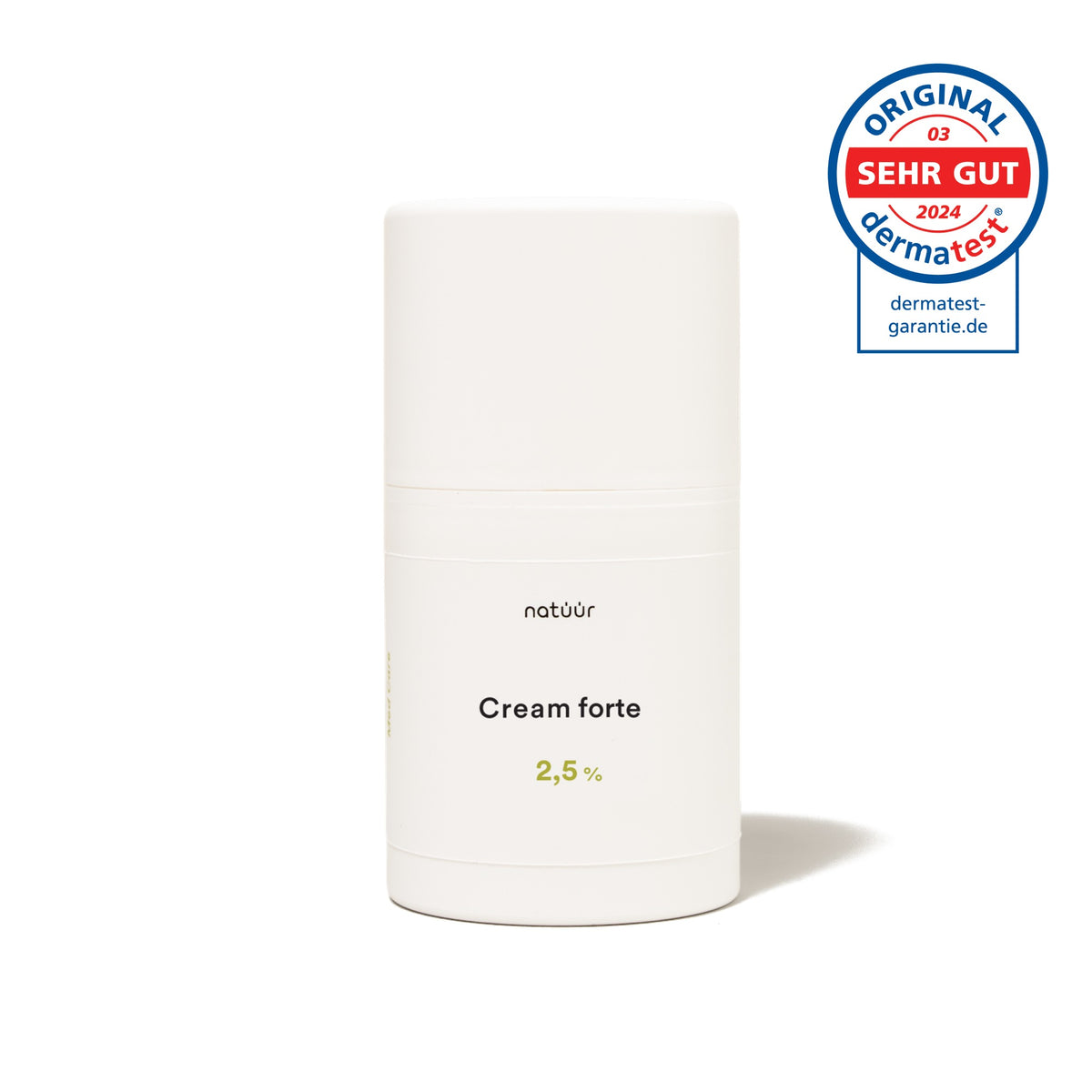
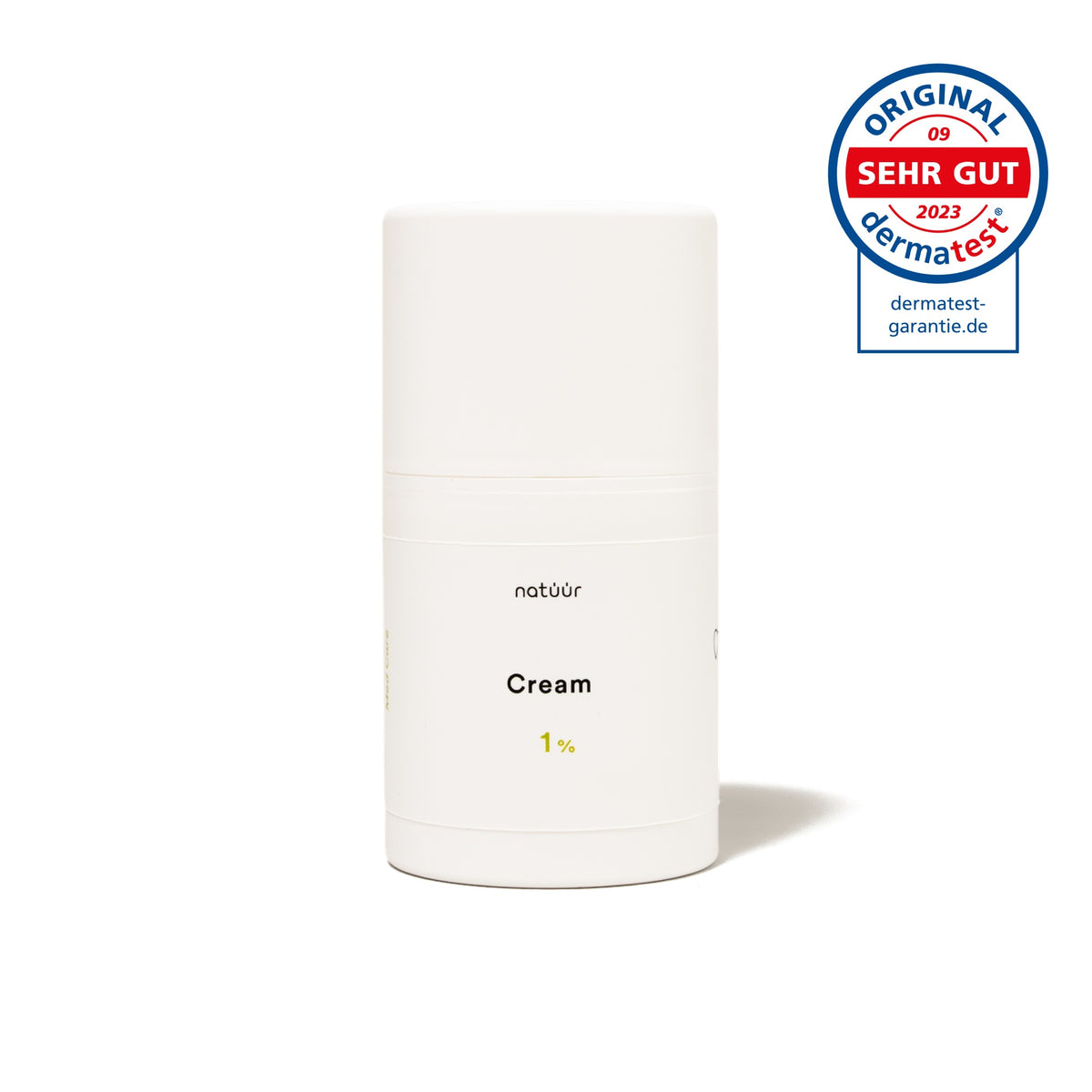
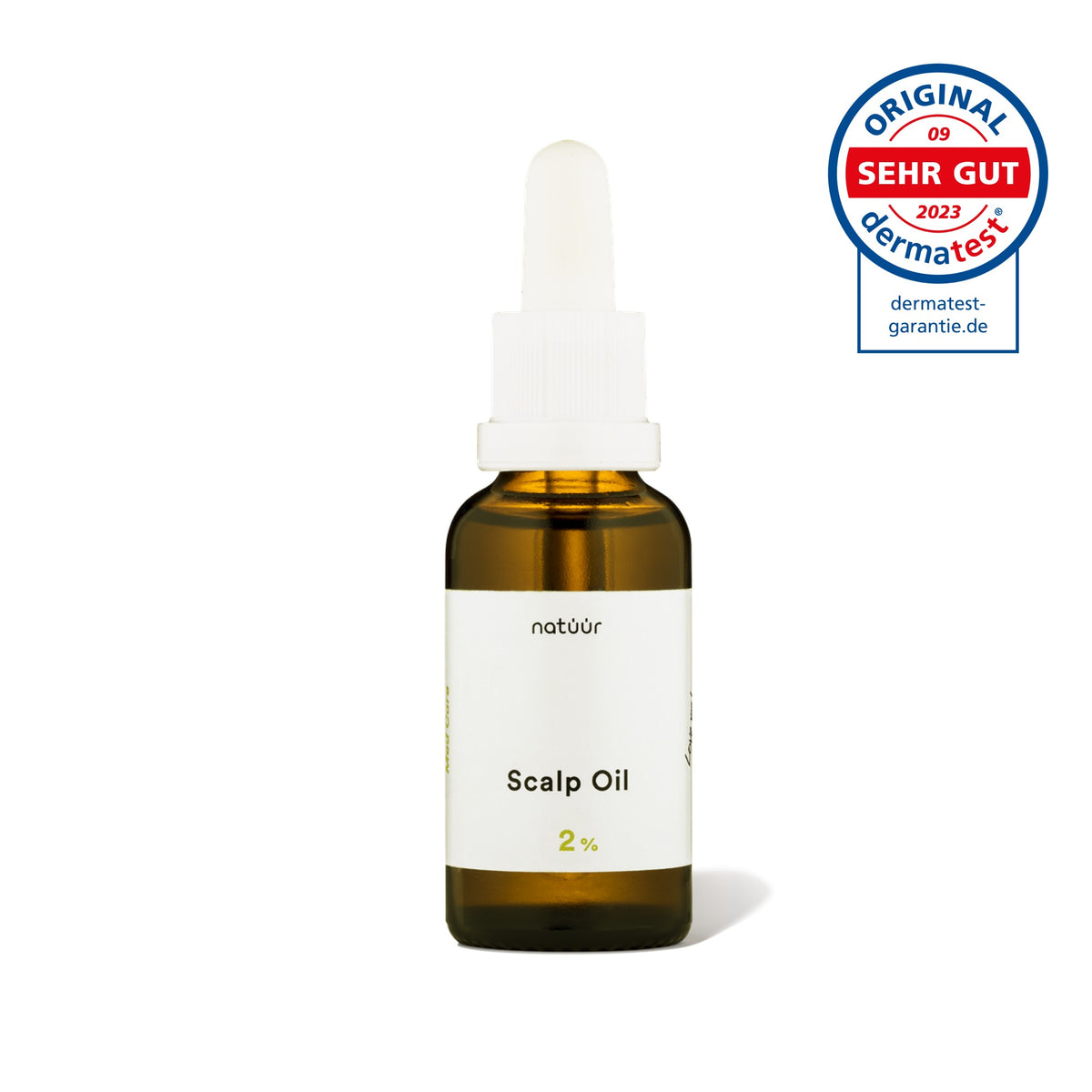
Opt for skincare products without aggressive ingredients. Dermatologically tested, natural products, such as natüür's Med Care line, help stabilize the skin's pH value. The patented NEEMAVERA extract supports the skin barrier and contributes to pH regulation.
"The care cream is convincing in daily use." – Iris K.
However, not only the choice of care products is crucial. Diet and daily habits also play an important role.
Diet and Daily Habits
A balanced diet can positively influence the skin. Pay attention to the following points:
- Drink enough water (at least 2 liters per day).
- Incorporate foods rich in vitamin C.
- Supplement your diet with omega-3 fatty acids.
- Reduce the consumption of sugary foods.
Also, avoid frequent hand washing with harsh soaps or using water that is too hot, as this can disrupt the pH balance.
Natural Methods for pH Balance
Plant-based ingredients, such as neem extract, can strengthen the skin barrier and stabilize the pH value. A well-thought-out care routine should include the following steps:
- Gentle Cleansing: Use a pH-neutral cleansing product morning and evening to avoid unnecessarily stressing the skin.
- Targeted Care: Choose products tailored to your skin type. For specific skin problems, the natüür Med Care Cream forte (13.90 €) or the Skin Balm (29.90 €) can be helpful.
- Regular Application: A consistent care routine is crucial to stabilize the pH value in the long term. Observe how your skin reacts and adjust your care as needed.
These steps support the skin's natural protective function and promote a healthy balance.
Summary: Important Points for pH Balance
A stable pH value is crucial for skin health. Here are the key aspects:
Optimal pH Balance in Everyday Life
To maintain the skin's pH balance, the following measures should be observed:
| Area | Recommended Measures | To Avoid |
|---|---|---|
| Cleansing | Products with pH-neutral value | Aggressive ingredients |
| Skincare | Dermatologically tested natural products | Irritating additives |
These steps not only support daily balance but also strengthen the skin barrier in the long term.
Long-Term Skin Health
The regular use of pH-balancing products, such as those with NEEMAVERA extract, helps strengthen the skin barrier. A consistent, individually adapted care routine and targeted special care when needed promote skin health sustainably.
Basic rules for care:
- A daily and coordinated care routine
- Special care for skin problems
- Regular monitoring of skin condition
A pH value between 4.5 and 5.5 forms the basis for healthy and resilient skin. With proper care and conscious habits, this balance can be maintained in the long term.